

 Zobacz w skali 1:1
 Wyślij
 Udostępnij
 Szczegóły
 Przewodnik

 Pobierz plik obrazu
 Podobne obiekty
 RTG
RTG Pokaz slajdów
 Statystyki
Aeneas Carrying Anchises
 Oil On Canvas
- WallArt
- Rococo
 1729
1729 110.0 x 105.0 cm
 Luwr
Luwr
 Czytaj więcej
Giclée / Wydruk artystyczny
Wydruki giclée lub płótna o jakości muzealnej, szybka realizacja i szeroki wybór opcji wykończenia. ( Kup ręcznie malowany obraz Przełącz na wersję cyfrową)




P118B zł10

P118H zł10

P118W zł10

P438Z zł10

P508JH zł12

P508YH zł12

P805H zł10

P805Z zł10

P919BZ zł10

P919G zł10

P919XJ zł10

P959ZH zł10

P968JZ zł12

W106C zł8

W218G zł10

W218JH zł8

W218Y zł10

W307PJ zł10

W316G zł10

W316PJ zł8

W316Y zł10

W398PJ zł8

W4111J zł10

W500HY zł15

W500JH zł15

W692G zł12

W849H zł8

W940BG zł15

W953PJ zł8




Wybierz spośród naszych standardowych rozmiarów, które zachowują oryginalne proporcje dzieła sztuki.

Wpisz wymaganą szerokość i wysokość, aby dopasować grafikę do ramy lub ściany. Wydruk można jedynie przyciąć, nigdy nie powiększając go poza oryginalny obraz, dlatego format o innym proporcji spowoduje utratę części kompozycji. Przed rozpoczęciem druku prześlemy Ci cyfrowy podgląd do zatwierdzenia. Obraz wyświetlany na tej stronie nie pokazuje rzeczywistego przycięcia — jedynie podgląd oddaje ten efekt.
Dostawa na cały świat () w ciągu 2 tygodni zamiast standardowych 4/5 tygodni. (21 Październik)

Bezpłatna ekspresowa wysyłka na cały świat

Wysokiej jakości płótno lniane

Pełne ubezpieczenie transportowe

Gwarancja zwrotu należności celnych i podatków importowych

Gwarancja idealnego odwzorowania barw

100-dniowy okres na zwrot dzieła w przypadku wykrycia wad produkcyjnych

Gwarancja 100% zwrotu pieniędzy

Oferta przy zakupie wielu sztuk
 Opcja ze szkłem jest dostępna wyłącznie w rozmiarach poniżej 110 cm

Aeneas Carrying Anchises
Giclée / Wydruk artystyczny
Rozmiar reprodukcji
-


Suma do zapłaty
zł 303
Aeneas Carrying Anchises: A Testament to Roman Heroism and Rococo Elegance
Charles-André van Loo’s “Aeneas Carrying Anchises,” painted in 1729, is more than just a depiction of a pivotal moment from Virgil's *Aeneid*; it’s a masterful distillation of the Rococo style, imbued with a profound sense of drama and classical gravitas. This artwork, now meticulously reproduced on hand-painted canvas by OriginalUniqueArt, offers a captivating glimpse into 18th-century French artistic sensibilities – a world where mythological narratives intertwined seamlessly with aristocratic life and an exquisite attention to detail reigned supreme.
The scene unfolds within a classically inspired architectural setting, reminiscent of the Temple of Venus or perhaps even the Parthenon, lending an air of timeless grandeur. Van Loo skillfully employs atmospheric perspective – the subtle blurring of details in the background – to draw the viewer’s eye towards the central figures: Aeneas, the Trojan hero, and his aged father, Anchises. The composition is carefully balanced, utilizing a pyramidal structure that reinforces the importance of these two patriarchs. Note the deliberate use of light; it illuminates Aeneas's determined face and the weight of responsibility he carries, while casting a softer glow upon Anchises, suggesting both vulnerability and profound wisdom.
The Rococo Palette: Color, Texture, and Ornamentation
As a leading figure in the Rococo movement, Van Loo’s signature style is immediately recognizable. The painting bursts with rich, layered colors – deep reds, blues, and golds dominate the palette, creating an opulent and luxurious atmosphere. The artist's meticulous brushwork reveals a remarkable attention to texture; from the folds of Aeneas’s cloak to the weathered skin of Anchises, every surface is rendered with incredible realism. Observe how he uses shimmering highlights to capture the light reflecting off polished marble columns and the fabric of their garments – a hallmark of Rococo technique.
The decorative elements are equally noteworthy. The architectural details, while rooted in classical forms, are embellished with intricate moldings, garlands, and subtle flourishes characteristic of the era. Van Loo’s mastery extends to portraying the human form; Aeneas and Anchises are depicted with a graceful elegance that reflects the ideals of beauty prevalent during the Rococo period. The inclusion of other figures in the background – soldiers, attendants, and perhaps even a veiled woman – adds depth and narrative complexity to the scene, hinting at the broader context of the Trojan War and its aftermath.
Symbolism and Narrative Resonance
Beyond its aesthetic beauty, “Aeneas Carrying Anchises” is rich in symbolic meaning. The act of Aeneas carrying his father represents not only filial devotion but also the burden of leadership and the transmission of legacy. Anchises, a descendant of Aeneas and the rightful heir to Troy, embodies the continuity of Roman civilization. The setting itself – a temple or monumental structure – elevates the scene to a realm of mythic importance, suggesting that Aeneas’s journey is not merely a personal quest but a destiny ordained by the gods.
Furthermore, the presence of the woman in the background has been interpreted as representing Fides (Faith) or perhaps even Venus herself, subtly reinforcing the themes of duty, honor, and divine guidance. The painting's overall mood is one of solemn determination tempered with a poignant sense of loss – a reminder of the sacrifices required to fulfill a noble purpose. OriginalUniqueArt’s faithful reproduction captures this nuanced emotional depth, allowing viewers to fully appreciate the artistry and storytelling embedded within Van Loo’s masterpiece.
Bringing “Aeneas Carrying Anchises” Home
Whether you're an art enthusiast, a collector seeking to enrich your collection, or simply someone looking for a stunning addition to your interior décor, OriginalUniqueArt’s hand-painted reproduction of “Aeneas Carrying Anchises” offers the perfect opportunity to own a piece of 18th-century artistic history. The meticulous detail and vibrant colors faithfully recreate Van Loo's original vision, while the canvas medium provides a timeless quality that will endure for generations to come. Explore our selection of sizes and framing options to find the ideal representation for your space – and experience the enduring power of this iconic artwork.
Pytania i odpowiedzi
Gdzie mogę znaleźć dzieła sztuki podobne do „Aeneas Carrying Anchises” autorstwa Charles André van Loo?
Strona Podobne dzieła dzieła „Aeneas Carrying Anchises” autorstwa Charles André van Loo prezentuje powiązane utwory.
W jaki sposób "Aeneas Carrying Anchises" wpisuje się w tematykę i styl twórczości Charles André van Loo?
"Aeneas Carrying Anchises" należy do nurtu Rococo w twórczości Charles André van Loo, której rozpoznawalne motywy obejmują italian baroque influence, mythological, roman themes, courtly patronage, luxury, dynasty’s artistic legacy, classical narrative depiction.
Jaki nastrój towarzyszy stylowi Rococo w dziele „Aeneas Carrying Anchises”?
"Aeneas Carrying Anchises" niesie ze sobą Melancholic wydźwięk emocjonalny w obrębie nurtu Rococo.
Biografia artysty
Wczesne lata i kształcenie
- Urodzony: 15 lutego 1705 r. w Nicei, Francja
- Pochodzenie: Syn Louisa-Abrahama van Loo i młodszy brat Jean-Baptiste van Loo; członek odnoszącej sukcesy dynastii malarzy niderlandzkich.
- Wczesna edukacja: Początkowe szkolenie w Turynie, a następnie studia w Rzymie (1romat 1712) pod okiem Benedetto Luti oraz Pierre Legrosa.
- Studia paryskie: Uczestnik Académie royale, zdobywca pierwszej nagrody w dziedzinie rysunku w 1723 roku oraz malarstwa historycznego w 1727 roku.
Kariera artystyczna i wybitne dzieła
- Styl: Przede wszystkim znany jako malarz rokoka, charakteryzujący się elegancją, gracją i bogactwem detali.
- Tematyka: Szeroki wachlarz tematów, obejmujący portrety, sceny mitologiczne, malarstwo historyczne, alegorie oraz sceny rodzajowe.
- Znaczące dzieła:
- Wenus i Amor (Kunsthalle Bremen) – demonstruje mistrzostwo stylu rokoko.
- Przystanek na polowaniu (The Metropolitan Museum of Art) – oddaje atmosferę arystokratycznych rozrywek.
- Portret Marii Leszczyńskiej, Królowej Francji – znamienity portret królewski.
- Jowisz i Antiope – ukazuje tematy mitologiczne.
- Autoportret – pozwala zajrzeć w głąb samoświadomości artysty.
- Perseusz i Andromeda (wiele wersji) – ilustruje umiejętność przedstawiania mitologii klasycznej.
- Mademoiselle Clairon jako Medea (mała wersja) – urzekający portret rokokowy z 1760 roku.
Mecenat i królewskie uznanie
- Mecenat królewski: Cieszył się protekcją Madame de Pompadour oraz dworu francuskiego.
- Order św. Michała: Odznaczony Orderem św. Michała, co stanowiło symbol królewskiej łaski.
Wpływy i dziedzictwo
- Wpływ rodziny: Silnie zainspirowany twórczością ojca i brata, obaj wybitni malarze.
- Rywalizacja: Rywalizował z François Boucherem, innym znaczącym artystą epoki rokoka.
- Nowoczesna szkoła francuska: Jego „prostota stylu i poprawność projektu” wywarły istotny wpływ na rozwój nowoczesnej szkoły malarstwa francuskiego.
- Losy krytyczne: Choć jego pozycja w oczach krytyków zmieniała się w czasie, kunszt i rozmach jego twórczości budzą nieustanny szacunek.
Kolekcje muzealne i dalsze zgłębianie tematu
- Obecność w muzeach: Jego dzieła znajdują się w najważniejszych muzeach świata, w tym w Luwrze (Małżeństwo Najświętszej Marii Panny), Kunsthalle Bremen oraz The Metropolitan Museum of Art.
- Dodatkowe zasoby:
- Strona Charles-André van Loo w OriginalUniqueArt: https://www.OriginalUniqueArt.com/artists/charles-andre-van-loo/
- Strona Największych Artystów Wszystkich Czasów w OriginalUniqueArt: https://www.OriginalUniqueArt.com/greatest-artists
- Wirtualne Muzeum OriginalUniqueArt: https://www.OriginalUniqueArt.com/
- Artykuł w Wikipedii: https://en.wikipedia.org/wiki/Charles-Andr%C3%A9_van_Loo
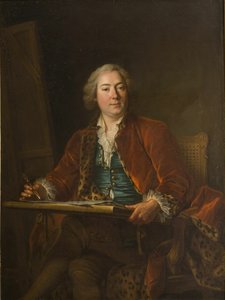
Charles André van Loo
1705 - 1765 , Francja
Najważniejsze informacje
- Artistic Movement Or Style: Rococo
- Artists Or Movements Influenced By This Artist: ['Nowoczesna szkoła francuska']
- Artists Who Influenced This Artist:
- Benedetto Luti
- Pierre Le Gros
- Date Of Birth: 1705
- Full Name: Charles André van Loo
- Nationality: Francuzi
- Notable Artworks:
- Wenus i Amor
- Przerywacz Łowów
- Portret Marii Leszczynskiej
- Jupiter i Antiope
- Place Of Birth: Nice, Francja
Zobacz także powiązane artykuły

Top 10 arcydzieł epoki rokoka: artyści, historia i dekoracje wnętrz | OriginalUniqueArt.com
Odkryj 10 arcydzieł epoki rokoka! Poznaj Watteau, Boucher’a i Fragonarda – artystów, którzy zdefiniowali ten styl. Inspiracje wnętrzarskie, pastelowe kolory i reprodukcje obrazów najwyższej jakości na OriginalUniqueArt.com. Eksploruj kolekcję online!
10 Arcydzieł Wczesnego Renesansu Niderlandzkiego: Sztuka i Dekoracja Domu
Odkryj 10 arcydzieł wczesnego renesansu niderlandzkiego! Poznaj historie van Eycka, Rogiera van der Weydena i innych mistrzów. Reprodukcje obrazów najwyższej jakości dla Twojego wnętrza – OriginalUniqueArt.com

Charles-André van Loo: A Study in Rococo Portraiture & the French Court's Artistic Dynamics
Explore the elegant world of Charles-André van Loo, a master of Rococo portraiture at the French court. Discover his life, techniques, and enduring influence on 18th-century art. Hand-painted reproductions available.

10 Arcydzieł Wczesnoniderlandzkiego Malarstwa, które Zdefiniowały Epokę | Reprodukcje Obrazów
Odkryj 10 arcydzieł wczesnoniderlandzkiego malarstwa! Poznaj historie van Eycka, Weydena i Memlinga. Reprodukcje obrazów najwyższej jakości dla Twojego wnętrza. Inspiracje i dekoracje ścienne na OriginalUniqueArt.com

Rembrandt van Rijn: 25 Najwybitniejszych Dzieł Sztuki – Reprodukcje i Inspiracje do Wnętrz
Poznaj 25 arcydzieł Rembrandta van Rijn! Odkryj fascynujące historie, techniki i wpływ holenderskiego mistrza baroku na świat sztuki. Reprodukcje obrazów najwyższej jakości – inspiracje do wnętrz na OriginalUniqueArt.com


