
![Landscape At Céret [paysage À Céret] — Chaim Soutine](/media/artworks/images-full/35/5a/355a615cc0de7aff615dd914cfa996d2.jpg)
 Zobacz w skali 1:1
 Wyślij
 Udostępnij
 Szczegóły
 Przewodnik

 Pobierz plik obrazu
 Podobne obiekty
 RTG
RTG Pokaz slajdów
 Statystyki
Landscape at Céret [Paysage à Céret]
 Acrylic On Canvas
- WallArt
- Expressionism
 1922
1922- Modern
 79.0 x 87.0 cm
 Nagoya City Art Museum
 Czytaj więcej
Giclée / Wydruk artystyczny
Wydruki giclée lub płótna o jakości muzealnej, szybka realizacja i szeroki wybór opcji wykończenia. ( Kup ręcznie malowany obraz Przełącz na wersję cyfrową)




P118B zł10

P118H zł10

P118W zł10

P438Z zł10

P508JH zł12

P508YH zł12

P805H zł10

P805Z zł10

P919BZ zł10

P919G zł10

P919XJ zł10

P959ZH zł10

P968JZ zł12

W106C zł8

W218G zł10

W218JH zł8

W218Y zł10

W307PJ zł10

W316G zł10

W316PJ zł8

W316Y zł10

W398PJ zł8

W4111J zł10

W500HY zł15

W500JH zł15

W692G zł12

W849H zł8

W940BG zł15

W953PJ zł8




Wybierz spośród naszych standardowych rozmiarów, które zachowują oryginalne proporcje dzieła sztuki.

Wpisz wymaganą szerokość i wysokość, aby dopasować grafikę do ramy lub ściany. Wydruk można jedynie przyciąć, nigdy nie powiększając go poza oryginalny obraz, dlatego format o innym proporcji spowoduje utratę części kompozycji. Przed rozpoczęciem druku prześlemy Ci cyfrowy podgląd do zatwierdzenia. Obraz wyświetlany na tej stronie nie pokazuje rzeczywistego przycięcia — jedynie podgląd oddaje ten efekt.
Dostawa na cały świat () w ciągu 2 tygodni zamiast standardowych 4/5 tygodni. (23 Październik)

Bezpłatna ekspresowa wysyłka na cały świat

Wysokiej jakości płótno lniane

Pełne ubezpieczenie transportowe

Gwarancja zwrotu należności celnych i podatków importowych

Gwarancja idealnego odwzorowania barw

100-dniowy okres na zwrot dzieła w przypadku wykrycia wad produkcyjnych

Gwarancja 100% zwrotu pieniędzy

Oferta przy zakupie wielu sztuk
 Opcja ze szkłem jest dostępna wyłącznie w rozmiarach poniżej 110 cm
![Landscape at Céret [Paysage à Céret]](/static/images/originaluniqueart/artworks/painting.a1e74a1cb7dc.png)
Landscape at Céret [Paysage à Céret]
Giclée / Wydruk artystyczny
Rozmiar reprodukcji
-


Suma do zapłaty
zł 308
Landscape at Céret by Chaim Soutine: A Vision of Turbulent Beauty
Chaim Soutine’s “Landscape at Céret” is more than just a depiction of a Pyrenean hillside; it's a visceral expression of the artist’s inner turmoil and a testament to his singular artistic vision. Painted in 1922, during a pivotal period of his career, this work embodies the raw emotion that would come to define Soutine’s oeuvre – a style characterized by intensely expressive brushwork, distorted forms, and a profound engagement with the psychological landscape.
- Subject Matter: The painting presents a dramatic mountain scene dominated by gnarled trees ablaze with autumnal hues. A small village nestles amongst the foliage, adding a touch of human presence to the otherwise imposing natural world.
- Historical Context: Soutine’s time in Céret was profoundly influential. Following World War I, he sought refuge and creative renewal in this region, a place already associated with artistic innovation – notably, the Cubist explorations of Picasso and Braque. His relationship with art dealer Zachari Zborowski proved crucial to his success, providing both support and access to the Parisian art market.
A Style Forged in Emotion: Soutine’s Technique
Soutine's technique is immediately arresting. He employs a dynamic, almost violent brushstroke – thick impasto applied with a frenetic energy that seems to capture the very essence of movement and instability. The trees aren’t rendered realistically; instead, they are monumentalized, their branches twisting and reaching like tormented limbs. This distortion isn't merely stylistic; it reflects Soutine’s emotional state, his struggle to reconcile beauty with suffering.
- Impasto Technique: The heavy application of paint (impasto) creates a tactile surface, inviting the viewer to engage physically with the artwork.
- Color Palette: Dominated by yellows, ochres, and browns, the color palette evokes a sense of heat, intensity, and perhaps even decay – mirroring the themes of mortality and transformation often present in Soutine’s work.
- Brushwork: The swirling, directional brushstrokes create a powerful sense of movement and energy, drawing the eye across the canvas and contributing to the painting's overall feeling of unease.
Symbolism and Emotional Resonance
"Landscape at Céret" is laden with symbolic weight. The towering trees can be interpreted as representing both strength and vulnerability, while the solitary figure gazing out towards the viewer suggests a sense of isolation and contemplation. The chaotic arrangement of elements – the distorted forms, the intense colors – reflects Soutine’s own psychological state, hinting at the anxieties and uncertainties that permeated his life. The painting speaks to themes of memory, loss, and the struggle for meaning in a world often perceived as hostile or absurd.
- Interpretation: The scene can be seen as a reflection of Soutine's own emotional landscape – turbulent, passionate, and deeply personal.
- Human Element: The presence of the figure adds another layer of complexity, inviting viewers to consider their own relationship with nature and the act of observation.
Dimensions & Details
This exceptional reproduction captures every nuance of Soutine’s original masterpiece. The dimensions are 79 x 87 cm (31 ¼ x 34 ¼ inches), making it suitable for a variety of interior spaces. Produced using high-quality materials, this hand-painted reproduction offers an authentic representation of this iconic work, ensuring that its beauty and emotional power will be enjoyed for generations to come.
Pytania i odpowiedzi
Jaką nasycenie i intensywność prezentuje „Landscape at Céret [Paysage à Céret]” autorstwa Chaim Soutine?
Kolory dzieła „Landscape at Céret [Paysage à Céret]” autorstwa Chaim Soutine wykazują Subtle Color nasycenie przy Balanced intensywności.
Jaki to rodzaj dzieła: "Landscape at Céret [Paysage à Céret]"?
„Landscape at Céret [Paysage à Céret]” autorstwa Chaim Soutine jest klasyfikowane jako WallArt. Kategoria ta określa rodzaj dzieła, jakim jest oryginał.
Z jakiej epoki historycznej pochodzi „Landscape at Céret [Paysage à Céret]” autorstwa Chaim Soutine?
Okres historyczny dzieła „Landscape at Céret [Paysage à Céret]” autorstwa Chaim Soutine to Modern. Ta klasyfikacja pozwala umiejscowić pracę w historii sztuki.
Biografia artysty
A Life Forged in Turmoil: The World of Chaim Soutine
Chaim Soutine, a name synonymous with raw emotion and turbulent landscapes, was born into a world of profound hardship – a stark contrast to the vibrant, expressive canvases he would later create. Born in 1893 (or possibly 1894) in Smilovichi, a small Jewish shtetl near Minsk in present-day Belarus, his early life was steeped in poverty and the constraints of Orthodox religious observance. This formative experience—a childhood marked by material scarcity and the limitations imposed upon his community – would irrevocably shape his artistic vision, fueling a lifelong exploration of inner turmoil and psychological intensity. Despite a lack of formal training initially, Soutine’s innate talent for drawing blossomed, hinting at the passionate force that would define his work. He received limited instruction at an art academy in Vilna (now Vilnius) from 1910 to 1913, but it was his emigration to Paris in 1913 that proved to be a pivotal moment, catapulting him into a vibrant artistic community and setting the stage for his unique development. The initial years in Paris were characterized by extreme poverty – a struggle mirroring the emotional turbulence simmering beneath the surface of his paintings.An Expressionist Apart: Style and Influences
While often categorized as an Expressionist, reducing Soutine solely to this label significantly diminishes the complexity of his artistic vision. His style was profoundly individual, a masterful synthesis of traditional European painting – particularly the works of the Dutch Masters like Rembrandt and Chardin, and the Realism of Courbet – filtered through a lens of raw emotional intensity. He didn’t merely imitate these masters; he absorbed their techniques and compositional strategies, then violently reinterpreted them to convey his own deeply personal experience. Bold colors, applied with thick impasto—a textured application of paint that gives his canvases a palpable physicality—and agitated brushwork are hallmarks of his distinctive style. Soutine wasn't interested in precise representation or objective accuracy; he sought to capture the *essence* of his subjects – their emotional state, their inner turmoil – often imbuing them with a sense of unease, vulnerability, and even a touch of unsettling beauty. His landscapes weren’t simply depictions of scenery; they were visceral expressions of feeling, painted with an almost desperate energy. Similarly, his portraits—often depicting working-class individuals—stood apart for their psychological depth, revealing the dignity and fragility of his subjects in a way that challenged conventional portraiture. The influence of Rembrandt is particularly evident in Soutine’s use of light and shadow, while Chardin's quiet realism provides a foundation for his exploration of everyday objects imbued with emotional significance.Development and Defining Works
Soutine’s artistic development unfolded through distinct periods, each marked by unique stylistic explorations. The early Parisian years (1913-1917) were characterized by a struggle to find his voice amidst financial hardship and the overwhelming influence of the established artistic community. He experimented with various styles, absorbing influences from Cubism and other avant-garde movements while simultaneously forging his own distinct approach. A crucial turning point came in 1919 when he spent three years painting at Céret in southern France – a period that proved transformative. Surrounded by the dramatic landscapes of the Pyrenees, Soutine developed his mature style, characterized by vibrant colors, distorted forms, and a sense of almost violent energy. These paintings—landscapes dominated by swirling trees, jagged cliffs, and fields of intense color—became emblematic of his artistic vision. The period also saw the emergence of his iconic series of portraits, particularly those depicting Russian émigrés in Paris – figures rendered with a raw honesty that exposed their vulnerability and resilience. Notable works from this era include “Suburban Landscape,” “Untitled (2161),” and numerous studies capturing the essence of Céret’s dramatic light and atmosphere.Recognition, Legacy, and Lasting Impact
Despite his artistic brilliance, Soutine remained largely unrecognized during his lifetime. The art dealer Leopold Zborowski played a crucial role in promoting his work and securing his financial stability, recognizing the unique power of Soutine's vision and championing him to discerning collectors. Initial critical reception was mixed, but his reputation gradually grew over time, fueled by the increasing interest in Expressionism and the growing recognition of his distinctive style. Soutine’s innovative use of paint—particularly his mastery of impasto—and his ability to convey profound emotional depth profoundly influenced later artists, including Willem de Kooning and Francis Bacon, who saw in him a kindred spirit – an artist willing to push the boundaries of representation in pursuit of authentic expression. He remains a key figure within the *School of Paris*, a diverse group of artists working in the city during the early 20th century, and his legacy continues to resonate today. His works are held in prestigious museums worldwide—testaments to his enduring artistic significance. Soutine represents a crucial bridge between traditional European painting techniques and the emerging forms of Abstract Expressionism, prioritizing emotional expression over objective representation and developing an artistic voice that transcended typical Expressionist concerns. He stands as a testament to the power of art to transform personal experience into universal emotion.
Chaim Soutine
1894 - 1943 , Rosja
Najważniejsze informacje
- Artistic Movement Or Style: Ekspresjonizm
- Artists Or Movements Influenced By This Artist:
- Willem de Kooning
- Francis Bacon
- Artists Who Influenced This Artist:
- Rembrand
- Chardin
- Courbet
- Date Of Birth: 13 stycznia 1893
- Date Of Death: 9 sierpnia 1943
- Full Name: Chaim Soutine
- Nationality: Francuz
- Notable Artworks:
- Krajobraz...
- Niezdefiniowane...
- Studium do tańca...
- Place Of Birth: Smilovicy, Rosja
Zobacz także powiązane artykuły

Evocations of Place: A Historical Journey Through Landscape Art
Explore the rich history of landscape art with OriginalUniqueArt. Discover renowned artists, movements like Impressionism & Romanticism, and expert guidance for collecting timeless pieces. Find your perfect serene escape today!
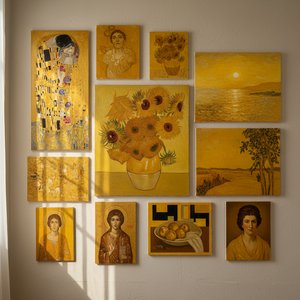
Top 10 Sławnych Obrazów w Odcieniach Ochry Żółtej – Sztuka i Dekoracja Domu
Odkryj 10 najsłynniejszych obrazów w odcieniach ochry żółtej! Van Gogh, Monet i inni mistrzowie. Poznaj historię sztuki, inspiracje kolorystyczne i techniki malarskie. Reprodukcje najwyższej jakości na OriginalUniqueArt.com – udekoruj swój dom arcydziełami!

Romantyczny Krajobraz w Malarstwie: 10 Arcydzieł, Które Zdefiniowały Epokę | OriginalUniqueArt.com
Odkryj 10 arcydzieł romantyzmu w malarstwie! Poznaj historie Caspara Davida Friedricha, Turnera i innych mistrzów. Inspiracje wnętrzarskie & reprodukcje obrazów najwyższej jakości na OriginalUniqueArt.com. Eksploruj kolekcję online!

Echa Miejsca: Historyczna Podróż przez Sztukę Krajobrazu
Odkryj historię sztuki krajobrazu – od romantycznych wizji Friedricha po surrealistyczne pejzaże Dalego. Analizy, inspiracje i reprodukcje obrazów najwyższej jakości na OriginalUniqueArt.com.

John Constable: 25 Najlepszych Obrazów Mistrza Angielskiego Krajobrazu | OriginalUniqueArt
Odkryj 25 arcydzieł Johna Constable'a – mistrza angielskiego krajobrazu! Poznaj romantyczne pejzaże, technikę malarską i inspiracje z Dedham Vale. Reprodukcje obrazów najwyższej jakości na OriginalUniqueArt.com. Eksploruj pełną kolekcję online!

![Wiejska Dziewczyna [La Fille de Ferme]](/media/artworks/images-thumb/f7/ec/f7ec22076278b277518a6b65501fcf55.jpg)