
 Podgląd w skali
 Wyślij jako kartkę
 Udostępnij
 Szczegóły dzieła

 Pobierz
 Podobne obiekty
 RTG
RTG Pokaz slajdów
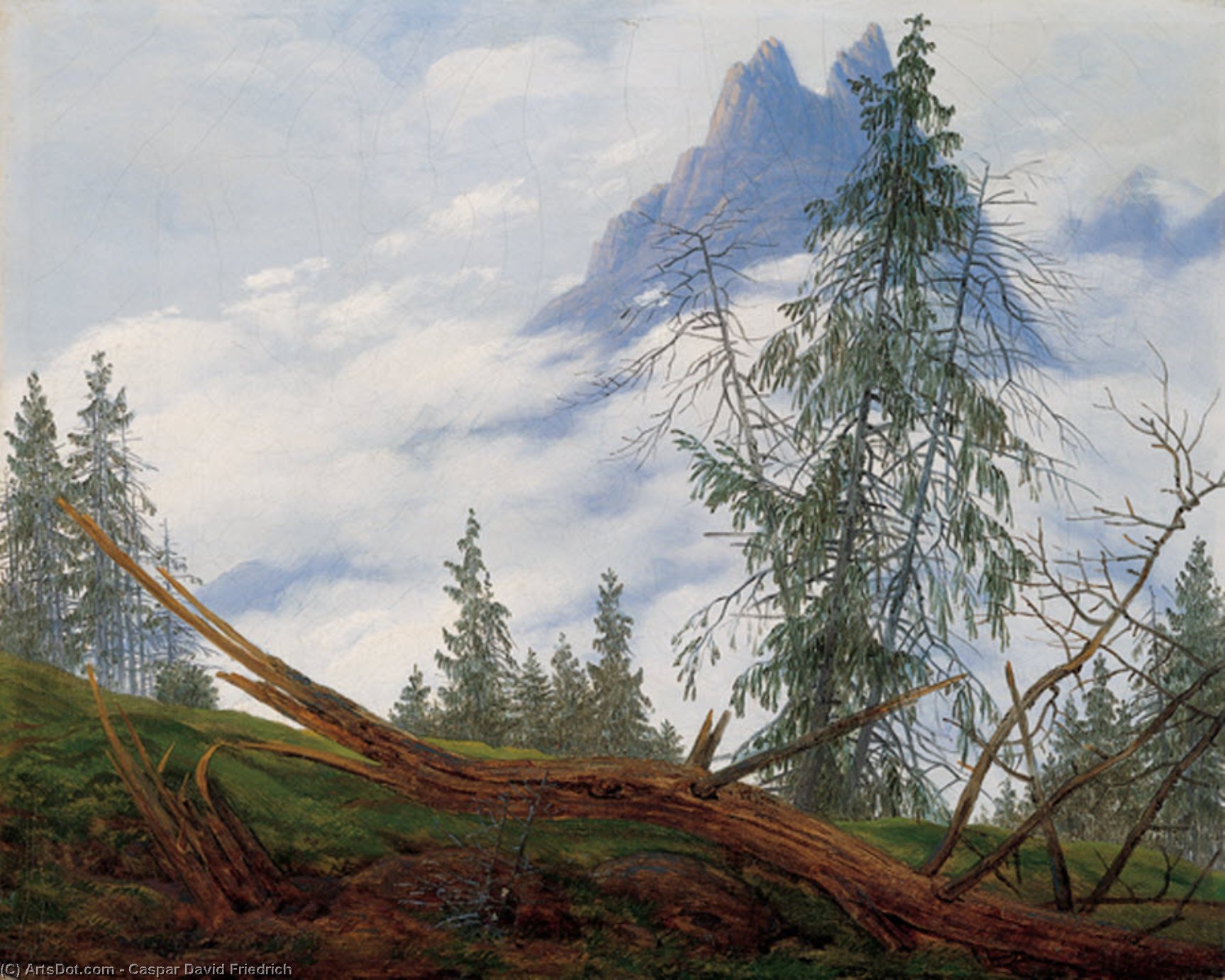
Mountain Peak with Drifting Clouds

 Rozwiń treść
Kup wysokiej rozdzielczości, ulepszony obraz cyfrowy o znacznie wyższej jakości niż podgląd online.
Każdy plik jest starannie przygotowywany przez naszych specjalistów przy użyciu zaawansowanych narzędzi oraz profesjonalnej, ręcznej retuszy. Dbamy o to, aby każdy obraz cechował się wyjątkową ostrością, precyzyjnym odwzorowaniem kolorów i subtelnymi detalami.
Ostateczny plik dostarczany jest drogą mailową w ciągu 72 godzin, zoptymalizowany do natychmiastowego wykorzystania w profesjonalnych zastosowaniach redakcyjnych i poligraficznych. To ta sama jakość, której ufają czołowe studia projektowe, wydawnictwa oraz galerie sztuki.
Obraz cyfrowy
Pobierz plik o wysokiej rozdzielczości do osobistego wyświetlania, druku oraz projektów kreatywnych. ( Zamów wydruk Zamów ręcznie malowaną reprodukcję)
W każdym zamówieniu na obraz cyfrowy znajduje się
Profesjonalna dostawa cyfrowa z gwarancją
Wybierając OriginalUniqueArt.com, nie otrzymujesz jedynie obrazu – otrzymujesz profesjonalnie udoskonalone cyfrowe dzieło sztuki, stworzone z najwyższą precyzją i objęte gwarancją satysfakcji. Oto wszystko, co automatycznie dołączane jest do Twojego zamówienia:

Błyskawiczna wysyłka e-mailowa
Plik z obrazem cyfrowym w wysokiej rozdzielczości zostanie przesłany na Twój adres e-mail w ciągu 72 godzin od złożenia zamówienia – gotowy do natychmiastowego użycia.

Plik cyfrowy wzbogacony przez AI
Twoja grafika została profesjonalnie zoptymalizowana przy użyciu zaawansowanych narzędzi AI oraz ręcznej edycji, co zapewnia maksymalną szczegółowość, klarowność i wierność kolorów.

Dożywotnia darmowa ponowna dostawa
Przypadkowo usunąłeś lub zgubiłeś swój plik? Bez obaw – prześlemy go Tobie ponownie w dowolnym momencie, bez żadnych opłat.

Bez opłat importowych – zawsze
Ciesz się swoją sztuką natychmiast, bez żadnych opłat celnych, należności ani kosztów dostawy – pliki cyfrowe są zawsze wolne od podatku.

Gwarancja wierności kolorów
Dzięki zastosowaniu profesjonalnych narzędzi i procesów zarządzania barwą zapewniamy, że Twoje cyfrowe zdjęcie odzwierciedla oryginalne kolory tak wiernie, jak to tylko możliwe.

60-dniowa gwarancja satysfakcji
Jeśli nie będziesz zadowolony ze swojego cyfrowego obrazu, dokonamy jego poprawki lub zwrócimy 100% kosztów w ciągu 60 dni – bez żadnych pytań.

100% Gwarancja zwrotu pieniędzy
Nie jesteś zadowolony? Otrzymaj pełny zwrot kosztów w ciągu 60 dni od otrzymania pliku cyfrowego – bez zbędnych pytań.

Rabaty przy zamówieniach hurtowych
Kup 3 obrazy, oszczędź 10% - Kup 5, oszczędź 15% - Kup 10+, oszczędź 20%. Idealne do projektów kreatywnych, galerii i agencji.
Opis kolekcjonerski
Introduction to Caspar David Friedrich and the Romantic Movement
Caspar David Friedrich (1774-1840) was a German painter who is widely regarded as one of the most important artists of the Romantic movement. The Romantics were a group of artists, writers, and musicians who rejected the rationalism and classicism of the Enlightenment in favor of emotion, imagination, and individuality. Friedrich's paintings are characterized by their evocative use of light and shadow, their emphasis on nature as a source of spiritual inspiration, and their exploration of the relationship between the human experience and the natural world.The Painting: "Mountain Peak with Drifting Clouds"
One of Friedrich's most famous works is "Mountain Peak with Drifting Clouds," a stunning oil painting that captures the majesty and mystery of the natural world. The painting depicts a rugged mountain peak rising above a sea of clouds, with a few scattered trees clinging to the rocky slopes. The sky overhead is clear and bright, but the foreground is shrouded in mist, creating an air of mystery and otherworldliness. Mountain Peak with Drifting Clouds is a prime example of Friedrich's masterful use of light and shadow. The sun casts a warm glow over the mountain peak, highlighting its rugged texture and making it stand out against the cool blues and grays of the sky and clouds. At the same time, the shadows in the foreground create a sense of depth and distance, drawing the viewer's eye deeper into the painting and creating a feeling of immersion in the natural world.Interpreting "Mountain Peak with Drifting Clouds"
Like many Romantic artists, Friedrich believed that nature was a source of spiritual inspiration and transcendence. In "Mountain Peak with Drifting Clouds," he invites the viewer to contemplate the sublime beauty of the natural world and to experience a sense of awe and wonder. The painting's misty foreground creates a sense of mystery and otherworldliness, suggesting that there is more to the world than meets the eye. At the same time, the rugged mountain peak in the center of the painting serves as a symbol of human aspiration and ambition. The peak is challenging and difficult to reach, but it is also a source of inspiration and motivation. For Friedrich, the mountain peak represents the human spirit's capacity for growth, transformation, and transcendence.Conclusion
"Mountain Peak with Drifting Clouds" is a masterpiece of Romanticism that showcases Caspar David Friedrich's masterful use of light and shadow, his emphasis on nature as a source of spiritual inspiration, and his exploration of the relationship between the human experience and the natural world. The painting invites us to contemplate the sublime beauty of the natural world and to experience a sense of awe and wonder. At the same time, it reminds us of our own capacity for growth, transformation, and transcendence. If you're interested in learning more about Caspar David Friedrich and his work, be sure to check out our collection of hand-painted reproductions of his paintings, including "Mountain Peak with Drifting Clouds." Our team of skilled artists has meticulously recreated each painting using traditional oil painting techniques, ensuring that every detail is captured with stunning accuracy and vibrancy. Whether you're a collector, a scholar, or simply an art lover, our reproductions are the perfect way to experience the beauty and power of Friedrich's work in your own home or office.Biografia artysty
A Solitary Vision: The Life and Art of Caspar David Friedrich
Born in the Baltic port city of Greifswald in 1774, Caspar David Friedrich’s life was steeped in a melancholic atmosphere that would profoundly shape his artistic vision. His early years were marked by loss – the deaths of his mother and siblings cast a long shadow, fostering a sensitivity to mortality and transience that became central themes in his work. Initially educated by his older brother Christian in drawing, Friedrich’s formal training began at the University of Leipzig, where he pursued both art and theology, though neither degree was completed. This dual interest – a fascination with the visual world alongside a deep spiritual questioning – would prove crucial to his development as an artist. Further studies in Copenhagen honed his technical skills, exposing him to landscape painting traditions that would serve as a foundation for his unique style, yet it was not imitation he sought but rather expression—a means of conveying inner emotional states through the language of nature.The Birth of Romantic Landscape
Friedrich’s artistic journey wasn't merely about depicting scenery; it was about imbuing landscapes with profound symbolic meaning. He moved away from the meticulous detail favored by earlier artists, embracing a more personal and expressive approach. His paintings are characterized by an emphasis on the sublime – evoking feelings of awe, terror, and spiritual connection in the face of nature’s grandeur. The use of *Rückenfiguren*, figures seen from behind, became a signature element, inviting viewers to step into the scene and share in the contemplative experience. Natural elements like ancient trees, towering mountains, swirling fog, and crumbling ruins weren't simply picturesque details; they were potent symbols representing life’s cycles, spiritual longing, and the weight of history. His palette, often muted with blues, grays, and browns, further enhanced the mood of introspection and solemnity that pervades his work. He pioneered a way to depict landscapes not as mere views but as reflections of the human soul—a revolutionary concept for its time.Iconic Works and Enduring Themes
Several paintings stand out as defining examples of Friedrich’s artistic achievement. “The Abbey in the Oakwood” (1809-1810), a haunting image of a ruined churchyard enveloped by bare trees, speaks powerfully to themes of mortality and spiritual decay. It exemplifies his masterful use of light and shadow to convey emotion and invites contemplation on the passage of time. Perhaps his most famous work, “Wanderer Above the Sea of Fog” (c. 1818), encapsulates the Romantic ideal of the individual confronting the vastness and mystery of existence. The figure, silhouetted against a swirling sea of mist, embodies both human aspiration and insignificance—a poignant reminder of our vulnerability in the face of nature’s immensity. “Chalk Cliffs on Rügen” (1818) demonstrates his mastery of atmospheric effects and subtly conveys a sense of national identity—a growing concern in the fragmented political landscape of early 19th-century Germany. The composition draws inspiration from Dutch landscape painters like Jacob van Ruisdael, reflecting Friedrich’s admiration for classical artistic traditions. Even more dramatic is “The Sea of Ice” (1824), a chilling depiction of an Arctic wasteland, representing nature’s immense power and indifference to human fate—a testament to the sublime and Friedrich's ability to capture the psychological impact of confronting overwhelming natural forces. Recurring throughout his oeuvre are themes of nature as a manifestation of the divine, the fragility of humanity in the face of cosmic forces, melancholy, solitude, spiritual yearning, and a burgeoning sense of German nationalism.Influences and Artistic Development
Friedrich’s artistic development was shaped by several key influences. He studied under Johann Christian Dahl, whose landscapes instilled in him a fascination with atmospheric perspective and tonal modulation—techniques he would skillfully employ throughout his career. Furthermore, Friedrich engaged deeply with the philosophical ideas of Immanuel Kant, particularly Kant's concept of transcendental idealism, which questioned the certainty of human perception and emphasized the role of imagination in shaping our experience. These intellectual currents informed his artistic vision, prompting him to explore the relationship between mind and nature—a central preoccupation that distinguishes his work from earlier landscape painters. He rejected academic conventions, prioritizing emotional expression over precise representation, establishing himself as a pioneer of Romantic art.Legacy and Rediscovery
Caspar David Friedrich’s art resonated deeply with audiences during his lifetime, though it wasn't universally appreciated. Despite facing criticism for perceived obscurity and lack of technical virtuosity, he achieved considerable renown among fellow artists and intellectuals. However, Friedrich experienced a significant rediscovery in the late 20th century, becoming widely recognized as one of the most important figures in German Romanticism—a movement that profoundly impacted European art and culture. His emphasis on subjective experience and emotional expression paved the way for later movements like Symbolism and Surrealism, influencing generations of artists who sought to explore the inner world through visual means. He remains a pivotal figure whose work continues to inspire awe and contemplation, reminding us of the profound connection between humanity and the natural world—a connection that Friedrich eloquently captured in his unforgettable landscapes.
Caspar David Friedrich
1774 - 1840 , Niemcy
Krótka nota
- Artistic Movement Or Style: Romantyzm
- Artists Or Movements Influenced By This Artist:
- Symbolizm
- Surrealizm
- Artists Who Influenced This Artist:
- Holenderscy Mistrzowie
- J.C. Dahl
- Date Of Birth: 5 września 1774
- Full Name: Caspar David Friedrich
- Nationality: Niemiec
- Notable Artworks:
- Abbey w Oleśnicy
- Wędrowiec nad Morzem Mgły
- Żwiry Rugii
- Place Of Birth: Greifswald, Niemcy

