Text size

() ·

A painting made for you, by hand

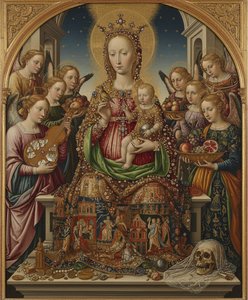
St Jerome and St Augustine (detail)

Ręcznie malowana reprodukcja olejowa

Ręcznie malowany obraz olejny na płótnie, wykonany na zamówienie przez naszych artystów w wybranym przez Ciebie wymiarze i oprawie. ( Przełącz na wydania drukowane Przejdź do wersji cyfrowej)

Opis obiektu

Explore Carlo Crivelli’s "St Jerome & St Augustine" (1490) – a stunning Renaissance oil painting showcasing intricate detail, symbolism, and rich colors. Discover its beauty!

Biografia artysty

Carlo Crivelli (1435-1495) był weneckim malarzem renesansowym, znanym z bogatego stylu późnogotyckiego, technik trompe l'oeil i dzieł religijnych, takich jak Madonny. Poznaj jego sztukę i dziedzictwo.

from ·

Chapter 1

How large should it be?

Slide to change the size; the picture on the left shows the frame at its real width. The proportions of the original are kept.

Standardowy format
personalizowane
CM
INCH

Wybierz spośród naszych standardowych rozmiarów, które zachowują oryginalne proporcje dzieła sztuki.

szerokość
wysokość

Wpisz wymaganą szerokość i wysokość, aby obraz pasował do Twojej ramy lub ściany. Ponieważ jest to dzieło malowane ręcznie, w przypadku rozmiaru o innych proporcjach artysta może domalować nieco więcej wokół obrazu lub przyciąć jego fragmenty — wybór należy do Ciebie. Przed rozpoczęciem pracy prześlemy Ci cyfrową wizualizację do zatwierdzenia. Obraz widoczny na tej stronie nie przedstawia rzeczywistego efektu — jedynie wizualizacja oddaje realny rezultat.

Chapter 2

How should it arrive?

Choose the edges of the stretched canvas

Choose your frame

Corner sample of the WhiteWrap canvas edge finish, stretched on lite drewno bars
White zł1
Corner sample of the BlurSideWrap canvas edge finish, stretched on lite drewno bars
Blurside zł1
Corner sample of the ExtendedWrap canvas edge finish, stretched on lite drewno bars
Extended zł1
Corner sample of the P118B picture frame: polistyren formowany, 5 cm wide and 3 cm thick
P118B zł10
Corner sample of the P118H picture frame: polistyren formowany, 5 cm wide and 3 cm thick
P118H zł10
Corner sample of the P118W picture frame: polistyren formowany, 5 cm wide and 3 cm thick
P118W zł10
Corner sample of the P438Z picture frame: polistyren formowany, 5.5 cm wide and 3.5 cm thick
P438Z zł10
Corner sample of the P508JH picture frame: polistyren formowany, 7 cm wide and 3.5 cm thick
P508JH zł12
Corner sample of the P508YH picture frame: polistyren formowany, 7 cm wide and 3.5 cm thick
P508YH zł12
Corner sample of the P805H picture frame: polistyren formowany, 5 cm wide and 3.5 cm thick
P805H zł10
Corner sample of the P805Z picture frame: polistyren formowany, 5 cm wide and 3.5 cm thick
P805Z zł10
Corner sample of the P919BZ picture frame: polistyren formowany, 7 cm wide and 3.5 cm thick
P919BZ zł10
Corner sample of the P919G picture frame: polistyren formowany, 7 cm wide and 3.5 cm thick
P919G zł10
Corner sample of the P919XJ picture frame: polistyren formowany, 7 cm wide and 3.5 cm thick
P919XJ zł10
Corner sample of the P959ZH picture frame: polistyren formowany, 5 cm wide and 3 cm thick
P959ZH zł10
Corner sample of the P968JZ picture frame: polistyren formowany, 6 cm wide and 4 cm thick
P968JZ zł12
Corner sample of the W106C picture frame: lite drewno, 5 cm wide and 3 cm thick
W106C zł8
Corner sample of the W218G picture frame: lite drewno, 5 cm wide and 3 cm thick
W218G zł10
Corner sample of the W218JH picture frame: lite drewno, 5 cm wide and 3 cm thick
W218JH zł8
Corner sample of the W218Y picture frame: lite drewno, 5 cm wide and 3 cm thick
W218Y zł10
Corner sample of the W307PJ picture frame: lite drewno, 6 cm wide and 3 cm thick
W307PJ zł10
Corner sample of the W316G picture frame: lite drewno, 6 cm wide and 3 cm thick
W316G zł10
Corner sample of the W316PJ picture frame: lite drewno, 6 cm wide and 3 cm thick
W316PJ zł8
Corner sample of the W316Y picture frame: lite drewno, 6 cm wide and 3 cm thick
W316Y zł10
Corner sample of the W398PJ picture frame: lite drewno, 5 cm wide and 3 cm thick
W398PJ zł8
Corner sample of the W4111J picture frame: lite drewno, 6.5 cm wide and 3.5 cm thick
W4111J zł10
Corner sample of the W500HY picture frame: lite drewno, 7 cm wide and 5 cm thick
W500HY zł15
Corner sample of the W500JH picture frame: lite drewno, 7 cm wide and 5 cm thick
W500JH zł15
Corner sample of the W692G picture frame: lite drewno, 8 cm wide and 4 cm thick
W692G zł12
Corner sample of the W849H picture frame: lite drewno, 5 cm wide and 3 cm thick
W849H zł8
Corner sample of the W940BG picture frame: lite drewno, 7.5 cm wide and 4.5 cm thick
W940BG zł15
Corner sample of the W953PJ picture frame: lite drewno, 6 cm wide and 3.5 cm thick
W953PJ zł8
Corner sample of the H24-GOLD picture frame: rzeźbione drewno pokryte gipsem, 10 cm wide and 6 cm thick
H24-GOLD zł30
Corner sample of the H24-SILVER picture frame: rzeźbione drewno pokryte gipsem, 10 cm wide and 6 cm thick
H24-SILVER zł30
Corner sample of the H36-GOLD picture frame: rzeźbione drewno pokryte gipsem, 15 cm wide and 6.5 cm thick
H36-GOLD zł45
Corner sample of the H36-SILVER picture frame: rzeźbione drewno pokryte gipsem, 15 cm wide and 6.5 cm thick
H36-SILVER zł45

Moulding: . Overall size with the frame: .

Chapter 3

Who paints it, and should anything change?

Examples of what can be changed: Replace face with customer photo; Add pet (e.g., replace cat with dog); Include hidden message in background; Change background landscape or elements.
After order, OriginalUniqueArt.com team will email client for instructions and provide a mockup preview

Dostawa na całym świecie () w ciągu 3–4 tygodni zamiast standardowych 5 tygodni. (3 Listopad). Bez kompromisów w kwestii jakości.

Chapter 4

The finishing touches

A nameplate, as in a museum?

Szczegóły grawerowanej brązowej tabliczki

This elegant plaque features the artist's name and the title of the artwork, finely engraved for a timeless presentation.

It is made from bronze with a refined, elegant finish. The text is precisely laser-engraved for a sharp and permanent result. Measuring 9x2 cm, the plaque is compact yet easy to read. It's built to be durable and scratch-resistant, offering a professional, museum-quality look. Mounting is simple thanks to the included adhesive backing.

Szczegóły przezroczystej tabliczki akrylowej

The plaque includes essential engraved details such as the artist's name, the title of the artwork, the date it was created, the type of media used-like oil on canvas or watercolor-a brief description of the piece, and a QR code that links to the complete artwork information.

It is crafted from clear acrylic, offering a sleek, modern appearance. The text is UV-engraved in black to ensure strong visual contrast. With a size of 10x15 cm, it ensures optimal readability. It comes equipped with two metal hooks for secure wall mounting. The plaque is designed to be weather-resistant, making it suitable for various environments, and it includes interactive features that work seamlessly with smartphone scanning.

Szczegóły czarnej tabliczki akrylowej

This elegant plaque includes engraved information such as the artist's name, the title of the artwork, the date it was created, the type of media used (like oil on canvas or watercolor), a short description of the artwork, and a QR code for quick access to more information.

The plaque itself is made from refined black acrylic with a premium finish. The text is laser-engraved in white for high contrast and readability. Its size is 10x15 cm, designed to be easy to read. It comes with two metal hooks for professional mounting. The design is sleek and fits any interior style. It is also weather-resistant and durable, with built-in digital integration for mobile compatibility.

A protective varnish?

When do you need it?

Chapter 5

Your painting, as you ordered it

St Jerome and St Augustine (detail)

Technika reprodukcji

Wymiary reprodukcji

-

Wybitny mistrz artystyczny

Większa szczegółowość, finezja i dodatkowy czas na realizację

-

Opcje oprawy reprodukcji

-

-

W przypadku dzieł sztuki lub reprodukcji, których którykolwiek z boków przekracza 105 cm (około 41 cali), rama zostanie wysłana w formie zestawu do samodzielnego montażu. Metoda ta zapewnia bezpieczną dostawę i zapobiega uszkodzeniom podczas transportu.

Wymagany profesjonalny montaż – nie jest to produkt typu DIY.
Zestaw musi zostać złożony, a płótno naciągnięte przez doświadczonego profesjonalnego ramiarza, przy użyciu kleju do drewna (brak w zestawie), kleszczy do naciągania płótna oraz ścisków, które utrzymają krosna w równej pozycji podczas schnięcia kleju. Nieprawidłowy montaż lub nierównomierne napięcie płótna może trwale uszkodzić dzieło sztuki i nie podlega naszej gwarancji.

  • W zestawie znajdują się wszystkie listwy z litego drewna, precyzyjnie docięte do wymiarów.

  • Montaż odbywa się przy użyciu dołączonych wkrętów oraz kleju do drewna do łączenia narożników, którego zestaw nie zawiera i który musi zostać dostarczony przez ramiarza.

  • Wymagane są profesjonalne narzędzia, których nie ma w zestawie: kleszcze do naciągania płótna (napinacz) oraz zaciski, które pozwolą utrzymać listwy w równej pozycji podczas schnięcia kleju.

Ważne:
Do połączenia narożników niezbędny jest klej do drewna, listwy należy unieruchomić za pomocą ścisków do momentu całkowitego wyschnięcia kleju, a naciągnięcie płótna na złożoną ramę wymaga użycia kleszczy do naciągania płótna. Żaden z tych elementów nie jest dołączony do zestawu. Przed zamówieniem tego rozmiaru zalecamy konsultację z doświadczonym ramiarzem.

Etykieta obiektu

-

-

Lakier ochronny

Lakier z połyskiem (pogłębia kolory, chroni przed światłem i wilgocią)

-

Personalizacja dzieła

Przykłady możliwości personalizacji: zastąp twarz zdjęciem klienta; dodaj zwierzę domowe (np. zamień kota na psa); umieść ukrytą wiadomość w tle; zmień krajobraz lub elementy tła.

-

Ekspresowa

Dostawa na cały świat () w ciągu 3–4 tygodni zamiast standardowych 5 tygodni. (3 Listopad). Bez kompromisów w kwestii jakości.

-

Przesyłka ekspresowa

Dostawa na cały świat () w ciągu 5 tygodni. (10 Listopad).

W cenie

Cena całkowita

zł 1266

Suma całkowita zł 1266

Opcja ze szkłem jest dostępna wyłącznie w rozmiarach poniżej 110 cm

Included with every order

  • Bezpłatna ekspresowa wysyłka na cały świat
  • Wysokiej jakości płótno lniane
  • Pełne ubezpieczenie przesyłki
  • Gwarancja zwrotu należności celnych i podatków importowych
  • Gwarancja wiernego odwzorowania kolorów
  • 100-dniowa polityka zwrotów (tylko w przypadku wad)
  • Gwarancja 100% zwrotu pieniędzy
  • Zniżka przy zakupie wielu sztuk

A Renaissance Dialogue of Faith and Wisdom

Carlo Crivelli’s “St. Jerome and St. Augustine,” painted around 1490, isn't merely a depiction of two revered figures; it’s a carefully constructed tableau of intellectual and spiritual contemplation, steeped in the late Gothic sensibilities of Renaissance Venice. The painting immediately draws the eye with its rich palette – deep reds and browns dominate, creating an atmosphere of solemnity and introspection, punctuated by the shimmering gold of the background and the vibrant hues of the garments. Crivelli masterfully employs a technique that balances meticulous detail with a sense of ethereal beauty, characteristic of his style which he developed after leaving Venice.

The composition is strikingly intimate, framing the two saints within a shallow space that invites close observation. Jerome, identifiable by his lion skin and quill pen, sits in deep thought, seemingly lost in prayer or contemplation. His posture exudes quiet intensity, while Augustine, clad in the robes of a bishop, gestures with an open book – a potent symbol of knowledge and divine revelation. The miniature architectural model at Augustine’s feet isn't simply decorative; it represents the power and authority of the papacy, subtly reinforcing the theme of earthly and spiritual governance. The inclusion of the lion, a recurring motif in Crivelli’s work, adds an element of primal instinct and strength to the scene, grounding the intellectual pursuits of the saints within the realm of human experience.

Craftsmanship and Venetian Influence

Crivelli's mastery lies not only in his subject matter but also in his technical execution. The painting is executed in tempera on wood, a medium favored by artists during this period for its luminosity and ability to achieve fine detail. Notice the layering of glazes – thin washes of color applied over dry layers – that create depth and richness in the fabrics and textures. The artist’s attention to detail is remarkable; from the intricate folds of the robes to the delicate rendering of Jerome's beard, every element contributes to a sense of realism and immediacy. The use of *trompe-l'oeil* techniques—the illusion of three-dimensionality—is particularly evident in the miniature building, which seems to leap out from the surface of the panel.

Crivelli’s Venetian training is undeniable, yet he forged a distinct style that set him apart from his contemporaries. While influenced by the meticulous realism of artists like Squarcione and the decorative elegance of Vivarini, Crivelli infused his work with a greater sense of emotional intensity and psychological depth. This painting exemplifies this shift – it’s not just a portrait of two saints; it's an exploration of their inner lives and the profound questions they grappled with.

Symbolism and Spiritual Resonance

Beyond the immediate depiction of Jerome and Augustine, the painting is laden with symbolic meaning. Jerome, traditionally associated with writing and contemplation, represents the pursuit of wisdom through scripture. Augustine, a pivotal figure in Christian theology, embodies faith, reason, and the struggle to reconcile divine revelation with human experience. The presence of the lion symbolizes strength and vigilance, while the open book signifies the importance of knowledge and learning. The overall composition suggests a dialogue between these two figures – a conversation between intellect and spirituality, earthly authority and divine grace.

Considered within the context of 1490s Venice, a city grappling with political upheaval and religious reform, “St. Jerome and St. Augustine” offers a poignant reflection on the challenges of navigating faith and reason in a turbulent world. It’s a testament to Crivelli's skill as an artist and his ability to capture the complexities of human experience within a framework of profound spiritual significance. Reproductions of this work continue to resonate with viewers today, offering a glimpse into the artistic and intellectual currents of the Renaissance.

Pytania i odpowiedzi

Czy "St Jerome and St Augustine (detail)" to jedno z najpopularniejszych dzieł Carlo Crivelli?

Poziom popularności dzieła „St Jerome and St Augustine (detail)” – Carlo Crivelli określany jest jako Recognized. Klasyfikacja ta odzwierciedla stopień rozpoznawalności tego dzieła.

W jakiej technice wykonano „St Jerome and St Augustine (detail)” – Carlo Crivelli?

Technika wykonania dzieła „St Jerome and St Augustine (detail)” – Carlo Crivelli to Oil. Reprodukcje mają na celu wierne oddanie wyglądu tej techniki.

Do jakiego pomieszczenia polecane jest dzieło „St Jerome and St Augustine (detail)” – Carlo Crivelli?

Dzieło „St Jerome and St Augustine (detail)” – Carlo Crivelli jest rekomendowane do Living Room. Sugestia ta opiera się na tematyce, kolorystyce oraz nastroju pracy.

More about this painting

Podgląd w skali 1:1 Podgląd AR Przełącz na wydania drukowane Przejdź do wersji cyfrowej Wyślij jako kartkę
Szczegóły dzieła Przewodnik Dodaj do ulubionych Pobierz obraz Podobne obiekty RTG Pokaz slajdów Q&A Statystyki

In numbers

  • 1490the year it was painted
  • 29frames to choose from
  • standard sizes, in its own proportions
  • 5weeks to paint and deliver it
Carlo Crivelli

Carlo Crivelli

1435 - 1495, Włochy

Quick facts about Carlo Crivelli

  • Artistic Movement Or Style: Późny gotyk/Renesans
  • Artists Or Movements Influenced By This Artist: ['Giovanni Bellini']
  • Artists Who Influenced This Artist:
    • Jacobello del Fiore
    • Vivarini
    • Squarcione
    • Mantegna
  • Date Of Birth: ok. 1430-35 Wenecja
  • Date Of Death: ok. 1495 Włochy
  • Full Name: Carlo Crivelli
  • Nationality: Włoska
  • Notable Artworks:
    • Madonna z Dzieciątkiem
    • Święty Bartłomiej
    • Święty Roch
  • Place Of Birth: Wenecja, Włochy

Biografia artysty

wczesne życie i kształcenie

Carlo Crivelli, włoski malarz renesansowy, przyszedł na świat w Wenecji około lat 1430-35. Wywodząc się z rodziny malarskiej, swoją artystyczną formację zdobywał w Wenecji oraz Padwie. Uważa się, że jego wczesne nauki odbywały się pod okiem Jacobello del Fiore, który pozostawał aktywny w 1436 roku. Artysta kształcił się również w szkole Vivariniego w Wenecji.

kariera i styl

Swoje wczesne lata Crivelli spędził w regionie Veneto, chłonąc wpływy płynące od Vivariniego, Squarcione oraz Mantegny. Około 1458 roku opuścił Veneto i większość swojej kariery poświęcił Marchii Ancony, gdzie wypracował niezwykle charakterystyczny, osobisty styl, stanowiący wyraźną przeciwwagę dla twórczości jego weneckiego współczesnego, Giovanniego Belliniego. Twórczość Crivelliego wyróżnia się konserwatywną, późnogotycką wrażliwością dekoracyjną, nacechowaną linearnością, niezwykłą dbałością o detal oraz mistrzowskim wykorzystaniem technik trompe l'oeil.

wybitne dzieła i współpraca

* Malarstwo Carlo Crivelliego pt. „Madonna z Dzieciątkiem na tronie” (106 x 55 cm, Muzeum Sztuk Pięknych w Budapeszcie, Węgry) stanowi doskonały przykład jego stylu. * Artysta współpracował przy wielu projektach ze swoim młodszym bratem, Vittorio Crivellim. * Jego uczniem i współpracownikiem był również Pietro Alemanno, malarz, który przybył do Marchii Ancony z terenów Niemiec lub Austrii.

muzea i kolekcje

* W Pinacotece di Brera w Mediolanie, we Włoszech, znajduje się kilka dzieł Crivelliego, w tym „Pietà” (128 x 241 cm). * Muzeum San Giovanni in Bragora w Wenecji, we Włoszech, posiada kolekcję dzieł sztuki z różnych epok i stylów, w tym prace przypisywane Crivelliemu.

Dziedzictwo Crivelliego nieustannie inspiruje zarówno miłośników sztuki, jak i uczonych, a jego twórczość pozostaje świadectwem trwałej mocy konserwatywnej, późnogotyckiej wrażliwości dekoracyjnej.

Najważniejsze informacje

  • Subject or theme: Religious figures
  • Movement: Renaissance
  • Notable elements or techniques: Trompe l'oeil, rich colors
  • Medium: Oil on canvas
  • Year: 1490

Quiz o sztuce

Do każdego pytania dotyczy tylko jedna poprawna odpowiedź.

Pytanie 1:
What is the primary subject matter depicted in Carlo Crivelli’s ‘St Jerome and St Augustine (detail)’?
Pytanie 2:
Which artistic movement is most closely associated with Carlo Crivelli’s style?
Pytanie 3:
The image description highlights a specific technique used by Crivelli. What is it?
Pytanie 4:
According to the provided information, in what region of Italy did Carlo Crivelli spend most of his career?
Pytanie 5:
What symbolic element is prominently featured in the image, representing authority and knowledge?
Odkryj dzieła sztuki uporządkowane według tematów, stylów i cech charakterystycznych.