

 Zobacz w skali 1:1
 Wyślij
 Udostępnij
 Szczegóły
 Przewodnik

 Pobierz plik obrazu
 Podobne obiekty
 RTG
RTG Pokaz slajdów
 Statystyki
Untitled
 Oil On Board
- Futurist Movement
 1915
1915- Early Modern
 44.0 x 24.0 cm
 MAM Rio
 Czytaj więcej
Dzieło sztuki prezentowane na tej stronie podlega ochronie prawem autorskim, co oznacza, że nie mamy prawa do tworzenia ani sprzedaży jego identycznej reprodukcji. Ochrona ta jest egzekwowana na mocy umów międzynarodowych, takich jak Konwencja berneńska oraz przez przepisy prawa krajowego, w tym te określone w Prawo autorskie USA – Tytuł 17.
Jako pełną szacunku i legalną alternatywę oferujemy personalizowane, malowane ręcznie dzieła sztuki inspirowane oryginałem. Nasi wykwalifikowani i profesjonalni artyści starannie analizują styl, nastrój oraz artystyczną esencję pierwowzoru, aby stworzyć nowe, unikalne dzieło, które przywołuje te same emocje – pozostając jednocześnie w pełni oryginalną kreacją.
Metoda ta jest w pełni zgodna z przepisami prawa autorskiego, ponieważ nie polega na kopiowaniu ani powielaniu chronionego dzieła. Stanowi ona kreatywną reinterpretację – nowy obraz, który czerpie inspirację z oryginału, ale nie jest z nim tożsamy.
Ręcznie malowana reprodukcja olejowa
Ręcznie malowany obraz olejny na płótnie, wykonany na zamówienie przez naszych artystów w wybranym przez Ciebie wymiarze i oprawie. ( Przełącz na wersję drukowaną Przełącz na wersję cyfrową)




P118B zł10

P118H zł10

P118W zł10

P438Z zł10

P508JH zł12

P508YH zł12

P805H zł10

P805Z zł10

P919BZ zł10

P919G zł10

P919XJ zł10

P959ZH zł10

P968JZ zł12

W106C zł8

W218G zł10

W218JH zł8

W218Y zł10

W307PJ zł10

W316G zł10

W316PJ zł8

W316Y zł10

W398PJ zł8

W4111J zł10

W500HY zł15

W500JH zł15

W692G zł12

W849H zł8

W940BG zł15

W953PJ zł8




Wybierz spośród naszych standardowych rozmiarów, które zachowują oryginalne proporcje dzieła sztuki.

Wpisz wymaganą szerokość i wysokość, aby obraz pasował do Twojej ramy lub ściany. Ponieważ jest to dzieło malowane ręcznie, w przypadku rozmiaru o innym proporcji artysta może domalować nieco więcej wokół obrazu lub przyciąć fragmenty — wybór należy do Ciebie. Przed rozpoczęciem pracy prześlemy Ci cyfrową wizualizację do zatwierdzenia. Obraz widoczny na tej stronie nie przedstawia rzeczywistego efektu — jedynie wizualizacja oddaje realny rezultat.
Po złożeniu zamówienia zespół OriginalUniqueArt.com skontaktuje się z klientem drogą mailową w celu uzyskania instrukcji i prześle wizualizację projektu
Dostawa na całym świecie () w ciągu 3–4 tygodni zamiast standardowych 5 tygodni. (23 Październik). Bez kompromisów w kwestii jakości.

Bezpłatna ekspresowa wysyłka na cały świat

Wysokiej jakości płótno lniane

Pełne ubezpieczenie transportowe

Gwarancja zwrotu należności celnych i podatków importowych

Gwarancja idealnego odwzorowania barw

100-dniowy okres na zwrot dzieła w przypadku wykrycia wad produkcyjnych

Gwarancja 100% zwrotu pieniędzy

Oferta przy zakupie wielu sztuk
 Opcja ze szkłem jest dostępna wyłącznie w rozmiarach poniżej 110 cm

Untitled
Technika wykonania
Rozmiar reprodukcji
-


Suma do zapłaty
zł 1155
Carlo Carrà’s “Untitled”: A Fragment of Futurist Rebellion
The painting "Untitled," created by Carlo Carrà in 1915, stands as a haunting testament to the turbulent spirit of Italian Futurism—a movement that sought to shatter artistic conventions and embrace dynamism, speed, and technological advancement. More than just an image on canvas; it’s a distillation of anxieties surrounding the dawn of the Great War and a profound exploration of human form stripped bare by existential questioning. Carrà himself famously declared that he wished to “destroy everything” in order to rebuild it anew, a manifesto that fueled his artistic endeavors throughout his prolific career.- Subject Matter: The composition depicts a man’s torso—a deliberately incomplete figure—positioned against a muted brown background. This stark simplicity is deceptive; the absence of facial features amplifies the sense of isolation and vulnerability, forcing viewers to confront the fundamental human condition.
- Style & Technique: Carrà's approach aligns with the Futurist preoccupation with geometric abstraction and fragmentation. The figure’s torso is rendered in a flattened perspective, reminiscent of Byzantine icons—a deliberate stylistic choice intended to evoke a sense of timelessness and spiritual contemplation amidst the chaos of modern warfare. Carrà employed oil paint on board, utilizing thick impasto strokes that convey texture and physicality, mirroring the materiality of sculpture and rejecting the illusionistic techniques favored by academic painting.
- Historical Context: Painted during the height of World War I, “Untitled” reflects the pervasive fear and uncertainty gripping Europe at the time. Futurists rejected sentimentality and nostalgia for the past, advocating instead for a radical embrace of progress and violence—a worldview encapsulated in their fervent belief that art should serve as a catalyst for societal transformation. Carrà’s work embodies this ethos, presenting a deliberately unsettling image that challenges viewers to contemplate mortality and the fragility of human existence.
- Symbolism: The man's nude torso symbolizes not merely physical vulnerability but also spiritual openness—a willingness to confront the abyss without recourse to comforting illusions. The brown background serves as a grounding element, representing earthiness and stability against which the figure’s incompleteness is accentuated. Carrà’s deliberate omission of facial features underscores the importance of inner experience over outward appearance, suggesting that true understanding resides in confronting one's own limitations.
- Emotional Impact: “Untitled” evokes a palpable sense of melancholy and contemplation—a quiet defiance against the horrors unfolding on the battlefield. The painting compels viewers to grapple with questions of identity, loss, and the inescapable awareness of death. Carrà’s masterful manipulation of form and color achieves an extraordinary feat: conveying profound emotion through minimalist visual language.
Pytania i odpowiedzi
Do jakiego wnętrza polecane jest dzieło „Untitled” autorstwa Carlo Carrà?
Dzieło „Untitled” autorstwa Carlo Carrà jest rekomendowane do Living Room. Sugestia ta opiera się na tematyce, kolorystyce oraz nastroju pracy.
Jakie umiejscowienie najlepiej pasuje do formatu dzieła „Untitled” autorstwa Carlo Carrà?
Dzięki formatowi Tall, reprodukcja dzieła „Untitled” idealnie sprawdzi się w Living Room.
Jakie tematy pojawiają się w „Untitled” autorstwa Carlo Carrà?
Tematyka obecna w „Untitled” autorstwa Carlo Carrà obejmuje painting, man, headlessfigure, greensuit, brownbackground, oilonboard, carlocarrà. Razem stanowią one podsumowanie tematyki dzieła.
Biografia artysty
Early Life and the Seeds of Artistic Rebellion
Carlo Carrà, born in Quargnento near Alessandria, Italy, on February 11, 1881, embarked on a path diverging sharply from academic tradition. His youth was marked by necessity; at twelve years old, he left his family to apprentice as a mural decorator. This formative experience, steeped in the physicality of art-making and craftsmanship, indelibly shaped his artistic sensibilities. It wasn't merely applying paint—it was immersion into color, form, and visual communication. A sojourn to Paris at the turn of the century, decorating pavilions for the Exposition Universelle, exposed him to burgeoning currents of contemporary French art, a crucial awakening that broadened his horizons beyond Italian provincialism. This exposure was followed by a brief period in London, where he encountered exiled Italian anarchists—a political undercurrent subtly informing his early work with themes of social unrest and rebellion. Returning to Milan in 1901, Carrà honed his skills, eventually enrolling at the Brera Academy in 1906, studying under Cesare Tallone. Yet, even within the academy’s structure, a restless spirit persisted, yearning for artistic innovation.Embracing Dynamism: The Futurist Years
The year 1910 proved pivotal. Carrà joined Umberto Boccioni, Luigi Russolo, and Giacomo Balla, signing the manifesto of the Futurist painters—a declaration irrevocably altering Italian art’s course. Futurism was a radical ideology, an explosive celebration of modernity, speed, technology, youth, and the machine age's relentless energy. It rejected the past, embracing dynamism and anticipating a future defined by progress. Carrà’s early Futurist works, such as The Funeral of the Anarchist Galli (1911) and Rhythms of Objects (1911), vividly embody these principles. The Funeral of the Anarchist Galli, a chaotic yet compelling depiction of grief and protest, isn’t merely representation but a visceral experience of movement and emotion. The fractured forms and jarring colors convey the raw energy of the crowd and disruptive political force. Rhythms of Objects further demonstrates his exploration of dynamism, breaking down everyday objects into fragmented shapes suggesting motion and transformation. These paintings weren't about *what* was depicted but *how* it was perceived—a revolutionary approach to representation. Carrà wasn’t just painting scenes; he attempted to capture the very essence of modern life in all its frenetic glory. He sought to express the dynamism of the world around him, rejecting traditional artistic conventions and embracing new visual languages.Influences and Artistic Development
Carrà's artistic development was profoundly shaped by several key influences. His early apprenticeship as a mural decorator instilled in him a deep appreciation for craftsmanship and materiality—values that would permeate his subsequent work. The Impressionist movement, particularly Claude Monet’s landscapes, provided inspiration for his exploration of light and atmosphere. However, it was Cubism—particularly Picasso's pioneering experiments with fractured perspectives—that truly revolutionized Carrà’s artistic vision. He meticulously analyzed Cubist techniques, incorporating geometric forms and multiple viewpoints into his compositions. This influence is evident in paintings like *Boxer* (1913), where he skillfully manipulates space and color to create an unsettling yet captivating effect. Furthermore, Carrà was captivated by Henri Rousseau's primitivism—a rejection of academic idealism in favor of raw emotion and instinctive observation.Metaphysical Painting: A Shift Towards Inner Reflection
Around 1917, Carrà encountered Giorgio de Chirico in Ferrara, marking a decisive turning point in his artistic trajectory. De Chirico’s “Metaphysical Painting”—characterized by unsettling juxtapositions, eerie perspectives, and a dreamlike atmosphere—resonated deeply with Carrà. He began incorporating mannequin imagery into his work, as seen in *The Daughters of Lot* (1919), creating scenes both familiar and disturbing. This period marked a move away from Futurism’s outward dynamism toward an inward exploration of psychological states and existential anxieties. The 1920s and 30s witnessed another evolution as Carrà turned to landscape painting. He developed a more atmospheric style, characterized by flattened perspectives and textured brushwork, exemplified in works like *Morning by the Sea* (1928). This wasn’t a rejection of earlier experimentation but an integration into a new visual language—a quieter, more contemplative approach to art.Legacy and Recognition
Carlo Carrà's contribution to Italian art is undeniable. He was pivotal in both Futurism and Metaphysical Painting, pushing boundaries and challenging norms. His willingness to experiment throughout his career demonstrates remarkable intellectual curiosity and artistic courage. He taught for many years at Milan’s Brera Academy, fostering the next generation of artists and shaping the course of Italian art history. Carrà's paintings continue to inspire admiration for their innovative use of color, form, and perspective—testaments to his enduring legacy as one of Italy’s most influential painters. He passed away in Milan on April 13, 1966, leaving behind a body of work that continues to captivate and inspire generations of artists and art enthusiasts alike.
Carlo Carrà
1881 - 1966 , Włochy
Najważniejsze informacje
- Artistic Movement Or Style: Futurism, Metaphysical art
- Artists Who Influenced This Artist:
- Giorgio de Chirico
- Luigi Russolo
- Umberto Boccioni
- Date Of Birth: Feb 11, 1881
- Date Of Death: Apr 13, 1966
- Full Name: Carlo Carrà
- Nationality: Italian
- Notable Artworks:
- Funeral of Galli
- Rhythms of Objects
- Daughters of Lot
- Place Of Birth: Alessandria, Italy
Zobacz także powiązane artykuły
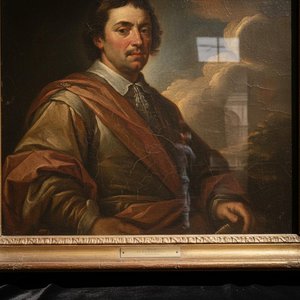
Mastering Oil on Board: The Timeless Appeal of Texture, Durability, and Art Historical Grandeur
Discover the enduring legacy of oil on board painting. Explore how historical techniques, rich impasto textures, and structural durability create timeless masterpieces that bridge Renaissance grandeur with modern art collecting excellence.
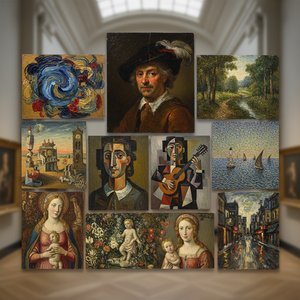
10 Legendarnych Obrazów Olejnych na Desce, Które Zmieniły Sztukę | OriginalUniqueArt
Odkryj 10 legendarnych obrazów olejnych na desce, które zrewolucjonizowały świat sztuki! Van Gogh, Munch i Klimt – poznaj historie arcydzieł impresjonizmu, ekspresjonizmu i realizmu. Znajdź inspiracje do wnętrz i reprodukcje najwyższej jakości na OriginalUniqueArt.com

Olej na desce: Historia techniki, walory estetyczne i trwały urok malarstwa renesansowego i barokowego
Poznaj historię i technikę malarstwa olejnego na desce! Odkryj walory estetyczne renesansowych arcydzieł, metody konserwacji oraz współczesne możliwości reprodukcji z OriginalUniqueArt.com – ręcznie malowane obrazy najwyższej jakości.

Carlo Carrà: Futurist Visions & Metaphysical Transformations in Early 20th-Century Italian Painting
Explore the artistic journey of Carlo Carrà, a pivotal figure in Italian Futurism & Metaphysical painting. Discover his dynamic compositions, collaborations with de Chirico, and lasting influence on modern art history.

Trwała Spuścizna Malarstwa Olejnego: Technika, Historia i Estetyczny Wpływ
Poznaj historię i technikę malarstwa olejnego! Eksperckie artykuły o konserwacji, renowacji oraz współczesnych zastosowaniach. Dowiedz się więcej o mistrzach i trwałości obrazów olejnych.
