
 Podgląd w skali 1:1
 Wyślij jako kartkę
 Udostępnij
 Szczegóły dzieła
 Przewodnik

 Pobierz obraz
 Podobne obiekty
 RTG
RTG Pokaz slajdów
 Q&A
Q&A Statystyki
Untitled (AQTDLT)


 Rozwiń treść
Giclée / Wydruk artystyczny
Wydruki giclée lub płótna o jakości muzealnej, szybka realizacja i szeroki wybór opcji wykończenia. ( Zamów ręcznie malowaną reprodukcję Przejdź do wersji cyfrowej)




P118B zł10

P118H zł10

P118W zł10

P438Z zł10

P508JH zł12

P508YH zł12

P805H zł10

P805Z zł10

P919BZ zł10

P919G zł10

P919XJ zł10

P959ZH zł10

P968JZ zł12

W106C zł8

W218G zł10

W218JH zł8

W218Y zł10

W307PJ zł10

W316G zł10

W316PJ zł8

W316Y zł10

W398PJ zł8

W4111J zł10

W500HY zł15

W500JH zł15

W692G zł12

W849H zł8

W940BG zł15

W953PJ zł8




Wybierz spośród naszych standardowych rozmiarów, które zachowują oryginalne proporcje dzieła sztuki.

Wpisz wymaganą szerokość i wysokość, aby dopasować grafikę do ramy lub ściany. Wydruk można jedynie przyciąć, nigdy nie powiększając go poza oryginalny obraz, dlatego format o innych proporcjach spowoduje utratę części kompozycji. Przed rozpoczęciem druku prześlemy Ci cyfrowy podgląd do zatwierdzenia. Obraz wyświetlany na tej stronie nie pokazuje rzeczywistego przycięcia — jedynie podgląd oddaje ten efekt.
Dostawa na cały świat () w ciągu 2 tygodni zamiast standardowych 4/5 tygodni. (1 Listopad)

Bezpłatna ekspresowa wysyłka na cały świat

Wysokiej jakości płótno lniane

Pełne ubezpieczenie przesyłki

Gwarancja zwrotu należności celnych i podatków importowych

Gwarancja wiernego odwzorowania kolorów

100-dniowa polityka zwrotów (tylko w przypadku wad)

Gwarancja 100% zwrotu pieniędzy

Zniżka przy zakupie wielu sztuk
 Opcja ze szkłem jest dostępna wyłącznie w rozmiarach poniżej 110 cm

Untitled (AQTDLT)
Giclée / Wydruk artystyczny
Wymiary reprodukcji
-


Cena całkowita
zł 311
A Majestic Vista: Carleton Watkins’ 1883 Depiction of Mountain & Town Life
- Subject and Composition: This striking black and white photograph by Carleton Watkins presents a compelling juxtaposition of the natural world and burgeoning human settlement. A dominant, imposing mountain forms the backdrop, its scale dwarfing the town nestled at its base. The composition skillfully balances these elements – the rugged wilderness versus the ordered structures of civilization. Numerous buildings, identifiable by their chimneys, populate the townscape, suggesting a thriving community. The inclusion of a train adds another layer to this narrative, hinting at connectivity and progress.
- Technique & Style: Watkins was a master of the collodion wet-plate process, demanding meticulous preparation and execution in the field. This technique resulted in images characterized by incredible detail, tonal range, and sharpness – qualities readily apparent here. The photograph isn’t merely a record; it's an *interpretation* of the landscape. Watkins didn’t simply capture what was there; he carefully selected viewpoints, controlled exposure, and utilized large-format cameras to create images that conveyed his artistic vision. His style leans towards Pictorialism, emphasizing aesthetic beauty and atmospheric effects over purely documentary accuracy.
Historical Context: The American West & the Railroad’s Influence
- The Era of Expansion: Created in 1883, this photograph exists within a pivotal moment in American history – the rapid expansion westward. Following the Civil War, the completion of the transcontinental railroad spurred settlement and economic development across the West. Watkins’ work often documented these changes, serving as both artistic statements and visual records of a transforming nation.
- Watkins & Preservation: Interestingly, while documenting this expansion, Watkins' photographs also played a crucial role in advocating for the preservation of Western landscapes. His images were instrumental in convincing Congress to establish Yosemite National Park – a testament to the power of photography as an agent of conservation.
- The train visible within the scene is not merely a detail; it’s symbolic of this era, representing progress, connection, and the changing relationship between humans and the environment.
Emotional Impact & Symbolic Resonance
- A Sense of Awe: The photograph evokes a powerful sense of awe in the face of nature’s grandeur. The sheer scale of the mountain inspires humility, while the town represents human ambition and resilience.
- Contrasts & Tensions: There's an underlying tension within the image – a contrast between the untamed wilderness and the ordered world created by humans. This duality speaks to the complex relationship between civilization and nature, a theme that continues to resonate today.
- Timeless Appeal: Watkins’ masterful composition and technical skill ensure this photograph remains captivating for contemporary viewers. It offers not only a glimpse into the past but also prompts reflection on our own place within the natural world.
Pytania i odpowiedzi
Co łączy "Untitled (AQTDLT)" z resztą twórczości Carleton Watkins?
"Untitled (AQTDLT)" dzieli z innymi dziełami Carleton Watkins styl właściwy dla American Romanticism oraz powracające motywy: american romanticism, westward expansion, landscape pioneer, railroad era views, conservationist themes, yosemite advocacy, photographic documentation, early landscape photography.
Jak harmonijna jest kolorystyka dzieła „Untitled (AQTDLT)” – Carleton Watkins?
„Untitled (AQTDLT)” – Carleton Watkins prezentuje Strong Color Unity harmonię kolorystyczną.
Gdzie mogę znaleźć przewodnik do "Untitled (AQTDLT)"?
Dla dzieła „Untitled (AQTDLT)” – Carleton Watkins dostępna jest strona Karta informacyjna dla uczniów: nadająca się do druku karta informacyjna o utworze, przygotowana z myślą o uczniach i wykorzystaniu w klasie.
Biografia artysty
Carleton Watkins: Pionier fotografii krajobrazowej
Wczesne lata i korzenie (1829-1851)
- Urodzony: 11 listopada 1829 roku w Oneonta, stan Nowy Jork.
- Carleton E. Watkins był najstarszym z ośmiorga dzieci Johna i Julii Watkins, stolarza i właścicielki pensjonatu.
- Dorastał w wiejskim otoczeniu, rozwijając umiejętności myśliwego i wędkarza oraz angażując się w lokalne życie, takie jak chór glee club czy prezbiteriański chór kościelny.
- W 1851 roku, wiedziony marzeniem o wielkim bogactwie, Watkins wyruszył do San Francisco wraz ze swoim przyjacielem z dzieciństwa, Collisem Huntingtoniem.
Wczesna kariera i początki fotografii (1851-1861)
- Choć początkowo nie udało im się znaleźć złota, zarówno Watkins, jak i Huntington odnieśli sukces w swoich własnych dziedzinach.
- Watkins zaczął pracować jako dostawca zaopatrzenia dla operacji górniczych, zanim został sprzedawcą w księgarni George'a Murraya.
- Przełomowy moment: Nieoczekiwane zwolnienie na stanowisku w studiu dagerotypisty Roberta H. Vance'a sprawiło, że Watkins podjął praktykę uczniowską, mimo braku wcześniejszego doświadczenia fotograficznego.
- Szybko opanował tę formę sztuki, przewyższając swojego instruktora i budując reputację twórcy najwyższej jakości.
- Do 1858 roku Watkins prowadził już własną działalność fotograficzną, podejmując się zleceń takich jak ilustrowanie Kalifornii dla Jamesa Masona Hutchingsa czy dokumentowanie posiadłości górniczych.
Yosemite i era wielkich płyt (1861-1867)
- Punkt zwrotny: W lipcu 1861 roku Watkins udał się do doliny Yosemite, wyposażony w aparat do wielkich płyt (używający szklanych płyt o wymiarach 18x22 cala) oraz aparat stereoskopowy.
- Uwiecznił on jedne z pierwszych szczegółowych fotografii Yosemite, prezentując jego majestat publiczności na wschodnim wybrzeżu.
- Obrazy te odegrały kluczową rolę w przekonaniu Kongresu do zachowania doliny Yosemite jako parku narodowego – co stanowi świadectwo potęgi dokumentacji wizualnej.
- W 1864 roku otrzymał zlecenie od Kalifornijskiej Państwowej Służby Geologicznej na sfotografowanie Yosemite.
- W 1867 roku otworzył swoją pierwszą publiczną galerię i wystawił swoje prace na Wystawie Uniwersalnej w Paryżu, zdobywając medal za swoją twórczość.
Sukcesy, niepowodzenia i późniejsze lata (1867-1916)
- W „Yosemite Art Gallery” Watkins prezentował ponad sto wielkich widoków wybrzeża Pacyfiku oraz tysiące obrazów stereoskopowych.
- Wyzwania biznesowe: Mimo sukcesów artystycznych, Watkins zmagał się z zarządzaniem biznesem i stracił swoją galerię na rzecz wierzyciela J.J. Cooka, który następnie powielał jego prace bez podania autorstwa, wykorzystując brak przepisów o prawie autorskim do fotografii w tamtym czasie.
- W odpowiedzi stworzył „Nową Serię” obrazów, próbując odzyskać swoją artystyczną wizję.
- Watkins poślubił Frances Sneed w 1879 roku i miał dwoje dzieci: Julię (urodzoną w 1881 r.) oraz Collisa (urodzonego w 1883 r.).
- Postępująca utrata wzroku utrudniła mu pracę w latach 90. XIX wieku, co ostatecznie doprowadziło do niemożności ukończenia zlecenia od Phoebe Hearst.
Ostatnie lata i dziedzictwo
- Trudności finansowe zmusiły rodzinę Watkinsów do życia w wagonie kolejowym przez osiemnaście miesięcy.
- Trzęsienie ziemi i pożar w San Francisco w 1906 roku zniszczyły jego studio wraz z niezliczonymi fotografiami i negatywami.
- Watkins wycofał się do Capay Ranch, a w 1910 roku uznano go za niezdolnego do samodzielnego życia, co skończyło się przyjęciem do szpitala psychiatrycznego Napa State Hospital.
- Śmierć: Zmarł w 1916 roku i został pochowany w nieoznakowanym grobie na terenie szpitala.
- Dziedzictwo Watkinsa trwa jako pioniera fotografii krajobrazowej, którego obrazy nie tylko uchwyciły piękno amerykańskiego Zachodu, ale także odegrały kluczową rolę w jego ochronie.

Carleton Watkins
1829 - 1916 , Stany Zjednoczone
Krótka nota
- Birth Date: 11 listopada 1829
- Birth Place: Oneonta, Nowy Jork
- Death Date: 1916
- Influenced: amerykańskie wysiłki na rzecz ochrony przyrody
- Influenced By: Robert H. Vance
- Movement: Amerykańska fotografia krajobrazowa
- Name: Carleton Watkins
- Nationality: amerykańska
- Notable Works:
- The Devil
- Pohono, Bridal Veil, 900 Feet, Yosemite
- Castle Rock, Columbia River
Powiązane artykuły

Grant Wood & American Regionalism: Identity, Myth & the Rural Landscape
Explore the world of Grant Wood & American Regionalism with OriginalUniqueArt. Discover the symbolism behind 'American Gothic', recurring themes, and the movement's lasting impact on art history. High-quality reproductions available.

Albert Bierstadt: Luminosity, Landscape & the American Ideal
Explore the breathtaking landscapes of Albert Bierstadt, master of the American West & a leading figure in the Hudson River School. Discover his luminous style and iconic paintings – a timeless investment for art lovers.
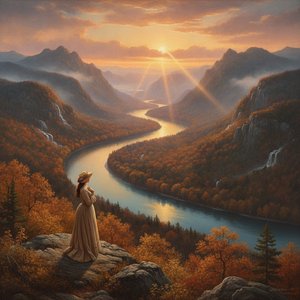
Capturing the Soul of Nature: A Journey Through the Sublime Majesty of American Romanticism
Explore the breathtaking beauty of American Romanticism. Discover how Hudson River School masters captured the sublime spirit of the wilderness through luminous oil landscapes and emotional depth. A journey into the soul of nature for the true art enthusiast.

Evocations of Place: A Historical Journey Through Landscape Art
Explore the rich history of landscape art with OriginalUniqueArt. Discover renowned artists, movements like Impressionism & Romanticism, and expert guidance for collecting timeless pieces. Find your perfect serene escape today!

Herman Herzog: Capturing American Landscapes & the Pursuit of Domestic Idealism
Explore the captivating landscapes of Herman Herzog, a pivotal American artist known for his realistic depictions of Yosemite & Florida scenes. Discover his legacy, artistic journey, and market value with OriginalUniqueArt.