
() ·
Obraz stworzony dla Ciebie, własnoręcznie
Ręcznie malowana reprodukcja olejowa
Ręcznie malowany obraz olejny na płótnie, wykonany na zamówienie przez naszych artystów w wybranym przez Ciebie wymiarze i oprawie. ( Przełącz na wydania drukowane Przejdź do wersji cyfrowej)
Biografia artysty
Explore the evocative landscapes & still lifes of Carl Schuch (1846-1903). Austrian painter bridging realism & modernism, influenced by Monet & Rembrandt.
 Rozwiń treść
od ·
Rozdział 1
Jak duży powinien być ten format?
Przesuń suwak, aby zmienić rozmiar; obraz po lewej stronie przedstawia ramę w jej rzeczywistej szerokości. Zachowano proporcje oryginału.
Wybierz spośród naszych standardowych rozmiarów, które zachowują oryginalne proporcje dzieła sztuki.

Wpisz wymaganą szerokość i wysokość, aby obraz pasował do Twojej ramy lub ściany. Ponieważ jest to dzieło malowane ręcznie, w przypadku rozmiaru o innych proporcjach artysta może domalować nieco więcej wokół obrazu lub przyciąć jego fragmenty — wybór należy do Ciebie. Przed rozpoczęciem pracy prześlemy Ci cyfrową wizualizację do zatwierdzenia. Obraz widoczny na tej stronie nie przedstawia rzeczywistego efektu — jedynie wizualizacja oddaje realny rezultat.
Rozdział 2
W jaki sposób ma zostać dostarczone?
Wybierz krawędzie płótna naciągniętego na ramę
Wybierz ramę

Białe krawędzie zł1

rozmyte krawędzie zł1

Przedłużony zł1

P118B zł10

P118H zł10

P118W zł10

P438Z zł10

P508JH zł12

P508YH zł12

P805H zł10

P805Z zł10

P919BZ zł10

P919G zł10

P919XJ zł10

P959ZH zł10

P968JZ zł12

W106C zł8

W218G zł10

W218JH zł8

W218Y zł10

W307PJ zł10

W316G zł10

W316PJ zł8

W316Y zł10

W398PJ zł8

W4111J zł10

W500HY zł15

W500JH zł15

W692G zł12

W849H zł8

W940BG zł15

W953PJ zł8

H24-GOLD zł30

H24-SILVER zł30

H36-GOLD zł45

H36-SILVER zł45
W oprawie
Profil: . Wymiar całkowity w ramie: .
Rozdział 3
Kto go maluje i czy coś powinno ulec zmianie?
Po złożeniu zamówienia zespół OriginalUniqueArt.com skontaktuje się z klientem drogą mailową w celu uzyskania instrukcji i prześle podgląd projektu
Dostawa na całym świecie () w ciągu 3–4 tygodni zamiast standardowych 5 tygodni. (7 Listopad). Bez kompromisów w kwestii jakości.
Rozdział 4
Ostatnie szlify
Tabliczka informacyjna, jak w muzeum?
Szczegóły grawerowanej brązowej tabliczki
This elegant plaque features the artist's name and the title of the artwork, finely engraved for a timeless presentation.
It is made from bronze with a refined, elegant finish. The text is precisely laser-engraved for a sharp and permanent result. Measuring 9x2 cm, the plaque is compact yet easy to read. It's built to be durable and scratch-resistant, offering a professional, museum-quality look. Mounting is simple thanks to the included adhesive backing.
Szczegóły przezroczystej tabliczki akrylowej
The plaque includes essential engraved details such as the artist's name, the title of the artwork, the date it was created, the type of media used-like oil on canvas or watercolor-a brief description of the piece, and a QR code that links to the complete artwork information.
It is crafted from clear acrylic, offering a sleek, modern appearance. The text is UV-engraved in black to ensure strong visual contrast. With a size of 10x15 cm, it ensures optimal readability. It comes equipped with two metal hooks for secure wall mounting. The plaque is designed to be weather-resistant, making it suitable for various environments, and it includes interactive features that work seamlessly with smartphone scanning.
Szczegóły czarnej tabliczki akrylowej
This elegant plaque includes engraved information such as the artist's name, the title of the artwork, the date it was created, the type of media used (like oil on canvas or watercolor), a short description of the artwork, and a QR code for quick access to more information.
The plaque itself is made from refined black acrylic with a premium finish. The text is laser-engraved in white for high contrast and readability. Its size is 10x15 cm, designed to be easy to read. It comes with two metal hooks for professional mounting. The design is sleek and fits any interior style. It is also weather-resistant and durable, with built-in digital integration for mobile compatibility.
Werniks ochronny?
Kiedy potrzebujesz dostawy?
Rozdział 5
Twoje dzieło, dokładnie tak, jak zamówiłeś

Selbstbildnis
Technika reprodukcji
Wymiary reprodukcji
-

Wybitny mistrz artystyczny
Większa szczegółowość, finezja i dodatkowy czas na realizację
-

Opcje oprawy reprodukcji
-
-
W przypadku dzieł sztuki lub reprodukcji, których którykolwiek z boków przekracza 105 cm (około 41 cali), rama zostanie wysłana w formie zestawu do samodzielnego montażu. Metoda ta zapewnia bezpieczną dostawę i zapobiega uszkodzeniom podczas transportu.
Wymagany profesjonalny montaż – nie jest to produkt typu DIY.
Zestaw musi zostać złożony, a płótno naciągnięte przez doświadczonego profesjonalnego ramiarza, przy użyciu kleju do drewna (brak w zestawie), kleszczy do naciągania płótna oraz ścisków, które utrzymają krosna w równej pozycji podczas schnięcia kleju. Nieprawidłowy montaż lub nierównomierne napięcie płótna może trwale uszkodzić dzieło sztuki i nie podlega naszej gwarancji.
 W przypadku dzieł sztuki lub reprodukcji, których którykolwiek z boków przekracza 105 cm (około 41 cali), rama zostanie wysłana w formie zestawu do samodzielnego montażu. Metoda ta zapewnia bezpieczną dostawę i zapobiega uszkodzeniom podczas transportu.
W zestawie znajdują się wszystkie listwy z litego drewna, precyzyjnie docięte do wymiarów.
Montaż odbywa się przy użyciu dołączonych wkrętów oraz kleju do drewna do łączenia narożników, którego zestaw nie zawiera i który musi zostać dostarczony przez ramiarza.
Wymagane są profesjonalne narzędzia, których nie ma w zestawie: kleszcze do naciągania płótna (napinacz) oraz zaciski, które pozwolą utrzymać listwy w równej pozycji podczas schnięcia kleju.
Ważne:
Do połączenia narożników niezbędny jest klej do drewna, listwy należy unieruchomić za pomocą ścisków do momentu całkowitego wyschnięcia kleju, a naciągnięcie płótna na złożoną ramę wymaga użycia kleszczy do naciągania płótna. Żaden z tych elementów nie jest dołączony do zestawu. Przed zamówieniem tego rozmiaru zalecamy konsultację z doświadczonym ramiarzem.

Etykieta obiektu
-
-

Lakier ochronny
Lakier z połyskiem (pogłębia kolory, chroni przed światłem i wilgocią)
-

Personalizacja dzieła
Przykłady możliwości personalizacji: zastąp twarz zdjęciem klienta; dodaj zwierzę domowe (np. zamień kota na psa); umieść ukrytą wiadomość w tle; zmień krajobraz lub elementy tła.
-

Ekspresowa
Dostawa na cały świat () w ciągu 3–4 tygodni zamiast standardowych 5 tygodni. (7 Listopad). Bez kompromisów w kwestii jakości.
-
Przesyłka ekspresowa
Dostawa na cały świat () w ciągu 5 tygodni. (14 Listopad).
W cenie
Cena całkowita
zł 1174
Opcja ze szkłem jest dostępna wyłącznie w rozmiarach poniżej 110 cm
W każdym zamówieniu
- Bezpłatna ekspresowa wysyłka na cały świat
- Wysokiej jakości płótno lniane
- Pełne ubezpieczenie przesyłki
- Gwarancja zwrotu należności celnych i podatków importowych
- Gwarancja wiernego odwzorowania kolorów
- 100-dniowa polityka zwrotów (tylko w przypadku wad)
- Gwarancja 100% zwrotu pieniędzy
- Zniżka przy zakupie wielu sztuk


 Podgląd w skali 1:1
 Wyślij jako kartkę
 Udostępnij
 Szczegóły dzieła
 Przewodnik

 Pobierz obraz
 Podobne obiekty
 RTG
RTG Pokaz slajdów
 Pytania i odpowiedzi
 Statystyki
W liczbach
- 29dostępne ramy do wyboru
- standardowe formaty, w ich własnych proporcjach
- 5tygodni na namalowanie i dostarczenie dzieła
O oryginale

- 55.0 x 46.0 cm

Carl Schuch
1846 - 1903
Krótkie informacje o Carl Schuch
- Full Name: Carl Eduard Schuch
- Nationality: Austrian
- Date Of Birth: 1846
- Date Of Death: 1903
- Place Of Birth: Vienna, Austria
- Artistic Movement Or Style: Realism, Modernism
- Artists Who Influenced This Artist:
- Rembrandt
- Monet
Biografia artysty
A Life Immersed in Tone and Light: The Journey of Carl Schuch
Carl Eduard Schuch, born in Vienna in 1846, was an artist whose life unfolded as a quiet but determined exploration of color, light, and the subtle poetry of everyday subjects. Unlike many of his contemporaries who sought fame through grand historical narratives or bold stylistic innovation, Schuch carved a unique path, one defined by meticulous observation, a deep reverence for the Old Masters, and a gradual embrace of modern sensibilities. His story isn’t one of immediate recognition but rather of persistent refinement, a slow burn that ultimately positioned him as a pivotal figure in the transition from Realism to early Modernism in Austrian painting. He wasn't driven by ambition so much as an insatiable curiosity—a need to understand *how* light shaped form and *why* certain colors resonated with such emotional power.Early Studies and the Foundations of Realism
Schuch’s formal artistic training began in 1865 at the Academy of Fine Arts Vienna, where he studied landscape painting under Ludwig Halauska. This early period laid the groundwork for his lifelong fascination with nature, but it was a particular approach to representation that truly captured his attention. He wasn't content merely to depict scenes; he sought to dissect them, analyzing their tonal values and striving for an almost scientific accuracy in rendering light and shadow. He famously declared his intention to paint heads “like still-lifes, tone by tone, without emotion,” a statement revealing his initial focus on technical mastery over expressive gesture. This dedication to objective observation was firmly rooted in the Realist tradition prevalent at the time, emphasizing faithful portrayals of the world around him. However, even within this framework, Schuch’s sensitivity to nuance and atmospheric effects hinted at a deeper artistic sensibility that would blossom later in his career.The Parisian Years and the Influence of Monet
A turning point arrived in 1882 when Schuch relocated to Paris. This move exposed him to the burgeoning Impressionist movement, and while he never fully adopted their broken brushwork or emphasis on fleeting moments, the experience profoundly impacted his understanding of color theory and plein-air painting. He was particularly captivated by Claude Monet, whom he hailed as “the Rembrandt of plein-air painting.” Monet’s ability to capture the shifting qualities of light and atmosphere resonated deeply with Schuch's own artistic pursuits. However, it wasn’t simply imitation that drew him; rather, he saw in Monet a kindred spirit—an artist dedicated to unraveling the mysteries of perception. He spent countless hours studying Monet’s canvases, meticulously documenting his color palettes and techniques in detailed notebooks. This period also fostered an appreciation for the Barbizon school artists, whose focus on rural landscapes and direct observation further solidified Schuch's commitment to painting from nature.Friendship with Hagemeister and a Search for Authenticity
Schuch’s artistic journey wasn’t solely defined by his engagement with established movements; it was also profoundly shaped by personal relationships, most notably his intense friendship with Karl Hagemeister. The two artists met in Bavaria and embarked on a period of shared exploration, traveling extensively throughout Central Europe before settling together in the small village of Ferch near Berlin for three years. Their relationship was remarkably symbiotic—Hagemeister, known for his robust personality, provided practical support, hunting and fishing to sustain them both while Schuch focused intently on his painting. The nature surrounding Ferch became their shared muse, inspiring a series of intimate landscapes that reflected their close bond. However, this idyllic partnership eventually dissolved over a disagreement concerning Hagemeister’s work—a testament to Schuch's uncompromising artistic standards and his relentless pursuit of authenticity. The incident, involving Hagemeister discarding several paintings into the Seine, marked a painful but ultimately defining moment in Schuch’s career, reinforcing his commitment to following his own artistic vision.Legacy and Historical Significance
Carl Schuch died in 1903, leaving behind a body of work that continues to captivate viewers with its quiet beauty and subtle power. While he didn't achieve widespread fame during his lifetime, his influence on the development of Austrian Modernism is undeniable. He served as a crucial link between the Realist tradition and the emerging avant-garde movements, paving the way for artists like Gustav Klimt and Egon Schiele. His meticulous approach to color theory, combined with his sensitivity to light and atmosphere, anticipated many of the concerns that would define 20th-century painting. Schuch’s landscapes and still lifes are not merely representations of the external world; they are meditations on perception itself—an invitation to slow down, observe carefully, and appreciate the subtle poetry of everyday life. He demonstrated a profound understanding of how color could evoke emotion and create atmosphere, influencing generations of artists who followed in his footsteps. His work remains a testament to the power of quiet dedication, meticulous observation, and an unwavering commitment to artistic truth.- Key Influences: Ludwig Halauska, Claude Monet, Barbizon School painters, Rembrandt.
- Major Themes: Landscapes, Still Lifes, Color Theory, Atmospheric Effects.
- Artistic Style: Transition from Realism to early Modernism, characterized by meticulous observation and subtle use of color.
Powiązane artykuły

Echo Samorefleksji: Temat Własnego Obrazu w Historii Sztuki i Współczesnej Praktyce
Odkryj fascynującą historię autoportretu w sztuce! Analiza arcydzieł van Eycka, Repina i Kirchnera. Poradnik dla kolekcjonerów: wartość inwestycyjna i emocjonalna portretów artystów.
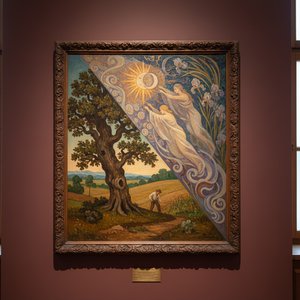
Carl Eduard Schuch: Bridging Realism & Symbolism in Late 19th-Century Austrian Painting
Explore the captivating landscapes & still lifes of Carl Eduard Schuch (1846-1903), a pivotal Austrian painter bridging realism and modernism. Discover his influences, unique style, and lasting legacy with OriginalUniqueArt.

Wewnętrzny krajobraz: Badanie tematów introspekcji w sztuce wizualnej na przestrzeni ruchów i epok
Odkryj fascynujący świat introspekcji w sztuce wizualnej! Analizujemy kluczowe ruchy artystyczne, od romantyzmu po współczesność, i badamy wpływ psychologii na twórczość. Poznaj sylwetkę Wandy Czełkowskiej i inne inspirujące przykłady.

Mastering Form: The 25 Greatest Artworks by Paul Cézanne
Explore 25 iconic Paul Cézanne masterpieces and his Post-Impressionist legacy. Discover the full collection online at OriginalUniqueArt.com.