

 Zobacz w skali 1:1
 Wyślij
 Udostępnij
 Szczegóły
 Przewodnik

 Pobierz plik obrazu
 Podobne obiekty
 RTG
RTG Pokaz slajdów
 Statystyki
Der Frühstückstisch (The Breakfast Table)

 Czytaj więcej
Ręcznie malowana reprodukcja olejowa
Ręcznie malowany obraz olejny na płótnie, wykonany na zamówienie przez naszych artystów w wybranym przez Ciebie wymiarze i oprawie. ( Przełącz na wersję drukowaną Przełącz na wersję cyfrową)




































Wybierz spośród naszych standardowych rozmiarów, które zachowują oryginalne proporcje dzieła sztuki.

Możesz wprowadzić własne wymiary, aby dopasować obraz do konkretnej ramy lub przestrzeni. Jeśli wybrany rozmiar nie będzie odpowiadał proporcjom oryginału, przytniecie dzieło sztuki lub rozszerzymy je o dodatkowe elementy, ręcznie domalowane przez artystę. Przed rozpoczęciem produkcji wyślemy projekt cyfrowy do Twojej akceptacji.
Należy pamiętać, że podgląd na ekranie nie odzwierciedla rzeczywistego przycinania ani rozszerzania obrazu. Tylko projekt dokładnie pokaże ostateczną kompozycję.
Choć oferujemy możliwość zamówienia niestandardowych rozmiarów, zalecamy wybór wymiaru z gotowej listy, aby zachować oryginalne proporcje dzieła.
Po złożeniu zamówienia zespół OriginalUniqueArt.com skontaktuje się z klientem drogą mailową w celu uzyskania instrukcji i prześle wizualizację projektu
Dostawa na całym świecie () w ciągu 3–4 tygodni zamiast standardowych 5 tygodni. (25 Wrzesień). Bez kompromisów w kwestii jakości.

Bezpłatna ekspresowa wysyłka na cały świat

Wysokiej jakości płótno lniane

Pełne ubezpieczenie transportowe

Gwarancja zwrotu należności celnych i podatków importowych

Gwarancja idealnego odwzorowania barw

100-dniowy okres na zwrot dzieła w przypadku wykrycia wad produkcyjnych

Gwarancja 100% zwrotu pieniędzy

Oferta przy zakupie wielu sztuk
 Opcja ze szkłem jest dostępna wyłącznie w rozmiarach poniżej 110 cm

Der Frühstückstisch (The Breakfast Table)
Technika wykonania
Rozmiar reprodukcji
-


Suma do zapłaty
$ 300
Biografia artysty
Carl Moll: A Pioneer of Austrian Modernism
Early Life and Education
- Born Carl Julius Rudolf Moll on April 23, 1861, in Vienna, Austria.
- He received his artistic training at the prestigious Academy of Fine Arts Vienna.
- Moll studied under Christian Griepenkerl and later with Emil Jakob Schindler, father of Alma Mahler-Werfel.
- A significant personal event occurred in 1892 when he married Anna von Bergen, Schindler’s widow, following a prior romantic involvement.
Artistic Development and Influences
- Initially influenced by the atmospheric realism prevalent in Vienna during his early career.
- Moll embraced the techniques of French Impressionism, particularly Pointillism, which became a defining characteristic of his style.
- He skillfully integrated Pointillist methods with a meticulous organization of the painting’s surface, creating unique visual effects.
- His work demonstrates an interest in capturing light and atmosphere, alongside detailed depictions of interiors and landscapes.
The Vienna Secession and Modern Art
- In 1897, Moll became a founding member of the Vienna Secession, a group of artists who broke away from traditional artistic institutions.
- He played a crucial role in advocating for modern art exhibitions, notably encouraging the use of the Belvedere Gallery for this purpose in 1903.
- In 1905, alongside Gustav Klimt, Moll left the Secession, though he remained actively involved in Vienna’s vibrant art scene.
- He was instrumental in introducing new artistic movements to Vienna, including organizing the first exhibition of Vincent van Gogh's work in the city.
Major Works and Themes
- Moll is celebrated for his interior scenes, such as “Der Frühstückstisch (The Breakfast Table)” and “Drawing-Room in House on the Hohe Warte,” which showcase opulent settings and detailed realism.
- His landscapes, like "Baumallee in Bruntál," demonstrate his mastery of Pointillist techniques and atmospheric perspective.
- Recurring themes in his work include domesticity, leisure, and the beauty of the natural world.
- He also created still life paintings, demonstrating a keen eye for composition and color.
Historical Significance and Legacy
- Carl Moll was a pivotal figure in the development of Austrian Modernism, bridging the gap between traditional academic painting and avant-garde movements.
- His contributions to the Vienna Secession helped establish Vienna as a major center for artistic innovation at the turn of the 20th century.
- Despite his later association with Nazism, his artistic achievements continue to be recognized and appreciated today.
- In recent years, Moll’s works have achieved record prices at auction, reflecting growing interest in his oeuvre.
Final Years and Death
- Tragically, Carl Moll committed suicide in Vienna at the end of World War II, along with his daughter Maria and son-in-law Richard Eberstaller.
- This act occurred as Soviet forces approached the city, and all three had been early supporters of the Nazi party.

Carl Moll
1861 - 1945 , Austria
Najważniejsze informacje
- Birth Date: 1861-04-23
- Birth Place: Vienna, Austria
- Death Date: 1945-04-12
- Influenced By: French Impressionists
- Movement: Art Nouveau, Vienna Secession, Pointillism
- Name: Carl Moll
- Nationality: Austrian
- Notable Works:
- Drawing-Room in House on the Hohe Warte
- Der Frühstückstisch (The Breakfast Table)
- Baumallee in Bruntál
Zobacz także powiązane artykuły
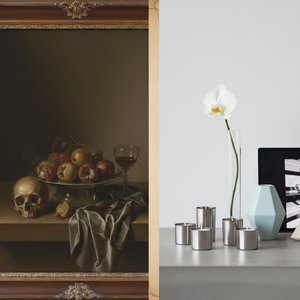
Martwa natura w sztuce: od starożytności do współczesności – historia, symbolika i trwały urok
Odkryj fascynującą historię martwej natury w sztuce – od antycznych początków po współczesne reinterpretacje. Poznaj mistrzów, symbolikę i techniki malarskie. Ekskluzywne artykuły na OriginalUniqueArt.com!
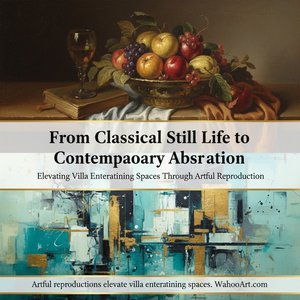
Od Klasycznej Natury Martwej do Współczesnej Abstrakcji: Podnoszenie Prestiżu Przestrzeni Rezydencji Poprzez Artystyczne Reprodukcje
Odkryj historię martwej natury i jak artystyczne reprodukcje podnoszą prestiż Twojej rezydencji. Eksperckie porady, najwyższa jakość obrazów od OriginalUniqueArt.com – Cézanne, Matisse i inni mistrzowie.
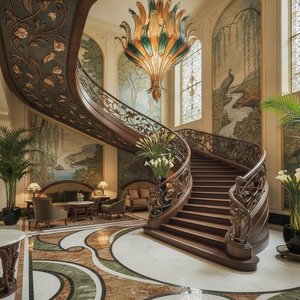
Art Nouveau Guide: Integrating Elegant Curves and Organic Design into Luxury Hotel Interiors
Master Art Nouveau integration for luxury hotel interiors. Discover expert strategies for utilizing organic curves, whiplash lines, and botanical motifs to create sophisticated, high-end hospitality spaces with scalable, professional art procurement solutions.

Timeless Botanical Art: Elevate Your Interior with Hand-Painted Floral Masterpieces
Discover the timeless elegance of hand-painted botanical art. From Impressionist florals to Victorian realism, elevate your luxury interiors with museum-quality oil reproductions and bespoke commissions curated by OriginalUniqueArt's master artists.

Silent Narratives: Exploring the Enduring Appeal of Still Life Painting Across Centuries
Explore the rich history of still life painting with OriginalUniqueArt. Discover Dutch Masters, decode vanitas symbolism & learn about collecting timeless art. Expert insights and museum-quality reproductions.
