() ·
Obraz stworzony dla Ciebie, własnoręcznie
Ręcznie malowana reprodukcja olejowa
Ręcznie malowany obraz olejny na płótnie, wykonany na zamówienie przez naszych artystów w wybranym przez Ciebie wymiarze i oprawie. ( Przełącz na wydania drukowane Przejdź do wersji cyfrowej)
Opis obiektu
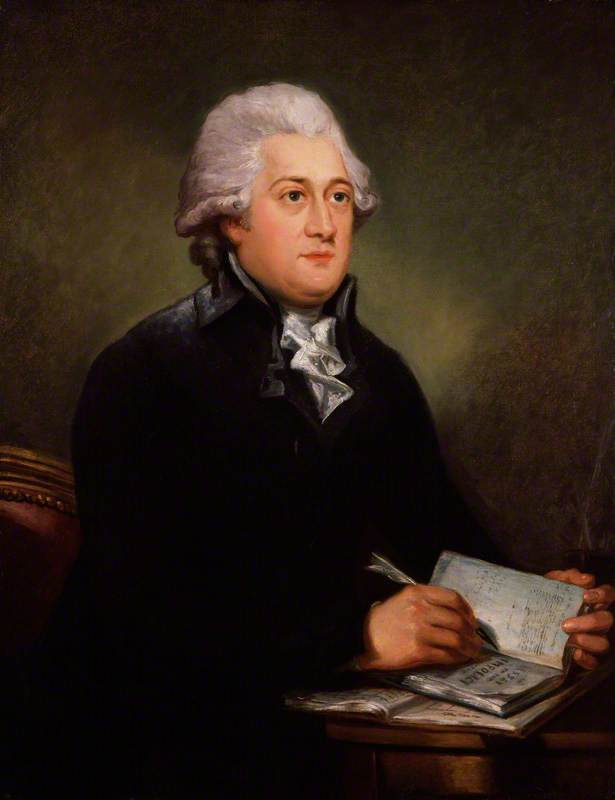
Explore Carl Fredrik von Breda’s 1788 portrait of Thomas Clarkson – a neoclassical masterpiece showcasing realism & intellectualism. A rare Swedish art piece.
Biografia artysty
Carl Fredrik von Breda (1759-1818): Szwedzki malarz portretowy, uczeń Joshuy’a Reynolda, znany jako „Van Dyck Szwecji”. Jego ekspresyjna technika uchwyciła postacie królewskie i intelektualistów z elegancją i innowacją.
 Rozwiń treść
od ·
Rozdział 1
Jak duży powinien być ten format?
Przesuń suwak, aby zmienić rozmiar; obraz po lewej stronie przedstawia ramę w jej rzeczywistej szerokości. Zachowano proporcje oryginału.
Wybierz spośród naszych standardowych rozmiarów, które zachowują oryginalne proporcje dzieła sztuki.

Wpisz wymaganą szerokość i wysokość, aby obraz pasował do Twojej ramy lub ściany. Ponieważ jest to dzieło malowane ręcznie, w przypadku rozmiaru o innych proporcjach artysta może domalować nieco więcej wokół obrazu lub przyciąć jego fragmenty — wybór należy do Ciebie. Przed rozpoczęciem pracy prześlemy Ci cyfrową wizualizację do zatwierdzenia. Obraz widoczny na tej stronie nie przedstawia rzeczywistego efektu — jedynie wizualizacja oddaje realny rezultat.
Rozdział 2
W jaki sposób ma zostać dostarczone?
Wybierz krawędzie płótna naciągniętego na ramę
Wybierz ramę

Białe krawędzie zł1

rozmyte krawędzie zł1

Przedłużony zł1

P118B zł10

P118H zł10

P118W zł10

P438Z zł10

P508JH zł12

P508YH zł12

P805H zł10

P805Z zł10

P919BZ zł10

P919G zł10

P919XJ zł10

P959ZH zł10

P968JZ zł12

W106C zł8

W218G zł10

W218JH zł8

W218Y zł10

W307PJ zł10

W316G zł10

W316PJ zł8

W316Y zł10

W398PJ zł8

W4111J zł10

W500HY zł15

W500JH zł15

W692G zł12

W849H zł8

W940BG zł15

W953PJ zł8

H24-GOLD zł30

H24-SILVER zł30

H36-GOLD zł45

H36-SILVER zł45
W oprawie
Profil: . Wymiar całkowity w ramie: .
Rozdział 3
Kto go maluje i czy coś powinno ulec zmianie?
Po złożeniu zamówienia zespół OriginalUniqueArt.com skontaktuje się z klientem drogą mailową w celu uzyskania instrukcji i prześle podgląd projektu
Dostawa na całym świecie () w ciągu 3–4 tygodni zamiast standardowych 5 tygodni. (3 Listopad). Bez kompromisów w kwestii jakości.
Rozdział 4
Ostatnie szlify
Tabliczka informacyjna, jak w muzeum?
Szczegóły grawerowanej brązowej tabliczki
This elegant plaque features the artist's name and the title of the artwork, finely engraved for a timeless presentation.
It is made from bronze with a refined, elegant finish. The text is precisely laser-engraved for a sharp and permanent result. Measuring 9x2 cm, the plaque is compact yet easy to read. It's built to be durable and scratch-resistant, offering a professional, museum-quality look. Mounting is simple thanks to the included adhesive backing.
Szczegóły przezroczystej tabliczki akrylowej
The plaque includes essential engraved details such as the artist's name, the title of the artwork, the date it was created, the type of media used-like oil on canvas or watercolor-a brief description of the piece, and a QR code that links to the complete artwork information.
It is crafted from clear acrylic, offering a sleek, modern appearance. The text is UV-engraved in black to ensure strong visual contrast. With a size of 10x15 cm, it ensures optimal readability. It comes equipped with two metal hooks for secure wall mounting. The plaque is designed to be weather-resistant, making it suitable for various environments, and it includes interactive features that work seamlessly with smartphone scanning.
Szczegóły czarnej tabliczki akrylowej
This elegant plaque includes engraved information such as the artist's name, the title of the artwork, the date it was created, the type of media used (like oil on canvas or watercolor), a short description of the artwork, and a QR code for quick access to more information.
The plaque itself is made from refined black acrylic with a premium finish. The text is laser-engraved in white for high contrast and readability. Its size is 10x15 cm, designed to be easy to read. It comes with two metal hooks for professional mounting. The design is sleek and fits any interior style. It is also weather-resistant and durable, with built-in digital integration for mobile compatibility.
Werniks ochronny?
Kiedy potrzebujesz dostawy?
Rozdział 5
Twoje dzieło, dokładnie tak, jak zamówiłeś

Thomas Clarkson
Technika reprodukcji
Wymiary reprodukcji
-

Wybitny mistrz artystyczny
Większa szczegółowość, finezja i dodatkowy czas na realizację
-

Opcje oprawy reprodukcji
-
-
W przypadku dzieł sztuki lub reprodukcji, których którykolwiek z boków przekracza 105 cm (około 41 cali), rama zostanie wysłana w formie zestawu do samodzielnego montażu. Metoda ta zapewnia bezpieczną dostawę i zapobiega uszkodzeniom podczas transportu.
Wymagany profesjonalny montaż – nie jest to produkt typu DIY.
Zestaw musi zostać złożony, a płótno naciągnięte przez doświadczonego profesjonalnego ramiarza, przy użyciu kleju do drewna (brak w zestawie), kleszczy do naciągania płótna oraz ścisków, które utrzymają krosna w równej pozycji podczas schnięcia kleju. Nieprawidłowy montaż lub nierównomierne napięcie płótna może trwale uszkodzić dzieło sztuki i nie podlega naszej gwarancji.
 W przypadku dzieł sztuki lub reprodukcji, których którykolwiek z boków przekracza 105 cm (około 41 cali), rama zostanie wysłana w formie zestawu do samodzielnego montażu. Metoda ta zapewnia bezpieczną dostawę i zapobiega uszkodzeniom podczas transportu.
W zestawie znajdują się wszystkie listwy z litego drewna, precyzyjnie docięte do wymiarów.
Montaż odbywa się przy użyciu dołączonych wkrętów oraz kleju do drewna do łączenia narożników, którego zestaw nie zawiera i który musi zostać dostarczony przez ramiarza.
Wymagane są profesjonalne narzędzia, których nie ma w zestawie: kleszcze do naciągania płótna (napinacz) oraz zaciski, które pozwolą utrzymać listwy w równej pozycji podczas schnięcia kleju.
Ważne:
Do połączenia narożników niezbędny jest klej do drewna, listwy należy unieruchomić za pomocą ścisków do momentu całkowitego wyschnięcia kleju, a naciągnięcie płótna na złożoną ramę wymaga użycia kleszczy do naciągania płótna. Żaden z tych elementów nie jest dołączony do zestawu. Przed zamówieniem tego rozmiaru zalecamy konsultację z doświadczonym ramiarzem.

Etykieta obiektu
-
-

Lakier ochronny
Lakier z połyskiem (pogłębia kolory, chroni przed światłem i wilgocią)
-

Personalizacja dzieła
Przykłady możliwości personalizacji: zastąp twarz zdjęciem klienta; dodaj zwierzę domowe (np. zamień kota na psa); umieść ukrytą wiadomość w tle; zmień krajobraz lub elementy tła.
-

Ekspresowa
Dostawa na cały świat () w ciągu 3–4 tygodni zamiast standardowych 5 tygodni. (3 Listopad). Bez kompromisów w kwestii jakości.
-
Przesyłka ekspresowa
Dostawa na cały świat () w ciągu 5 tygodni. (10 Listopad).
W cenie
Cena całkowita
zł 1173
Opcja ze szkłem jest dostępna wyłącznie w rozmiarach poniżej 110 cm
W każdym zamówieniu
- Bezpłatna ekspresowa wysyłka na cały świat
- Wysokiej jakości płótno lniane
- Pełne ubezpieczenie przesyłki
- Gwarancja zwrotu należności celnych i podatków importowych
- Gwarancja wiernego odwzorowania kolorów
- 100-dniowa polityka zwrotów (tylko w przypadku wad)
- Gwarancja 100% zwrotu pieniędzy
- Zniżka przy zakupie wielu sztuk


 Podgląd w skali 1:1
 Wyślij jako kartkę
 Udostępnij
 Szczegóły dzieła
 Przewodnik

 Pobierz obraz
 Podobne obiekty
 RTG
RTG Pokaz slajdów
 Pytania i odpowiedzi
 Statystyki
W liczbach
- 1788rok powstania dzieła
- 29dostępne ramy do wyboru
- standardowe formaty, w ich własnych proporcjach
- 5tygodni na namalowanie i dostarczenie dzieła
O oryginale

- 91.0 x 71.0 cm


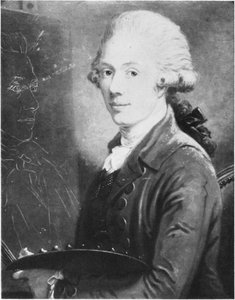
Carl Fredrik von Breda
1759 - 1818, Szwecja
Krótkie informacje o Carl Fredrik von Breda
- Artistic Movement Or Style: Portretistyka, Romantyzm
- Artists Or Movements Influenced By This Artist: ['Szwedzkie malarze portretowych']
- Artists Who Influenced This Artist:
- Lorens Pasch
- Joshua Reynolds
- Date Of Birth: 1759
- Date Of Death: 1818
- Full Name: Carl Frederik von Breda
- Nationality: Szwedzki
- Notable Artworks:
- Teresa Vandoni
- James Watt
- Matthew Boulton
- Place Of Birth: Stockholm, Szwecja
Biografia artysty
A Swedish Master Across Borders: The Life and Art of Carl Frederik von Breda
Carl Frederik von Breda, a name often whispered alongside the grandeur of Van Dyck, stands as a pivotal figure in the history of European portraiture. Born in Stockholm in 1759, his artistic journey wasn’t confined by national boundaries but rather blossomed through an intricate dance between Swedish tradition and the vibrant innovations of Britain. Descended from Pieter von Breda, a Dutch emigrant who established roots in Sweden around 1670, Carl inherited not only an artistic lineage – his grandfather Lucas was a painter, and his father, Lucas the younger, an art collector and arbitrator – but also a deeply ingrained cosmopolitan sensibility that would profoundly shape his career. This upbringing fostered within him a profound appreciation for aesthetics, laying the groundwork for his subsequent success as one of Sweden’s most celebrated portraitists. From a remarkably young age, Breda demonstrated exceptional talent, enrolling at the Royal Swedish Academy of Arts at nineteen where he diligently studied historical and portrait painting under Lorens Pasch the Younger, absorbing the established stylistic conventions while simultaneously hinting at an ambition that stretched far beyond their borders.London Calling: The Profound Influence of Joshua Reynolds
A transformative moment arrived in 1786 when Breda faced a difficult crossroads after losing a competition at the Academy. Rather than succumbing to the conventional path towards Paris and Rome, he made a bold and remarkably prescient decision: relocating to London with his family. This move proved to be nothing short of revolutionary. In the bustling metropolis of London, Breda sought out and secured tutelage under Sir Joshua Reynolds, arguably the most influential portraitist of his time. While Reynolds’s instruction wasn't characterized by intensive, formalized lessons, his influence on Breda was undeniably profound, triggering a dramatic shift in the young artist’s approach to painting. Reynolds championed a style rooted in classical ideals, emphasizing careful observation, balanced compositions, and an ability to capture not just likeness but also the sitter’s character and intellect. Crucially, Reynolds encouraged a looser brushstroke and a brighter palette – a departure from the more formal, dark-toned portraits prevalent at the time. Breda quickly immersed himself in London's vibrant artistic scene, absorbing the atmosphere of innovation and intellectual ferment that defined the era. He established a successful studio on St James’s Street, attracting a clientele drawn from London’s elite: literary figures, scientists, engineers, and members of influential social circles – the “learned men and literati,” as they were often described. This exposure to such diverse personalities profoundly influenced his work, shaping his ability to capture not just physical appearance but also the essence of individual intellect and character.The Lunar Society and a Portrait of Innovation
A particularly significant chapter in Breda’s career unfolded during his time in Birmingham, where he became acquainted with the famed “Lunar Society.” This group of pioneering thinkers – including James Watt, Matthew Boulton, Erasmus Darwin, and William Withering – represented the cutting edge of scientific and technological advancement. Breda's portraiture of these figures is not merely a record of their appearances; it’s a testament to his understanding of their intellectual pursuits and their impact on society. He painted James Watt, the inventor of the steam engine, in a dramatic, almost brooding style that reflected the intensity of his work. Matthew Boulton, the industrial titan who partnered with Watt, was captured with a forceful presence – embodying both his ambition and his shrewdness. The portrait of William Withering, the botanist and chemist renowned for discovering digitalis, is rendered with a quiet dignity, capturing the meticulous nature of his scientific investigations. These portraits weren’t simply commissions; they were engagements with some of the most forward-thinking minds of the era, reflecting Breda's own intellectual curiosity and his desire to document the spirit of innovation that permeated Birmingham.Return to Sweden and Artistic Maturity
In 1796, a pivotal moment arrived when Carl Frederik von Breda returned to Stockholm, accepting a prestigious professorship at the Royal Swedish Academy of Arts. This marked a new phase in his career – one characterized by artistic maturity, a refined style, and an increased focus on royal commissions. Immediately upon his return, he was inundated with requests for portraits, quickly establishing himself as a leading figure within the Swedish art scene. His brushwork became bolder and more spirited, reflecting the energy and dynamism he had absorbed during his years in London. The late 1790s are widely considered to be among his most productive and arguably his finest period, producing works that exhibit an early embrace of Romantic sensibilities – a shift away from the rigid formality of earlier portraits towards a greater emphasis on emotion, drama, and individual expression. Notable amongst these are portraits of his father, Lucas von Breda; two of his nephews, showcasing his skill in capturing familial bonds; Nils von Rosenstein, a prominent scholar; and, perhaps most famously, Teresa Vandoni, the celebrated Italian opera singer who captivated audiences at the Royal Swedish Opera. The portrait of Vandoni is particularly striking – a masterful depiction of her dramatic presence and vocal artistry, imbued with an exquisite sensitivity to detail and emotion.Legacy and Historical Significance
Carl Frederik von Breda’s impact on Swedish art extended far beyond his prolific output as a painter. His exposure to British artistic trends—particularly the influence of Joshua Reynolds—helped modernize portraiture in Sweden, inspiring subsequent generations of artists to embrace new techniques and stylistic approaches. He wasn't simply a recorder of appearances; he was a chronicler of his time, creating a visual record of some of the leading scientific, intellectual, and cultural figures of the late 18th and early 19th centuries. His portraits of members of the Lunar Society, for example, offer invaluable insights into this influential group of innovators. Breda’s legacy endures as “the Van Dyck of Sweden,” a title that acknowledges his exceptional skill in capturing elegance, grace, and the individual character of his subjects. He died in Stockholm in 1818, leaving behind a remarkable body of work that continues to be admired for its technical brilliance, emotional depth, and historical significance.Key Works & Collections
- James Watt: A compelling portrait of the renowned engineer, held in the National Portrait Gallery, London.
- Matthew Boulton: Another significant work depicting a member of the Lunar Society, residing in Birmingham Museum and Art Gallery.
- Teresa Vandoni: Often considered his most celebrated piece, capturing the essence of the Italian opera singer.
- Portrait of Joshua Reynolds: A testament to Breda’s admiration for his mentor and a key work in establishing his own artistic credentials.
- Mrs. William Hartigan: An example of his skill in capturing the elegance and refinement of society figures.
Powiązane artykuły

Johan Krouthén: Navigating Swedish Romanticism Through Landscape & Light
Explore the captivating landscapes of Johan Krouthén, a Swedish artist who broke from tradition to embrace realism & idealism. Discover his technique, influences, and legacy with OriginalUniqueArt.
Thomas Edwin Mostyn: A Victorian Genre Painter's Journey from Realism to Romantic Enchantment
Discover the captivating world of Thomas Edwin Mostyn (1864-1930), a Victorian artist renowned for his romantic garden scenes and evocative portraits. Explore his artistic journey, legacy & find high-quality reproductions at OriginalUniqueArt.
Thomas Barker of Bath: Landscape Painting & Societal Reflection in Early 19th-Century England
Explore the life & work of Thomas Barker of Bath, a key figure in 19th-century English Romanticism. Discover his Parisian success, iconic paintings like 'The Bride of Death', and lasting artistic legacy. Learn more at OriginalUniqueArt.

Clarkson Frederick Stanfield: Navigating Romantic Visions of Sea, Land & British Imagination
Explore the dramatic seascapes & landscapes of Clarkson Frederick Stanfield (1793-1867). Discover his life, art, and lasting influence on British Romanticism. Acquire stunning reproductions at OriginalUniqueArt.
