

 Zobacz w skali 1:1
 Wyślij
 Udostępnij
 Szczegóły
 Przewodnik

 Pobierz plik obrazu
 Podobne obiekty
 RTG
RTG Pokaz slajdów
 Statystyki
Salome


 Czytaj więcej
Ręcznie malowana reprodukcja olejowa
Ręcznie malowany obraz olejny na płótnie, wykonany na zamówienie przez naszych artystów w wybranym przez Ciebie wymiarze i oprawie. ( Przełącz na wersję drukowaną Przełącz na wersję cyfrową)




































Wybierz spośród naszych standardowych rozmiarów, które zachowują oryginalne proporcje dzieła sztuki.

Możesz wprowadzić własne wymiary, aby dopasować obraz do konkretnej ramy lub przestrzeni. Jeśli wybrany rozmiar nie będzie odpowiadał proporcjom oryginału, przytniecie dzieło sztuki lub rozszerzymy je o dodatkowe elementy, ręcznie domalowane przez artystę. Przed rozpoczęciem produkcji wyślemy projekt cyfrowy do Twojej akceptacji.
Należy pamiętać, że podgląd na ekranie nie odzwierciedla rzeczywistego przycinania ani rozszerzania obrazu. Tylko projekt dokładnie pokaże ostateczną kompozycję.
Choć oferujemy możliwość zamówienia niestandardowych rozmiarów, zalecamy wybór wymiaru z gotowej listy, aby zachować oryginalne proporcje dzieła.
Po złożeniu zamówienia zespół OriginalUniqueArt.com skontaktuje się z klientem drogą mailową w celu uzyskania instrukcji i prześle wizualizację projektu
Dostawa na całym świecie () w ciągu 3–4 tygodni zamiast standardowych 5 tygodni. (26 Wrzesień). Bez kompromisów w kwestii jakości.

Bezpłatna ekspresowa wysyłka na cały świat

Wysokiej jakości płótno lniane

Pełne ubezpieczenie transportowe

Gwarancja zwrotu należności celnych i podatków importowych

Gwarancja idealnego odwzorowania barw

100-dniowy okres na zwrot dzieła w przypadku wykrycia wad produkcyjnych

Gwarancja 100% zwrotu pieniędzy

Oferta przy zakupie wielu sztuk
 Opcja ze szkłem jest dostępna wyłącznie w rozmiarach poniżej 110 cm

Salome
Technika wykonania
Rozmiar reprodukcji
-


Suma do zapłaty
$ 300
Biografia artysty
The Legacy of Callisto Piazza da Lodi
In the vibrant tapestry of the Italian Renaissance and the burgeoning Baroque era, few names capture the essence of Lombardy’s artistic transition quite like Callisto Piazza da Lodi. Born in the historic city of Lodi around 1500, Piazza emerged as a pivotal figure within the Brescian school, a movement that would eventually redefine the visual language of Northern Italy. His life and work serve as a bridge between the meticulous, refined elegance of the Ferrarese tradition and the dramatic, emotive power of the Brescian masters. Though historical records offer only glimpses into his private years, his brushwork reveals a man deeply attuned to the shifting currents of 16th-century culture, where humanist ideals and papal patronage breathed new life into religious and secular iconography alike.
The foundations of Piazza’s mastery were likely laid within the fertile ground of a family of painters. The Piazza clan established a significant presence in Brescia, creating a workshop environment that functioned as both a sanctuary for tradition and a laboratory for innovation. It is widely believed by scholars that his early training was shaped by the influence of Ludovicto Mazzolino of Ferrara, whose style brought a certain jewel-like precision and intricate detail to the canvas. This Ferrarese influence, blended with the subtle nuances of Giovanni Agostino da Lodi, allowed Piazza to develop a technique that balanced delicate ornamentation with a growing interest in the atmospheric depth and light-play that would become hallmarks of his mature period.
A Master of Light and Brescian Drama
As his career progressed, Piazza became deeply embedded in the artistic soul of Brescia, a city that was then undergoing a profound stylistic evolution. He operated within a collective spirit, contributing to a body of work that embraced the revolutionary chiaroscuro effects championed by contemporaries such as Gian Battista Romanino. This mastery of light and shadow allowed him to imbue his religious frescoes and altarpieces with a sense of palpable presence and spiritual weight. His compositions often moved away from static, iconographic arrangements toward more dynamic, narrative-driven scenes that invited the viewer into a shared emotional space.
The development of his style can be observed through several key artistic pillars:
- The Integration of Chiaroscuro: Utilizing dramatic contrasts to create volume and a sense of theatrical movement within sacred narratives.
- Ferrarese Precision: Retaining a meticulous attention to detail and fine textures, a remnant of his early stylistic influences.
- Lombard Naturalism: A commitment to depicting figures and landscapes with an earthy, grounded realism that resonated with the Brescian aesthetic.
- Architectural Grandeur: His ability to execute large-scale frescoes that harmonized seamlessly with the ecclesiastical architecture of Northern Italy.
Historical Significance and Artistic Endurance
The historical importance of Callisto Piazza da Lodi lies not only in his individual achievements but in his role as a conduit for regional artistic identity. By synthesizing the refined elegance of the Ferrarese school with the rugged, emotive energy of the Brescian movement, he helped forge a distinct visual dialect that would influence generations of Lombard painters. His commissions, ranging from intimate devotional works to expansive religious frescoes, reflect the broader socio-political landscape of 16th-century Italy, where art served as both a tool for spiritual instruction and a symbol of civic prestige.
Though the passage of centuries has obscured some of the finer details of his biography, the enduring impact of his oeuvre remains visible in the way light interacts with form in the works of his successors. Piazza’s ability to capture the divine within the human experience—through the careful application of pigment and the strategic use of shadow—ensures his place in the pantheon of Italian masters. He remains a vital subject for any student of the Renaissance, representing a moment in time when the boundaries of art were being pushed toward the dramatic brilliance of the Baroque.
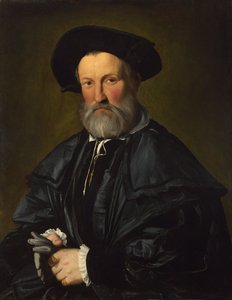
Callisto Piazza da Lodi
1500 - 1561 , Italy
Najważniejsze informacje
- Artistic Movement Or Style: Brescian Style
- Artists Or Movements Influenced By This Artist: ['Romanino']
- Artists Who Influenced This Artist:
- Romanino
- Moretto
- Dosso Dossi
- Ludovico Mazzolino
- Date Of Birth: Lodi, Italy (1500)
- Date Of Death: 1561
- Full Name: Callisto Piazza da Lodi
- Nationality: Italian
- Notable Artworks:
- The Concert
- St Catherine of Alexandria
- Madonna and Child
- Place Of Birth: Lodi