
 Podgląd w skali
 Wyślij jako kartkę
 Udostępnij
 Szczegóły dzieła

 Pobierz
 Podobne obiekty
 RTG
RTG Pokaz slajdów
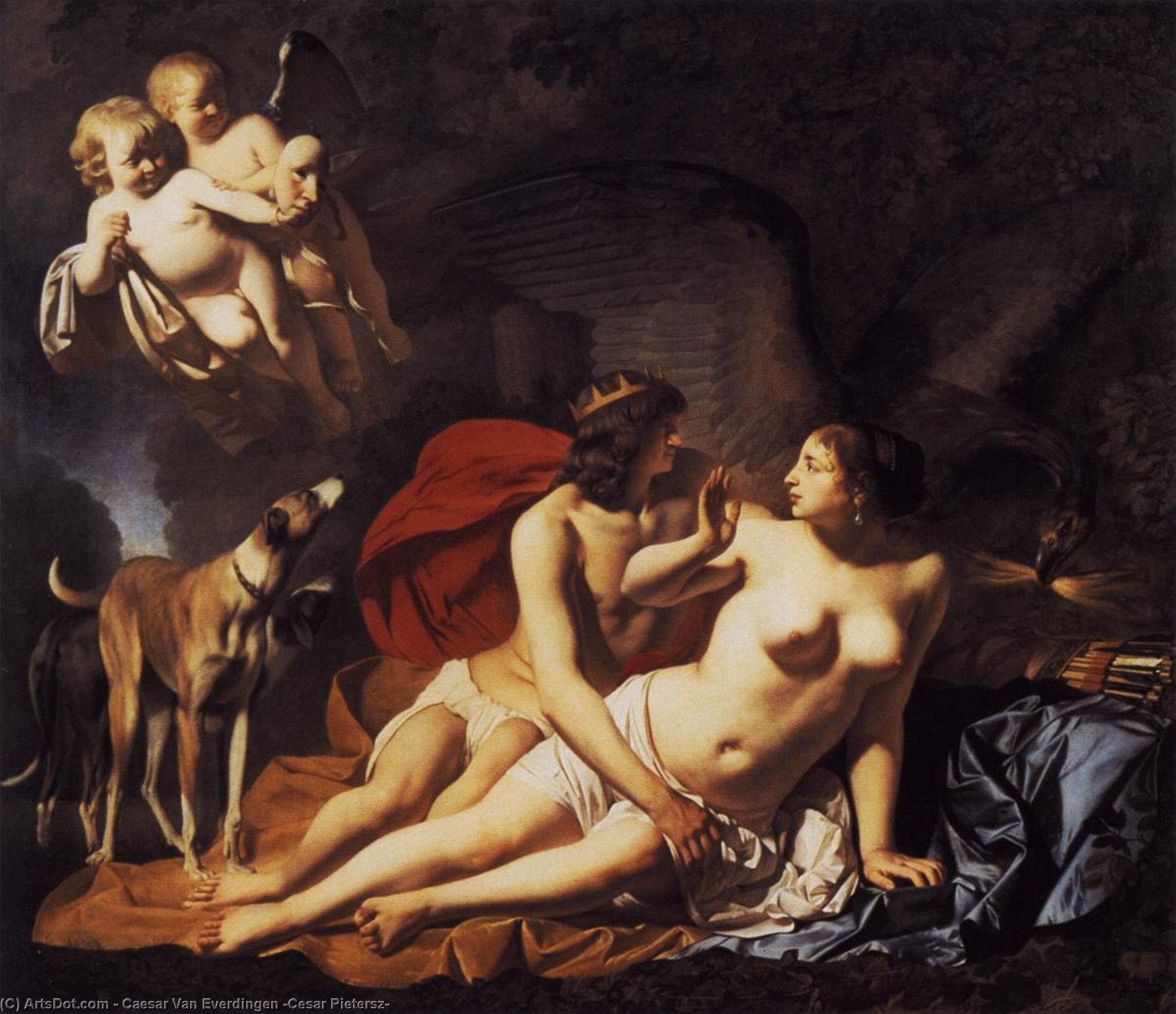
Jupiter and Callisto
 Baroque
 1655
1655 165.0 x 193.0 cm
 Narodowe Muzeum Sztuki i Design w Szwecji
 Rozwiń treść
Giclée / Wydruk artystyczny
Druk giclée lub płótno o jakości muzealnej, szybka realizacja i szeroki wybór opcji wykończenia. ( Zamów ręcznie malowaną reprodukcję Kup obraz wysokiej rozdzielczości)




































Wybierz spośród naszych standardowych rozmiarów, które zachowują oryginalne proporcje dzieła sztuki.

Możesz wprowadzić własne wymiary, aby dopasować dzieło do konkretnej ramy lub przestrzeni. Jeśli wybrany rozmiar nie będzie odpowiadał proporcjom oryginalnego obrazu, przytniecie dzieło lub rozszerzymy obraz za pomocą odbicia lustrzanego lub jednolitego wypełnienia krawędzi. Przed rozpoczęciem produkcji prześlemy cyfrową wizualizację do Twojej akceptacji.
Prosimy pamiętać, że podgląd na ekranie nie odzwierciedla faktycznego przycinania ani rozszerzania. Tylko wizualizacja dokładnie pokaże końcową kompozycję.
Mimo dostępności niestandardowych rozmiarów, zalecamy wybór wymiaru z listy zdefiniowanej, aby zachować oryginalne proporcje.
Dostawa na cały świat () w ciągu 2 tygodni zamiast standardowych 4/5 tygodni. (20 Sierpień)

Bezpłatna ekspresowa wysyłka na cały świat

Wysokiej jakości płótno lniane

Pełne ubezpieczenie przesyłki

Gwarancja zwrotu należności celnych i podatków importowych

Gwarancja wiernego odwzorowania kolorów

Polityka 60-dniowego zwrotu (tylko w przypadku wad)

Gwarancja 100% zwrotu kosztów

Zniżka przy zamówieniu wielu produktów
 Opcja ze szkłem jest dostępna wyłącznie w rozmiarach poniżej 110 cm

Jupiter and Callisto
Giclée / Wydruk artystyczny
Wymiary reprodukcji
-


Cena całkowita
$ 80
O artyście
A Legacy of Light and Line: The Life of Caesar van Everdingen
In the golden era of Dutch painting, where the interplay of light and shadow defined a nation's visual identity, Caesar van Everdingen emerged as a master of subtle emotion and atmospheric depth. Born around 1616 in the historic city of Alkmaar, Netherlands, his artistic journey was deeply intertwined with the prestigious lineage of his family. While often discussed alongside his celebrated brothers, Allart and Jan, Caesar carved out a distinct space for himself within the Dutch Golden Age. His early training under the esteemed Jan Gerritsz van Bronckhorst in Utrecht provided him with a rigorous foundation in classical aesthetics, instilling in him a precision that would later allow him to transcend mere technical skill and achieve true artistic vision.
His professional ascent began in earnest in 1632 when he officially joined the guild in Alkmaar. During these formative years, his repertoire was characterized by meticulous portraits and evocative genre scenes, works that demanded an intense observation of the human condition. However, as his talent matured, so too did his ambition. He moved beyond the confines of literal representation, developing a unique ability to manipulate brushstrokes to capture the fleeting nuances of light and the weight of atmosphere. This evolution marked his transition from a skilled craftsman to a visionary painter capable of breathing life into the canvas.
The Haarlem Years and Grand Ambitions
A pivotal chapter in Van Everdingen’s life unfolded in 1648 when he relocated to the vibrant, culturally rich city of Haarlem. This move was more than a change of scenery; it was an immersion into the heart of the Dutch art world. By joining the prestigious Haarlem Guild of St. Luke and becoming active within the schutterij (civic guard), Caesar embedded himself in the very fabric of the city's social and political elite. These connections proved instrumental in securing commissions that would define his historical significance.
Perhaps the most breathtaking achievement of his career was his involvement in the decoration of the Oranje Zaal (Orange Room) within the Huis ten Bosch. This monumental undertaking required a mastery of large-scale historical painting, a genre that demanded both narrative complexity and grand scale. In this setting, Caesar demonstrated his prowess in composing epic scenes, blending historical gravity with a delicate touch. His work during this period showcased a burgeoning ability to handle complex compositions, ensuring that his name would be etched into the architectural history of the Netherlands.
Artistic Maturity and Lasting Influence
In his later years, Caesar returned to his roots in Alkmaar, establishing a workshop that became a sanctuary for artistic instruction. This period of his life was marked by a profound dedication to the refinement of his craft and the mentorship of a new generation of painters. His late works reflect a lifetime of accumulated wisdom, characterized by a recurring fascination with celestial and ethereal themes. He became particularly renowned for his depictions of winged figures—angels and divine beings—rendered with a softness that suggested the presence of the sublime.
The significance of Caesar van Everdingen lies not only in his individual masterpieces but in his role as a bridge between the rigorous traditions of the early 17th century and the more emotive, atmospheric styles that followed. His ability to marry the precision of Dutch portraiture with the grandeur of historical narrative remains a testament to his versatility. Today, his works serve as vital windows into the soul of the Dutch Golden Age, reminding us of a time when every brushstroke was an attempt to capture the eternal within the ephemeral.

caesar van everdingen (cesar pietersz)
1616 - 1678 , Netherlands
Krótka nota
- Artistic Movement Or Style: Portrait & History
- Artists Who Influenced This Artist: ['Jan Gerritsz van Bronckhorst']
- Date Of Birth: 1616/17
- Date Of Death: 1678
- Full Name: Cesar Pietersz van Everdingen
- Nationality: Dutch
- Notable Artworks:
- Vertumnus and Pomona
- Young woman warming her hands
- Place Of Birth: Alkmaar, Netherlands
Powiązane artykuły
25 Najlepszych Obrazów Vincenta van Gogha – Galeria Sztuki Online | OriginalUniqueArt
Odkryj 25 najsłynniejszych obrazów Vincenta van Gogha! Poznaj historie, techniki i emocje kryjące się za 'Gwieździstą noc', 'Słonecznikami' i innymi arcydziełami. Reprodukcje najwyższej jakości na OriginalUniqueArt.com – inspiracje dla Twojego wnętrza.

Rembrandt van Rijn: 25 Najwybitniejszych Dzieł Sztuki – Reprodukcje i Inspiracje do Wnętrz
Poznaj 25 arcydzieł Rembrandta van Rijn! Odkryj fascynujące historie, techniki i wpływ holenderskiego mistrza baroku na świat sztuki. Reprodukcje obrazów najwyższej jakości – inspiracje do wnętrz na OriginalUniqueArt.com

Baroque Classicism: The Grandeur of Order and Drama in 17th-Century Art History
Explore the profound elegance of Baroque Classicism. Discover how 17th-century masters synthesized dramatic emotion with classical order through the lens of the Counter-Reformation and the works of legends like Carlo Maratta and Andrea Sacchi.
Barokowy Klasycyzm: Synteza Dramatu i Porządku w Sztuce XVII Wieku
Poznaj fascynujący świat barokowego klasycyzmu! Analiza ideologii kontrreformacji, syntezy antyku z dramatyzmem oraz mistrzowskich technik malarskich. Ekspercka wiedza o sztuce XVII wieku.

Holenderski Barok: 10 Arcydzieł, Które Zdefiniowały Epokę | OriginalUniqueArt
Poznaj 10 arcydzieł holenderskiego baroku! Odkryj historie Rembrandta, Vermeera i innych mistrzów XVII wieku. Reprodukcje obrazów najwyższej jakości – idealne do Twojego wnętrza. OriginalUniqueArt.com

