Podgląd w skali 1:1
 Wyślij jako kartkę
 Udostępnij
 Szczegóły dzieła
 Przewodnik

 Pobierz obraz
 Podobne obiekty
 RTG
RTG Pokaz slajdów
 Q&A
Q&A Statystyki
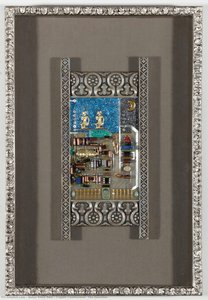
"Cryptic Confessions, The Question" - Tajemnicze Wyznania


 Rozwiń treść
Dzieło sztuki prezentowane na tej stronie podlega ochronie prawem autorskim, co oznacza, że nie mamy prawa do tworzenia ani sprzedaży jego identycznej reprodukcji. Ochrona ta jest egzekwowana na mocy umów międzynarodowych, takich jak Konwencja berneńska oraz przez przepisy prawa krajowego, w tym te określone w Prawo autorskie USA – Tytuł 17.
Metoda ta jest w pełni zgodna z przepisami prawa autorskiego, ponieważ nie polega na kopiowaniu ani powielaniu chronionego dzieła. Stanowi ona kreatywną reinterpretację – nowy obraz, który czerpie inspirację z oryginału, ale nie jest z nim tożsamy.
Giclée / Wydruk artystyczny
Wydruki giclée lub płótna o jakości muzealnej, szybka realizacja i szeroki wybór opcji wykończenia. ( Zamów ręcznie malowaną reprodukcję Przejdź do wersji cyfrowej)




P118B zł10

P118H zł10

P118W zł10

P438Z zł10

P508JH zł12

P508YH zł12

P805H zł10

P805Z zł10

P919BZ zł10

P919G zł10

P919XJ zł10

P959ZH zł10

P968JZ zł12

W106C zł8

W218G zł10

W218JH zł8

W218Y zł10

W307PJ zł10

W316G zł10

W316PJ zł8

W316Y zł10

W398PJ zł8

W4111J zł10

W500HY zł15

W500JH zł15

W692G zł12

W849H zł8

W940BG zł15

W953PJ zł8




Wybierz spośród naszych standardowych rozmiarów, które zachowują oryginalne proporcje dzieła sztuki.

Wpisz wymaganą szerokość i wysokość, aby dopasować grafikę do ramy lub ściany. Wydruk można jedynie przyciąć, nigdy nie powiększając go poza oryginalny obraz, dlatego format o innych proporcjach spowoduje utratę części kompozycji. Przed rozpoczęciem druku prześlemy Ci cyfrowy podgląd do zatwierdzenia. Obraz wyświetlany na tej stronie nie pokazuje rzeczywistego przycięcia — jedynie podgląd oddaje ten efekt.
Dostawa na cały świat () w ciągu 2 tygodni zamiast standardowych 4/5 tygodni. (1 Listopad)

Bezpłatna ekspresowa wysyłka na cały świat

Wysokiej jakości płótno lniane

Pełne ubezpieczenie przesyłki

Gwarancja zwrotu należności celnych i podatków importowych

Gwarancja wiernego odwzorowania kolorów

100-dniowa polityka zwrotów (tylko w przypadku wad)

Gwarancja 100% zwrotu pieniędzy

Zniżka przy zakupie wielu sztuk
 Opcja ze szkłem jest dostępna wyłącznie w rozmiarach poniżej 110 cm

"Cryptic Confessions, The Question" - Tajemnicze Wyznania
Giclée / Wydruk artystyczny
Wymiary reprodukcji
-


Cena całkowita
zł 311
A Meditation on Memory and Resistance: Exploring Betye Saar’s “Cryptic Confessions, The Question”
Betye Irene Saar's "Cryptic Confessions, The Question," created in 1988, stands as a testament to the enduring power of assemblage art—a medium she pioneered—and its capacity to convey profound emotional and intellectual resonance. More than just an arrangement of objects, this sculpture is a deliberate provocation, reflecting Saar’s lifelong preoccupation with confronting societal prejudices against Black women while simultaneously delving into personal recollections and spiritual contemplation. The artwork's striking blue backdrop serves as a canvas for a carefully curated collection of materials—bottles, clocks, and a bowl—each imbued with symbolic significance that speaks to themes of time, containment, and the fragmented nature of experience.- Style: Saar’s approach aligns squarely within the assemblage tradition established by Marcel Duchamp and Kurt Schwitters, prioritizing conceptual exploration over purely aesthetic considerations. However, unlike many contemporaries, Saar eschews formal experimentation in favor of a deeply rooted connection to vernacular materials—objects sourced from everyday life—transforming them into vehicles for social commentary. This stylistic choice distinguishes her work from more polished or decorative forms of art, emphasizing instead the artist’s engagement with raw material and challenging conventional notions of beauty.
- Technique: The sculpture’s construction involves gluing or tacking together disparate items onto a wooden surface, creating a textured and layered composition that invites viewers to engage actively with its visual and intellectual dimensions. Saar meticulously considers the placement of each element, aiming not merely for balance but also for conveying specific narratives and emotional states. This painstaking process underscores her belief in the transformative potential of art—demonstrating how seemingly insignificant objects can coalesce into powerful statements about identity and history.
This artwork embodies the spirit of contemporary assemblage, prioritizing conceptual depth alongside tactile materiality.
Pytania i odpowiedzi
Czy dzieło ""Cryptic Confessions, The Question" - Tajemnicze Wyznania" posiada podgląd w rozszerzonej rzeczywistości?
Strona Podgląd w AR dzieła „"Cryptic Confessions, The Question" - Tajemnicze Wyznania” – Betye Irene Saar wykorzystuje rozszerzoną rzeczywistość, aby dzięki kompatybilnemu urządzeniu pokazać obraz w Twojej własnej przestrzeni.
Jaka jest technika i data powstania „"Cryptic Confessions, The Question" - Tajemnicze Wyznania” – Betye Irene Saar?
Technika wykonania dzieła „"Cryptic Confessions, The Question" - Tajemnicze Wyznania” – Betye Irene Saar to Akryl na płótnie, a datowanie pracy pochodzi z 1988.
Do jakiego etapu kariery Betye Irene Saar odpowiada data powstania dzieła „"Cryptic Confessions, The Question" - Tajemnicze Wyznania” (1988)?
Data powstania dzieła (1988) sytuuje ""Cryptic Confessions, The Question" - Tajemnicze Wyznania" w Assemblage Era rozwoju twórczości Betye Irene Saar.
Biografia artysty
A Life Forged in Assemblage: The World of Betye Saar
Betye Irene Saar, born in Los Angeles in 1926, is more than just an artist; she’s a visual storyteller, a cultural archaeologist, and a powerful voice challenging the narratives surrounding race, gender, and spirituality. Her journey began amidst personal shifts – the loss of her father when she was six, followed by a formative upbringing with her maternal great-aunt Hattie Parson Keys in Pasadena. This early experience deeply imprinted upon her an understanding of Black womanhood, resilience, and the power of inherited memory, themes that would become central to her artistic explorations. Saar’s academic path included a B.A. in Design from UCLA in 1949, followed by graduate studies at several California institutions, but it was a period of diverse creative pursuits – social work, jewelry making, costume design – that ultimately paved the way for her unique artistic voice. These early endeavors honed her sensitivity to materials and narrative, skills she would later deploy with profound effect in her assemblages.Finding Her Voice: From Printmaking to Three Dimensions
While initially drawn to printmaking, a pivotal moment arrived in 1967 with an exhibition of work by Joseph Cornell. The intricate, poetic boxes of Cornell sparked something within Saar, igniting a fascination with assemblage – the art of constructing three-dimensional works from found objects. This discovery proved transformative. It wasn’t merely about creating art *from* things; it was about imbuing those things with new meaning, reclaiming their histories, and challenging the stories they silently carried. Saar's artistic development was also profoundly influenced by her surroundings. The monumental Watts Towers, a testament to individual vision and resourceful construction, inspired her use of everyday materials and exploration of personal mythology. A visit to the Field Museum in Chicago exposed her to the rich visual languages of African, Oceanic, and Egyptian art, broadening her aesthetic horizons and deepening her connection to ancestral roots. These influences coalesced into a distinctive style characterized by its layered symbolism, evocative imagery, and powerful emotional resonance.Deconstructing Stereotypes: Themes and Artistic Style
Betye Saar’s work is fundamentally a critique of racism and the harmful stereotypes that have historically plagued representations of African Americans. She doesn't shy away from confronting these painful legacies; instead, she actively engages with them, transforming objects laden with racist imagery – “mammy” figures, antique advertisements, derogatory caricatures – into statements of empowerment and resistance. Her art is a process of deconstruction and reclamation, stripping away the layers of prejudice to reveal the humanity beneath. But Saar’s vision extends beyond racial injustice. She delves deeply into themes of spirituality, drawing from African religions, folklore, and mystical traditions to create works that explore the unseen forces shaping our lives. Her pieces often incorporate talismans, charms, and symbolic objects, inviting viewers to contemplate the power of belief and the search for meaning. Furthermore, Saar consistently addresses the experiences of Black women, reclaiming narratives often marginalized in mainstream art history and celebrating their strength, resilience, and inner worlds.Legacy and Recognition: A Pioneer’s Impact
Throughout her illustrious career, Betye Saar has received widespread acclaim for her groundbreaking work. She emerged as a key figure within the Black Arts Movement of the 1970s, a period of intense artistic and political activism that sought to redefine African American identity and challenge systemic oppression. Her artwork is now featured in prominent museum collections worldwide, including the Museum of Modern Art (MoMA) and the Whitney Museum of American Art, solidifying her place within the canon of contemporary art. Beyond these accolades, Saar has received honorary doctorate degrees from numerous institutions, recognizing not only her artistic achievements but also her contributions to art education and cultural discourse. Her historical significance lies in her pioneering exploration of complex social issues through innovative artistic practices. She paved the way for future generations of artists to address race, gender, and spirituality with honesty, courage, and a commitment to challenging the status quo. Her legacy extends far beyond individual artworks; she has inspired countless creators to reclaim their narratives, question conventions, and create art that is both visually compelling and politically engaged – a testament to the enduring power of her vision. Betye Saar’s work continues to resonate today, reminding us of the importance of confronting our past, celebrating our diversity, and striving for a more just and equitable future.
Betye Irene Saar
1926 - , United States of America
Krótka nota
- Full Name: Betye Irene Saar
- Nationality: American
- Date Of Birth: 1926
- Place Of Birth: Los Angeles, United States of America
- Notable Artworks:
- Cryptic Confessions, The Question
- Lost Dimensions of Time
- Bridge to Infinity
- Artistic Movement Or Style: Assemblage, Black Arts Movement
- Artists Who Influenced This Artist:
- Joseph Cornell
- Simon Rodia
- Artists Or Movements Influenced By This Artist: Future generations of artists
Powiązane artykuły

10 Legendarnych Brązów, Które Zrewolucjonizowały Sztukę | OriginalUniqueArt
Odkryj 10 legendarnych rzeźb brązowych, które zrewolucjonizowały sztukę! Poznaj historie Rodina, Donatello i innych mistrzów. Inspiracje wnętrzarskie & reprodukcje najwyższej jakości na OriginalUniqueArt.com.

Trwała Forma: Rzeźba w Historii – Technika i Rezonans Emocjonalny
Poznaj historię rzeźby od antyku do współczesności! Ekspercka analiza technik, stylów i emocjonalnego wpływu arcydzieł. Inspiracje dla kolekcjonerów i miłośników sztuki.

Czarne arcydzieła: Top 10 słynnych obrazów pełnych mroku i ekspresji | OriginalUniqueArt.com
Odkryj 10 słynnych obrazów, w których czerń króluje! Poznaj historie artystów, ekspresjonizm i mroczną paletę barw. Reprodukcje dzieł sztuki najwyższej jakości na OriginalUniqueArt.com – inspiracje do wnętrz i kolekcjonerstwo.

10 Legendarnych Brązów Rzeźbiarskich, Które Zmieniły Sztukę | OriginalUniqueArt
Odkryj 10 legendarnych rzeźb brązowych od Rodina, Degasa i innych mistrzów! Poznaj historię powstania arcydzieł sztuki i inspiruj się do dekoracji wnętrz. Reprodukcje najwyższej jakości na OriginalUniqueArt.com – zobacz kolekcję!

Trwałe Formy: Ewolucja Technik i Tematów w Rzeźbie Przez Wieki – Od Antyku do Renesansu
Poznaj fascynującą historię rzeźby od antyku do renesansu! Odkryj techniki, wybitnych artystów i wpływ na współczesną sztukę. Ekspercka analiza dla kolekcjonerów i miłośników.