

 Zobacz w skali 1:1
 Wyślij
 Udostępnij
 Szczegóły
 Przewodnik

 Pobierz plik obrazu
 Podobne obiekty
 RTG
RTG Pokaz slajdów
 Statystyki
Holy Trinity, Coventry
 Social Realism
 1943
1943 45.0 x 30.0 cm
 Herbert Art Gallery - Museum
 Czytaj więcej
Dzieło sztuki prezentowane na tej stronie podlega ochronie prawem autorskim, co oznacza, że nie mamy prawa do tworzenia ani sprzedaży jego identycznej reprodukcji. Ochrona ta jest egzekwowana na mocy umów międzynarodowych, takich jak Konwencja berneńska oraz przez przepisy prawa krajowego, w tym te określone w Prawo autorskie USA – Tytuł 17.
Metoda ta jest w pełni zgodna z przepisami prawa autorskiego, ponieważ nie polega na kopiowaniu ani powielaniu chronionego dzieła. Stanowi ona kreatywną reinterpretację – nowy obraz, który czerpie inspirację z oryginału, ale nie jest z nim tożsamy.
Giclée / Wydruk artystyczny
Wydruki giclée lub płótna o jakości muzealnej, szybka realizacja i szeroki wybór opcji wykończenia. ( Kup ręcznie malowany obraz Przełącz na wersję cyfrową)




































Wybierz spośród naszych standardowych rozmiarów, które zachowują oryginalne proporcje dzieła sztuki.

Wpisz wymaganą szerokość i wysokość, aby dopasować grafikę do ramy lub ściany. Wydruk można jedynie przyciąć, nigdy nie powiększając go poza oryginalny obraz, dlatego format o innym proporcji spowoduje utratę części kompozycji. Przed rozpoczęciem druku prześlemy Ci cyfrowy podgląd do zatwierdzenia. Obraz wyświetlany na tej stronie nie pokazuje rzeczywistego przycięcia — jedynie podgląd oddaje ten efekt.
Dostawa na cały świat () w ciągu 2 tygodni zamiast standardowych 4/5 tygodni. (22 Październik)

Bezpłatna ekspresowa wysyłka na cały świat

Wysokiej jakości płótno lniane

Pełne ubezpieczenie transportowe

Gwarancja zwrotu należności celnych i podatków importowych

Gwarancja idealnego odwzorowania barw

100-dniowy okres na zwrot dzieła w przypadku wykrycia wad produkcyjnych

Gwarancja 100% zwrotu pieniędzy

Oferta przy zakupie wielu sztuk
 Opcja ze szkłem jest dostępna wyłącznie w rozmiarach poniżej 110 cm

Holy Trinity, Coventry
Giclée / Wydruk artystyczny
Rozmiar reprodukcji
-


Suma do zapłaty
zł 307
Biografia artysty
Beryl Clifton Bowyer: A Chronicle of Coventry’s Urban Tapestry
Beryl Clifton Bowyer (1914-2001) wasn't a name immediately recognized in the grand halls of the art world, yet her canvases hold a remarkable power—a quiet, observant record of a city undergoing profound transformation. Born in Coventry, England, during a period marked by industrial growth and subsequent wartime devastation, Bowyer’s artistic journey was inextricably linked to the very fabric of her hometown. Her work isn't about dramatic narratives or sweeping landscapes; instead, she meticulously documented the everyday realities of urban life, capturing the resilience, the decay, and the enduring spirit of Coventry through a distinctly post-impressionistic lens.
Bowyer’s early artistic training remains somewhat elusive, suggesting a self-taught approach honed by keen observation. She began her career as a commercial artist, working for local firms producing advertising and publicity materials. This experience undoubtedly shaped her eye for detail and her understanding of composition – skills she later applied to her more ambitious paintings. However, it was the post-war years that truly ignited her artistic passion. The Blitz had left Coventry scarred, its streets choked with rubble and its inhabitants grappling with loss and rebuilding. It was in this environment of profound change that Bowyer began to seriously pursue painting, initially as a means of personal expression but quickly evolving into a dedicated project documenting the city’s recovery.
The Lens on Coventry: Themes and Techniques
Bowyer's paintings are overwhelmingly focused on Coventry itself. She didn’t seek grand vistas or romanticized views; instead, she chose to depict the gritty realities of working-class neighborhoods, market squares, and the remnants of a once-proud industrial city. Her subjects ranged from humble street scenes – Shored Up Houses, capturing the resilience of ordinary dwellings amidst the ruins – to iconic landmarks like Holy Trinity Church, rendered with poignant detail against a backdrop of devastation. A recurring motif is the ‘Spon End’ area, a densely populated district that she portrayed repeatedly, offering a series of intimate portraits of its residents and architecture.
Technically, Bowyer's style leans heavily on post-impressionism, particularly in her use of color and brushwork. She favored muted earth tones – browns, greys, ochres – to reflect the somber mood of the era, punctuated by occasional bursts of brighter hues that hinted at hope and renewal. Her brushstrokes were often loose and expressive, conveying a sense of immediacy and capturing the texture of brick, stone, and weathered timber. She wasn't interested in photographic realism; rather, she aimed to evoke an emotional response through her interpretation of the scene.
Key Works and Historical Context
Several paintings stand out as particularly significant examples of Bowyer’s work. ‘Holy Trinity, Coventry,’ painted in 1943, is arguably her most famous piece. It's a powerful depiction of the church after the bombing raids, its skeletal frame standing defiant against the smoke-filled sky. The painting isn’t simply a record of destruction; it’s an assertion of faith and community spirit. ‘Spon End, Coventry,’ painted in 1936, offers a more intimate glimpse into the lives of ordinary people, capturing the bustling atmosphere of the market square and the faces of its residents. ‘Bayley Lane and the Ruined East End of St Michael’s, Coventry’, created in 1942/43, powerfully illustrates the immediate aftermath of the war, showing the devastation alongside glimpses of rebuilding efforts.
Bowyer's work is deeply rooted in its historical context. Coventry was a major industrial center during the early 20th century, and her paintings reflect the city’s role as a manufacturing hub. The wartime destruction exposed the vulnerability of urban centers to conflict, prompting a re-evaluation of community values and priorities. Bowyer's art serves as a valuable historical document, offering insights into the experiences of ordinary people during a turbulent period.
Legacy and Recognition
Despite her consistent output and undeniable talent, Beryl Clifton Bowyer remained largely unknown outside of Coventry for much of her life. Her work was primarily exhibited locally at the Herbert Art Gallery & Museum in Coventry, where it continues to be celebrated as a significant contribution to British art. In recent years, there has been a growing recognition of her importance as an urban chronicler and a skilled observer of everyday life. Her paintings provide a unique and poignant perspective on a city grappling with war, loss, and renewal – a testament to the enduring power of observation and artistic expression.
Today, Bowyer’s work is increasingly being studied and appreciated for its honesty, sensitivity, and remarkable ability to capture the spirit of a community. She represents a vital voice in British art history, offering a valuable glimpse into the lives and experiences of ordinary people during a pivotal moment in the 20th century.

Beryl Clifton Bowyer
1914 - 2001
Najważniejsze informacje
- Artistic Movement Or Style: Post-Impressionism
- Artists Or Movements Influenced By This Artist:
- British Modernism
- Urban Landscape Art
- Artists Who Influenced This Artist:
- Turner
- Rossetti
- Date Of Birth: 1914
- Date Of Death: 2001
- Full Name: Beryl Clifton Bowyer
- Nationality: British
- Notable Artworks:
- Shored Up Houses, Coventry
- Holy Trinity, Coventry
- Spon End, Coventry
- Place Of Birth: Coventry, England
Zobacz także powiązane artykuły
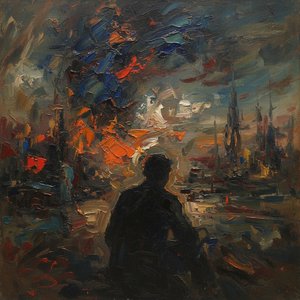
Henry Wolf: A Legacy of Abstract Expressionism & Emotional Resonance in Post-War Art
Explore the profound legacy of Henry Wolf, a pivotal figure in Abstract Expressionism and post-war visual culture. Discover his impact on graphic design, photography, and art collecting with OriginalUniqueArt.

William Owen: A Poetic Vision of War & Landscape in British Modernism
Explore the poignant war poetry of Wilfred Owen, a key figure in British Modernism. Discover his innovative style, themes of loss & camaraderie, and lasting impact on 20th-century literature. Analysis & historical context included.

Echoes of Trauma & Hope: Representing Transformation in Artworks of 1918
Explore the profound artistic responses to World War I's trauma & hope. Discover Expressionist masterpieces by Bacon, de Kooning & more. Expert insights for collectors & art enthusiasts at OriginalUniqueArt.
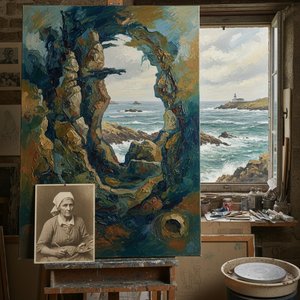
Yvonne Jean Haffen: A Breton Vision of Post-War Abstraction
Discover the captivating world of Yvonne Jean Haffen, a leading figure in post-war French abstraction. Explore her unique style, vibrant color palettes, and investment potential with OriginalUniqueArt.
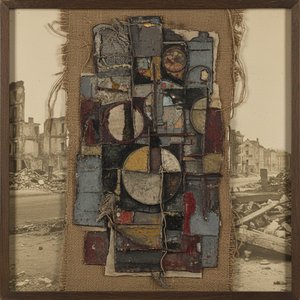
Lech Jankowski: Polish Abstraction & the Materiality of Post-War Identity
Explore the compelling work of Lech Jankowski, a leading figure in Polish post-war abstraction. Discover his unique exploration of materiality, identity, and surreal landscapes – a valuable addition to any discerning art collection.