

 Podgląd w skali 1:1
 Wyślij jako kartkę
 Udostępnij
 Szczegóły dzieła
 Przewodnik

 Pobierz obraz
 Podobne obiekty
 RTG
RTG Pokaz slajdów
 Statystyki
Hide and Seek


 Rozwiń treść
Giclée / Wydruk artystyczny
Wydruki giclée lub płótna o jakości muzealnej, szybka realizacja i szeroki wybór opcji wykończenia. ( Zamów ręcznie malowaną reprodukcję Przejdź do wersji cyfrowej)




P118B zł10

P118H zł10

P118W zł10

P438Z zł10

P508JH zł12

P508YH zł12

P805H zł10

P805Z zł10

P919BZ zł10

P919G zł10

P919XJ zł10

P959ZH zł10

P968JZ zł12

W106C zł8

W218G zł10

W218JH zł8

W218Y zł10

W307PJ zł10

W316G zł10

W316PJ zł8

W316Y zł10

W398PJ zł8

W4111J zł10

W500HY zł15

W500JH zł15

W692G zł12

W849H zł8

W940BG zł15

W953PJ zł8




Wybierz spośród naszych standardowych rozmiarów, które zachowują oryginalne proporcje dzieła sztuki.

Wpisz wymaganą szerokość i wysokość, aby dopasować grafikę do ramy lub ściany. Wydruk można jedynie przyciąć, nigdy nie powiększając go poza oryginalny obraz, dlatego format o innych proporcjach spowoduje utratę części kompozycji. Przed rozpoczęciem druku prześlemy Ci cyfrowy podgląd do zatwierdzenia. Obraz wyświetlany na tej stronie nie pokazuje rzeczywistego przycięcia — jedynie podgląd oddaje ten efekt.
Dostawa na cały świat () w ciągu 2 tygodni zamiast standardowych 4/5 tygodni. (28 Październik)

Bezpłatna ekspresowa wysyłka na cały świat

Wysokiej jakości płótno lniane

Pełne ubezpieczenie przesyłki

Gwarancja zwrotu należności celnych i podatków importowych

Gwarancja wiernego odwzorowania kolorów

100-dniowa polityka zwrotów (tylko w przypadku wad)

Gwarancja 100% zwrotu pieniędzy

Zniżka przy zakupie wielu sztuk
 Opcja ze szkłem jest dostępna wyłącznie w rozmiarach poniżej 110 cm

Hide and Seek
Giclée / Wydruk artystyczny
Wymiary reprodukcji
-


Cena całkowita
zł 308
Understanding the Painting "Hide and Seek"
“Hide and Seek” is an oil on canvas painting created by Berthe Morisot in 1873, showcasing a beautiful depiction of everyday life in the 19th century. This artwork exemplifies Morisot's unique style and technique, making it a subject of fascination for art enthusiasts. The painting features a woman holding fruit in her hand while standing next to a child, surrounded by an outdoor setting with grass, trees, and buildings in the background. The use of vibrant colors and intricate details makes this painting a true masterpiece.
Artistic Style and Influences
Impressionism: Berthe Morisot's style is characterized as Impressionism, a movement that emphasized capturing fleeting moments of everyday life. Her work was influenced by other notable artists, including Edouard Manet, who created a stunning portrait of Berthe Morisot. The loose brushwork, emphasis on light and color, and attempt to capture the subjective experience of the scene are hallmarks of this style. To learn more about the history of painting, visit History of Painting on Wikipedia.
Symbolism and Emotional Impact
The subject matter centers on a domestic scene – a mother and child enjoying a walk in nature. Symbolically, the roses represent beauty, love, and perhaps innocence. Emotionally, the painting conveys tranquility, serenity, and a sense of idyllic rural life. The diffused lighting contributes to the overall softness and atmospheric effect, evoking feelings of peace and nostalgia.
Notable Artists and Museums
Other notable artists whose work can be found on OriginalUniqueArt.com include Pierre-Auguste Renoir, known for his beautiful painting Women in a Garden. The Musée Des Beaux-Arts Tourcoing, France is also worth visiting, with its impressive collection of artworks from various periods and styles, as mentioned in the article Discover the Musée Des Beaux-Arts Tourcoing, France.
Additional Resources
- Visit OriginalUniqueArt.com to explore a wide range of handmade oil painting reproductions.
- Learn more about Paul Cézanne, a French Post-Impressionist painter, on Wikipedia.
Pytania i odpowiedzi
Jaki nastrój budzi "Hide and Seek"?
Nastrój dzieła „Hide and Seek” – Berthe Morisot opisuje się jako Nostalgic. Klasyfikacja ta może pomóc w dopasowaniu pracy do konkretnego wnętrza.
Do którego etapu twórczości Berthe Morisot należy dzieło „Hide and Seek”?
W dorobku artystycznym Berthe Morisot dzieło „Hide and Seek” przypada na Mature Period. Ten etap pozwala zestawić je z innymi pracami twórcy.
Jak nasycone są kolory w „Hide and Seek” – Berthe Morisot?
Kolory w „Hide and Seek” – Berthe Morisot charakteryzują się Vivid intensywnością.
Biografia artysty
A Life Immersed in Light and Intimacy
Berthe Morisot, born in Bourges, France, in 1841, emerged as a pivotal figure within the Impressionist movement, yet her story extends far beyond simply being a “female Impressionist.” To define her solely by gender diminishes the profound originality of her artistic vision and her unwavering commitment to capturing the fleeting moments of modern life. Descended from a bourgeois family with artistic lineage – she was related to the celebrated Rococo painter Jean-Honoré Fragonard – Morisot received an education uncommon for women of her era, one that nurtured her innate talent and fostered a lifelong dedication to painting. Early lessons with Geoffroy-Alphonse Chocarne and Joseph Guichard provided foundational skills, but it was exposure to the masterpieces within the Louvre, copying works by the Old Masters, that truly ignited her artistic sensibility. This period of rigorous training laid the groundwork for her later explorations of light, color, and form. The influence of Jean-Baptiste-Camille Corot proved particularly significant; his emphasis on *plein air* painting – working outdoors directly from nature – became a cornerstone of Morisot’s approach, allowing her to capture the ephemeral qualities of light and atmosphere with remarkable sensitivity.Navigating the Impressionist Circle
Morisot's artistic journey intertwined closely with that of Édouard Manet, whom she met in 1864. Their relationship was one of mutual respect and intellectual exchange, with Manet serving as a mentor and friend. He painted her numerous times, immortalizing her presence within his own evolving style. However, Morisot wasn’t merely a subject; she actively participated in the burgeoning Impressionist movement, becoming a founding member alongside Monet, Degas, Renoir, and Pissarro. In 1874, she boldly exhibited with this group of “rejected” artists, defying the conservative standards of the official Salon. This first Impressionist exhibition marked a turning point in art history, challenging traditional academic conventions and paving the way for new modes of artistic expression. Morisot participated in nearly all subsequent Impressionist exhibitions, consistently showcasing her unique perspective and solidifying her position within the avant-garde. Her work, often depicting intimate scenes of domestic life – women reading, mothers with children, leisurely moments in gardens – offered a distinctly feminine gaze, challenging prevailing societal norms and expanding the scope of acceptable subject matter for female artists.A Distinctive Artistic Voice
What sets Morisot apart is not simply *what* she painted, but *how* she painted it. Her brushwork is characterized by its delicate fluidity, a lightness of touch that conveys an impression of spontaneity and immediacy. She masterfully employed broken color – applying small strokes of pure pigment side-by-side to create a shimmering effect of light and atmosphere. Unlike some of her Impressionist colleagues who focused on grand landscapes or bustling cityscapes, Morisot often chose intimate interior scenes and portraits, exploring the nuances of human relationships and the quiet beauty of everyday life. Her palette is typically soft and harmonious, favoring pastel shades and subtle gradations of color. This isn’t to say her work lacks strength; rather, it possesses a refined elegance and emotional depth that resonates with viewers even today. Critics like Gustave Geffroy recognized this unique quality, hailing her as one of “les trois grandes dames” of Impressionism – alongside Marie Bracquemond and Mary Cassatt – acknowledging her significant contribution to the movement.Key Works and Influences
Morisot’s artistic development was shaped by a confluence of influences. Beyond Corot's *plein air* technique, she deeply admired the works of Eugène Delacroix, particularly his use of color and dramatic lighting. The influence of Japanese prints, which were gaining popularity in France during this period, is also evident in her compositions—particularly her careful attention to detail and cropped viewpoints. Her early work often mirrored Manet’s style, but she quickly developed a distinct voice, characterized by a delicate lyricism and an intimate portrayal of domestic life. Notable works include *Woman at Her Toilette*, a poignant depiction of a young woman preparing for the evening; *The Cradle*, a tender scene of a mother and child; and *Summer's Day*, which captures a fleeting moment of joy amidst a sun-drenched garden. These paintings, along with many others, reveal her remarkable ability to convey emotion through subtle gestures and carefully observed details.Legacy and Lasting Influence
Berthe Morisot’s life was tragically cut short in 1895, but her artistic legacy endures. Married to Eugène Manet, brother of Édouard, she navigated a world that often underestimated female artists, yet she persevered with unwavering determination. She exhibited under her full maiden name – a subtle act of independence and self-assertion – and consistently challenged conventional expectations. Her work continues to captivate audiences with its delicate beauty, emotional honesty, and innovative technique. Morisot’s influence extends beyond the realm of Impressionism; she paved the way for future generations of female artists, demonstrating that women could achieve artistic excellence and contribute meaningfully to the evolution of art history. Today, her paintings are held in prestigious collections around the world, serving as a testament to her enduring talent and her pivotal role in shaping modern art. Woman in the Green Dress, *The Cradle*, and *Summer’s Day* remain iconic examples of her mastery, inviting viewers into a world of light, intimacy, and quiet contemplation.
Berthe Morisot
1841 - 1895 , Francja
Krótka nota
- Artistic Movement Or Style: Impresjonizm
- Artists Or Movements Influenced By This Artist: ['Impresjonizm']
- Artists Who Influenced This Artist:
- Corot
- Manet
- Date Of Birth: 14 stycznia 1841
- Date Of Death: 2 marca 1895
- Full Name: Berthe Morisot
- Nationality: Francuzka
- Notable Artworks:
- Kobieta w zieleni
- Kołyska
- Lato
- Place Of Birth: Bourges, Francja
Powiązane artykuły

Beyond the Shadows: The Powerful Legacies of Artemisia Gentileschi and Berthe Morisot
Explore the profound legacies of Artemisia Gentileschi and Berthe Morisot. Discover how these female masters redefined the Baroque and Impressionist eras through dramatic chiaroscuro and luminous light, leaving an indelible mark on art history and modern aesthetics.

Beyond the Shadows: The Resurgence of Female Masters Artemisia Gentileschi and Berthe Morisot
Explore the profound resurgence of female masters Artemisia Gentileschi and Berthe Morisot. Discover how their revolutionary use of light, shadow, and intimacy redefined art history and continues to inspire sophisticated modern collections.
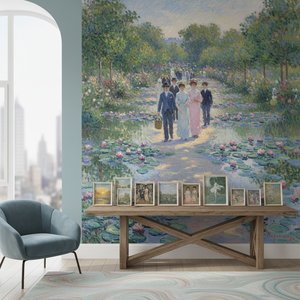
Top 10 arcydzieł impresjonizmu, które zmieniły sztukę | OriginalUniqueArt.com
Odkryj 10 arcydzieł impresjonizmu od Moneta, Renoir'a i Degasa! Poznaj historię tych ikonicznych obrazów, techniki malarskie i inspiracje. Reprodukcje najwyższej jakości na OriginalUniqueArt.com – idealne do Twojego wnętrza. Eksploruj kolekcję online!

Beyond the Shadows: The Powerful Legacies of Artemisia Gentileschi and Berthe Morisot
Explore the profound legacies of Artemisia Gentileschi and Berthe Morisot. Discover how these female masters redefined the Baroque and Impressionist eras through dramatic chiaroscuro and luminous light in this expert art-history guide for collectors and enthusiasts.

Impressionizm w Obrazach: 10 Arcydzieł Pełnych Światła i Koloru | OriginalUniqueArt
Odkryj 10 arcydzieł impresjonizmu! Poznaj historie Claude Moneta, Degasa i Van Gogha. Reprodukcje obrazów najwyższej jakości – pejzaże pełne światła i koloru do Twojego wnętrza. OriginalUniqueArt.


