

 Zobacz w skali 1:1
 Wyślij
 Udostępnij
 Szczegóły
 Przewodnik

 Pobierz plik obrazu
 Podobne obiekty
 RTG
RTG Pokaz slajdów
 Statystyki
Evening, Richmond
 Oil
Oil- WallArt
- Impressionism
 1970
1970- Modern
 21.0 x 26.0 cm
 Llyfrgell Genedlaethol Cymru / The National Library of Wales
 Czytaj więcej
Dzieło sztuki prezentowane na tej stronie podlega ochronie prawem autorskim, co oznacza, że nie mamy prawa do tworzenia ani sprzedaży jego identycznej reprodukcji. Ochrona ta jest egzekwowana na mocy umów międzynarodowych, takich jak Konwencja berneńska oraz przez przepisy prawa krajowego, w tym te określone w Prawo autorskie USA – Tytuł 17.
Metoda ta jest w pełni zgodna z przepisami prawa autorskiego, ponieważ nie polega na kopiowaniu ani powielaniu chronionego dzieła. Stanowi ona kreatywną reinterpretację – nowy obraz, który czerpie inspirację z oryginału, ale nie jest z nim tożsamy.
Giclée / Wydruk artystyczny
Wydruki giclée lub płótna o jakości muzealnej, szybka realizacja i szeroki wybór opcji wykończenia. ( Kup ręcznie malowany obraz Przełącz na wersję cyfrową)




P118B zł10

P118H zł10

P118W zł10

P438Z zł10

P508JH zł12

P508YH zł12

P805H zł10

P805Z zł10

P919BZ zł10

P919G zł10

P919XJ zł10

P959ZH zł10

P968JZ zł12

W106C zł8

W218G zł10

W218JH zł8

W218Y zł10

W307PJ zł10

W316G zł10

W316PJ zł8

W316Y zł10

W398PJ zł8

W4111J zł10

W500HY zł15

W500JH zł15

W692G zł12

W849H zł8

W940BG zł15

W953PJ zł8




Wybierz spośród naszych standardowych rozmiarów, które zachowują oryginalne proporcje dzieła sztuki.

Wpisz wymaganą szerokość i wysokość, aby dopasować grafikę do ramy lub ściany. Wydruk można jedynie przyciąć, nigdy nie powiększając go poza oryginalny obraz, dlatego format o innym proporcji spowoduje utratę części kompozycji. Przed rozpoczęciem druku prześlemy Ci cyfrowy podgląd do zatwierdzenia. Obraz wyświetlany na tej stronie nie pokazuje rzeczywistego przycięcia — jedynie podgląd oddaje ten efekt.
Dostawa na cały świat () w ciągu 2 tygodni zamiast standardowych 4/5 tygodni. (21 Październik)

Bezpłatna ekspresowa wysyłka na cały świat

Wysokiej jakości płótno lniane

Pełne ubezpieczenie transportowe

Gwarancja zwrotu należności celnych i podatków importowych

Gwarancja idealnego odwzorowania barw

100-dniowy okres na zwrot dzieła w przypadku wykrycia wad produkcyjnych

Gwarancja 100% zwrotu pieniędzy

Oferta przy zakupie wielu sztuk
 Opcja ze szkłem jest dostępna wyłącznie w rozmiarach poniżej 110 cm

Evening, Richmond
Giclée / Wydruk artystyczny
Rozmiar reprodukcji
-


Suma do zapłaty
zł 304
A Golden Hour in Richmond
In the quiet transition between day and night, there exists a fleeting moment of profound stillness, a period where the world seems to hold its breath as the sun dips below the horizon. Evening, Richmond, painted by the esteemed Royal Academician Bernard Dunstan in 1970, captures this ephemeral magic with unparalleled grace. The painting presents a breathtaking vista of a cityscape bathed in the warm, amber glow of a setting sun. As the light filters through the urban silhouette, it transforms the architecture into a series of soft, glowing shapes, creating a sense of depth and atmosphere that invites the viewer to step directly into the scene. It is not merely a depiction of a place, but an invitation to experience the serenity of a summer twilight.
The composition masterfully balances the grandeur of the sky with the intimate human element found in the foreground. Two figures stroll along a pathway, their presence providing a sense of scale and a narrative heartbeat to the landscape. They are not alone; scattered throughout the scene, other souls move through the twilight, some lost in thought, others simply pausing to admire the celestial display. This subtle inclusion of life within the urban expanse evokes a feeling of shared human experience—a collective moment of awe at the beauty of the natural world persisting amidst the structures of man. For an interior designer, this piece serves as a focal point of tranquility, offering a window into a peaceful, idealized reality that can soothe and elevate any living space.
Technically, Dunstan employs an Impressionistic sensibility that prioritizes light and mood over rigid detail. His brushwork is deliberate yet fluid, allowing the warm hues of the sunset—deep oranges, soft pinks, and mellow yellows—to bleed into one another with a dreamlike quality. This technique creates a luminous effect, as if the canvas itself is radiating heat from the departing sun. Having been trained at the prestigious Slade School of Fine Art, Dunstan brings a rigorous command of light and shadow to this work, ensuring that every stroke contributes to the overall emotional resonance. The painting does not just show us a sunset; it makes us feel the cooling air and the lengthening shadows of an evening in Richmond.
For collectors and lovers of fine British art, Evening, Richmond represents a quintessential example of Dunstan’s ability to find extraordinary beauty in ordinary moments. It is a work steeped in nostalgia and peace, making it an ideal acquisition for those looking to add a touch of classical elegance and emotional warmth to their collections. Whether displayed in a sunlit gallery or a cozy study, this reproduction brings with it the timeless allure of a perfect summer evening, reminding us all to pause and appreciate the quiet splendor of the world around us.
Pytania i odpowiedzi
Jakie miejsce w historii sztuki zajmuje „Evening, Richmond” autorstwa Bernard Dunstan?
Klasyfikacja historii sztuki dla dzieła „Evening, Richmond” autorstwa Bernard Dunstan to Impressionism, z okresu Modern.
Kto jest autorem dzieła "Evening, Richmond" i do jakiego nurtu ono należy?
"Evening, Richmond" powstało autorstwa Bernard Dunstan w stylu Impressionism. Artysta oraz nurt definiują tradycję tego dzieła.
W jakim wieku Bernard Dunstan stworzył(a) "Evening, Richmond"?
Bernard Dunstan stworzył/a "Evening, Richmond" w wieku 50 lat. Artysta urodził/a się w 1920, a datowanie dzieła to 1970.
Biografia artysty
A Life Dedicated to Observation: The World of Bernard Dunstan
Bernard Dunstan, Royal Academician (1920-2017), stands as a quietly compelling figure in 20th and 21st century British art. Though perhaps not a household name, his long career – he was the longest serving Royal Academician at the time of his death – was marked by a steadfast dedication to painting figures within interiors and evocative landscapes, rendered with a sensitivity that speaks to both Impressionistic roots and a uniquely personal vision. Born in Teddington, Middlesex, Dunstan’s artistic journey began in 1939 with studies at the Byam Shaw School of Art, quickly followed by formal training at the prestigious Slade School of Fine Art in London until 1941. These formative years instilled in him a rigorous approach to technique and observation that would define his oeuvre. The interruption of war undoubtedly shaped a generation of artists, but Dunstan’s commitment remained unbroken; he continued to develop his style, focusing on capturing the subtleties of light and atmosphere.The Development of a Distinctive Style
Dunstan's artistic development wasn’t one of radical shifts, but rather a gradual refinement of focus and technique. Early works demonstrate an engagement with realism, yet even then, a concern for tonal qualities and the interplay of light hinted at his future direction. He became a member of the New English Art Club in 1947, a group that championed representational painting during a period dominated by abstraction. This affiliation provided a supportive environment for Dunstan to explore his growing interest in capturing fleeting moments and subjective experiences. His palette evolved towards a softer, more luminous quality, influenced by artists he deeply admired – Renoir, Bonnard, and Vuillard. However, Dunstan wasn’t simply imitating these masters; he synthesized their lessons with the distinctly British sensibilities of Walter Sickert and Philip Wilson Steer, creating a style that was both intimate and sophisticated. His interiors are not grand statements but rather quiet observations of domestic life, often featuring figures absorbed in everyday activities, bathed in gentle light. Landscapes similarly eschew dramatic vistas for more subtle depictions of the English countryside, emphasizing mood and atmosphere over topographical accuracy.A Teacher and a Scholar
Beyond his own painting practice, Bernard Dunstan was a dedicated educator, profoundly influencing generations of artists. He held teaching positions at numerous prestigious institutions including the Royal West of England Academy in Bristol (1946-1949), Camberwell School of Art (1950-1964), Byam Shaw School (1953-1974), Ravensbourne Art College (1959-1964) and the City and Guilds of London Art School (1964-1969). This commitment to teaching wasn’t merely a means of livelihood; it reflected his belief in the importance of passing on knowledge and fostering artistic talent. His pedagogical approach likely emphasized direct observation, careful study of light and colour, and an understanding of art history – principles evident in his own work. Furthermore, Dunstan was a prolific writer on painting, sharing his insights with a wider audience through books such as Painting Methods of the Impressionists (1976). This demonstrated not only technical mastery but also a deep intellectual engagement with the artistic process.Recognition and Legacy
Dunstan’s dedication to his craft was recognized throughout his career, culminating in his election as a full member of the Royal Academy in 1968. He served as President of the Royal West of England Academy from 1979 to 1984, further solidifying his position within the British art establishment. His works are now held in significant public collections including the National Portrait Gallery, the Royal Collection at Windsor Castle, and the Museum of London – a testament to their enduring quality and historical importance. While he may not have sought fame or notoriety, Bernard Dunstan’s quiet persistence and unwavering commitment to observation left an indelible mark on British painting. His ability to capture the beauty in everyday moments, combined with his technical skill and intellectual depth, continues to resonate with viewers today. He was married to fellow Royal Academician Diana Armfield, and is also the father of Professor David Dunstan, a physicist – demonstrating a family legacy that extends beyond the realm of art. His passing in 2017 at the age of 97 marked the end of an era, but his paintings remain as enduring reminders of a life dedicated to the pursuit of artistic truth and beauty.
Bernard Dunstan
1920 - 2017 , United Kingdom
Najważniejsze informacje
- Date Of Birth: 1920
- Date Of Death: 2017
- Place Of Birth: Teddington, United Kingdom
- Artistic Movement Or Style: 1920s Art Deco
- Artists Who Influenced This Artist: ['Marcel Duchamp']
- Artists Or Movements Influenced By This Artist:
- Dada
- Surrealism
Zobacz także powiązane artykuły
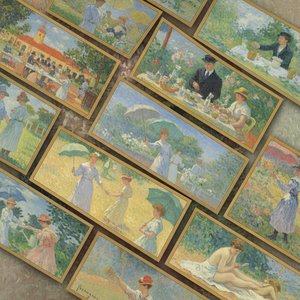
Pierre-Auguste Renoir: 25 Arcydzieł Pełnych Światła i Uroków | OriginalUniqueArt.com
Odkryj 25 najpiękniejszych obrazów Pierre’a-Auguste Renoir! Poznaj historię impresjonizmu, światło w jego malarstwie i arcydzieła takie jak 'Taniec w Le Moulin de la Galette'. Reprodukcje najwyższej jakości na OriginalUniqueArt.com – inspiracje dla Twojego wnętrza.
Betonowe Narracje: Miasto w Sztuce Nowoczesnej – Od Realizmu do Interpretacji Artystycznej
Odkryj ewolucję wizualnej reprezentacji miasta w sztuce nowoczesnej i współczesnej. Analiza kluczowych nurtów – od realizmu do surrealizmu – dla kolekcjonerów i pasjonatów.
Miejski krajobraz w malarstwie: od kartografii do ekspresji współczesności
Odkryj fascynującą historię miejskiego krajobrazu w malarstwie! Od kartograficznych początków po współczesne ekspresje – analiza arcydzieł, techniki i wpływ na tożsamość miast. Zainspiruj się!
Betonowe Wizje: Studium Reprezentacji Życia Miejskiego w Sztuce Nowoczesnej i Współczesnej
Analiza reprezentacji życia miejskiego w sztuce nowoczesnej i współczesnej – od realizmu socjalistycznego po awangardę. Eksperckie spojrzenie na ideologię, urbanizm i krytykę społeczną w malarstwie i fotografii miejskiej.

Concrete Visions: Exploring the Urban Landscape in Painting – From Realism to Contemporary Art
Explore the evolution of cityscape painting from Realism to contemporary art with OriginalUniqueArt. Discover key artists & invest in timeless urban visions. Expert guidance, museum-quality reproductions.