Podgląd w skali 1:1
 Wyślij jako kartkę
 Udostępnij
 Szczegóły dzieła
 Przewodnik

 Pobierz obraz
 Podobne obiekty
 RTG
RTG Pokaz slajdów
 Statystyki
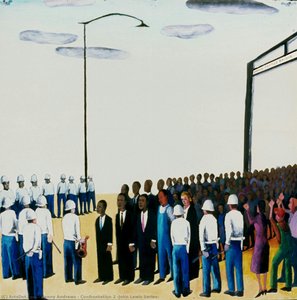
Segregation (John Lewis Series)


 Rozwiń treść
Dzieło sztuki prezentowane na tej stronie podlega ochronie prawem autorskim, co oznacza, że nie mamy prawa do tworzenia ani sprzedaży jego identycznej reprodukcji. Ochrona ta jest egzekwowana na mocy umów międzynarodowych, takich jak Konwencja berneńska oraz przez przepisy prawa krajowego, w tym te określone w Prawo autorskie USA – Tytuł 17.
Metoda ta jest w pełni zgodna z przepisami prawa autorskiego, ponieważ nie polega na kopiowaniu ani powielaniu chronionego dzieła. Stanowi ona kreatywną reinterpretację – nowy obraz, który czerpie inspirację z oryginału, ale nie jest z nim tożsamy.
Giclée / Wydruk artystyczny
Wydruki giclée lub płótna o jakości muzealnej, szybka realizacja i szeroki wybór opcji wykończenia. ( Zamów ręcznie malowaną reprodukcję Przejdź do wersji cyfrowej)




P118B zł10

P118H zł10

P118W zł10

P438Z zł10

P508JH zł12

P508YH zł12

P805H zł10

P805Z zł10

P919BZ zł10

P919G zł10

P919XJ zł10

P959ZH zł10

P968JZ zł12

W106C zł8

W218G zł10

W218JH zł8

W218Y zł10

W307PJ zł10

W316G zł10

W316PJ zł8

W316Y zł10

W398PJ zł8

W4111J zł10

W500HY zł15

W500JH zł15

W692G zł12

W849H zł8

W940BG zł15

W953PJ zł8




Wybierz spośród naszych standardowych rozmiarów, które zachowują oryginalne proporcje dzieła sztuki.

Wpisz wymaganą szerokość i wysokość, aby dopasować grafikę do ramy lub ściany. Wydruk można jedynie przyciąć, nigdy nie powiększając go poza oryginalny obraz, dlatego format o innych proporcjach spowoduje utratę części kompozycji. Przed rozpoczęciem druku prześlemy Ci cyfrowy podgląd do zatwierdzenia. Obraz wyświetlany na tej stronie nie pokazuje rzeczywistego przycięcia — jedynie podgląd oddaje ten efekt.
Dostawa na cały świat () w ciągu 2 tygodni zamiast standardowych 4/5 tygodni. (26 Październik)

Bezpłatna ekspresowa wysyłka na cały świat

Wysokiej jakości płótno lniane

Pełne ubezpieczenie przesyłki

Gwarancja zwrotu należności celnych i podatków importowych

Gwarancja wiernego odwzorowania kolorów

100-dniowa polityka zwrotów (tylko w przypadku wad)

Gwarancja 100% zwrotu pieniędzy

Zniżka przy zakupie wielu sztuk
 Opcja ze szkłem jest dostępna wyłącznie w rozmiarach poniżej 110 cm

Segregation (John Lewis Series)
Giclée / Wydruk artystyczny
Wymiary reprodukcji
-


Cena całkowita
zł 307
Segregation (John Lewis Series) – A Portrait of Resilience
- Artist: Benny Andrews
- Born: November 13, 1930, Plainview, Georgia
- Died: 2006
- Birth City: Plainview
- Birth Country: United States of America
Style & Technique: Impressionistic Echoes
The painting “Segregation” exemplifies Andrews’s distinctive impressionistic style—a technique characterized by capturing fleeting moments of light and color rather than precise detail. Brushstrokes are loose and blended, creating a textured surface that conveys atmosphere and emotion more powerfully than photographic realism. The artist skillfully employs muted hues – predominantly browns and greens – to evoke a sense of quiet contemplation and understated dignity. Andrews’s meticulous attention to composition guides the viewer's gaze toward the central figure, emphasizing his contemplative posture and interaction with the architectural backdrop.Historical Context & Narrative Significance
Created in 2005, “Segregation” belongs to Andrews’s “John Lewis Series,” which explores themes of social justice and perseverance amidst adversity. The painting depicts a man standing before a building adorned with a clock tower—a symbol of time passing and the enduring legacy of historical struggles. The inclusion of a book represents knowledge, reflection, and the pursuit of understanding – qualities crucial to confronting injustice. Furthermore, the presence of a fire hydrant speaks to practicality and resilience, grounding the image in everyday life while simultaneously conveying a broader message about overcoming obstacles.Symbolism & Emotional Resonance
Andrews’s masterful use of color contributes significantly to the painting's emotional impact. The subdued palette fosters a feeling of solemnity and introspection, inviting viewers to contemplate the subject’s gaze and posture. The clock tower serves as a reminder that progress is often slow and requires unwavering determination. Ultimately, “Segregation” transcends mere depiction; it embodies Andrews’s belief in the transformative power of art—a testament to human spirit and an invitation to engage with profound questions about social responsibility.Interior Design Considerations
“Segregation” would lend itself beautifully to interior spaces seeking a touch of contemplative elegance. Its muted tones harmonize seamlessly with neutral palettes, creating a calming backdrop for conversation or reflection. The textured surface adds visual interest and depth, complementing contemporary furniture designs. Collectors interested in supporting artists who champion social justice will find this piece particularly compelling—a timeless artwork that speaks volumes about human resilience and the importance of intellectual engagement.Pytania i odpowiedzi
Czy „Segregation (John Lewis Series)” – Benny Andrews znajduje się w domenie publicznej?
„Segregation (John Lewis Series)” – Benny Andrews znajduje się w domenie publicznej (nadal objęte ochroną prawa autorskiego). Status ten określa zasady reprodukcji obrazu tego dzieła.
Czy dzieło „Segregation (John Lewis Series)” autorstwa Benny Andrews znajduje się w domenie publicznej i dlaczego?
„Segregation (John Lewis Series)” – Benny Andrews jest nadal objęte ochroną prawa autorskiego. Okres ochrony praw autorskich liczony jest od śmierci artysty, która nastąpiła w 2006.
Czy dzieło „Segregation (John Lewis Series)” – Benny Andrews, znajdujące się w zbiorach National Center for Civil and Human Rights, może być legalnie reprodukowane?
Oryginał dzieła „Segregation (John Lewis Series)” znajduje się w National Center for Civil and Human Rights, a utwór jest nadal objęte ochroną prawa autorskiego.
Biografia artysty
Benny Andrews: Życie i Dziedzictwo
Wczesne lata i edukacja
- Urodzony: 13 listopada 1930 roku w Plainview, Georgia.
- Andrews dorastał w licznej, dziesięcioosobowej rodzinie. Jego matka, Viola, zaszczepiła w nim głębokie przekonanie o wartości edukacji, religii oraz wolności ekspresji.
- Wczesne inspiracje: Jego ojciec, George Andrews, był samoukiem znanym lokalnie jako „Dot Man”, to właśnie on rozbudził w Benny'm pierwotną pasję do sztuki.
- Studiował w Fort Valley College dzięki dwuletniemu stypendium, lecz musiał przerwać naukę z powodu trudności finansowych i problemów akademickich.
- Zanim podjął formalne kształcenie artystyczne, Andrews służył w Siłach Powietrznych USA od 1950 roku.
Rozwój artystyczny i kariera
- Andrews uzyskał tytuł BFA w School of the Art Institute of Chicago.
- W 1962 roku w Nowym Jorku zorganizował swoją pierwszą wystawę solową, co stanowiło przełomowy moment w jego karierze.
- W latach 1968–1997 Andrews poświęcił się pracy pedagogicznej na Queens College, będącym częścią City University of New York.
- Program Sztuki Więziennej: Założył i kierował pionierskim programem artystycznym w więzieniach, który stał się ogólnokrajowym wzorcem rehabilitacji poprzez ekspresję twórczą.
- Jego twórczość ewoluowała w stronę stylu ekspresyjnego, charakteryzującego się odważną kolorystyką i formami, które służyły do przekazywania potężnych emocji oraz komentarza społecznego.
Tematyka i inspiracje
- Kluczowe tematy: Sztuka Andrewsa często dotykała problematyki cierpienia, niesprawiedliwości, nierówności rasowej oraz doświadczeń Afroamerykanów.
- Jego dzieła często pełniły rolę wizualnego protestu przeciwko problemom społecznym i politycznym jego czasów.
- Inspiracji szukał w osobistych przeżyciach, obserwacjach codzienności oraz wydarzeniach historycznych.
- Wpływy artystyczne: Rozwijając swój unikalny styl, Andrews czerpał z różnych nurtów artystycznych, w tym z ekspresjonizmu i realizmu społecznego.
Wybitne dzieła
- Confrontation 2 (Seria John Lewis): Potężny obraz będący refleksją nad ruchem na rzecz praw obywatelskich i walką o równość.
- No More Games: Dzieło, które w surowy, pełen emocji sposób konfrontuje widza z problemami niesprawiedliwości społecznej i nierówności.
- Death of the Crow (1965): Wczesny przykład jego ekspresyjnego stylu, wykonany w czerni i bieli przy użyciu farb olejnych na płótnie.
Dziedzictwo i znaczenie historyczne
- Twórczość Benny'ego Andrewsa znajduje się w prestiżowych kolekcjach muzealnych, takich jak Museum Collection Hugo Fischer (Bühl, Niemcy) oraz Ogden Museum of Southern Art w Nowym Orleanie.
- Wpływ na edukację artystyczną: Jego program sztuki więziennej udowodnił transformacyjną moc sztuki dla osób dotkniętych uwięzieniem.
- Wkład artystyczny Andrewsa pomógł podnieść świadomość społeczną i sprzyjał dialogowi na temat rasy, nierówności oraz sprawiedliwości.
- Odszedł 10 listopada 2006 roku, pozostawiając po sobie trwałe dziedzictwo artysty, pedagoga i rzecznika zmian społecznych.

Benny Andrews
1930 - 2006 , Stany Zjednoczone
Krótka nota
- 'Dot Man')", 'Movement: Ekspresjonizm
- Birth Date: 13 listopada 1930
- Birth Place: Plainview, Georgia, USA
- Death Date: 10 listopada 2006
- Influenced: Brak, 'influenced by':
- Name: Benny Andrews
- Nationality: Amerykański
- Notable Works:
- Confrontation 2 (Seria John Lewis)
- No More Games
- Death of the Crow
Powiązane artykuły

Grant Wood & American Regionalism: Identity, Myth & the Rural Landscape
Explore the world of Grant Wood & American Regionalism with OriginalUniqueArt. Discover the symbolism behind 'American Gothic', recurring themes, and the movement's lasting impact on art history. High-quality reproductions available.
John Frederick Lewis: Orientalism, Detail & Genre Painting in 19th-Century British Art
Explore the captivating Orientalist paintings of John Frederick Lewis! Discover his mastery of detail, genre scenes & influence on 19th-century British art. Learn about his life, techniques & legacy at OriginalUniqueArt.

John Constable: 25 Najlepszych Obrazów Mistrza Angielskiego Krajobrazu | OriginalUniqueArt
Odkryj 25 arcydzieł Johna Constable'a – mistrza angielskiego krajobrazu! Poznaj romantyczne pejzaże, technikę malarską i inspiracje z Dedham Vale. Reprodukcje obrazów najwyższej jakości na OriginalUniqueArt.com. Eksploruj pełną kolekcję online!
James Otto Lewis: Navigating American Modernism Through Regional Identity & Stylistic Innovation
Explore the captivating portraits of James Otto Lewis, a pivotal figure bridging 19th-century realism & American Modernism. Discover his groundbreaking work documenting Native American culture and regional identity.

John Singer Sargent: 25 Arcydzieł Pełnych Elegancji i Światła | OriginalUniqueArt.com
Odkryj 25 arcydzieł Johna Singera Sargenta – mistrza portretu i impresjonizmu. Poznaj historie, techniki i inspiracje za jego najsłynniejszymi obrazami. Reprodukcje najwyższej jakości na OriginalUniqueArt.com. Eksploruj pełną kolekcję online!