Zobacz w skali 1:1
 Wyślij
 Udostępnij
 Szczegóły
 Przewodnik

 Pobierz plik obrazu
 Podobne obiekty
 RTG
RTG Pokaz slajdów
 Statystyki
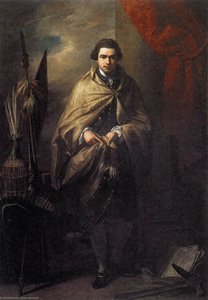
Self-Portrait


 Czytaj więcej
Giclée / Wydruk artystyczny
Wydruki giclée lub płótna o jakości muzealnej, szybka realizacja i szeroki wybór opcji wykończenia. ( Kup ręcznie malowany obraz Przełącz na wersję cyfrową)




P118B zł10

P118H zł10

P118W zł10

P438Z zł10

P508JH zł12

P508YH zł12

P805H zł10

P805Z zł10

P919BZ zł10

P919G zł10

P919XJ zł10

P959ZH zł10

P968JZ zł12

W106C zł8

W218G zł10

W218JH zł8

W218Y zł10

W307PJ zł10

W316G zł10

W316PJ zł8

W316Y zł10

W398PJ zł8

W4111J zł10

W500HY zł15

W500JH zł15

W692G zł12

W849H zł8

W940BG zł15

W953PJ zł8




Wybierz spośród naszych standardowych rozmiarów, które zachowują oryginalne proporcje dzieła sztuki.

Wpisz wymaganą szerokość i wysokość, aby dopasować grafikę do ramy lub ściany. Wydruk można jedynie przyciąć, nigdy nie powiększając go poza oryginalny obraz, dlatego format o innym proporcji spowoduje utratę części kompozycji. Przed rozpoczęciem druku prześlemy Ci cyfrowy podgląd do zatwierdzenia. Obraz wyświetlany na tej stronie nie pokazuje rzeczywistego przycięcia — jedynie podgląd oddaje ten efekt.
Dostawa na cały świat () w ciągu 2 tygodni zamiast standardowych 4/5 tygodni. (21 Październik)

Bezpłatna ekspresowa wysyłka na cały świat

Wysokiej jakości płótno lniane

Pełne ubezpieczenie transportowe

Gwarancja zwrotu należności celnych i podatków importowych

Gwarancja idealnego odwzorowania barw

100-dniowy okres na zwrot dzieła w przypadku wykrycia wad produkcyjnych

Gwarancja 100% zwrotu pieniędzy

Oferta przy zakupie wielu sztuk
 Opcja ze szkłem jest dostępna wyłącznie w rozmiarach poniżej 110 cm

Self-Portrait
Giclée / Wydruk artystyczny
Rozmiar reprodukcji
-


Suma do zapłaty
zł 304
A Portrait of Reflection: Benjamin West's Self-Portrait
- The Weight of History
- Neo-Classical Dignity
- Technique and Texture
- Symbolism of the Self
Neo-Classical Dignity: Style and Form
West’s approach firmly aligns with the tenets of Neoclassicism, a movement that sought to revive the artistic principles of ancient Greece and Rome. This is evident in every aspect of the composition – the formal arrangement of the figure, the emphasis on idealized beauty, and the restrained palette. The subject's pose, reminiscent of classical sculptures, conveys an air of dignified composure and intellectual seriousness. His attire—a dark coat with a high collar and a crisp white cravat—is characteristic of late 18th-century fashion, subtly signaling his status as a respected artist within Philadelphia society. The careful attention to detail in the rendering of his clothing – the subtle folds, the texture of the fabric – speaks to West’s commitment to realism, a key element of the Neoclassical style. The dark background serves not as a distraction but rather as a deliberate device, intensifying the focus on the figure and reinforcing the sense of solemnity.Technique and Texture: A Master's Hand
West’s technical skill is immediately apparent in the meticulous rendering of facial features and textures. He employs a glazing technique – applying thin layers of translucent paint over dried underlayers – to achieve remarkable depth and luminosity. The subtle play of light and shadow across his face draws attention to his expressive eyes, conveying a sense of self-assuredness and intellectual curiosity. The brushwork is controlled yet confident, demonstrating West’s mastery of oil paints. Note the delicate rendering of the hair, powdered and meticulously styled, a hallmark of the period's fashion. The texture of the fabric – the heavy wool of the coat, the smooth silk of the cravat – is rendered with remarkable accuracy, adding to the painting’s overall sense of realism and tactile quality. This level of detail was not merely decorative; it served to elevate the portrait beyond a simple likeness, transforming it into a symbol of West's artistic prowess and dedication.Symbolism of the Self: Identity and Ambition
The act of self-portraiture itself held significant symbolic weight in the 18th century. It was a demonstration of an artist’s skill, a declaration of their identity, and often, a meditation on mortality. In West's case, this particular self-portrait is particularly revealing. Painted just as he was establishing himself as a leading portraitist, it represents not only his artistic abilities but also his ambition to achieve recognition within the European art world. The serious expression on his face suggests a man deeply engaged with his craft and aware of its potential impact. The gaze directly at the viewer creates an intimate connection, inviting us into his thoughts and reflecting upon our own relationship with art and self-representation. This portrait is a testament to West’s confidence and determination – qualities that would ultimately define his remarkable career.Pytania i odpowiedzi
Czy "Self-Portrait" wykazuje silne kontrasty światłocienia?
„Self-Portrait” autorstwa Benjamin West prezentuje Gentle kontrast między jasnymi a ciemnymi partiami dzieła.
Jaką paletę barw i jakie emocje łączy ze sobą "Self-Portrait"?
Paleta Earthy dzieła „Self-Portrait” autorstwa Benjamin West współgra z jego Reflective wydźwiękiem emocjonalnym. Kolor jest jednym ze sposobów, w jakie praca przekazuje uczucia.
Jak bardzo znane jest dzieło "Self-Portrait" autorstwa Benjamin West?
"Self-Portrait" jest klasyfikowane jako Recognized.
Biografia artysty
A Pioneer Bridging Worlds: The Life and Legacy of Benjamin West
Born in 1738 amidst the burgeoning landscape of colonial Pennsylvania, Benjamin West emerged as a pivotal figure in the transatlantic art world, a painter who skillfully navigated the currents of Neoclassicism and Romanticism while forging a uniquely American artistic identity. His story is one of remarkable self-education, unwavering ambition, and an extraordinary ability to connect with both aristocratic patrons and revolutionary ideals. From humble beginnings—his father an innkeeper in Springfield—West’s innate talent was nurtured by early exposure to the arts, reportedly learning rudimentary techniques from Native Americans before receiving any formal training. This unconventional start instilled within him a spirit of innovation that would characterize his entire career. He quickly established himself as a sought-after portraitist in Philadelphia and New York, but a thirst for deeper artistic knowledge propelled him towards Europe in 1760, embarking on a journey that would irrevocably alter the course of American art.From Italy to London: Forging a Path to Recognition
West’s arrival in Italy marked a turning point. Immersing himself in the artistic heartland of Europe, he studied the masters—Titian, Raphael—and engaged with contemporary Neoclassical thinkers like Anton Rafael Mengs and Angelica Kauffman. This period was crucial in shaping his aesthetic sensibilities, instilling within him an appreciation for classical form and historical narrative. He spent years meticulously copying works by these giants, absorbing their techniques and understanding of composition. However, it was London that ultimately became his adopted home and artistic center. Arriving in 1763, West swiftly ascended the ranks of the British art scene, captivating audiences with his ambitious canvases and securing the patronage of King George III. This royal endorsement not only provided financial stability but also cemented his position as a leading figure within the establishment. A defining moment came with his election to the Royal Academy in 1769, an institution he would later preside over as President from 1792 until his death. His influence extended beyond his own artistic production; West became a champion for American artists seeking training abroad, offering guidance and support to generations of aspiring painters like Allston, Copley, and Morse.Revolutionizing Historical Painting: Technique and Controversy
West’s impact on the art world wasn't merely about achieving technical mastery; it was about challenging conventions. He dared to reimagine historical painting, moving away from rigid adherence to classical precedent and embracing a more contemporary sensibility. The Death of General Wolfe (1770), arguably his most famous work, exemplifies this revolutionary approach. By depicting the fallen general surrounded by figures in *contemporary* military attire rather than traditional Roman garb, West sparked considerable debate. Critics questioned the historical accuracy, but audiences were captivated by the immediacy and emotional resonance of the scene. This bold move signaled a shift towards greater realism and narrative power in history painting, influencing countless artists who followed. He was particularly interested in capturing dramatic moments and conveying strong emotions through his figures. His style evolved over time, incorporating elements of Romanticism into his later works, yet always retaining a commitment to ambitious composition and detailed execution. Other notable pieces like Thetis Bringing the Armor to Achilles, The Three Sisters, The Fright of Astyanax, and The Cave of Despair demonstrate his versatility and mastery across a range of mythological and historical themes.A Lasting Legacy: Shaping Artistic Identity
Benjamin West’s legacy extends far beyond the canvases he created. He fundamentally altered the landscape of American art, establishing history painting as a viable genre for American artists and fostering a sense of national artistic identity. His presidency of the Royal Academy solidified his influence on British art, promoting innovation and supporting emerging talent.- He championed a more accessible and emotionally engaging style of historical representation.
- His studio became a haven for American artists seeking training in Europe.
- He bridged the gap between Neoclassical ideals and the burgeoning Romantic movement.

Benjamin West
1738 - 1820 , Stany Zjednoczone
Najważniejsze informacje
- Artistic Movement Or Style: Neoklasycyzm, Romantyzm
- Artists Or Movements Influenced By This Artist:
- Allston
- Copley
- Morse
- Artists Who Influenced This Artist:
- Tycjan
- Rafael
- Mengs
- Date Of Birth: 1738-10-10
- Date Of Death: 1820-03-11
- Full Name: Benjamin West
- Nationality: Amerykański
- Notable Artworks:
- Śmierć generała Wolfe'a
- Thetis
- Trzy siostry
- Place Of Birth: Springfield, USA
Zobacz także powiązane artykuły

Top 10 Sławnych Obrazów w Odcieniach Grzybów: Sztuka dla Domu i Inspiracja
Odkryj 10 słynnych obrazów w ciepłych, grzybowych odcieniach! Van Gogh, Monet i inni mistrzowie. Inspiracje wnętrzarskie i reprodukcje najwyższej jakości na OriginalUniqueArt.com. Eksploruj kolekcję online!

Benjamin West: Transatlantic Ambition & Shaping American Art
Explore the life & legacy of Benjamin West, pioneering American artist and Royal Academy president. Discover his Neoclassical masterpieces, transatlantic influence, and lasting impact on art history. Learn more at OriginalUniqueArt.

10 Arcydzieł w Odcieniach Piasku: Inspiracje dla Wnętrz od OriginalUniqueArt
Odkryj 10 arcydzieł malarstwa w odcieniach piasku! Poznaj historie Van Gogha, Moneta i Rembrandta. Inspiracje do wnętrz z beżowymi pejzażami i portretami. Reprodukcje obrazów najwyższej jakości na OriginalUniqueArt.com
10 Arcydzieł w Odcieniach Gliny: Malarstwo Pełne Ziemi i Historii | OriginalUniqueArt.com
Odkryj 10 arcydzieł malarstwa w odcieniach gliny! Poznaj historie Picasso, Van Gogha i Rembrandta. Inspiracje wnętrzarskie & reprodukcje obrazów najwyższej jakości na OriginalUniqueArt.com. Eksploruj kolekcję online!

Czarne arcydzieła: Top 10 słynnych obrazów pełnych mroku i ekspresji | OriginalUniqueArt.com
Odkryj 10 słynnych obrazów, w których czerń króluje! Poznaj historie artystów, ekspresjonizm i mroczną paletę barw. Reprodukcje dzieł sztuki najwyższej jakości na OriginalUniqueArt.com – inspiracje do wnętrz i kolekcjonerstwo.