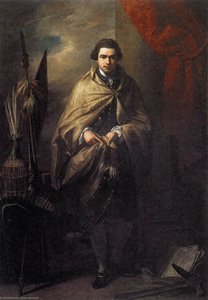
Helen Brought to Paris
Ręcznie malowana reprodukcja olejowa
Ręcznie malowany obraz olejny na płótnie, wykonany na zamówienie przez naszych artystów w wybranym przez Ciebie wymiarze i oprawie. ( Przełącz na wydania drukowane
Przejdź do wersji cyfrowej)
P118B zł10
P118H zł10
P118W zł10
P438Z zł10
P508JH zł12
P508YH zł12
P805H zł10
P805Z zł10
P919BZ zł10
P919G zł10
P919XJ zł10
P959ZH zł10
P968JZ zł12
W106C zł8
W218G zł10
W218JH zł8
W218Y zł10
W307PJ zł10
W316G zł10
W316PJ zł8
W316Y zł10
W398PJ zł8
W4111J zł10
W500HY zł15
W500JH zł15
W692G zł12
W849H zł8
W940BG zł15
W953PJ zł8
Wybierz spośród naszych standardowych rozmiarów, które zachowują oryginalne proporcje dzieła sztuki.
Wpisz wymaganą szerokość i wysokość, aby obraz pasował do Twojej ramy lub ściany. Ponieważ jest to dzieło malowane ręcznie, w przypadku rozmiaru o innych proporcjach artysta może domalować nieco więcej wokół obrazu lub przyciąć jego fragmenty — wybór należy do Ciebie. Przed rozpoczęciem pracy prześlemy Ci cyfrową wizualizację do zatwierdzenia. Obraz widoczny na tej stronie nie przedstawia rzeczywistego efektu — jedynie wizualizacja oddaje realny rezultat.
Po złożeniu zamówienia zespół OriginalUniqueArt.com skontaktuje się z klientem drogą mailową w celu uzyskania instrukcji i prześle wizualizację projektu
Dostawa na całym świecie () w ciągu 3–4 tygodni zamiast standardowych 5 tygodni. (27 Październik). Bez kompromisów w kwestii jakości.
Bezpłatna ekspresowa wysyłka na cały świat
Wysokiej jakości płótno lniane
Pełne ubezpieczenie przesyłki
Gwarancja zwrotu należności celnych i podatków importowych
Gwarancja wiernego odwzorowania kolorów
100-dniowa polityka zwrotów (tylko w przypadku wad)
Gwarancja 100% zwrotu pieniędzy
Zniżka przy zakupie wielu sztuk
Helen Brought to Paris
Technika reprodukcji
Wymiary reprodukcji
-
Cena całkowita
zł 1153
A Divine Descent: Exploring Benjamin West's "Helen Brought to Paris"
To gaze upon Benjamin West’s magnificent "Helen Brought to Paris" is to step directly into the gilded, dramatic currents of the late eighteenth century. This oil on canvas, painted in 1776, is far more than a mere depiction of myth; it is a vibrant testament to the prevailing aesthetic philosophy of Neoclassicism. The scene unfolds with an almost palpable sense of grandeur and opulent drama, capturing the moment the legendary Helen of Troy is escorted to Paris by the radiant goddess Aphrodite. One feels the weight of history and divine intervention woven into every richly colored fold of drapery and every poised gesture of the figures.
The Allure of Neoclassicism and Mythological Grandeur
Benjamin West, a pivotal figure in American art history, masterfully channeled the ideals of Neoclassicism through this work. This style, which championed classical antiquity—its balance, its idealized forms, and its narrative clarity—provided the perfect vehicle for such an epic subject. The composition itself is a study in controlled drama; everything feels deliberate, balanced, yet brimming with untold emotion. Surrounding the central pairing of Helen and Aphrodite are other gods and goddesses, their presence lending an air of cosmic significance to the journey. Furthermore, the inclusion of angels on either side acts as visual anchors, suggesting divine protection and guiding the narrative toward its destined conclusion.
Symbolism Woven in Rich Pigments
The symbolism within "Helen Brought to Paris" is as rich as the pigments themselves. Helen herself embodies irresistible beauty and fateful destiny, while Aphrodite represents love, desire, and inescapable fate. The entire gathering of divine figures speaks to the complex tapestry of human passion viewed through a mythological lens. Notice how the interaction between the two central figures forms the emotional core—a moment suspended between departure and arrival. The use of rich, vibrant colors does not merely decorate; it builds an atmosphere of luxurious consequence, inviting the viewer to contemplate the weight of beauty and its inevitable consequences.
Bringing Classical Majesty Home
For the collector or designer seeking to infuse a space with historical depth and artistic resonance, this painting offers unparalleled drama. While the original resides in esteemed collections like the Smithsonian American Art Museum, owning a high-quality reproduction allows one to bring West’s masterful vision into contemporary life. The balanced composition ensures that even when scaled for an interior setting, the piece maintains its visual integrity and commanding presence. It is an artwork that speaks of enduring human narratives—of beauty, power, and divine will—making it a captivating focal point for any sophisticated environment.
Pytania i odpowiedzi
W jaki sposób "Helen Brought to Paris" wpisuje się w tematykę i styl twórczości Benjamin West?
"Helen Brought to Paris" dzieli z innymi dziełami Benjamin West styl właściwy dla Neoclassicism oraz powracające motywy: classical mythology influences art, neoclassical ideals of beauty, divine intervention themes explored, west's mythological subjects focus.
Do czego sugerowane jest wykorzystanie „Helen Brought to Paris” – Benjamin West?
Sugerowanym zastosowaniem dla „Helen Brought to Paris” – Benjamin West jest Focal, choć może on służyć również do innych celów.
Jakie inne pseudonimy lub nazwy stosuje Benjamin West?
Benjamin West występuje również pod innymi nazwiskami: Benjamin West Clinedinst.
Biografia artysty
A Pioneer Bridging Worlds: The Life and Legacy of Benjamin West
Born in 1738 amidst the burgeoning landscape of colonial Pennsylvania, Benjamin West emerged as a pivotal figure in the transatlantic art world, a painter who skillfully navigated the currents of Neoclassicism and Romanticism while forging a uniquely American artistic identity. His story is one of remarkable self-education, unwavering ambition, and an extraordinary ability to connect with both aristocratic patrons and revolutionary ideals. From humble beginnings—his father an innkeeper in Springfield—West’s innate talent was nurtured by early exposure to the arts, reportedly learning rudimentary techniques from Native Americans before receiving any formal training. This unconventional start instilled within him a spirit of innovation that would characterize his entire career. He quickly established himself as a sought-after portraitist in Philadelphia and New York, but a thirst for deeper artistic knowledge propelled him towards Europe in 1760, embarking on a journey that would irrevocably alter the course of American art.From Italy to London: Forging a Path to Recognition
West’s arrival in Italy marked a turning point. Immersing himself in the artistic heartland of Europe, he studied the masters—Titian, Raphael—and engaged with contemporary Neoclassical thinkers like Anton Rafael Mengs and Angelica Kauffman. This period was crucial in shaping his aesthetic sensibilities, instilling within him an appreciation for classical form and historical narrative. He spent years meticulously copying works by these giants, absorbing their techniques and understanding of composition. However, it was London that ultimately became his adopted home and artistic center. Arriving in 1763, West swiftly ascended the ranks of the British art scene, captivating audiences with his ambitious canvases and securing the patronage of King George III. This royal endorsement not only provided financial stability but also cemented his position as a leading figure within the establishment. A defining moment came with his election to the Royal Academy in 1769, an institution he would later preside over as President from 1792 until his death. His influence extended beyond his own artistic production; West became a champion for American artists seeking training abroad, offering guidance and support to generations of aspiring painters like Allston, Copley, and Morse.Revolutionizing Historical Painting: Technique and Controversy
West’s impact on the art world wasn't merely about achieving technical mastery; it was about challenging conventions. He dared to reimagine historical painting, moving away from rigid adherence to classical precedent and embracing a more contemporary sensibility. The Death of General Wolfe (1770), arguably his most famous work, exemplifies this revolutionary approach. By depicting the fallen general surrounded by figures in *contemporary* military attire rather than traditional Roman garb, West sparked considerable debate. Critics questioned the historical accuracy, but audiences were captivated by the immediacy and emotional resonance of the scene. This bold move signaled a shift towards greater realism and narrative power in history painting, influencing countless artists who followed. He was particularly interested in capturing dramatic moments and conveying strong emotions through his figures. His style evolved over time, incorporating elements of Romanticism into his later works, yet always retaining a commitment to ambitious composition and detailed execution. Other notable pieces like Thetis Bringing the Armor to Achilles, The Three Sisters, The Fright of Astyanax, and The Cave of Despair demonstrate his versatility and mastery across a range of mythological and historical themes.A Lasting Legacy: Shaping Artistic Identity
Benjamin West’s legacy extends far beyond the canvases he created. He fundamentally altered the landscape of American art, establishing history painting as a viable genre for American artists and fostering a sense of national artistic identity. His presidency of the Royal Academy solidified his influence on British art, promoting innovation and supporting emerging talent.- He championed a more accessible and emotionally engaging style of historical representation.
- His studio became a haven for American artists seeking training in Europe.
- He bridged the gap between Neoclassical ideals and the burgeoning Romantic movement.
Benjamin West
1738 - 1820 , Stany Zjednoczone
Krótka nota
- Artistic Movement Or Style: Neoklasycyzm, Romantyzm
- Artists Or Movements Influenced By This Artist:
- Allston
- Copley
- Morse
- Artists Who Influenced This Artist:
- Tycjan
- Rafael
- Mengs
- Date Of Birth: 1738-10-10
- Date Of Death: 1820-03-11
- Full Name: Benjamin West
- Nationality: Amerykański
- Notable Artworks:
- Śmierć generała Wolfe'a
- Thetis
- Trzy siostry
- Place Of Birth: Springfield, USA

Opcja ze szkłem jest dostępna wyłącznie w rozmiarach poniżej 110 cm