
 Podgląd w skali 1:1
 Wyślij jako kartkę
 Udostępnij
 Szczegóły dzieła
 Przewodnik

 Pobierz obraz
 Podobne obiekty
 RTG
RTG Pokaz slajdów
 Q&A
Q&A Statystyki
Gouverneur Morris Jr.


 Rozwiń treść
Otrzymaj plik gotowy do druku, którego jakość znacznie przewyższa podgląd internetowy. Każdy sprzedawany przez nas obraz cyfrowy pochodzi z wysokorozdzielczego pliku wzorcowego w naszej bazie — zazwyczaj o szerokości od 5 000 do 15 000 pikseli — dzięki czemu możesz drukować w dużym formacie, mocno kadrować lub z pełnym przekonaniem odwzorowywać najdrobniejsze detale.
Żaden plik nie opuszcza naszego studia bez odpowiedniej obróbki. Ekspert ds. cyfrowej edycji sprawdza zgodność kolorów z oryginałem i w razie potrzeby je koryguje, a następnie za pomocą profesjonalnych narzędzi do retuszu poprawia ostrość oraz szczegółowość — zawsze zachowując wierność pociągnięciom pędzla i stylowi artysty. Rezultatem jest obraz, który wygląda jak prawdziwe dzieło, a nie jak przefiltrowany skan.
Zatwierdzasz przed finalizacją zamówienia: nasz ekspert prześle obraz drogą mailową w ciągu 72 godzin do Twojego wglądu. Nie jesteś zadowolony? Poproś o poprawki lub korektę, bądź o zwrot kosztów, jeśli jakość nie spełnia oczekiwań.
To jakość, na której polegają wydawcy, studia projektowe, galerie oraz drukarnie.
Obraz cyfrowy
Pobierz plik o wysokiej rozdzielczości do osobistego użytku, druku oraz projektów kreatywnych. ( Przełącz na wydania drukowane Zamów ręcznie malowaną reprodukcję)
W każdym zamówieniu na obraz cyfrowy znajduje się
Profesjonalna dostawa cyfrowa z gwarancją
Wybierając OriginalUniqueArt.com, nie otrzymujesz jedynie obrazu – otrzymujesz profesjonalnie udoskonalone cyfrowe dzieło sztuki, stworzone z najwyższą precyzją i objęte gwarancją satysfakcji. Oto wszystko, co automatycznie dołączane jest do Twojego zamówienia:

Błyskawiczna wysyłka e-mailowa
Plik z obrazem cyfrowym w wysokiej rozdzielczości zostanie przesłany na Twój adres e-mail w ciągu 72 godzin od złożenia zamówienia – gotowy do natychmiastowego użycia.

Plik cyfrowy wzbogacony przez AI
Twoja grafika została profesjonalnie zoptymalizowana przy użyciu zaawansowanych narzędzi AI oraz ręcznej edycji, co zapewnia maksymalną szczegółowość, klarowność i wierność kolorów.

Darmowe ponowne przesyłki dożywotnio
Przypadkowo usunąłeś lub zgubiłeś swój plik? Bez obaw – prześlemy go Tobie ponownie w dowolnym momencie, bez żadnych opłat.

Bez opłat importowych – zawsze
Ciesz się swoją sztuką natychmiast, bez żadnych opłat celnych, należności ani kosztów dostawy – pliki cyfrowe są zawsze wolne od podatku.

Gwarancja wierności kolorów
Dzięki zastosowaniu profesjonalnych narzędzi i procesów zarządzania barwą zapewniamy, że Twoje cyfrowe zdjęcie odzwierciedla oryginalne kolory tak wiernie, jak to tylko możliwe.

Gwarancja satysfakcji przez 100 dni
Jeśli nie będziesz zadowolony ze swojego cyfrowego obrazu, dokonamy jego poprawki lub zwrócimy 100% kosztów w ciągu 100 dni – bez zbędnych pytań.

100% Gwarancja zwrotu pieniędzy
Nie jesteś zadowolony? Otrzymaj pełny zwrot kosztów w ciągu 100 dni od otrzymania pliku cyfrowego – bez zbędnych pytań.

Rabaty przy zamówieniach hurtowych
Kup 3 obrazy, oszczędź 10% - Kup 5, oszczędź 15% - Kup 10+, oszczędź 20%. Idealne do projektów kreatywnych, galerii i agencji.
Gouverneur Morris Jr.: A Legacy of Visionary Enterprise
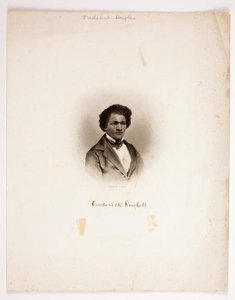
The engraving depicting Gouverneur Morris Jr., produced in 1817 by Benjamin Bartoell Ellis, transcends mere portraiture; it embodies the spirit of American ambition and intellectual engagement during a pivotal moment in national history. More than just capturing a likeness—albeit a refined one—the image speaks to Morris’s profound influence on shaping the landscape of New York City and his unwavering belief in the transformative power of progress. Ellis's meticulous draughtsmanship skillfully conveys not only physical appearance but also an inner composure, reflecting Morris’s character as a railroad executive and humanist.- Subject Matter: The portrait focuses squarely on Gouverneur Morris Jr., son of the celebrated Founding Father, Gouverneur Morris. He is presented in formal attire—a suit accented by a tie—characteristic of the era's aristocratic sensibilities yet imbued with an understated dignity.
- Style & Technique: Ellis’s engraving exemplifies the neoclassical tradition prevalent at the time, prioritizing clarity and precision. The artist employs chiaroscuro – dramatic contrasts between light and shadow – to sculpt Morris’s form, highlighting musculature and conveying a sense of solidity and gravitas. This technique harkens back to Rembrandt's masterful use of light and shade, demonstrating Ellis’s erudition and artistic awareness.
- Historical Context: Created in the wake of the American Civil War, the engraving reflects the nation’s preoccupation with rebuilding its infrastructure and fostering economic growth. Gouverneur Morris Jr.’s involvement in establishing the Vermont Valley Railroad underscores this broader societal aspiration for advancement and innovation. The image serves as a visual reminder of the era's optimism and determination to forge a prosperous future.
- Symbolism: Beyond the individual portrait, the inclusion of books—one on the left and another on the right—suggests Morris’s intellectual pursuits and his commitment to knowledge. These symbols encapsulate the Enlightenment ideals that underpinned American culture during Morris Jr.’s lifetime – reason, observation, and a belief in human potential.
- Emotional Impact: The engraving's serene countenance conveys a sense of quiet confidence and moral fortitude. Ellis captures Morris’s gaze with remarkable sensitivity, conveying an inner strength and unwavering conviction—qualities that resonate powerfully with viewers today. It is a portrait not merely of a man but of an ethos: one rooted in ambition tempered by compassion and driven by the pursuit of excellence.
The Influence of Rembrandt’s Chiaroscuro
Ellis's masterful use of chiaroscuro owes considerable debt to Rembrandt van Rijn, whose dramatic lighting techniques revolutionized portraiture during the Baroque period. Like Rembrandt, Ellis skillfully manipulates light and shadow to create depth and volume, emphasizing Morris’s physique and conveying an aura of solemn contemplation. This stylistic choice reflects a broader artistic trend toward naturalism and psychological realism—a reaction against the ornate conventions of earlier eras. The engraving's subdued palette reinforces this impression of understated elegance and intellectual seriousness.Morrisania: A Visionary Urban Landscape
The inclusion of Morrisania, New York City, in the background serves as a powerful visual metaphor for Gouverneur Morris Jr.’s legacy. As Vice President of the New York and Harlem River Railroad, he spearheaded the construction of this ambitious residential district—a deliberate attempt to create an ideal environment for skilled workers and foster a sense of community spirit. Ellis’s depiction underscores Morris’s belief in the transformative potential of urban planning and his commitment to improving the lives of ordinary citizens. The image encapsulates the spirit of American ingenuity and aspiration during the mid-19th century—a testament to Gouverneur Morris Jr.’s enduring contribution to shaping the nation's cultural landscape.A Portrait of Character: Quiet Confidence and Moral Fortitude
Ultimately, Benjamin Bartoell Ellis’s engraving succeeds in capturing Gouverneur Morris Jr.'s essence – a man defined by quiet confidence, moral fortitude, and an unwavering belief in human potential. The artist's astute observation of Morris’s gaze conveys an inner strength that transcends time, reminding us of the importance of integrity and conviction in navigating life’s challenges. It is a portrait not merely of appearance but of character—a timeless masterpiece that continues to inspire admiration for its artistic skill and intellectual depth.Pytania i odpowiedzi
Gdzie i w jakim celu zaleca się użycie "Gouverneur Morris Jr."?
Zalecane zastosowanie (Akcent kolorystyczny) oraz przestrzeń (Salon lub strefa dzienna) to dwie rekomendacje dla dzieła „Gouverneur Morris Jr.” – Benjamin Barton Ellis.
Kto jest autorem i jaki styl reprezentuje "Gouverneur Morris Jr."?
Za dziełem "Gouverneur Morris Jr." stoi Benjamin Barton Ellis oraz nurt Romantic Portraiture.
Jaki kolor najbardziej dominuje w "Gouverneur Morris Jr."?
Dominującym kolorem dzieła „Gouverneur Morris Jr.” – Benjamin Barton Ellis jest Szary (#827564).
Biografia artysty
The Precision of a Neoclassical Master
Benjamin Barton Ellis stands as a distinguished figure in the history of American printmaking, a master of neoclassical engraving whose work serves as a window into the intellectual fervor of the early nineteenth century. Born in Philadelphia, United States of America, Ellis developed a reputation for extraordinary draughtsmanship, characterized by a meticulous attention to detail and a profound ability to capture the essence of his subjects. His artistry was not merely about recording physical likenesses but about translating the very spirit of an era defined by Enlightenment ideals into the permanent medium of engraving.
The hallmark of Ellis’s technique lies in his command over line work and tonal shading. In his most celebrated works, such as the portrait of Gouverneur Morris, he utilized a subdued palette of browns and grays to instill a sense of dignified restraint. This approach allowed him to achieve a level of clarity and precision that became synonymous with the neoclassical style. Through his skilled use of the engraving tool, Ellis could imbue a static image with an aura of intellectual seriousness, making his portraits feel like living embodiments of the era's philosophical pursuits.
Symbolism and the Spirit of Enlightenment
Beyond the technical mastery of his engravings, Ellis possessed a remarkable talent for incorporating subtle symbolism that enriched the narrative depth of his portraits. His work often functioned as a complex visual language, communicating the values and social standing of his subjects through carefully placed objects and compositions. In his depiction of Gouverneur Morris Jr., for instance, the inclusion of books serves to highlight the subject's erudition and engagement with philosophical discourse, while the presence of spectacles emphasizes a dedication to reasoned thought and intellectual curiosity.
This ability to weave historical context into his art allowed Ellis to capture the turbulent currents of American history. His engravings reflect the broader cultural landscape of the early 19th century, touching upon themes of economic development, social responsibility, and the shifting political tides of the nation. By focusing on the interplay between individual character and societal role, Ellis created works that transcend mere portraiture, offering instead a profound meditation on the human condition during a period of significant national transformation.
Legacy in American Engraving
The historical significance of Benjamin Barton Ellis resides in his contribution to the visual identity of a burgeoning nation. As an engraver capable of capturing both the physical and the metaphysical, he helped document the faces and the ideals of the American Enlightenment. His precise and disciplined style provided a sense of permanence to the portraits of pivotal figures, ensuring that their intellectual legacies would be preserved through the enduring medium of print.
While much of his work remains a treasure for scholars and art enthusiasts alike, the impact of his craftsmanship continues to resonate. Through his mastery of neoclassical engraving, Ellis achieved a rare feat: he captured the fleeting spirit of an age, leaving behind a body of work that invites modern viewers to rediscover the profound intellectual gravity of the past.
Benjamin Barton Ellis
1784 - 1855