

 Podgląd w skali
 Wyślij jako kartkę
 Udostępnij
 Szczegóły dzieła

 Pobierz
 Podobne obiekty
 RTG
RTG Pokaz slajdów
Boy with a Flute
 Acrylic On Canvas
- WallArt
- Baroque Portraiture
 1720
1720 42.0 x 33.0 cm
 Muzeum Ermitażu
 Rozwiń treść
Ręcznie malowana reprodukcja olejowa
Ręcznie malowany obraz olejny na płótnie, wykonany na zamówienie przez naszych artystów w wybranym przez Ciebie wymiarze i oprawie. ( Zamów wydruk Kup obraz wysokiej rozdzielczości)




P118B $10

P118H $10

P118W $10

P438Z $10

P508JH $12

P508YH $12

P805H $10

P805Z $10

P919BZ $10

P919G $10

P919XJ $10

P959ZH $10

P968JZ $12

W106C $8

W218G $10

W218JH $8

W218Y $10

W307PJ $10

W316G $10

W316PJ $8

W316Y $10

W398PJ $8

W4111J $10

W500HY $15

W500JH $15

W692G $12

W849H $8

W940BG $15

W953PJ $8




Wybierz spośród naszych standardowych rozmiarów, które zachowują oryginalne proporcje dzieła sztuki.

Możesz wprowadzić własne wymiary, aby dopasować obraz do konkretnej ramy lub przestrzeni. Jeśli wybrany rozmiar nie będzie odpowiadał proporcjom oryginału, przytniecie dzieło sztuki lub rozszerzymy je o dodatkowe elementy, ręcznie domalowane przez artystę. Przed rozpoczęciem produkcji wyślemy projekt cyfrowy do Twojej akceptacji.
Należy pamiętać, że podgląd na ekranie nie odzwierciedla rzeczywistego przycinania ani rozszerzania obrazu. Tylko projekt dokładnie pokaże ostateczną kompozycję.
Choć oferujemy możliwość zamówienia niestandardowych rozmiarów, zalecamy wybór wymiaru z gotowej listy, aby zachować oryginalne proporcje dzieła.
Po złożeniu zamówienia zespół OriginalUniqueArt.com skontaktuje się z klientem drogą mailową w celu uzyskania instrukcji i prześle wizualizację projektu
Dostawa na całym świecie () w ciągu 3–4 tygodni zamiast standardowych 5 tygodni. (28 Sierpień). Bez kompromisów w kwestii jakości.

Bezpłatna ekspresowa wysyłka na cały świat

Wysokiej jakości płótno lniane

Pełne ubezpieczenie przesyłki

Gwarancja zwrotu należności celnych i podatków importowych

Gwarancja wiernego odwzorowania kolorów

Polityka 60-dniowego zwrotu (tylko w przypadku wad)

Gwarancja 100% zwrotu kosztów

Zniżka przy zamówieniu wielu produktów
 Opcja ze szkłem jest dostępna wyłącznie w rozmiarach poniżej 110 cm

Boy with a Flute
Technika reprodukcji
Wymiary reprodukcji
-


Cena całkowita
$ 300
Benedetto Luti’s “Boy with a Flute”: A Masterpiece of Pastel Elegance
The Florentine artist Benedetto Luti (1666–1724) stands as an extraordinary figure in Baroque art, particularly renowned for his pioneering use of pastel—a technique that would profoundly influence subsequent generations of painters. While biographical details remain somewhat sparse, Luti’s artistic journey was undeniably shaped by the vibrant cultural landscape of Florence, where he absorbed the legacy of Renaissance grandeur and embraced burgeoning creative impulses. His relocation to Rome marked a pivotal moment in his career, propelling him into the epicenter of Baroque innovation and establishing him as an artist celebrated not merely for technical prowess but for audacious experimentation—a willingness to transcend established conventions and explore uncharted artistic territories.A Portrait Steeped in Symbolism
“Boy with a Flute,” painted circa 1720, exemplifies Luti’s distinctive approach to portraiture. Unlike the opulent grandeur often associated with Baroque commissions, this piece exudes understated elegance—a hallmark of Luti's stylistic signature. The subject is depicted in meticulous detail: a young boy seated against a muted wall backdrop, holding a flute poised delicately near his mouth. This seemingly simple composition belies a wealth of symbolic significance. The flute itself represents musical artistry and intellectual contemplation—themes frequently explored by Baroque artists as expressions of humanist ideals. Furthermore, the boy’s gaze directly engages the viewer, fostering a sense of intimacy and inviting reflection on themes of youthfulness, innocence, and aspiration.Technique: Pastel – A Revolutionary Medium
Luti's brilliance lay not only in his compositional vision but also in his masterful manipulation of pastel—a medium he championed as a final artistic finish. Prior to Luti’s breakthrough, artists predominantly utilized oil paints for portraiture, resulting in canvases characterized by rich textures and vibrant hues. Pastel offered an entirely different aesthetic experience—one defined by luminosity, softness, and ethereal delicacy. By applying pigment mixed with chalk or powdered pastel onto prepared paper, Luti achieved unparalleled tonal subtlety and nuanced color gradations that surpassed the capabilities of oil paint. This innovative technique allowed for a captivating illusion of depth and luminescence, capturing fleeting expressions of emotion with remarkable precision.Historical Context: The Rococo’s Delicate Influence
“Boy with a Flute” emerged during the transitional period between Baroque and Rococo styles—a moment when artistic sensibilities were shifting toward greater refinement and ornamentation. While Luti firmly rooted his work in Baroque principles, he undeniably absorbed influences from the burgeoning Rococo movement, which favored pastel hues, asymmetrical compositions, and playful decorative motifs. This fusion of stylistic elements underscores Luti’s artistic adaptability and demonstrates his ability to synthesize disparate traditions into a cohesive visual language—a testament to his enduring legacy as an innovator who reshaped the contours of European art history.Emotional Resonance: Capturing Transient Beauty
Ultimately, “Boy with a Flute” transcends mere representation; it embodies Luti’s profound understanding of human psychology and his capacity to evoke emotional resonance within the viewer. The painting's muted palette—dominated by shades of blue and white—creates an atmosphere of serenity and contemplation—reflecting the boy’s serene demeanor and conveying a sense of timeless beauty. Through meticulous attention to detail and masterful tonal control, Luti captures not only the physical appearance of his subject but also his inner spirit—a feat accomplished with remarkable sensitivity and artistic conviction. This enduring masterpiece continues to inspire admiration for its elegance, subtlety, and profound emotional impact.- Artist: Benedetto Luti
- Year: 1720
- Medium: Pastel on Paper
- Location: Hermitage Museum
- Boy with a Flute by LUTI, Benedetto – Web Gallery of Art
- Benedetto Luti – Artists Database
- Boy with a Flute – Artworks Database
- File:Boy with the flute Benedetto Luti (1720).jpg – Wikimedia Commons
Powiązane artykuły

Barokowe arcydzieła: 10 obrazów, które zdefiniowały epokę | OriginalUniqueArt.com
Odkryj 10 arcydzieł baroku! Caravaggio, Rembrandt, Rubens i inni artyści, którzy zdefiniowali epokę. Poznaj historie, techniki i inspiracje tych niezwykłych obrazów. Reprodukcje najwyższej jakości na OriginalUniqueArt.com – idealne do Twojego wnętrza!

Barokowy Dramat we Wnętrzach: Sztuka Przepychu i Elegancji w Twoim Domu
Odkryj świat barokowego przepychu! Porady ekspertów jak wprowadzić elegancję i dramat do Twojego wnętrza. Inspiracje, charakterystyka stylu i praktyczne wskazówki.
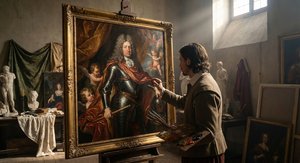
Potęga i Emocje w Portrecie Barokowym: Innowacje Artystyczne i Odzwierciedlenie Epoki
Odkryj potęgę i emocje w portrecie barokowym! Analiza innowacyjnych technik malarskich, realizmu Velázqueza i wpływu sztuki na społeczeństwo. Ekspercka wiedza o historii i interpretacji dzieł.

Baroque Classicism: The Grandeur of Order and Drama in 17th-Century Art History
Explore the profound elegance of Baroque Classicism. Discover how 17th-century masters synthesized dramatic emotion with classical order through the lens of the Counter-Reformation and the works of legends like Carlo Maratta and Andrea Sacchi.

Subtelności Pastelu: Historia, Technika i Emocjonalny Rezonans w Sztuce
Odkryj fascynujący świat pasteli! Poznaj historię, technikę i wybitnych artystów. Porady konserwacji, inspiracje Wyspiańskiego i wszystko, co musisz wiedzieć o malarstwie pastelowym. Ekspercka analiza dla miłośników sztuki.



.jpg)