Zobacz w skali 1:1
 Wyślij
 Udostępnij
 Szczegóły
 Przewodnik

 Pobierz plik obrazu
 Podobne obiekty
 RTG
RTG Pokaz slajdów
 Statystyki
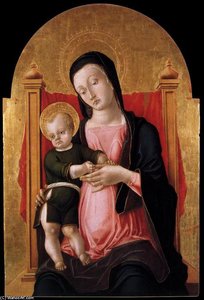
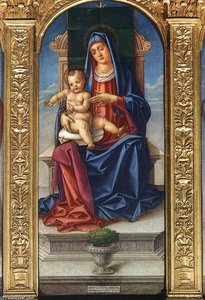
Madonna Na Tronie


 Czytaj więcej
Giclée / Wydruk artystyczny
Wydruki giclée lub płótna o jakości muzealnej, szybka realizacja i szeroki wybór opcji wykończenia. ( Kup ręcznie malowany obraz Przełącz na wersję cyfrową)




P118B zł10

P118H zł10

P118W zł10

P438Z zł10

P508JH zł12

P508YH zł12

P805H zł10

P805Z zł10

P919BZ zł10

P919G zł10

P919XJ zł10

P959ZH zł10

P968JZ zł12

W106C zł8

W218G zł10

W218JH zł8

W218Y zł10

W307PJ zł10

W316G zł10

W316PJ zł8

W316Y zł10

W398PJ zł8

W4111J zł10

W500HY zł15

W500JH zł15

W692G zł12

W849H zł8

W940BG zł15

W953PJ zł8




Wybierz spośród naszych standardowych rozmiarów, które zachowują oryginalne proporcje dzieła sztuki.

Wpisz wymaganą szerokość i wysokość, aby dopasować grafikę do ramy lub ściany. Wydruk można jedynie przyciąć, nigdy nie powiększając go poza oryginalny obraz, dlatego format o innym proporcji spowoduje utratę części kompozycji. Przed rozpoczęciem druku prześlemy Ci cyfrowy podgląd do zatwierdzenia. Obraz wyświetlany na tej stronie nie pokazuje rzeczywistego przycięcia — jedynie podgląd oddaje ten efekt.
Dostawa na cały świat () w ciągu 2 tygodni zamiast standardowych 4/5 tygodni. (25 Październik)

Bezpłatna ekspresowa wysyłka na cały świat

Wysokiej jakości płótno lniane

Pełne ubezpieczenie transportowe

Gwarancja zwrotu należności celnych i podatków importowych

Gwarancja idealnego odwzorowania barw

100-dniowy okres na zwrot dzieła w przypadku wykrycia wad produkcyjnych

Gwarancja 100% zwrotu pieniędzy

Oferta przy zakupie wielu sztuk
 Opcja ze szkłem jest dostępna wyłącznie w rozmiarach poniżej 110 cm

Madonna Na Tronie
Giclée / Wydruk artystyczny
Rozmiar reprodukcji
-


Suma do zapłaty
zł 307
Bartolomeo Vivarini’s Madonna Enthroned: A Venetian Echo of Early Renaissance Idealism
Fra Angelico's influence on Bartolomeo Vivarini is palpable in ‘Madonna Enthroned,’ a masterpiece executed around 1482 that embodies the spirit of Venetian art during its formative years. While Vivarini, unlike his Florentine counterpart, honed his craft primarily within the vibrant artistic milieu of Murano – renowned for its glassmaking tradition – he nonetheless absorbed the stylistic innovations sweeping across Italy at the time, mirroring the broader trends toward naturalism and humanist thought that characterized the burgeoning Renaissance. This painting isn’t merely a depiction of religious piety; it's a carefully constructed visual statement reflecting profound intellectual currents.A Synthesis of Byzantine Tradition and Florentine Innovation
The artwork immediately establishes itself as rooted in Byzantine iconography, evident in its pyramidal composition—a hallmark of Eastern art—and the subdued palette dominated by deep blues, reds, and golds. However, Vivarini deftly incorporates elements characteristic of Early Renaissance Florence, notably a heightened sense of spatial depth achieved through subtle modeling and shading. This technique distinguishes itself from the flattened surfaces favored by Gothic painters, signaling a decisive break with medieval artistic conventions. The artist’s meticulous brushwork contributes to this impression of realism, demonstrating an unwavering commitment to capturing nuanced textures—particularly in the drapery folds—that imbue the scene with palpable warmth and luminosity.Symbolism Woven into Every Detail
Beyond its formal qualities, ‘Madonna Enthroned’ overflows with symbolic significance. Mary's regal posture upon her throne underscores her divine authority, mirroring depictions found throughout Byzantine art. The inclusion of a small plant pot—a motif frequently employed in Venetian paintings—represents fertility and paradise, aligning Vivarini’s work with prevailing humanist ideals that celebrated the beauty and potential of earthly existence alongside spiritual contemplation. Furthermore, Mary's gesture – presenting Jesus – embodies the theological concept of incarnation, conveying the divine grace bestowed upon humanity through Christ’s birth.The Venetian Context: Artistic Dialogue Across Regions
Vivarini’s artistic endeavors flourished within Murano’s dynamic artistic landscape—a region experiencing a burgeoning interest in classical art and humanist scholarship. This context fostered an ongoing dialogue between Venetian artists and their Florentine counterparts, resulting in stylistic hybridity that distinguishes Venetian painting from its northern brethren. The influence of Antonio da Negroponte, another prominent Venetian painter of the period, is discernible in Vivarini’s careful attention to detail and his masterful rendering of drapery—a skill honed through observation of sculptural forms prevalent in Roman antiquities.A Legacy of Beauty and Faith
‘Madonna Enthroned,’ therefore, transcends its formal attributes as a religious painting; it stands as a testament to the transformative power of artistic innovation. Vivarini’s achievement lies not only in executing a technically proficient artwork but also in conveying an enduring message of faith and beauty—a legacy that continues to inspire admiration and contemplation centuries later. Its serene composition and rich color palette invite viewers into a realm of spiritual solace, reflecting the humanist conviction that art could illuminate the human condition and elevate the soul.Pytania i odpowiedzi
Kto jest autorem dzieła "Madonna Na Tronie"?
„Madonna Na Tronie” zostało stworzone przez Bartolomeo Vivarini. Informacje na tej stronie opisują oryginalne dzieło autorstwa Bartolomeo Vivarini.
Skąd pochodzą odwiedzający „Madonna Na Tronie” autorstwa Bartolomeo Vivarini?
Strona Statystyki dzieła „Madonna Na Tronie” autorstwa Bartolomeo Vivarini przedstawia statystyki odwiedzin: miesięczną liczbę wyświetleń tego dzieła, porównanie z najczęściej oglądanymi pracami artysty oraz informacje o pochodzeniu odwiedzających.
Czy „Madonna Na Tronie” autorstwa Bartolomeo Vivarini to jasne czy ciemne dzieło?
Postrzegana jasność dzieła „Madonna Na Tronie” autorstwa Bartolomeo Vivarini wynosi zrównoważona. Można ją dopasować do oświetlenia w docelowym pomieszczeniu.
Zobacz także powiązane artykuły
25 Arcydzieł Galerii Uffizi: Podróż przez Renesansowy Genialny Świat | OriginalUniqueArt.com
Odkryj 25 arcydzieł Galerii Uffizi we Florencji! Poznaj historie Leonarda da Vinci, Botticellego i Rafaela. Reprodukcje obrazów najwyższej jakości dla Twojego wnętrza – inspiracje i dekoracje na OriginalUniqueArt.com.

Divine Grace: An Art Historian's Journey Through Iconic Masterpieces of the Virgin Mary
Explore the profound beauty of Marian iconography through an art historian's lens. Discover iconic masterpieces by Raphael and Renaissance masters, celebrating the divine grace and timeless elegance of the Virgin Mary in classical fine art.
Divine Grace: A Journey Through the Most Iconic Depictions of the Virgin Mary in Art History
Embark on a profound journey through art history with our exploration of the most iconic depictions of the Virgin Mary. Discover the divine grace, symbolism, and masterful techniques found in Renaissance masterpieces and sacred iconography.
Fra Angelico: 25 Arcydzieł Sztuki Włoskiego Renesansu | Reprodukcje Obrazów Online
Odkryj 25 arcydzieł Fra Angelico – mistrza renesansu włoskiego! Poznaj historię, techniki i piękno jego fresków oraz obrazów religijnych. Reprodukcje najwyższej jakości na OriginalUniqueArt.com. Eksploruj kolekcję online!
Raphael: 25 Arcydzieł Mistrza Renesansu - Obrazy i Dekoracje OriginalUniqueArt.com
Odkryj 25 arcydzieł Raphaela – od Madonn po freski Watykanu. Poznaj historię, technikę i piękno renesansowego malarstwa. Reprodukcje obrazów najwyższej jakości na OriginalUniqueArt.com. Eksploruj kolekcję online!