
 Podgląd w skali
 Wyślij jako kartkę
 Udostępnij
 Szczegóły dzieła

 Pobierz
 Podobne obiekty
 RTG
RTG Pokaz slajdów
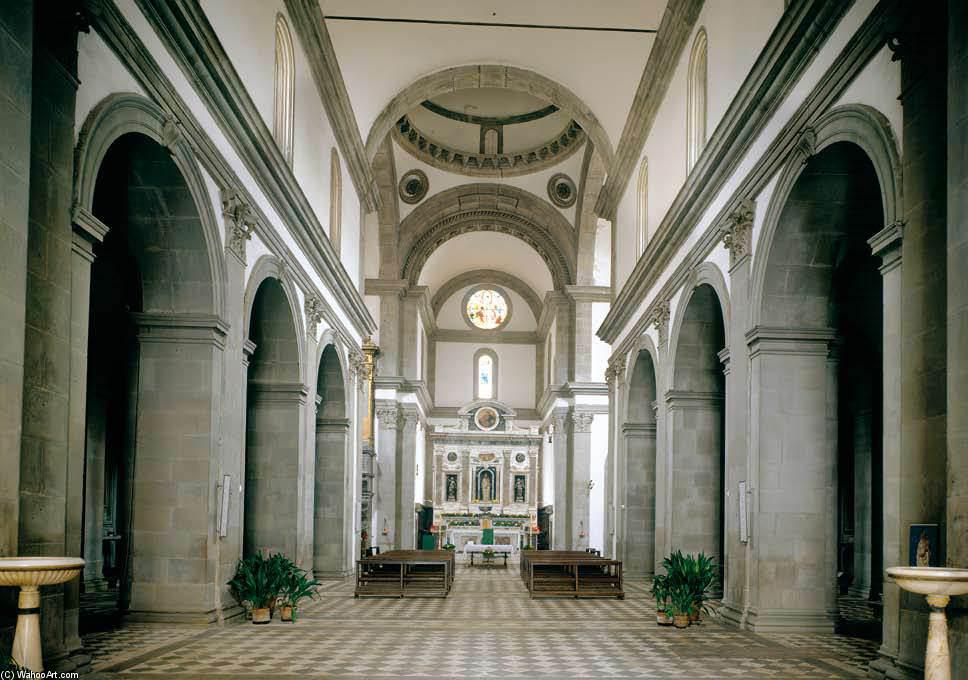
Interior


 Rozwiń treść
Ręcznie malowana reprodukcja olejowa
Ręcznie malowany obraz olejny na płótnie, wykonany na zamówienie przez naszych artystów w wybranym przez Ciebie wymiarze i oprawie. ( Zamów wydruk Przełącz na obraz)




































Wybierz spośród naszych standardowych rozmiarów, które zachowują oryginalne proporcje dzieła sztuki.

Możesz wprowadzić własne wymiary, aby dopasować obraz do konkretnej ramy lub przestrzeni. Jeśli wybrany rozmiar nie będzie odpowiadał proporcjom oryginału, przytniecie dzieło sztuki lub rozszerzymy je o dodatkowe elementy, ręcznie domalowane przez artystę. Przed rozpoczęciem produkcji wyślemy projekt cyfrowy do Twojej akceptacji.
Należy pamiętać, że podgląd na ekranie nie odzwierciedla rzeczywistego przycinania ani rozszerzania obrazu. Tylko projekt dokładnie pokaże ostateczną kompozycję.
Choć oferujemy możliwość zamówienia niestandardowych rozmiarów, zalecamy wybór wymiaru z gotowej listy, aby zachować oryginalne proporcje dzieła.
Po złożeniu zamówienia zespół OriginalUniqueArt.com skontaktuje się z klientem drogą mailową w celu uzyskania instrukcji i prześle wizualizację projektu
Dostawa na całym świecie () w ciągu 3–4 tygodni zamiast standardowych 5 tygodni. (11 Sierpień). Bez kompromisów w kwestii jakości.

Bezpłatna ekspresowa wysyłka na cały świat

Wysokiej jakości płótno lniane

Pełne ubezpieczenie przesyłki

Gwarancja zwrotu należności celnych i podatków importowych

Gwarancja wiernego odwzorowania kolorów

Polityka 60-dniowego zwrotu (tylko w przypadku wad)

Gwarancja 100% zwrotu kosztów

Zniżka przy zamówieniu wielu produktów
 Opcja ze szkłem jest dostępna wyłącznie w rozmiarach poniżej 110 cm

Interior
Technika reprodukcji
Wymiary reprodukcji
-


Cena całkowita
$ 300
O artyście
Bartolomeo della Gatta: A Florentine Master of Faith and Form
Born Pietro di Antonio Dei in Florence around 1448, Bartolomeo della Gatta’s life was a fascinating blend of artistic apprenticeship, monastic devotion, and significant contributions to the burgeoning Renaissance art scene. His early years were steeped in the traditions of Florentine goldsmithing – his father’s profession – yet he quickly gravitated towards painting, absorbing techniques from masters like Andrea Verrocchio and likely benefiting from the vibrant workshops of Antonio and Piero Pollaiuolo. This formative period laid the groundwork for a distinctive style characterized by a meticulous attention to detail, a deep understanding of human anatomy, and a masterful use of color and light.
In 1468, a pivotal moment shaped his trajectory: Bartolomeo entered the Order of Camaldoli, taking the name Bartolomeo upon ordination. This monastic commitment profoundly influenced his artistic output, shifting its focus towards religious subjects and imbuing it with a sense of solemnity and spiritual contemplation. His brother, Nicolo, had already embraced this path, providing a familial context for his own dedication to God. The transition marked not an abandonment of painting but rather a channeling of his talents into service of the Church, a role he fulfilled with considerable skill and devotion.
Around 1481, Bartolomeo’s reputation reached Rome, where he was summoned to contribute to the ambitious fresco cycle adorning the walls of the Sistine Chapel. This commission represented a significant step in his career, placing him within the orbit of some of Italy's most influential artists. He collaborated closely with Luca Signorelli, learning from his innovative approach to perspective and anatomical representation. The experience honed his skills and broadened his artistic horizons, exposing him to the grandeur and complexity of papal patronage.
A Master of Religious Scenes and Portraits
Bartolomeo della Gatta’s oeuvre is primarily comprised of religious scenes and portraits, reflecting his monastic vocation and his ability to capture the essence of human emotion within a sacred context. His works are characterized by a serene grace and an almost meditative quality, inviting viewers into a realm of spiritual contemplation. Among his most celebrated paintings is “Lorenzo,” a portrait that exemplifies his skill in rendering subtle expressions and capturing the dignity of his subject. The painting showcases a remarkable level of realism combined with a refined sense of elegance – a hallmark of Florentine art at the time.
Beyond portraits, Bartolomeo excelled in depictions of the Virgin Mary and Christ Child, often imbued with an ethereal beauty and a profound sense of tenderness. “The Lady of the Assumption Gives St Thomas Her Belt” is a particularly striking example, demonstrating his mastery of composition, color harmony, and the depiction of drapery – a skill he likely developed through studying the works of Piero della Francesca. The painting’s intricate details and luminous palette create a captivating visual experience.
His work also includes depictions of Saint Roch, another testament to his ability to convey religious narratives with both emotional depth and artistic finesse. These scenes are not merely illustrations but rather carefully constructed compositions designed to evoke contemplation and inspire faith.
Influence and Artistic Style
Bartolomeo della Gatta’s style is a fascinating synthesis of influences, reflecting the diverse artistic currents circulating in Florence during his lifetime. He was undoubtedly influenced by the naturalism of Florentine painting, particularly the work of Verrocchio and Pollaiuolo, evident in his meticulous rendering of anatomy and his skillful use of light and shadow. However, he also absorbed elements from the more austere style of Piero della Francesca, incorporating principles of linear perspective and a restrained palette into his compositions.
Furthermore, his time in Rome exposed him to the innovations of Luca Signorelli, whose dynamic figures and dramatic lighting techniques undoubtedly impacted his own artistic practice. Bartolomeo’s paintings are not simply imitations of these influences but rather sophisticated interpretations that reflect his unique artistic sensibility. He skillfully blended these diverse elements into a cohesive style characterized by clarity, grace, and spiritual depth.
Legacy and Historical Significance
Despite his relatively short career – he died in Florence in 1502 – Bartolomeo della Gatta left an enduring legacy as one of the leading artists of the Florentine Renaissance. His works are treasured for their technical skill, emotional resonance, and spiritual depth. He was a key figure in the artistic landscape of Arezzo, where he served as abbot of San Clemente and contributed significantly to the region’s cultural heritage.
His collaboration with Luca Signorelli on the Sistine Chapel frescoes cemented his place within the broader context of Renaissance art history. Bartolomeo della Gatta's paintings continue to be studied and admired for their beauty, their technical mastery, and their profound expression of faith – a testament to the enduring power of his artistic vision.

bartolomeo della gatta
1448 - 1502 , Italy
Krótka nota
- Artistic Movement Or Style: Renaissance Painting
- Artists Or Movements Influenced By This Artist:
- Piero della Francesca
- Perugino
- Artists Who Influenced This Artist:
- Fra Bartolommeo
- Luca Signorelli
- Date Of Birth: 1448 Florence, Italy
- Date Of Death: 1502 Florence, Italy
- Full Name: Bartolomeo della Gatta
- Nationality: Italian (Florentine)
- Notable Artworks:
- Lorenzo
- The Lady Assumption
- St Roch Artwork
- Place Of Birth: Florence, Italy

