
 Zobacz w skali 1:1
 Wyślij
 Udostępnij
 Szczegóły
 Przewodnik

 Pobierz plik obrazu
 Podobne obiekty
 RTG
RTG Pokaz slajdów
 Statystyki
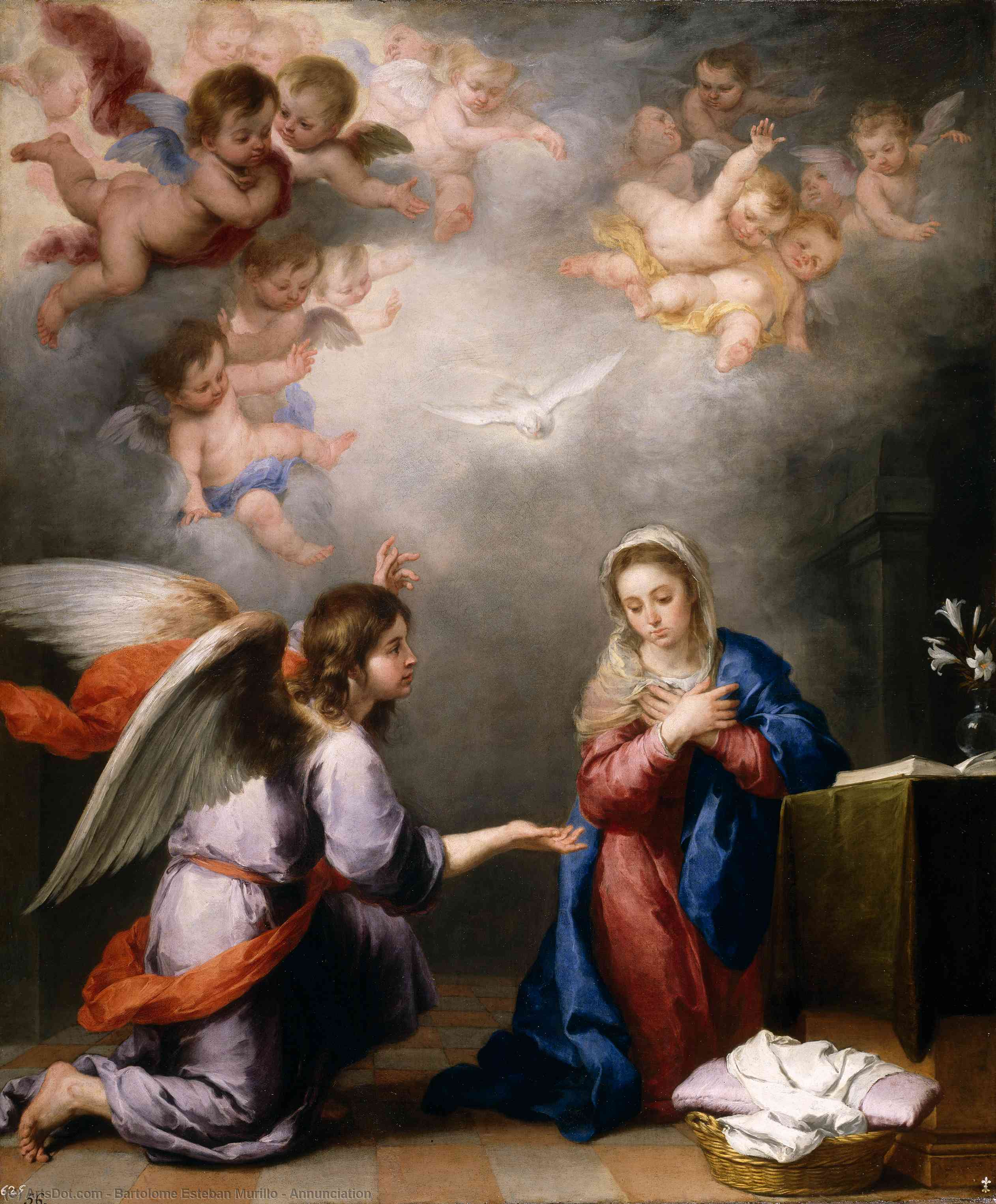
Annunciation


 Czytaj więcej
Ręcznie malowana reprodukcja olejowa
Ręcznie malowany obraz olejny na płótnie, wykonany na zamówienie przez naszych artystów w wybranym przez Ciebie wymiarze i oprawie. ( Przełącz na wersję drukowaną Przełącz na wersję cyfrową)




P118B zł10

P118H zł10

P118W zł10

P438Z zł10

P508JH zł12

P508YH zł12

P805H zł10

P805Z zł10

P919BZ zł10

P919G zł10

P919XJ zł10

P959ZH zł10

P968JZ zł12

W106C zł8

W218G zł10

W218JH zł8

W218Y zł10

W307PJ zł10

W316G zł10

W316PJ zł8

W316Y zł10

W398PJ zł8

W4111J zł10

W500HY zł15

W500JH zł15

W692G zł12

W849H zł8

W940BG zł15

W953PJ zł8




Wybierz spośród naszych standardowych rozmiarów, które zachowują oryginalne proporcje dzieła sztuki.

Wpisz wymaganą szerokość i wysokość, aby obraz pasował do Twojej ramy lub ściany. Ponieważ jest to dzieło malowane ręcznie, w przypadku rozmiaru o innym proporcji artysta może domalować nieco więcej wokół obrazu lub przyciąć fragmenty — wybór należy do Ciebie. Przed rozpoczęciem pracy prześlemy Ci cyfrową wizualizację do zatwierdzenia. Obraz widoczny na tej stronie nie przedstawia rzeczywistego efektu — jedynie wizualizacja oddaje realny rezultat.
Po złożeniu zamówienia zespół OriginalUniqueArt.com skontaktuje się z klientem drogą mailową w celu uzyskania instrukcji i prześle wizualizację projektu
Dostawa na całym świecie () w ciągu 3–4 tygodni zamiast standardowych 5 tygodni. (23 Październik). Bez kompromisów w kwestii jakości.

Bezpłatna ekspresowa wysyłka na cały świat

Wysokiej jakości płótno lniane

Pełne ubezpieczenie transportowe

Gwarancja zwrotu należności celnych i podatków importowych

Gwarancja idealnego odwzorowania barw

100-dniowy okres na zwrot dzieła w przypadku wykrycia wad produkcyjnych

Gwarancja 100% zwrotu pieniędzy

Oferta przy zakupie wielu sztuk
 Opcja ze szkłem jest dostępna wyłącznie w rozmiarach poniżej 110 cm

Annunciation
Technika wykonania
Rozmiar reprodukcji
-


Suma do zapłaty
zł 1251
A Divine Encounter
The scene captures the moment Archangel Gabriel announces to Mary her role as the mother of Jesus Christ. Within a modestly furnished room, Mary kneels at a prie-dieu, her eyes cast downwards in a posture of profound reverence. A basket of handiwork sits aside, suggesting a quiet interruption of her daily labors. Above, the angel Gabriel appears with delicate wings and an expression of gentle authority, gesturing toward the dove of the Holy Spirit that floats in the celestial space above them. Three cherubs drift through the clouds, holding musical instruments to evoke a sense of heavenly harmony.
The composition follows a pyramidal structure, anchored by Mary’s figure and radiating outward through the angel's gestures. A lily, symbolizing purity and innocence, rests within the scene as a potent emblem of chastity. The use of chiaroscuro creates a sharp contrast between light and shadow, sculpting the figures and lending depth to the domestic setting. This lighting directs focus toward the central interaction between heaven and earth.
Spanish Baroque Technique
Executed in oil on canvas around 1670, the work reflects the evolution of the Spanish Baroque style. While influenced by the stark realism and tenebrism of masters like Zurbarán and Ribera, the painting adopts a softer, more luminous aesthetic. The brushwork is meticulous, utilizing glazing and scumbling to build layers of color that suggest the texture of fabric, skin, and light.
The palette moves away from austere tones toward a more refined and accessible warmth. In the background, a hazy blue recession creates an atmospheric effect, while the organic shapes of flowing robes and rounded faces contrast with the geometric lines of the room's architecture. The result is a depiction that prioritizes emotional impact and spiritual significance over strict realism.
Pytania i odpowiedzi
Jak mogę podejrzeć reprodukcję dzieła „Annunciation” autorstwa Bartolomé Esteban Murillo?
Podgląd dzieła „Annunciation” autorstwa Bartolomé Esteban Murillo jest dostępny na stronie Podgląd danego utworu.
Czy dostępny jest wysokiej rozdzielczości plik do pobrania dla "Annunciation"?
Aby otrzymać plik cyfrowy dzieła „Annunciation” autorstwa Bartolomé Esteban Murillo, zamów wysokiej rozdzielczości cyfrowe zdjęcie do pobrania na stronie Obraz cyfrowy.
Któremu artyście przypisuje się "Annunciation"?
Autorem dzieła „Annunciation” jest Bartolomé Esteban Murillo. Praca ta figuruje w katalogu pod nazwiskiem Bartolomé Esteban Murillo.
Biografia artysty
A Life Bathed in Andalusian Light
Bartolomé Esteban Murillo, a name synonymous with the golden age of Spanish Baroque painting, emerged from the vibrant heart of Seville in 1618. His life, though marked by personal tragedy and societal shifts, blossomed into an artistic career that captured the spirit of his time—a period of religious fervor, social change, and burgeoning artistic innovation. Born to Gaspar Esteban, a barber-surgeon, and María Pérez Murillo, within a large family of fourteen children, young Bartolomé experienced early loss with the passing of both parents in quick succession during his childhood. This hardship led him into the guardianship of his sister’s husband, Juan Agustín Lagares, a pivotal figure who would indirectly guide his artistic path. Murillo's initial training began under Juan del Castillo, a local artist and relative through his mother, laying the foundation for a style that would eventually become uniquely his own. The early years were steeped in the realist traditions prevalent in Seville, absorbing influences from masters like Zurbarán, Ribera, and Cano—artists who prioritized stark realism and dramatic intensity. However, Murillo’s genius lay not in mere imitation but in transforming these foundations into something softer, more luminous, and profoundly human.From Realism to Radiant Grace
Murillo's artistic journey wasn’t a sudden leap to fame but rather an evolution marked by distinct phases. His early works, heavily influenced by the austere realism of his contemporaries, showcased a meticulous attention to detail and a somber palette. Young Man with a Basket of Fruit (Personification of Summer), created around 1640-50, exemplifies this period—a grounded depiction of everyday life rendered with remarkable precision. The figures are presented in a stark light, emphasizing their physical forms and the textures of their clothing and surroundings. Yet, even in these early pieces, hints of the tenderness and emotional depth that would define his mature style began to emerge. The Young Beggar, painted circa 1645, demonstrates a growing sensitivity towards human suffering, echoing the influence of Velázquez’s masterful portrayals of everyday people. The painting captures the vulnerability and quiet dignity of a young boy, inviting empathy from the viewer. As Murillo matured, his style underwent a remarkable transformation. He moved away from the stark realism of his predecessors, embracing a more polished and refined aesthetic that resonated with the tastes of Seville’s burgeoning bourgeois and aristocratic classes. This shift was particularly evident in his religious works, where he infused traditional iconography with an unprecedented sense of warmth, grace, and emotional accessibility. St. Jerome, painted between 1650-52, stands as a testament to this mature style—a softly luminous depiction that radiates serenity and devotion. The figure is bathed in a golden light, conveying a sense of spiritual contemplation and inner peace.A Master of Religious Sentiment and Genre Scenes
Murillo’s artistic output was remarkably diverse, encompassing religious paintings, genre scenes, portraits, and mythological subjects. However, he is most celebrated for his depictions of the Immaculate Conception—a subject that captivated him throughout his career and resulted in numerous variations, each imbued with a unique sense of ethereal beauty. These works, characterized by their delicate brushwork, luminous colors, and graceful compositions, became immensely popular and established Murillo as the preeminent painter of religious imagery in Spain. He skillfully blended traditional iconography with a profound understanding of human emotion, creating images that were both visually stunning and deeply moving. Beyond his sacred subjects, Murillo also excelled at capturing the everyday lives of ordinary people. His genre scenes—depictions of flower girls, street urchins, and beggars—offer a poignant glimpse into the social realities of 17th-century Seville. These paintings are not merely observational studies; they are imbued with a deep sense of empathy and compassion, elevating the humble subjects to a level of dignity and grace. He possessed an extraordinary ability to capture the innocence of childhood, portraying young children with remarkable realism and tenderness. The composition of *Kuchnia anielska* (The Angelic Kitchen), painted in 1646, is particularly noteworthy for its intimate portrayal of a family preparing food—a scene filled with warmth, domesticity, and a sense of quiet joy.Influences and Artistic Development
Murillo’s artistic development was shaped by a complex interplay of influences. Initially, he absorbed the realist traditions of Seville, drawing inspiration from masters like Zurbarán, Ribera, and Cano. These artists emphasized stark realism, dramatic lighting, and emotional intensity—elements that are evident in Murillo's early works. However, as he matured, his style began to evolve, influenced by the Venetian Renaissance painters, particularly Titian, and the Flemish Baroque masters such as Rubens and Van Dyck. The visit to Madrid in 1658 proved crucial, providing him with direct access to the royal collections and allowing him to study the works of these influential artists firsthand. This exposure profoundly impacted his style, leading to a shift towards softer colors, more luminous brushwork, and a greater emphasis on idealized forms. The influence of Velázquez is also discernible in Murillo’s portraits—particularly in their psychological depth and subtle rendering of character.Legacy and Enduring Influence
Bartolomé Esteban Murillo’s impact on the course of Spanish art—and indeed, European painting—is undeniable. He established a distinctive style that blended religious devotion with humanistic sentiment, creating works that resonated deeply with audiences across social strata. His influence extended far beyond his native Spain, inspiring generations of artists throughout Europe. Gainsborough and Greuze, among others, acknowledged their debt to Murillo’s luminous style and sensitive portrayals of human emotion. He trained numerous pupils in his Seville workshop, ensuring the continuation of his artistic legacy. His paintings can be found in prestigious museums worldwide, including the Museo del Prado in Madrid, the Hermitage Museum in Saint Petersburg, the Wallace Collection in London, and the Timken Museum of Art in San Diego—testaments to his enduring appeal and historical significance. Murillo’s art continues to captivate viewers with its beauty, grace, and profound humanity, solidifying his place as one of the most beloved and influential painters of the Spanish Baroque period. His ability to infuse religious imagery with emotional depth and portray everyday life with empathy ensures that his work remains relevant and inspiring centuries after his death in 1682.
Bartolomé Esteban Murillo
1618 - 1682 , Hiszpania
Najważniejsze informacje
- Artistic Movement Or Style: Barok
- Artists Or Movements Influenced By This Artist:
- Gainsborough
- Greuze
- Artists Who Influenced This Artist:
- Zurbarán
- Ribera
- Date Of Birth: 1 stycznia 1618
- Date Of Death: 3 kwietnia 1682
- Full Name: Bartolomé Esteban Murillo
- Nationality: Hiszpański
- Notable Artworks:
- Immaculata
- Młody żebrak
- Święty Jerome
- Place Of Birth: Sevilla, Hiszpania
Zobacz także powiązane artykuły

Dramatyczny Rozkwit Baroku: Dziedzictwo Sztuki Kontrreformacji i Mistrzowie Chiaroscuro
Odkryj dramatyczny świat baroku! Poznaj historię sztuki kontrreformacji, mistrzów chiaroscuro i weneckich arcydzieł. Reprodukcje najwyższej jakości na OriginalUniqueArt.com.
Spanish Baroque Art: The Dramatic Mastery of Light and Shadow in the Age of Velázquez
Explore the profound drama of Spanish Baroque art. Delve into the mastery of light, shadow, and realism through the legendary works of Diego Velázquez and the Spanish Golden Age.

Bartolomé Esteban Murillo: Divine Light & Social Commentary in Golden Age Seville
Explore the captivating world of Bartolomé Esteban Murillo, a master of Spanish Baroque painting. Discover his luminous religious scenes, tender genre paintings & lasting legacy in Golden Age Seville. Learn more at OriginalUniqueArt.

Złoty Wiek Odnowiony: Dramatyczny Realizm i Duchowny Zapał w Sztuce Hiszpańskiego Baroku
Poznaj fascynujący świat baroku hiszpańskiego! Analiza dramatycznego realizmu Velázqueza, Zurbarána i Ribery oraz wpływu kontrreformacji na sztukę. Ekspercka wiedza dla kolekcjonerów i miłośników historii malarstwa.

The Visceral Stage: Exploring Dramatic Narratives & Emotional Intensity in Baroque Art
Explore the dramatic world of Baroque art! Discover iconic masters like Caravaggio & Rembrandt, their techniques, and the movement's lasting impact. Expert insights for collectors & enthusiasts at OriginalUniqueArt.