

 Podgląd w skali
 Wyślij jako kartkę
 Udostępnij
 Szczegóły dzieła

 Pobierz
 Podobne obiekty
 RTG
RTG Pokaz slajdów
ALLEGORIA PRAWDY


 Rozwiń treść
Giclée / Wydruk artystyczny
Druk giclée lub płótno o jakości muzealnej, szybka realizacja i szeroki wybór opcji wykończenia. ( Zamów ręcznie malowaną reprodukcję Kup obraz wysokiej rozdzielczości)




P118B $10

P118H $10

P118W $10

P438Z $10

P508JH $12

P508YH $12

P805H $10

P805Z $10

P919BZ $10

P919G $10

P919XJ $10

P959ZH $10

P968JZ $12

W106C $8

W218G $10

W218JH $8

W218Y $10

W307PJ $10

W316G $10

W316PJ $8

W316Y $10

W398PJ $8

W4111J $10

W500HY $15

W500JH $15

W692G $12

W849H $8

W940BG $15

W953PJ $8




Wybierz spośród naszych standardowych rozmiarów, które zachowują oryginalne proporcje dzieła sztuki.

Możesz wprowadzić własne wymiary, aby dopasować dzieło do konkretnej ramy lub przestrzeni. Jeśli wybrany rozmiar nie będzie odpowiadał proporcjom oryginalnego obrazu, przytniecie dzieło lub rozszerzymy obraz za pomocą odbicia lustrzanego lub jednolitego wypełnienia krawędzi. Przed rozpoczęciem produkcji prześlemy cyfrową wizualizację do Twojej akceptacji.
Prosimy pamiętać, że podgląd na ekranie nie odzwierciedla faktycznego przycinania ani rozszerzania. Tylko wizualizacja dokładnie pokaże końcową kompozycję.
Mimo dostępności niestandardowych rozmiarów, zalecamy wybór wymiaru z listy zdefiniowanej, aby zachować oryginalne proporcje.
Dostawa na cały świat () w ciągu 2 tygodni zamiast standardowych 4/5 tygodni. (6 Wrzesień)

Bezpłatna ekspresowa wysyłka na cały świat

Wysokiej jakości płótno lniane

Pełne ubezpieczenie przesyłki

Gwarancja zwrotu należności celnych i podatków importowych

Gwarancja wiernego odwzorowania kolorów

Polityka 100-dniowego zwrotu (tylko w przypadku wad)

Gwarancja 100% zwrotu kosztów

Zniżka przy zamówieniu wielu produktów
 Opcja ze szkłem jest dostępna wyłącznie w rozmiarach poniżej 110 cm

ALLEGORIA PRAWDY
Giclée / Wydruk artystyczny
Wymiary reprodukcji
-


Cena całkowita
$ 80
ALLEGORY DE LA JUSTICE – BARTHOLOMEAUS SPRANGER: A Baroque Masterpiece Illuminated
Bartholomäus Spranger’s “Allegorie de la Justice” stands as a testament to the grandeur and complexity of Baroque art, capturing not merely visual splendor but also profound philosophical contemplation. Painted around 1605-1607, this monumental canvas embodies the artistic spirit of its time—a fervent embrace of dramatic emotion, meticulous detail, and symbolic representation within a framework of idealized beauty. Spranger’s oeuvre is inextricably linked to the opulent courts of Europe, particularly Habsburg Spain, where his commissions cemented his reputation as one of the era's foremost artists specializing in erotic art alongside portraits of monarchs and nobility. However, “Allegorie de la Justice” transcends mere decorative splendor; it delves into weighty themes concerning morality, power, and divine retribution—a characteristic hallmark of Baroque artistic ambition.A Symphony of Color and Form: Technique and Composition
The painting’s execution is masterful, demonstrating Spranger's command of oil paint on canvas. Thick impasto brushstrokes dominate the surface, conveying a palpable sense of texture and dynamism that draws the viewer into the scene. Careful layering creates depth and luminosity, highlighting the drapery—particularly the flowing robes of Justice—with shimmering gold leaf accents. Linear perspective guides the eye across the composition, establishing a hierarchy of figures and emphasizing the central role of the female protagonist. Spranger skillfully employs chiaroscuro – dramatic contrasts between light and shadow – to sculpt the forms of his subjects and heighten their emotional impact. The overall effect is one of theatrical grandeur, mirroring the conventions of Baroque painting intended to inspire awe and reverence.Symbolism Embodied: Justice, Vulnerability, and Reflection
“Allegorie de la Justiça” overflows with symbolic significance. At its core resides Justice herself—represented by a regal woman holding aloft a sword, symbolizing righteousness and upholding law. Her gaze directs towards the viewer, conveying unwavering conviction and demanding moral accountability. Beneath her lies a prone male figure, bound or defeated, representing humanity humbled before divine judgment – a poignant reminder of consequences for wrongdoing. The lute player embodies sorrowful contemplation—perhaps lamenting past transgressions or reflecting on the burdens of virtue. These figures are positioned against a backdrop of architectural elements reminiscent of Roman temples, reinforcing the painting’s association with classical ideals of order and reason.Historical Context: Habsburg Spain and Moral Philosophy
The artwork emerged during the reign of Philip IV of Spain—a period marked by religious fervor and intellectual debate concerning moral philosophy. Spranger's patrons sought to elevate their status through artistic representations that affirmed Christian virtues and reinforced royal authority. “Allegorie de la Justiça” aligns perfectly with this cultural climate, reflecting the Baroque preoccupation with conveying spiritual truths through visual splendor. It speaks to a broader humanist concern for ethical conduct and underscores the importance of upholding moral standards—themes prevalent in contemporary theological treatises and philosophical dialogues.Emotional Resonance: A Portrait of Moral Integrity
Ultimately, “Allegorie de la Justiça” succeeds in capturing an enduring emotional resonance. The painting’s solemn grandeur evokes feelings of contemplation and reverence, prompting viewers to consider questions of morality and responsibility. Spranger's masterful use of color, form, and light elevates the image beyond mere depiction—transforming it into a powerful statement about human dignity and the pursuit of righteousness. It remains an unforgettable emblem of Baroque artistic achievement and continues to inspire admiration for its beauty and intellectual depth.O artyście
Bartholomeus Spranger: The Court Painter of Eroticism and Majesty
Bartholomäus Spranger (1546-1611), a name that resonates through the halls of Northern Mannerism, was more than just a painter; he was a pivotal figure in shaping artistic sensibilities during his time. Born in Antwerp, the son of a merchant with extensive travels, Spranger’s early life hinted at a future steeped in art and foreign influences. His initial training under Jan Mandijn, Frans Mostaert, and Cornelis van Dalem provided him with a solid foundation in landscape painting – a surprising starting point for an artist who would later become renowned for his intensely sensual depictions of the nude. However, it was his sojourn to Paris in 1565, working within the studio of Marc Duval, that truly ignited his artistic trajectory, exposing him to new techniques and perspectives.Early Influences and Italian Journeys
Spranger’s artistic development wasn't confined to the Netherlands. He diligently copied prints by Frans Floris and Parmigianino, absorbing their elegant lines and sophisticated compositions. Crucially, his travels extended into Italy, where he spent eight months in Milan and three months in Parma, assisting Bernardino Gatti on the ambitious fresco project for the dome of Santa Maria della Steccata. This experience offered invaluable insight into large-scale painting techniques and exposed him to the vibrant artistic scene of Renaissance Italy. His time in Rome proved particularly formative, establishing a connection with Giulio Clovio, a renowned mannerist painter and designer, who became his protégé. It was here that he encountered Karel van Mander, whose *Schilder-boeck* would later provide a detailed account of Spranger’s life and work – a testament to the artist's significance within the artistic community.The Imperial Court of Prague
Spranger’s career truly ascended when he was appointed court painter to Pope Pius V in 1570. However, his most enduring legacy lies in his service to the Holy Roman Emperor Rudolf II, a passionate collector of art and esoteric knowledge. Rudolf's relocation of the imperial court to Prague in 1581 marked a turning point for Spranger. The emperor’s fascination with classical antiquity, mythology, and alchemy profoundly influenced the artist’s work. Spranger responded directly to these preferences, creating a body of paintings dominated by exquisitely rendered nude figures – often seen from behind, conveying an aura of mystery and sensuality. These weren't merely decorative studies; they were carefully constructed allegories reflecting Rudolf II’s philosophical leanings and his desire to project an image of power and sophistication.Style and Technique: Northern Mannerism at its Peak
Spranger’s style is a quintessential example of Northern Mannerism, characterized by elongated figures, complex poses, and a deliberate emphasis on elegance and refinement. His paintings are distinguished by their smooth modeling, meticulous detail, and a subtle use of color. He skillfully blended Netherlandish realism with Italian mannerist influences, particularly the Roman tradition of depicting classical mythology. His drawings, in particular, possess remarkable energy and freedom – a testament to his masterful draftsmanship. Spranger’s work is notable for its dynamism, achieved through carefully orchestrated diagonals and a sense of movement within each composition. The influence of his earlier training in landscape painting can be seen in the atmospheric backgrounds he often employed, adding depth and context to his figures.Legacy and Influence
Bartholomeus Spranger’s impact on European art is considerable. His paintings, particularly those housed in Vienna's Kunsthistorisches Museum, represent a pinnacle of Northern Mannerism. His work served as an inspiration for subsequent generations of artists, including the Dutch Republic, where his style was widely disseminated through prints and by artists who had worked with him. The meticulous detail and sensual appeal of his nudes continue to captivate viewers today, solidifying Spranger’s place as a master of his craft and a significant figure in the history of Western art. His story is one of artistic evolution, shaped by diverse influences and ultimately defined by his unique vision—a vision that seamlessly blended eroticism, allegory, and imperial grandeur.
bartholomeus spranger
1546 - 1611
Krótka nota
- Artistic Movement Or Style: Northern Mannerism
- Artists Or Movements Influenced By This Artist: ['Karel van Mander']
- Artists Who Influenced This Artist:
- Cornelis van Dalem
- Frans Mostaert
- Date Of Birth: March 21, 1546
- Date Of Death: June 27, 1611
- Full Name: Bartholomeus Spranger
- Nationality: Flemish
- Notable Artworks:
- Hermes and Athena
- Allegorie de la Justice
- Place Of Birth: Antwerp, Belgium
Powiązane artykuły

Francisco Goya: 25 Arcydzieł Genialnego Malarza Hiszpańskiego | OriginalUniqueArt.pl
Odkryj 25 arcydzieł Francisco Goyi – od portretów królewskich po dramatyczne 'Czarne Malowidła'. Poznaj historię, technikę i emocje hiszpańskiego mistrza. Reprodukcje obrazów najwyższej jakości na OriginalUniqueArt.com! Eksploruj kolekcję online.
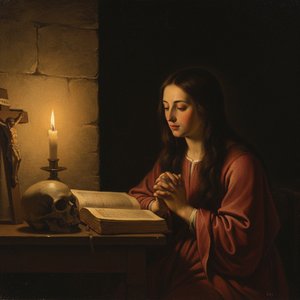
Georges de La Tour: Luminosity, Spirituality & Realism in Baroque Painting
Discover the captivating world of Georges de La Tour, a Baroque master renowned for his dramatic chiaroscuro & spiritual realism. Explore key works, influences, and his remarkable rediscovery. Learn more at OriginalUniqueArt.
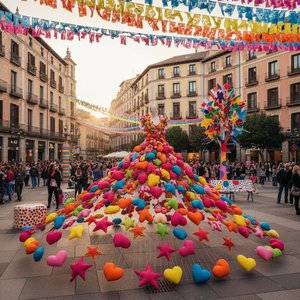
Águeda Ruiz de la Prada: A Study of Eclecticism & Emotional Resonance in Contemporary Spanish Painting
Discover the vibrant world of Ágatha Ruiz de la Prada, a leading figure in contemporary Spanish art. Explore her eclectic style, emotional depth & legacy – a must-read for discerning collectors.

O nas
Odkryj naszą historię! Wprowadzamy światowej klasy sztukę do Twojego życia dzięki starannie dobranym dziełom, personalizowanym kreacjom i bezpłatnym podglądom. Cenione przez osoby prywatne i firmy od 2000 roku.

Maurice Quentin de La Tour: Light, Shadow & the Rococo Portrait
Explore the captivating world of Maurice Quentin de La Tour, a master of Rococo portraiture. Discover his innovative pastel techniques, intimate depictions of French aristocracy, and lasting artistic legacy. Learn more at OriginalUniqueArt.
