

 Zobacz w skali 1:1
 Wyślij
 Udostępnij
 Szczegóły
 Przewodnik

 Pobierz plik obrazu
 Podobne obiekty
 RTG
RTG Pokaz slajdów
 Statystyki
Be I
 Painting
- WallArt
- Abstract Expressionism
 1970
1970 213.0 x 283.0 cm
 Detroit Institute of Arts
 Czytaj więcej
Dzieło sztuki prezentowane na tej stronie podlega ochronie prawem autorskim, co oznacza, że nie mamy prawa do tworzenia ani sprzedaży jego identycznej reprodukcji. Ochrona ta jest egzekwowana na mocy umów międzynarodowych, takich jak Konwencja berneńska oraz przez przepisy prawa krajowego, w tym te określone w Prawo autorskie USA – Tytuł 17.
Jako pełną szacunku i legalną alternatywę oferujemy personalizowane, malowane ręcznie dzieła sztuki inspirowane oryginałem. Nasi wykwalifikowani i profesjonalni artyści starannie analizują styl, nastrój oraz artystyczną esencję pierwowzoru, aby stworzyć nowe, unikalne dzieło, które przywołuje te same emocje – pozostając jednocześnie w pełni oryginalną kreacją.
Metoda ta jest w pełni zgodna z przepisami prawa autorskiego, ponieważ nie polega na kopiowaniu ani powielaniu chronionego dzieła. Stanowi ona kreatywną reinterpretację – nowy obraz, który czerpie inspirację z oryginału, ale nie jest z nim tożsamy.
Ręcznie malowana reprodukcja olejowa
Ręcznie malowany obraz olejny na płótnie, wykonany na zamówienie przez naszych artystów w wybranym przez Ciebie wymiarze i oprawie. ( Przełącz na wersję drukowaną Przełącz na wersję cyfrową)




P118B zł10

P118H zł10

P118W zł10

P438Z zł10

P508JH zł12

P508YH zł12

P805H zł10

P805Z zł10

P919BZ zł10

P919G zł10

P919XJ zł10

P959ZH zł10

P968JZ zł12

W106C zł8

W218G zł10

W218JH zł8

W218Y zł10

W307PJ zł10

W316G zł10

W316PJ zł8

W316Y zł10

W398PJ zł8

W4111J zł10

W500HY zł15

W500JH zł15

W692G zł12

W849H zł8

W940BG zł15

W953PJ zł8




Wybierz spośród naszych standardowych rozmiarów, które zachowują oryginalne proporcje dzieła sztuki.

Wpisz wymaganą szerokość i wysokość, aby obraz pasował do Twojej ramy lub ściany. Ponieważ jest to dzieło malowane ręcznie, w przypadku rozmiaru o innym proporcji artysta może domalować nieco więcej wokół obrazu lub przyciąć fragmenty — wybór należy do Ciebie. Przed rozpoczęciem pracy prześlemy Ci cyfrową wizualizację do zatwierdzenia. Obraz widoczny na tej stronie nie przedstawia rzeczywistego efektu — jedynie wizualizacja oddaje realny rezultat.
Po złożeniu zamówienia zespół OriginalUniqueArt.com skontaktuje się z klientem drogą mailową w celu uzyskania instrukcji i prześle wizualizację projektu
Dostawa na całym świecie () w ciągu 3–4 tygodni zamiast standardowych 5 tygodni. (23 Październik). Bez kompromisów w kwestii jakości.

Bezpłatna ekspresowa wysyłka na cały świat

Wysokiej jakości płótno lniane

Pełne ubezpieczenie transportowe

Gwarancja zwrotu należności celnych i podatków importowych

Gwarancja idealnego odwzorowania barw

100-dniowy okres na zwrot dzieła w przypadku wykrycia wad produkcyjnych

Gwarancja 100% zwrotu pieniędzy

Oferta przy zakupie wielu sztuk
 Opcja ze szkłem jest dostępna wyłącznie w rozmiarach poniżej 110 cm

Be I
Technika wykonania
Rozmiar reprodukcji
-


Suma do zapłaty
zł 1155
Biografia artysty
A Pioneer of Abstract Expressionism: The Life and Art of Barnett Newman
Barnett Newman, born in 1905 in New York City to Jewish immigrant parents from Poland, emerged as a pivotal figure in the landscape of American art. His journey wasn’t one of immediate recognition but rather a slow burn of artistic exploration and philosophical inquiry that ultimately redefined the possibilities of abstract painting. Initially studying at the Art Students League and later at the City College of New York, Newman absorbed the influences of his time – the burgeoning Cubism of Picasso and the vibrant color palettes of Matisse were early touchstones. However, he soon felt constrained by these established modes of representation, sensing a need to forge a new visual language capable of expressing the anxieties and spiritual longings of the post-war era. He even destroyed much of his earlier representational work, a deliberate act signifying his commitment to an entirely new artistic path. This period of self-imposed creative destruction was crucial; it cleared the ground for the radical simplicity that would come to define his mature style.Early Influences and Artistic Development
Newman’s formative years were marked by exposure to European avant-garde movements, particularly Cubism and Surrealism. Picasso's fragmented perspectives challenged traditional notions of visual perception, prompting Newman to question conventional artistic conventions. Simultaneously, Matisse’s bold use of color ignited his fascination with exploring the expressive potential of pigment—a passion that would become central to his distinctive aesthetic. Despite initial attempts at representational painting – landscapes and portraits – Newman quickly abandoned these pursuits, recognizing their inadequacy for conveying the profound emotional and intellectual concerns that preoccupied him. This decisive rejection of realism wasn’t merely stylistic preference; it represented a fundamental shift in artistic philosophy—a conviction that art should transcend mere imitation of nature to engage directly with human experience. He famously stated, “I want to paint what I see,” but he insisted that this vision shouldn't be limited to depicting the external world. Instead, he sought to capture something deeper – the inner landscape of consciousness and emotion.The Birth of the “Zip” and the Expansion of Color
Newman’s breakthrough arrived with the development of what he famously termed "zips"—vertical bands of color that bisect vast fields of monochrome hues. These weren't merely lines; they were dynamic forces, asserting presence within the expansive emptiness of the canvas. His first solo exhibition in 1943 at Betty Parsons Gallery marked a significant step, though initial reactions were mixed. Critics questioned whether his austere compositions truly conveyed any meaningful content. It was with works like Onement VI (1950-51) that Newman truly established his signature aesthetic. The painting’s sheer scale and austere composition—a single red zip dividing the canvas into fields of orange and red—were revolutionary. Vir Heroicus Sublimis (1958-60), a monumental work, further solidified this approach, its multiple zips creating a sense of spatial depth and evoking feelings of awe and contemplation. The “zip” wasn’t simply an aesthetic device; it was a structural element that simultaneously divided and unified the canvas, acting as a symbolic marker of human presence within the infinite. Newman's meticulous attention to surface texture—often achieved through painstaking application of pigment—contributed to the painting's tactile quality and heightened its emotional impact. He sought to create art that resonated with viewers on a visceral level, bypassing intellectual analysis in favor of direct sensory experience.Spirituality, The Sublime, and Philosophical Underpinnings
Beyond mere aesthetics, Newman’s art was deeply rooted in philosophical and spiritual concerns. He rejected the notion that painting should merely depict the external world, believing instead that it could serve as a vehicle for exploring profound existential questions. He sought to capture what he called “the sublime”—an experience of overwhelming grandeur and transcendence—through his abstract forms. This wasn’t about religious iconography but rather an attempt to evoke a primal sense of awe and wonder in the viewer. Newman was profoundly affected by the horrors of World War II and the dawn of the nuclear age, believing that traditional artistic conventions were inadequate for expressing the anxieties and moral complexities of this new era. His paintings became arenas for confronting these issues, offering not answers but rather spaces for contemplation and emotional resonance. He saw his work as a rejection of societal norms and an affirmation of individual freedom, striving to create art that was both intellectually rigorous and emotionally powerful.Legacy and Influence on Modern Art
Barnett Newman’s impact on the development of Abstract Expressionism—alongside contemporaries like Mark Rothko and Jackson Pollock—is undeniable. He wasn't simply a painter; he was a theorist, a writer, and an advocate for a new kind of art that prioritized emotional truth over representational accuracy. His innovative use of color and form profoundly influenced subsequent generations of artists, particularly those working in Color Field painting and Minimalism. Artists who followed found inspiration in his reductionist approach and his emphasis on the experiential qualities of art. Today, Newman’s work is held in major museums worldwide, including the Museum of Modern Art in New York and the National Gallery of Art in Washington, D.C., cementing his place as a central figure in 20th-century art history. His paintings continue to challenge and inspire viewers, inviting them to engage with fundamental questions about human existence, spirituality, and the power of abstract form.
Barnett Newman
1905 - 1970 , Stany Zjednoczone
Najważniejsze informacje
- Artistic Movement Or Style: Color Field Painting
- Artists Who Influenced This Artist:
- Henri Matisse
- Pablo Picasso
- Date Of Birth: 29 stycznia 1905
- Date Of Death: 4 lipca 1970
- Full Name: Barnett Newman
- Nationality: Amerykański
- Notable Artworks:
- Onement VI
- Vir Heroicus Sublimis
- Place Of Birth: Nowy Jork, USA
Zobacz także powiązane artykuły
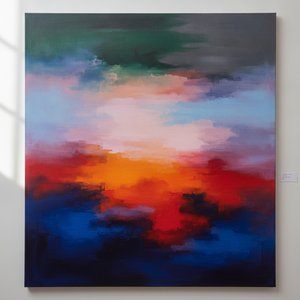
Color Field Painting: The Emotional Power of Pure Abstraction and Chromatic Depth
Explore the profound emotional depth of Color Field painting. Discover the history of mid-century abstraction, from Rothko to Newman, and learn how pure color transforms the viewer's experience through our expert art history guide.

Carl Newman: Exploring Abstraction's Spiritual Resonance Through Color Field Painting
Explore the profound spiritual resonance of Color Field Painting with insights into Rothko, Newman & Still. Discover the techniques & legacy of this influential abstract art movement.

Top 10 arcydzieł ekspresjonizmu abstrakcyjnego – inspiracje dla Twojego wnętrza | OriginalUniqueArt.com
Odkryj 10 arcydzieł ekspresjonizmu abstrakcyjnego – Pollock, Rothko, de Kooning i inni. Poznaj historie artystów, techniki i inspiracje dla Twojego wnętrza. Reprodukcje najwyższej jakości na OriginalUniqueArt.com!
The Essence of Abstraction: A Definitive Guide to the Power and History of Color Field Painting Masterpieces
Explore the profound emotional depth of Color Field painting. Our expert guide delves into the post-war origins of Abstract Expressionism, analyzing masterpieces by Rothko and Newman. Discover museum-grade, hand-painted oil reproductions that bring art history to your walls.
Beyond the Brushstroke: A Definitive Guide to the Emotional Power of Color Field Painting
Explore the profound history and emotional depth of Color Field painting. From Mark Rothko to Barnett Newman, discover how pure color redefined modern art through our expert-led guide for students and collectors alike.
