

 Podgląd w skali 1:1
 Wyślij jako kartkę
 Udostępnij
 Szczegóły dzieła
 Przewodnik

 Pobierz obraz
 Podobne obiekty
 RTG
RTG Pokaz slajdów
 Statystyki
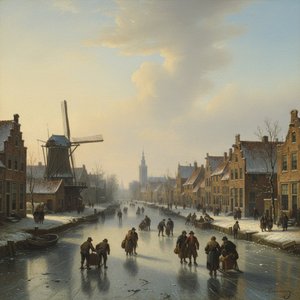
The approaching storm

 Rozwiń treść
Ręcznie malowana reprodukcja olejowa
Ręcznie malowany obraz olejny na płótnie, wykonany na zamówienie przez naszych artystów w wybranym przez Ciebie wymiarze i oprawie. ( Przełącz na wydania drukowane Przejdź do wersji cyfrowej)




































Wybierz spośród naszych standardowych rozmiarów, które zachowują oryginalne proporcje dzieła sztuki.

Wpisz wymaganą szerokość i wysokość, aby obraz pasował do Twojej ramy lub ściany. Ponieważ jest to dzieło malowane ręcznie, w przypadku rozmiaru o innych proporcjach artysta może domalować nieco więcej wokół obrazu lub przyciąć jego fragmenty — wybór należy do Ciebie. Przed rozpoczęciem pracy prześlemy Ci cyfrową wizualizację do zatwierdzenia. Obraz widoczny na tej stronie nie przedstawia rzeczywistego efektu — jedynie wizualizacja oddaje realny rezultat.
Po złożeniu zamówienia zespół OriginalUniqueArt.com skontaktuje się z klientem drogą mailową w celu uzyskania instrukcji i prześle wizualizację projektu
Dostawa na całym świecie () w ciągu 3–4 tygodni zamiast standardowych 5 tygodni. (26 Październik). Bez kompromisów w kwestii jakości.

Bezpłatna ekspresowa wysyłka na cały świat

Wysokiej jakości płótno lniane

Pełne ubezpieczenie przesyłki

Gwarancja zwrotu należności celnych i podatków importowych

Gwarancja wiernego odwzorowania kolorów

100-dniowa polityka zwrotów (tylko w przypadku wad)

Gwarancja 100% zwrotu pieniędzy

Zniżka przy zakupie wielu sztuk
 Opcja ze szkłem jest dostępna wyłącznie w rozmiarach poniżej 110 cm

The approaching storm
Technika reprodukcji
Wymiary reprodukcji
-


Cena całkowita
zł 1152
Biografia artysty
Early Life and Artistic Foundations
Born on October 11, 1803, in the charming city of Middelburg, nestled within the Dutch province of Zeeland, Barend Cornelis Koekkoek entered a world already steeped in artistic tradition. His father, Johannes Hermanus Koekkoek, was a celebrated marine painter, and his mother, Anna van Koolwijk, fostered an environment where creativity flourished. This nurturing atmosphere extended to his siblings – Hermanus, Johannes, and Marinus – all of whom pursued careers as artists, creating a veritable dynasty of Dutch painters. From his earliest years, young Barend absorbed the techniques and sensibilities of his father, laying the groundwork for his own artistic journey. He formally began his training at the Drawing Academy of Middelburg under the guidance of Abraham Krayestein, honing his foundational skills in draftsmanship and observation. This early education instilled in him a meticulous approach to detail that would become a hallmark of his mature style. In 1822, Koekkoek ventured to Amsterdam, enrolling at the prestigious Koninklijke Academie van Beeldende Kunsten where he dedicated four years to refining his talents. Even then, by 1824, his ambition was clear: he aspired to become a painter of landscapes, a genre that would ultimately define his legacy.The Embrace of Romanticism and the Search for Inspiration
As Europe succumbed to the allure of the Romantic movement, Koekkoek found himself deeply inspired by its emphasis on emotion, individualism, and the sublime power of nature. This influence manifested in his developing style, characterized by dramatic landscapes and atmospheric effects that sought to capture not merely the visual appearance of a scene but also its emotional resonance. A pivotal period followed his formal studies, as he spent two years in Hilversum (1826-1827), a rural haven attracting landscape and cattle painters. This immersion solidified his commitment to depicting the natural world. Recognition arrived in 1829 when the Amsterdam society Felix Meritis awarded him a gold medal for one of his summer landscapes, signaling his rising prominence within the Dutch art scene. His personal life also blossomed during this time; he married Elise Thérèse Daiwaille, daughter of artist Jean Augustin Daiwaille, in 1833. However, Koekkoek felt constrained by the relatively flat Dutch countryside and yearned for more dramatic scenery to fuel his Romantic vision. This led him to a momentous decision: in 1836, he relocated to Cleves, Germany, seeking inspiration along the Ahr, Ruhr, and Rhine rivers – regions renowned for their picturesque valleys, dense forests, and imposing natural beauty.Cleves Romanticism and Artistic Pedagogy
The move to Cleves proved transformative. Koekkoek quickly established himself as a leading figure in what became known as “Cleves Romanticism,” a distinct school of landscape painting characterized by its dramatic compositions, meticulous detail, and evocative atmosphere. He focused on expansive river valleys, idyllic forest views dominated by majestic oak trees, and scenes that emphasized the overwhelming power and grandeur of nature. His artistic philosophy was rooted in rigorous observation and precise draughtsmanship – principles he articulated in his influential book, *Herinneringen en mededeelingen van eenen landschapsschilder* (Recollections and Communications of a Landscape Painter), published in 1841. This work served as both a guide for aspiring artists and a testament to his own artistic beliefs. Recognizing the need to nurture future generations of landscape painters, Koekkoek founded his own drawing academy, the Zeichen Collegium, in Cleves. The academy attracted numerous students eager to learn from the “Prince of Landscape Painting,” including notable artists such as Frederik Marinus Kruseman, Lodewijk Johannes Kleijn, and Johann Bernard Klombeck. He guided them to study nature intently, observe subtle shifts in light, and examine the works of Dutch 17th-century masters – a lineage he sought to continue and expand upon.Later Years, Legacy, and Enduring Influence
Tragically, Koekkoek’s painting career was cut short by a debilitating stroke in November 1859. This event marked the end of his active artistic production, and he passed away on April 5, 1862, in Cleves at the age of 58. Despite this premature ending, Barend Cornelis Koekkoek left an indelible mark on Dutch art history. He was celebrated during his lifetime as the “Prince of Landscape Painting” and is now widely regarded as the founding father of Dutch Romantic landscape painting. His influence extended far beyond his own artistic output, shaping subsequent generations through his pupils and his emphasis on detailed observation and atmospheric rendering. His works are held in museums worldwide, a testament to their enduring appeal and artistic merit. Koekkoek’s legacy continues to inspire artists and art lovers alike, reminding us of the profound beauty and emotional power that can be found within the natural world. He remains a pivotal figure in understanding the development of Dutch Romanticism and its lasting impact on landscape painting. His dedication to capturing the sublime grandeur of nature, combined with his meticulous technique and pedagogical influence, ensures his place among the most important artists of the 19th century.
Barend Cornelis Koekkoek
1803 - 1862 , Netherlands
Krótka nota
- Full Name: Barend Cornelis Koekkoek
- Nationality: Dutch
- Date Of Birth: 1803
- Date Of Death: 1862
- Place Of Birth: Middelburg, Netherlands
- Notable Artworks:
- The Approaching Storm
- A Wooded Landscape
- Figures in Winter
- Artistic Movement Or Style: Romanticism
- Artists Who Influenced This Artist:
- Johannes H. Koekkoek
- Abraham Krayestein
- Artists Or Movements Influenced By This Artist:
- Dutch Romanticism
- Cleves Romanticism
Powiązane artykuły

Golden Light & Dutch Skies: The Timeless Magic of Dutch Golden Age Landscapes
Discover the breathtaking beauty of Dutch Golden Age landscapes. Explore the mastery of light, chiaroscuro, and 17th-century realism through an expert art history lens, celebrating the enduring legacy of the Dutch Masters for discerning collectors and art lovers.

Masterpieces of Light: A Definitive Guide to the Landscapes of the Dutch Golden Age
Discover the luminous mastery of Dutch Golden Age landscapes. Our expert guide explores the atmospheric realism of masters like Van Goyen and Cuyp. Elevate your space with museum-quality, hand-painted oil reproductions from OriginalUniqueArt.com. Art history, beautifully realized.
Charles Leickert: Capturing the Dutch Golden Age Light – A Comprehensive Study of Technique, Context, and Legacy
Explore the captivating winter landscapes of Charles Leickert, a master of Dutch Golden Age light & atmosphere. Discover his techniques, symbolism, and lasting legacy – a comprehensive study for art enthusiasts and collectors.

Romantyczny Krajobraz w Malarstwie: 10 Arcydzieł, Które Zdefiniowały Epokę | OriginalUniqueArt.com
Odkryj 10 arcydzieł romantyzmu w malarstwie! Poznaj historie Caspara Davida Friedricha, Turnera i innych mistrzów. Inspiracje wnętrzarskie & reprodukcje obrazów najwyższej jakości na OriginalUniqueArt.com. Eksploruj kolekcję online!

Sublime i malowniczość w krajobrazie romantycznym: Emocje, natura i duchowość w sztuce XIX wieku
Odkryj fascynujący świat romantycznego krajobrazu! Poznaj filozofię Sublime, arcydzieła Friedricha i Turnera oraz wpływ tego nurtu na sztukę. Inspiracje i reprodukcje najwyższej jakości – OriginalUniqueArt.