Podgląd w skali
 Wyślij
 Udostępnij
 Szczegóły

 Pobierz plik obrazu
 Podobne obiekty
 RTG
RTG Pokaz slajdów
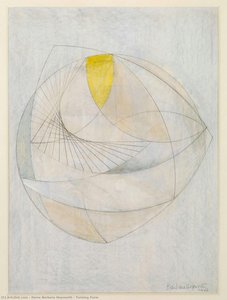
Oval Form with Strings


 Czytaj więcej
Giclée / Wydruk artystyczny
Druk giclée lub płótno o jakości muzealnej, szybka realizacja i szeroki wybór opcji wykończenia. ( Zamów ręcznie malowaną reprodukcję Przełącz na obraz)




P118B $10

P118H $10

P118W $10

P438Z $10

P508JH $12

P508YH $12

P805H $10

P805Z $10

P919BZ $10

P919G $10

P919XJ $10

P959ZH $10

P968JZ $12

W106C $8

W218G $10

W218JH $8

W218Y $10

W307PJ $10

W316G $10

W316PJ $8

W316Y $10

W398PJ $8

W4111J $10

W500HY $15

W500JH $15

W692G $12

W849H $8

W940BG $15

W953PJ $8




Wybierz spośród naszych standardowych rozmiarów, które zachowują oryginalne proporcje dzieła sztuki.

Możesz wprowadzić własne wymiary, aby dopasować dzieło do konkretnej ramy lub przestrzeni. Jeśli wybrany rozmiar nie będzie odpowiadał proporcjom oryginalnego obrazu, przytniecie dzieło lub rozszerzymy obraz za pomocą odbicia lustrzanego lub jednolitego wypełnienia krawędzi. Przed rozpoczęciem produkcji prześlemy cyfrową wizualizację do Twojej akceptacji.
Prosimy pamiętać, że podgląd na ekranie nie odzwierciedla faktycznego przycinania ani rozszerzania. Tylko wizualizacja dokładnie pokaże końcową kompozycję.
Mimo dostępności niestandardowych rozmiarów, zalecamy wybór wymiaru z listy zdefiniowanej, aby zachować oryginalne proporcje.
Dostawa na cały świat () w ciągu 2 tygodni zamiast standardowych 4/5 tygodni. (5 Sierpień)

Bezpłatna ekspresowa wysyłka na cały świat

Wysokiej jakości płótno lniane

Pełne ubezpieczenie transportowe

Gwarancja zwrotu należności celnych i podatków importowych

Gwarancja pełnego odwzorowania kolorów

Polityka 60-dniowego zwrotu (tylko w przypadku wad)

Gwarancja 100% zwrotu pieniędzy

Oferta rabatowa przy większych zamówieniach
 Opcja ze szkłem jest dostępna wyłącznie w rozmiarach poniżej 110 cm

Oval Form with Strings
Giclée / Wydruk artystyczny
Rozmiar reprodukcji
-


Suma do zapłaty
$ 80
Opis obiektu
A Dance of Line and Void
In the quiet, contemplative realm of modern abstraction, Barbara Hepworth’s Oval Form with Strings stands as a profound testament to the delicate equilibrium between presence and absence. Created in 1960, this evocative work serves as a window into the artist's sculptural mind, capturing the very essence of her exploration of space and connectivity. At first glance, the composition draws the eye toward a central, commanding oval, a shape that possesses both weight and lightness. Within this form lies a deliberate void, a hollowed center that invites the viewer to look through the artwork rather than merely at it. This interplay of solid and empty space is not merely a technical feat but a poetic gesture, suggesting that what is missing can be just as vital as what remains.
The piece is animated by a rhythmic network of fine, thread-like lines that radiate from the central nucleus like celestial orbits or the tension of a musical instrument. These delicate strokes, rendered with the precision of a master, create a sense of dynamic movement, pulling the viewer’s gaze outward toward the edges of the paper. The organic, flowing nature of these lines avoids the rigidity of geometry, instead embracing a soft, biological grace. Interspersed within the larger oval are smaller, circular motifs in warm hues of orange and earthy brown, which act as anchors of color against the muted, creamy background. This restrained palette evokes a sense of primordial serenity, reminiscent of natural landscapes or the subtle textures found in weathered stone and ancient parchment.
The Sculptural Soul on Paper
While Hepworth is globally celebrated for her monumental bronze and stone sculptures, Oval Form with Strings reveals the intimate, preparatory heartbeat of her creative process. The technique—likely a masterful use of graphite, charcoal, and perhaps subtle washes—demonstrates an incredible sensitivity to texture and depth. Through varying densities of line and soft gradations of tone, Hepworth achieves a three-dimensional illusion on a two-dimensional plane. There is a palpable sense of layering here; some lines appear to float near the surface, while others recede into a misty, atmospheric background, creating a profound sense of spatial depth that mimics the hollowed interiors of her famous sculptures.
For the discerning collector or interior designer, this artwork offers more than mere decoration; it provides an emotional anchor. The piece resonates with themes of interconnectedness and the invisible bonds that tie elements of the universe together. Its abstract expressionist style, characterized by a spontaneous yet controlled energy, makes it a versatile masterpiece for sophisticated environments. Whether placed in a minimalist gallery setting or as a focal point in a contemporary living space, the artwork radiates a quiet strength and a meditative calm. It is an invitation to pause, to breathe, and to find beauty in the delicate tension between the seen and the unseen.
Biografia artysty
Barbara Hepworth: Pioneer of Organic Abstraction
Barbara Hepworth (1903–1975) stands as one of the most influential figures in British sculpture of the 20th century, a sculptor whose uncompromising vision reshaped artistic conventions and cemented her place among the foremost innovators of modernism. Born Jocelyn Barbara Hepworth on January 10, 1903, in Wakefield, Yorkshire—the eldest child of Herbert and Gertrude Johnson Hepworth—her formative years were steeped in the rugged beauty of the Pennines landscape, an environment that would profoundly inform her artistic sensibility for decades to come.Herbert Hepworth was a civil engineer for the West Riding County Council, who in 1921 advanced to the role of county surveyor.- Early Education: Hepworth attended Wakefield Girls’ High School where she excelled academically and musically.
- Leeds School of Art: At Leeds School of Art from 1920, she encountered Henry Moore, forging a friendship that would endure throughout their careers—a relationship characterized by mutual respect and spirited debate about artistic direction.
Formal Training and Artistic Beginnings
Hepworth’s formal training culminated in her enrollment at the Royal College of Art (RCA) in London in 1921, where she honed her sculptural skills under the tutelage of Henry Moore and others. Her diploma in 1924 marked a pivotal moment, propelling her into the burgeoning avant-garde movement of the time—specifically Abstraction-Création—and establishing her connection with fellow artists like Ben Nicholson and Paul Nash.Together with Moore and other students at the College, makes occasional trips to Paris.- Early Style: Hepworth’s initial explorations embraced simplified forms inspired by Egyptian sculpture, reflecting a fascination with ancient art traditions.
- Direct Carving Technique: She championed “direct carving,” prioritizing the tactile engagement between artist and material—a method that distinguished her work from more conventional modeling techniques.
Collaboration and Influence of Ben Nicholson
Hepworth’s artistic partnership with Ben Nicholson began in 1931, transforming into a deeply intertwined relationship both personally and professionally.She marries sculptor John Skeaping in 1925. Their shared studio in Hampstead became a crucible for experimentation—a space where they wrestled with questions of form, texture, and spatial relationships. Nicholson’s influence on Hepworth's aesthetic was undeniable, fostering her embrace of geometric abstraction and shaping her exploration of the interplay between mass and void.She would later relate this shift to having triplets with Nicholson in 1934, noting that after this ‘the work was more formal, and all traces of naturalism had disappeared, and for some years I was absorbed in the relationships in space, in size and texture and weight, as well as in the tensions between the forms.’- Unit One Movement: Hepworth’s involvement with Unit One—a collective dedicated to synthesizing Surrealist and Abstract Expressionist impulses—solidified her position at the forefront of British modernism.
- Landscape Sculpture: Hepworth's artistic vision was profoundly shaped by her immersion in the Yorkshire landscape, which served as a constant source of inspiration for her sculptures—particularly those exploring the relationship between organic forms and geometric abstraction.“The main sources of my inspiration are the human figure and the landscape; also the one in relation to the other.” Barbara Hepworth
Mature Style and Legacy
Hepworth’s mature style—characterized by a sensual exploration of material and space—produced monumental sculptures that captivated audiences worldwide.She was made a Commander of the Order of the British Empire in 1958, and was later awarded the rank of Dame in 1965. Notable works include *Oval Form*, *Two Forms*, and *Totem*, which exemplify her unwavering commitment to abstraction while retaining an evocative connection to nature.“Carving to me is more interesting than modelling, because there is an unlimited variety of materials from which to draw inspiration.” Barbara Hepworth- Hepworth Wakefield: Her legacy continues to inspire artists and art enthusiasts alike, enshrined in the Hepworth Wakefield—a museum dedicated to showcasing her oeuvre and fostering dialogue about contemporary sculpture.
- Notable Exhibitions: Hepworth’s sculptures graced prestigious venues such as the Kimbell Art Museum in Fort Worth, Texas, cementing her reputation as a globally recognized artist.The Hepworth Wakefield houses numerous masterpieces from renowned artists, including hepworth's own works.

Barbara Hepworth
1903 - 1975 , Wielka Brytania
Najważniejsze informacje
- Artistic Movement Or Style: Modernizm
- Artists Or Movements Influenced By This Artist: ['Unit One']
- Artists Who Influenced This Artist: ['Henry Moore']
- Date Of Birth: 10 stycznia 1903
- Full Name: Jocelyn Barbara Hepworth
- Nationality: Angielka
- Notable Artworks:
- Oval Form
- Two Forms
- Totem
- Place Of Birth: Wakefield, Anglia
Zobacz także powiązane artykuły
Paul Nash: Modernism, Myth & the British Landscape – A Visionary Artist
Explore the evocative landscapes & poignant war art of Paul Nash (1889-1946), a key figure in British Modernism. Discover his unique style and lasting impact on art history with OriginalUniqueArt.
Barbara Hepworth: A Sculptural Dialogue with Form, Space & the Human Condition
Explore the profound world of Barbara Hepworth's sculpture. Discover her artistic evolution, iconic forms, and lasting influence on modern art. A guide for collectors & enthusiasts.

Henri Gaudier-Brzeska: A Brief Life, Explosive Forms – Exploring the Radical Modernism of a British Sculptor
Discover the explosive artistry of Henri Gaudier-Brzeska (1891-1915), a key figure in British Modern sculpture and Vorticism. Explore his powerful direct carvings, tragic life & lasting impact. Handmade reproductions available at OriginalUniqueArt.

Urok marmuru w historii sztuki: od klasycznej rzeźby do nowoczesnej abstrakcji
Odkryj fascynującą historię rzeźby marmurowej – od klasycznych arcydzieł po nowoczesną abstrakcję. Poznaj techniki, artystów i wartość kolekcjonerską tego wyjątkowego medium. Ekspercka analiza dla miłośników sztuki.
Dame Laura Knight: Reclaiming the Female Gaze in Modern British Art
Explore the life & work of Dame Laura Knight, a pioneering British artist who challenged conventions with her vibrant depictions of theatre, ballet, and wartime scenes. Discover her feminist legacy & artistic innovations.