Post-Impressionism · 1959
The moth (Balthus, 1959)
Balthus (1908–2001) stworzył The moth. Dzieło pochodzi z 1959. Należy do nurtu Post-Impressionism.
- 1959

 Podgląd w skali 1:1

 Ręcznie malowany obraz olejny
 Wyślij jako kartkę
 Udostępnij
 Karta informacyjna


 Pobierz obraz
 Podobne obiekty
 RTG
 Pokaz slajdów
 Pytania i odpowiedzi

 Statystyki
The moth w pigułce
- Tytuł
- The moth
- Artysta
- Balthus (1908–2001)
- Miejsce urodzenia artysty
- Paryż, Francja
- Data powstania
- 1959
- Temat
- nude figure, interior scene, dim lighting, symbolic art, classical composition, dreamlike mood
Zdjęcia w wysokiej rozdzielczości dzieła The moth
Chronione prawem autorskim: obraz przedstawiono wyłącznie w celach informacyjnych.
Inne rozmiary, kadrowanie i cytowanie →Balthus, The moth (1959).
Odpowiedzi na pytania dotyczące The moth
W którym roku powstało dzieło „The moth” – Balthus?
Co przedstawia "The moth"?
Czy obraz „The moth” – Balthus można swobodnie reprodukować?
Do jakiego nurtu w sztuce należy „The moth” – Balthus?
„The moth” to dzieło należące do nurtu Post-Impressionism. Nurt ten określa tradycję artystyczną, w której osadzone jest dzieło.
Do którego okresu twórczości Balthus należy dzieło "The moth"?
Ile lat miał Balthus, gdy powstało dzieło „The moth”?
Czy dzieło „The moth” autorstwa Balthus znajduje się w domenie publicznej i dlaczego?
Jakie miejsce w dorobku twórczym Balthus zajmuje dzieło "The moth"?
W dorobku Balthus, "The moth" wpisuje się w styl Post-Impressionism, nawiązując do tematów takich jak exploration of the human psyche, contrasting sensuality and restraint, rejection of academic conventions, persistent focus on female form, old master techniques, impressionist light & color, symbolist imagery, classical composition.
O artyście: Balthus

1908–2001, Francja
Balthus
A World Apart: The Enigmatic Vision of Balthus Balthasar Klossowski de Rola, universally known as Balthus, remains one of the most compelling and controversial figures in 20th-century art. Born in Paris on February 29, 1908, into a family steeped in intellectual and artistic circles, his life was marked by an early immersion in culture and a deliberate rejection of prevailing artistic trends. His father, Erich Klossowski, was a respected art historian, while his mother, Baladine Klossowska, was a painter herself, fostering an environment where aesthetic contemplation was not merely encouraged but lived. This upbringing instilled in the young Balthus a deep reverence for the Old Masters and a skepticism towards the burgeoning avant-garde movements that dominated the Parisian scene.
Inne prace Balthus
 Ulica1933
 Dziewczyna z kotem1937
 The Guitar Lesson1934
 La Patience (Solitaire)
Eseje o The moth
 The Art of Desire: Exploring Sensuality and the Human Form Through Masterpiece PaintingsExplore the profound history of sensuality in art through the works of Batoni, Poussin, and Godward. Discover museum-quality, hand-painted …
 10 Arcydzieł Impresjonizmu, które Zrewolucjonizowały Świat Sztuki | OriginalUniqueArtOdkryj 10 arcydzieł impresjonizmu – Monet, Renoir, Degas i inni. Poznaj historie powstania kultowych obrazów, techniki malarskie i paletę b…
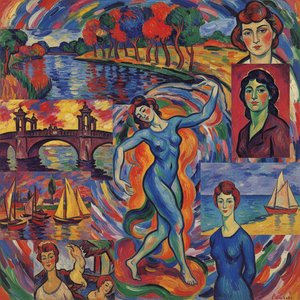 Top 10 arcydzieł Fauwizmu: Kolor i ekspresja w Twoim wnętrzu | OriginalUniqueArt.comOdkryj 10 arcydzieł Fauwizmu! Poznaj historię Matisse'a, Deraina i innych artystów tego rewolucyjnego ruchu. Ekspresjonizm kolorystyczny w …