Classical
Self-portrait (Balthus)
Balthus (1908–2001) stworzył Self-portrait. Należy do nurtu Classical.

 Podgląd w skali 1:1

 Ręcznie malowany obraz olejny
 Wyślij jako kartkę
 Udostępnij
 Karta informacyjna


 Pobierz obraz
 Podobne obiekty
 RTG
 Pokaz slajdów
 Pytania i odpowiedzi

 Statystyki
Self-portrait w skrócie
Zdjęcia w wysokiej rozdzielczości dzieła Self-portrait
Protected by copyright: these files are for personal reference, not a licence to republish.
Balthus, Self-portrait.
Odpowiedzi na pytania dotyczące Self-portrait
Co przedstawia „Self-portrait” – Balthus?
„Self-portrait” – Balthus przedstawia: portrait, self-portrait, pencil sketch, dignified, elegant, classicism, psychological, human form.
Czy obraz „Self-portrait” – Balthus można swobodnie reprodukować?
„Self-portrait” – Balthus znajduje się w domenie publicznej (nadal objęte ochroną prawa autorskiego). Status ten określa zasady reprodukcji obrazu tego dzieła.
Kto stworzył "Self-portrait"?
„Self-portrait” zostało stworzone przez Balthus. Informacje na tej stronie dotyczą oryginalnego dzieła autorstwa Balthus.
Do jakiego nurtu należy "Self-portrait"?
„Self-portrait” to dzieło należące do nurtu Classical. Nurt ten określa tradycję artystyczną, w której osadzone jest dzieło.
Do którego etapu twórczości Balthus należy dzieło „Self-portrait”?
W dorobku artystycznym Balthus dzieło „Self-portrait” przypada na Mature Period. Ten etap pozwala zestawić je z innymi pracami twórcy.
Co wyjaśnia sytuację prawną dotyczącą praw autorskich do „Self-portrait” – Balthus?
„Self-portrait” – Balthus jest nadal objęte ochroną prawa autorskiego. Okres ochrony praw autorskich liczony jest od śmierci artysty, która nastąpiła w 2001.
Co łączy "Self-portrait" z resztą twórczości Balthus?
W dorobku Balthus, "Self-portrait" wpisuje się w styl Classical, nawiązując do tematów takich jak exploration of self, contrasting with surrealism, reflecting personal anxieties, classical portraiture, old master techniques, european academic art, identity & memory, psychological states.
Czy "Self-portrait" wpisuje się w typową tematykę twórczości Balthus?
„Self-portrait” przedstawia portrait, self-portrait, pencil sketch, dignified, elegant, classicism, psychological, human form, podczas gdy powracające motywy u Balthus to exploration of self, contrasting with surrealism, reflecting personal anxieties, classical portraiture, old master techniques, european academic art, identity & memory, psychological states. Porównanie tych dwóch elementów ukazuje, jak dzieło nawiązuje do typowej dla tego artysty tematyki.
O artyście: Balthus

1908–2001, Francja
Balthus
A World Apart: The Enigmatic Vision of Balthus Balthasar Klossowski de Rola, universally known as Balthus, remains one of the most compelling and controversial figures in 20th-century art. Born in Paris on February 29, 1908, into a family steeped in intellectual and artistic circles, his life was marked by an early immersion in culture and a deliberate rejection of prevailing artistic trends. His father, Erich Klossowski, was a respected art historian, while his mother, Baladine Klossowska, was a painter herself, fostering an environment where aesthetic contemplation was not merely encouraged but lived. This upbringing instilled in the young Balthus a deep reverence for the Old Masters and a skepticism towards the burgeoning avant-garde movements that dominated the Parisian scene.
Inne prace Balthus
 Ulica1933
 Dziewczyna z kotem1937
 The Guitar Lesson1934
 La Patience (Solitaire)
Eseje o Self-portrait
 Echo Samorefleksji: Temat Własnego Obrazu w Historii Sztuki i Współczesnej PraktyceOdkryj fascynującą historię autoportretu w sztuce! Analiza arcydzieł van Eycka, Repina i Kirchnera. Poradnik dla kolekcjonerów: wartość inw…
 Albrecht Dürer: 25 Arcydzieł Mistrza Renesansu – Obrazy i Grafiki do Twojego DomuOdkryj 25 arcydzieł Albrechta Dürera – mistrza renesansu! Poznaj historie, techniki i symbolikę jego najsłynniejszych obrazów i grafik. Rep…
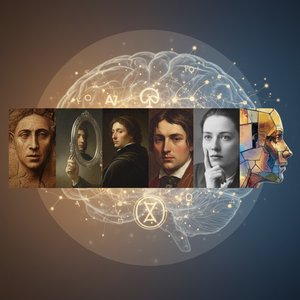 Reflecting the Self: A History of Portraiture & Psychological InsightExplore the fascinating history of self-portraiture from Renaissance masters like Dürer & Rembrandt to modern interpretations. Discover the…