Podgląd w skali 1:1
 Wyślij jako kartkę
 Udostępnij
 Szczegóły dzieła
 Przewodnik

 Pobierz obraz
 Podobne obiekty
 RTG
RTG Pokaz slajdów
 Statystyki
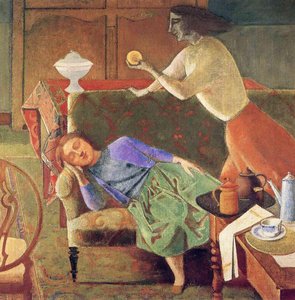
Dziewczyna z kotem
 Olej na płótnie
- Sztuka ścienna
- Expressionism
 1937
1937- Modernizm
 88.0 x 78.0 cm
 Rozwiń treść
Dzieło sztuki prezentowane na tej stronie podlega ochronie prawem autorskim, co oznacza, że nie mamy prawa do tworzenia ani sprzedaży jego identycznej reprodukcji. Ochrona ta jest egzekwowana na mocy umów międzynarodowych, takich jak Konwencja berneńska oraz przez przepisy prawa krajowego, w tym te określone w Prawo autorskie USA – Tytuł 17.
Metoda ta jest w pełni zgodna z przepisami prawa autorskiego, ponieważ nie polega na kopiowaniu ani powielaniu chronionego dzieła. Stanowi ona kreatywną reinterpretację – nowy obraz, który czerpie inspirację z oryginału, ale nie jest z nim tożsamy.
Giclée / Wydruk artystyczny
Wydruki giclée lub płótna o jakości muzealnej, szybka realizacja i szeroki wybór opcji wykończenia. ( Zamów ręcznie malowaną reprodukcję Przejdź do wersji cyfrowej)




P118B zł10

P118H zł10

P118W zł10

P438Z zł10

P508JH zł12

P508YH zł12

P805H zł10

P805Z zł10

P919BZ zł10

P919G zł10

P919XJ zł10

P959ZH zł10

P968JZ zł12

W106C zł8

W218G zł10

W218JH zł8

W218Y zł10

W307PJ zł10

W316G zł10

W316PJ zł8

W316Y zł10

W398PJ zł8

W4111J zł10

W500HY zł15

W500JH zł15

W692G zł12

W849H zł8

W940BG zł15

W953PJ zł8




Wybierz spośród naszych standardowych rozmiarów, które zachowują oryginalne proporcje dzieła sztuki.

Wpisz wymaganą szerokość i wysokość, aby dopasować grafikę do ramy lub ściany. Wydruk można jedynie przyciąć, nigdy nie powiększając go poza oryginalny obraz, dlatego format o innych proporcjach spowoduje utratę części kompozycji. Przed rozpoczęciem druku prześlemy Ci cyfrowy podgląd do zatwierdzenia. Obraz wyświetlany na tej stronie nie pokazuje rzeczywistego przycięcia — jedynie podgląd oddaje ten efekt.
Dostawa na cały świat () w ciągu 2 tygodni zamiast standardowych 4/5 tygodni. (25 Październik)

Bezpłatna ekspresowa wysyłka na cały świat

Wysokiej jakości płótno lniane

Pełne ubezpieczenie przesyłki

Gwarancja zwrotu należności celnych i podatków importowych

Gwarancja wiernego odwzorowania kolorów

100-dniowa polityka zwrotów (tylko w przypadku wad)

Gwarancja 100% zwrotu pieniędzy

Zniżka przy zakupie wielu sztuk
 Opcja ze szkłem jest dostępna wyłącznie w rozmiarach poniżej 110 cm

Dziewczyna z kotem
Giclée / Wydruk artystyczny
Wymiary reprodukcji
-


Cena całkowita
zł 307
Enigmatyczny portret młodości i towarzystwa
"Dziewczyna z kotem" (1937) to urzekające arcydzieło Balthusa, artysty słynącego z onirycznych kompozycji i nasyconych psychologicznie portretów. Dzieło to zaprasza widzów do intymnej chwili między młodą dziewczynką a jej kocim towarzyszem, przywołując poczucie spokoju oraz głębokiej introspekcji.
Mistrzowskie połączenie realizmu i symbolizmu
Styl Balthusa w tym płótnie stanowi harmonijne połączenie realizmu z subtelnym surrealizmem. Skrupulatna dbałość o szczegóły w rysach twarzy dziewczynki oraz fakturze kociego futra kontrastuje z swobodnym, ekspresyjny pociągnięciem pędzla w tle, co pozwala stworzyć atmosferę przypominającą sen. Przygaszona, a jednak żywa paleta barw — pełna miękkich pasteli i ziemistych tonów — pogłębia emocjonalną wymowę całej sceny.
Techniczna doskonałość i warsztat artystyczny
Dzieło to prezentuje wyjątkowe umiejętności Balthusa w malarstwie olejnym, ukazując bogactwo tekstur i mistrzowskie blendowanie kolorów, które tchną życie w przedstawione postaci. Naturalistyczne oświetlenie pada na dziewczynkę i kota z przodu, z lewej strony, rzucając delikatne cienie i rozświetlenia, które nadają kompozycji trójwymiarowość oraz niezwykłą głębię.
Kontekst historyczny i artystyczne dziedzictwo
Powstała w 1937 roku "Dziewczyna z kotem" odzwierciedla unikalne podejście Balthusa do portretu w czasach, gdy sztuka europejska przechodziła znaczące transformacje. Obraz ten jest częścią jego szerszego dorobku, który bada wewnętrzne stany młodych postaci, często ujawniając subtelne niuanse psychologiczne oraz społeczne przekroczenia.
Symbolizm i emocjonalny rezonans
Obecność kota dodaje dziełu warstwę symbolizmu, reprezentując towarzystwo i spokój. Rozluźniona postawa dziewczynki oraz jej bezpośrednie spojrzenie tworzą angażującą więź z widzem, przywołując uczucia nostalgii i ukojenia. To dzieło nie jest jedynie wizualną przyjemnością, lecz także głęboką eksploracją młodości, niewinności i cichych chwil, które definiują nasze życie.
Dlaczego warto wybrać to dzieło do swojej przestrzeni
"Dziewczyna z kotem" to wykwintny dodatek do każdej kolekcji sztuki lub projektu wnętrzarskiego. Jej ponadczasowy urok i emocjonalna głębia sprawiają, że staje się ona punktem centralnym zarówno w aranżacjach tradycyjnych, jak i współczesnych. Bez względu na to, czy jesteś miłośnikiem sztuki, kolekcjonerem, czy projektantem wnętrz, ta wysokiej jakości reprodukcja oddaje esencję oryginału Balthusa, wnosząc do Twojej przestrzeni powiew elegancji i wyrafinowania.
Pytania i odpowiedzi
Jaki jest format oraz wymiary dzieła „Dziewczyna z kotem” – Balthus?
„Dziewczyna z kotem” – Balthus ma proporcje pracy w formacie Portret o wymiarach 88 x 78 cm.
Jaki rozmiar wydruku jest zalecany dla „Dziewczyna z kotem” – Balthus?
Zalecany rozmiar wydruku dla „Dziewczyna z kotem” – Balthus to Format średni.
Jaka technika została użyta w przypadku "Dziewczyna z kotem" i kiedy powstało to dzieło?
"Dziewczyna z kotem" powstało w 1937 roku przy użyciu Olej na płótnie.
Biografia artysty
A World Apart: The Enigmatic Vision of Balthus
Balthasar Klossowski de Rola, universally known as Balthus, remains one of the most compelling and controversial figures in 20th-century art. Born in Paris on February 29, 1908, into a family steeped in intellectual and artistic circles, his life was marked by an early immersion in culture and a deliberate rejection of prevailing artistic trends. His father, Erich Klossowski, was a respected art historian, while his mother, Baladine Klossowska, was a painter herself, fostering an environment where aesthetic contemplation was not merely encouraged but lived. This upbringing instilled in the young Balthus a deep reverence for the Old Masters and a skepticism towards the burgeoning avant-garde movements that dominated the Parisian scene. He wasn’t interested in breaking with tradition; rather, he sought to revitalize classical forms with a distinctly modern sensibility, creating a world uniquely his own—a world often unsettling, always captivating.Formative Years and Artistic Awakening
Balthus's early life was nomadic, disrupted by the outbreak of World War I and his parents’ subsequent separation. These experiences instilled in him a sense of displacement and introspection that would profoundly influence his artistic vision. He began drawing at a remarkably young age, demonstrating an exceptional talent for capturing form and atmosphere. Mentored by Rainer Maria Rilke during his mother's relationship with the poet, Balthus received encouragement to pursue his artistic inclinations. This period was crucial in shaping his aesthetic sensibilities; Rilke’s poetic explorations of inner life resonated deeply with the young artist, fostering a fascination with psychological depth and symbolic resonance. He absorbed influences from diverse sources—pre-Renaissance Italian painters like Piero della Francesca and Simone Martini, as well as literary figures such as Emily Brontë and Lewis Carroll—creating a unique artistic language that defied easy categorization. His early works already hinted at the themes that would define his career: adolescence, solitude, and the complex interplay between innocence and desire. The influence of Rilke’s melancholic beauty is particularly evident in Balthus's early landscapes, which possess a haunting stillness and an almost unbearable sense of longing.Controversy and Recognition
Balthus first exhibited publicly in 1934, presenting a body of work that immediately sparked controversy. Paintings like *The Guitar Lesson*, with its ambiguous depiction of a young girl receiving instruction from an older man, ignited debate about the artist’s intentions and the nature of his gaze. Critics were divided, some condemning the perceived eroticism while others praised the painting's psychological complexity and technical mastery. The subject matter itself – a seemingly innocent scene imbued with a subtle undercurrent of tension – became a focal point of discussion. This controversy, however, only served to solidify Balthus’s reputation as a provocative and unconventional artist. He deliberately cultivated an air of mystery around himself, resisting attempts at biographical interpretation and insisting that his paintings should be experienced directly, without the filter of external commentary. Throughout the 1930s and 40s, he continued to develop his distinctive style, characterized by elongated figures, dramatic lighting, and a meticulous attention to detail. His compositions often featured young girls in states of reverie or contemplation, their poses both graceful and unsettling. The paintings were not simply portraits; they were explorations of mood, memory, and the unspoken anxieties of youth.A Legacy of Introspection and Influence
Despite remaining somewhat aloof from the mainstream art world, Balthus achieved significant recognition during his lifetime. He held major exhibitions at the Museum of Modern Art in New York (1956) and throughout Europe, solidifying his position as a leading figure in 20th-century painting. In 1977, he was appointed director of the Académie de France in Rome, a prestigious post that further cemented his status within the artistic establishment. His influence can be seen in the work of numerous contemporary artists, including Jan Saudek, Will Barnet, Duane Michals, and John Currin, who share his interest in figurative painting, psychological realism, and the exploration of complex emotional states. Balthus’s enduring appeal lies not only in his technical virtuosity but also in his ability to tap into universal human experiences—the longing for connection, the fear of isolation, and the search for meaning in a chaotic world. His work continues to be studied and debated, revealing new layers of complexity with each viewing.Key Works and Enduring Themes
Throughout his career, Balthus consistently returned to certain motifs and themes. *La Rue* (1933) exemplifies his early mastery of composition and atmosphere, depicting a street scene with an unsettling sense of isolation. *The Mountain* (1937), a monumental work featuring two adolescent girls in a stark landscape, embodies the artist’s fascination with youth and solitude. Later works, such as *Girl at a Window* (1957) – famously featured in François Truffaut's film Domicile Conjugal – showcase his ability to capture fleeting moments of introspection and vulnerability. His paintings are often characterized by a sense of stillness and silence, inviting viewers to contemplate the inner lives of his subjects. He was also deeply influenced by music, particularly the works of Wolfgang Amadeus Mozart, which he believed reflected the same balance between order and emotion that he sought to achieve in his art. Balthus’s enduring appeal lies not only in his technical skill but also in his ability to create images that resonate with a profound sense of mystery and emotional depth. His paintings are not merely representations; they are windows into a world of dreams, anxieties, and unspoken desires—a testament to the enduring power of art to challenge our perceptions and illuminate the hidden corners of the human soul.
Balthus
1908 - 2001 , Francja
Krótka nota
- Artistic Movement Or Style: Klasyczny, Figuracyjny
- Artists Or Movements Influenced By This Artist:
- Rilke
- Surrealizm
- Artists Who Influenced This Artist:
- Masaccio
- Piero
- Ingres
- Date Of Birth: 29 lutego 1908
- Date Of Death: 18 lutego 2001
- Full Name: Balthasar Klossowski de Rola
- Nationality: Francuz-Polak
- Notable Artworks:
- La Rue
- Góra
- Dziewczyna
- Okno
- Place Of Birth: Paryż, Francja
Powiązane artykuły
Trwała Spuścizna Klasycyzmu: Zasady, Ewolucja i Wpływ na Sztukę Zachodnią
Poznaj historię klasycyzmu w sztuce! Odkryj zasady estetyczne, wybitnych artystów i trwały wpływ tego nurtu na architekturę, malarstwo i rzeźbę. Ekspercka analiza i inspiracje od OriginalUniqueArt.

Balthus: Exploring the Enigmatic World of Childhood, Myth & Modernist Disquiet
Explore the captivating world of Balthus – a master of figurative art renowned for dreamlike compositions & psychologically charged portraits. Discover his unique style, symbolism, and controversial legacy at OriginalUniqueArt.
10 Arcydzieł Neoklasycyzmu: Sztuka, Historia i Inspiracje dla Twojego Domu
Poznaj 10 arcydzieł neoklasycyzmu! Odkryj historie Davida, Ingresa i Canovy. Inspiracje wnętrzarskie z malarstwem klasycznym i rzeźbą. Reprodukcje najwyższej jakości na OriginalUniqueArt.com – sztuka dla Twojego domu.

Surrealist Dreamscapes: A Curated Journey Through the Subconscious Majesty of Surrealism
Embark on a sophisticated journey through Surrealist dreamscapes. Explore the profound symbolism of masters like Dalí and discover how to curate breathtaking, museum-quality surrealist art for your private collection with expert guidance.
Ponadczasowy Rezonans: Badanie Klasycznej Estetyki w Sztuce – Historyczna i Akademicka Analiza
Odkryj fascynujący świat klasycznej estetyki! Analiza historyczna i akademicka sztuki antycznej, literatury oraz malarstwa. Poznaj kanony piękna i wpływ klasycyzmu na współczesną kulturę.