

 Podgląd w skali
 Wyślij jako kartkę
 Udostępnij
 Szczegóły dzieła

 Pobierz
 Podobne obiekty
 RTG
RTG Pokaz slajdów
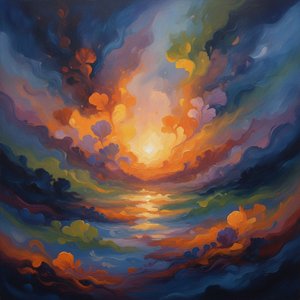
Night Clouds and Star Dust
 Acrylic On Canvas
- WallArt
- Abstract Expressionism
 163.0 x 83.0 cm
 Metropolitan Museum of Art
 Rozwiń treść
Ręcznie malowana reprodukcja olejowa
Ręcznie malowany obraz olejny na płótnie, wykonany na zamówienie przez naszych artystów w wybranym przez Ciebie wymiarze i oprawie. ( Zamów wydruk Kup obraz wysokiej rozdzielczości)




P118B $10

P118H $10

P118W $10

P438Z $10

P508JH $12

P508YH $12

P805H $10

P805Z $10

P919BZ $10

P919G $10

P919XJ $10

P959ZH $10

P968JZ $12

W106C $8

W218G $10

W218JH $8

W218Y $10

W307PJ $10

W316G $10

W316PJ $8

W316Y $10

W398PJ $8

W4111J $10

W500HY $15

W500JH $15

W692G $12

W849H $8

W940BG $15

W953PJ $8




Wybierz spośród naszych standardowych rozmiarów, które zachowują oryginalne proporcje dzieła sztuki.

Możesz wprowadzić własne wymiary, aby dopasować obraz do konkretnej ramy lub przestrzeni. Jeśli wybrany rozmiar nie będzie odpowiadał proporcjom oryginału, przytniecie dzieło sztuki lub rozszerzymy je o dodatkowe elementy, ręcznie domalowane przez artystę. Przed rozpoczęciem produkcji wyślemy projekt cyfrowy do Twojej akceptacji.
Należy pamiętać, że podgląd na ekranie nie odzwierciedla rzeczywistego przycinania ani rozszerzania obrazu. Tylko projekt dokładnie pokaże ostateczną kompozycję.
Choć oferujemy możliwość zamówienia niestandardowych rozmiarów, zalecamy wybór wymiaru z gotowej listy, aby zachować oryginalne proporcje dzieła.
Po złożeniu zamówienia zespół OriginalUniqueArt.com skontaktuje się z klientem drogą mailową w celu uzyskania instrukcji i prześle wizualizację projektu
Dostawa na całym świecie () w ciągu 3–4 tygodni zamiast standardowych 5 tygodni. (25 Sierpień). Bez kompromisów w kwestii jakości.

Bezpłatna ekspresowa wysyłka na cały świat

Wysokiej jakości płótno lniane

Pełne ubezpieczenie przesyłki

Gwarancja zwrotu należności celnych i podatków importowych

Gwarancja wiernego odwzorowania kolorów

Polityka 60-dniowego zwrotu (tylko w przypadku wad)

Gwarancja 100% zwrotu kosztów

Zniżka przy zamówieniu wielu produktów
 Opcja ze szkłem jest dostępna wyłącznie w rozmiarach poniżej 110 cm

Night Clouds and Star Dust
Technika reprodukcji
Wymiary reprodukcji
-


Cena całkowita
$ 300
Opis dzieła
Augustus Vincent Tack: A Pioneer of Spiritual Landscape
Augustus Vincent Tack (1870 – 1949) stands as a singular figure in American art history, recognized primarily for his distinctive blend of realism and abstraction—a stylistic approach that foreshadowed the burgeoning movement of Abstract Expressionism. Born in Pittsburgh, Pennsylvania, Tack’s artistic journey began with formal training at St. Francis Xavier College before he honed his skills at the Art Students League of New York, absorbing influences from luminaries like John La Farge whose studio he frequented. This formative period established a foundation for his subsequent explorations into landscape painting and, crucially, into deeply symbolic representations of nature—a preoccupation that would define much of his oeuvre. He wasn’t merely depicting what he saw; he was striving to convey something far more profound – the spirit of place itself.Early Career & Influences: Kraushaar Galleries and Artistic Foundations
Tack's debut exhibition at Kraushaar Galleries in 1896 marked the commencement of a prolific artistic career characterized by consistent engagement with prominent institutions. This initial foray into the art world solidified his commitment to capturing the essence of the natural environment, a pursuit that would continue throughout his life and profoundly impact his stylistic evolution. Observing artists like La Farge, Tack internalized techniques emphasizing tonal gradation and atmospheric perspective—elements he skillfully integrated into his own compositions. These influences underscored his belief that art could transcend mere visual representation, communicating intangible emotions and spiritual truths.The Style of Spiritual Landscape: Texture, Tone, and Symbolic Resonance
Tack’s artistic hallmark was undoubtedly his distinctive style – what critics termed “spiritual landscape.” Unlike Impressionists who sought to capture fleeting moments of light and color, Tack focused on conveying the enduring character of a location. He achieved this remarkable feat through meticulous layering of paint—often applying thick impasto—creating surfaces brimming with textural complexity. Shades of grey dominated his palette, punctuated by subtle whites that evoked distant horizons and illuminated interior recesses. This tonal scheme wasn’t arbitrary; it mirrored geological formations and atmospheric conditions, reflecting Tack's fascination with the forces shaping our planet. More importantly, these landscapes functioned as conduits for contemplation—inviting viewers to consider themes of solitude, resilience, and the sublime beauty inherent in untamed wilderness.Technique & Material Considerations: Impasto and Composition Panels
The execution of Tack’s paintings demanded considerable technical skill. He favored oil paints applied thickly onto composition panels – a method that maximized textural contrast and ensured durability. The scraping technique—removing excess paint to reveal underlying layers—was particularly prominent, emphasizing the artist's deliberate manipulation of material to achieve expressive effect. This process wasn’t simply about replicating visual appearance; it was about embodying the geological processes he sought to depict—erosion, sedimentation, and weathering—transforming canvas into a tangible representation of time and transformation. Tack’s meticulous attention to detail underscored his conviction that art could communicate not only what is seen but also how it feels – the palpable presence of nature's enduring power.Legacy & Influence: A Precursor to Abstract Expressionism
Augustus Vincent Tack’s artistic vision anticipated the seismic shift toward Abstract Expressionism, cementing his place as a pivotal figure in American art history. His pioneering exploration of textural abstraction paved the way for artists like Jackson Pollock and Willem de Kooning—who embraced spontaneity and gesture as expressive tools—further propelling the movement's ascendancy. Tack’s unwavering dedication to conveying spiritual depth through landscape painting continues to inspire contemporary artists and collectors alike, demonstrating the enduring relevance of his artistic legacy. His work resides in major collections worldwide, serving as a testament to its profound beauty and intellectual rigor.O artyście
Augustus Vincent Tack: Pioneer of Spiritual Landscape
Augustus Vincent Tack (1870 – 1949) stands as a singular figure in American art history, recognized primarily for his distinctive blend of realism and abstraction—a stylistic approach that foreshadowed the burgeoning movement of Abstract Expressionism. Born in Pittsburgh, Pennsylvania, Tack’s artistic journey began with formal training at St. Francis Xavier College before he honed his skills at the Art Students League of New York, absorbing influences from luminaries like John La Farge whose studio he frequented. This formative period established a foundation for his subsequent explorations into landscape painting and, crucially, into deeply symbolic representations of nature—a preoccupation that would define much of his oeuvre.- Early Career & Influences: Tack’s debut exhibition at Kraushaar Galleries in 1896 marked the commencement of a prolific artistic career characterized by consistent engagement with prominent institutions such as Worcester Art Museum, Carnegie International Exhibitions, and Pennsylvania Academy of Fine Arts. His collaborations with Duncan Phillips—particularly their involvement in the Allied War Salon of 1918—demonstrated not only his social connections but also his commitment to addressing pressing societal concerns through artistic expression.
- Deerfield Colony & Marriage: Seeking inspiration and camaraderie, Tack relocated to Deerfield, Massachusetts, where he established an artist’s colony and married Agnes Gordon Fuller, daughter of renowned painter George Fuller. This union fostered a supportive environment conducive to creative pursuits and solidified his position within the artistic community.
- Teaching & Yale University: Tack’s pedagogical role extended beyond Deerfield; he lectured at the Art Students League of New York between 1906 and 1910 and subsequently taught at Yale University from 1910 to 1913, imparting his artistic vision to a new generation of artists.
A Distinctive Style: Realism Infused with Mysticism
Tack’s artistic style distinguished itself through a careful balance between traditional realism and evocative abstraction. While his portraits adhered to academic conventions—capturing likenesses with meticulous detail and dramatic lighting—his landscapes transcended mere depiction, delving into realms of spiritual contemplation. Paintings like “Time and Timelessness” exemplify this approach, juxtaposing geometric forms with figurative elements to convey a sense of enduring beauty and profound symbolism. Critics noted that Tack’s work "was a contemporary reworking of nineteenth-century heroic idealism," highlighting its ambition to elevate the viewer beyond the mundane.- Notable Works: Among his most celebrated pieces are “The High Command Right Panel” (1949), portraying naval officers with masterful realism and compositional complexity; portraits of Harry S. Truman and Elihu Root—executed in 1948 and 1922 respectively—demonstrating Tack’s ability to convey character and emotion through nuanced brushwork; and “Time and Timelessness,” a landscape masterpiece reflecting his fascination with spiritual themes.
Legacy & Recognition
Despite commercial setbacks, Tack's artistic legacy persists as a precursor to Abstract Expressionism—a movement that would reshape the landscape of American art in the decades following his death. His paintings remain housed in major collections and continue to inspire artists and scholars alike. Augustus Vincent Tack’s contribution to American art lies not merely in his stylistic innovations but also in his unwavering pursuit of artistic truth—a testament to the enduring power of imagination and vision.
Augustus Vincent Tack
1870 - 1949 , United States of America
Krótka nota
- Artistic Movement Or Style: Abstract Expressionism
- Artists Or Movements Influenced By This Artist: ['Nineteenth-century heroic idealism']
- Artists Who Influenced This Artist: ['John La Farge']
- Date Of Birth: 1870
- Date Of Death: 1949
- Full Name: Augustus Vincent Tack
- Nationality: American
- Notable Artworks:
- Time and Timelessness
- The High Command Right Panel
- Elihu Root
- Harry S. Truman
- Place Of Birth: Pittsburgh, United States
Powiązane artykuły

Top 10 arcydzieł ekspresjonizmu abstrakcyjnego – inspiracje dla Twojego wnętrza | OriginalUniqueArt.com
Odkryj 10 arcydzieł ekspresjonizmu abstrakcyjnego – Pollock, Rothko, de Kooning i inni. Poznaj historie artystów, techniki i inspiracje dla Twojego wnętrza. Reprodukcje najwyższej jakości na OriginalUniqueArt.com!
The Soul of Color: A Journey into the Emotional Resonance of Lyrical Abstraction
Embark on a cultural journey through Lyrical Abstraction. Explore how masters like Kandinsky used color and motion to translate emotion into visual poetry. Discover the profound beauty of abstract expressionism and learn to curate emotional resonance in your own art collection.

Romantyczny Krajobraz w Malarstwie: 10 Arcydzieł, Które Zdefiniowały Epokę | OriginalUniqueArt.com
Odkryj 10 arcydzieł romantyzmu w malarstwie! Poznaj historie Caspara Davida Friedricha, Turnera i innych mistrzów. Inspiracje wnętrzarskie & reprodukcje obrazów najwyższej jakości na OriginalUniqueArt.com. Eksploruj kolekcję online!

25 Arcydzieł Kandinskiego: Kolor, Duchowość i Abstrakcja w Twoim Domu | OriginalUniqueArt.com
Odkryj 25 arcydzieł Wassily Kandinskiego – pioniera abstrakcji i ekspresjonizmu! Poznaj historie, techniki i emocje kryjące się za jego kolorowymi kompozycjami. Reprodukcje obrazów najwyższej jakości na OriginalUniqueArt.com. Eksploruj pełną kolekcję online!

Geometria Sztuki: 10 Arcydzieł Abstrakcji Geometrycznej | OriginalUniqueArt.com
Odkryj 10 arcydzieł abstrakcji geometrycznej! Poznaj historię Mondriana, Kandinskiego i Maleвича. Inspiracje wnętrzarskie z malarstwem abstrakcyjnym – reprodukcje najwyższej jakości na OriginalUniqueArt.com. Eksploruj kolekcję online!

