Post-Impressionism
Landscape (Augustus Edwin John)
Augustus Edwin John (1878–1961) stworzył Landscape. Należy do nurtu Post-Impressionism. Wykonano w technice Acrylic On Canvas. Przechowywane jest w The University of Reading w Reading, United Kingdom. Wymiary to 32 × 39 cm.
- Acrylic On Canvas
- 32 × 39 cm
- The University of Reading

 Podgląd w skali 1:1

 Ręcznie malowany obraz olejny
 Wyślij jako kartkę
 Udostępnij
 Karta informacyjna


 Pobierz obraz
 Podobne obiekty
 RTG
 Pokaz slajdów
 Pytania i odpowiedzi

 Statystyki
Landscape w skrócie
- Tytuł
- Landscape
- Artysta
- Augustus Edwin John (1878–1961)
- Miejsce urodzenia artysty
- Tenby, Walia
- Technika wykonania
- Acrylic On Canvas
- Wymiary
- 32 × 39 cm
- Gdzie można je zobaczyć
- The University of Reading, Reading, United Kingdom
- Temat
- mountains, river, sunset, trees, landscape, tranquility
Co przedstawia Landscape?
Augustus Edwin John’s Landscape: A Symphony of Dusk
Augustus Edwin John's “Landscape,” created sometime in the early 20th century, stands as a testament to the enduring power of Impressionistic observation and masterful draughtsmanship. More than just a depiction of scenery—it’s an embodiment of mood, capturing the tranquil beauty of twilight with remarkable sensitivity.
The painting showcases a panoramic vista dominated by rolling hills bathed in the warm hues of sunset. A meandering river snakes its way through the landscape, reflecting the fiery sky above and adding depth to the composition. Scattered amongst the trees are carefully placed elements that contribute to the overall sense of serenity—a subtle reminder of John’s meticulous attention to detail.
Style & Technique: Impressionistic Precision
- Style: Primarily Impressionistic, “Landscape” adheres to the tenets of this influential movement. Unlike its predecessors which prioritized precise realism, Impressionism sought to convey fleeting impressions of light and color—a challenge John expertly tackled.
- Technique: John employed loose brushstrokes and blended pigments to achieve a luminous effect, prioritizing atmospheric perspective over meticulous rendering. The artist skillfully utilized glazing techniques – applying thin layers of translucent paint over underlying colors – to build up tonal variations and enhance the richness of the palette.
Historical Context & Artistic Influences
Born in Tenby, Wales, John’s artistic journey coincided with a period of significant change in British art. The Impressionist movement emerged as a reaction against academic conventions, championed by artists like Claude Monet and Pierre-Auguste Renoir who prioritized capturing the immediacy of experience. John's work reflects this spirit of innovation, drawing inspiration from plein air painting—working outdoors directly from nature—a practice that was gaining prominence during his time.
Symbolism & Emotional Resonance
"Landscape" transcends mere visual representation; it speaks to a deeper emotional core. The muted colors of the dusk sky evoke feelings of contemplation and peace, mirroring John’s own contemplative personality. The river symbolizes fluidity and continuity—a metaphor for life's journey—while the trees represent resilience and permanence amidst the ephemeral beauty of the natural world.
A Legacy of Tranquility
Reproductions of “Landscape” offer a captivating glimpse into John’s artistic vision, allowing viewers to experience the same sense of serenity and wonder that inspired its creation. Its understated elegance and masterful technique continue to resonate with collectors and interior designers alike—a timeless masterpiece deserving of admiration.
W którym muzeum znajduje się Landscape?
The University of Reading
Reading, United Kingdom
A Tapestry of Knowledge: Exploring The University of Reading’s Museums Nestled within the verdant landscape of Berkshire, just a short distance from London, lies a treasure trove of artistic and historical significance – The University of Reading’s museums. More than mere repositories of artifacts, these institutions represent a carefully curated journey through human experience, spanning millennia and continents. Founded as an extension college in 1892, the university has cultivated a remarkable collection, born from academic research, philanthropic donations, and a deep commitment to preserving our collective past.
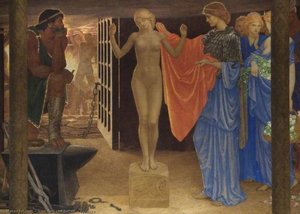


Zdjęcia w wysokiej rozdzielczości dzieła Landscape

Protected by copyright: these files are for personal reference, not a licence to republish.
Augustus Edwin John, Landscape, The University of Reading.
Odpowiedzi na pytania dotyczące Landscape
Gdzie można zobaczyć oryginał „Landscape” – Augustus Edwin John?
Oryginał dzieła „Landscape” można zobaczyć w The University of Reading, Reading, United Kingdom.
W jakiej technice wykonano „Landscape” – Augustus Edwin John?
„Landscape” wykonano w technice Acrylic On Canvas.
Jakie są wymiary oryginału "Landscape"?
Oryginalny utwór „Landscape” – Augustus Edwin John ma wymiary 32 x 39 cm.
Co przedstawia „Landscape” – Augustus Edwin John?
Tematyka dzieła "Landscape" to mountains, river, sunset, trees, landscape, tranquility, pastoral.
Czy „Landscape” – Augustus Edwin John znajduje się w domenie publicznej?
Status praw autorskich dla „Landscape” – Augustus Edwin John: dzieło znajduje się w nadal objęte ochroną prawa autorskiego. Określa to, czy reprodukcje obrazu mogą być sporządzane swobodnie.
Kto jest autorem dzieła "Landscape"?
Autorem dzieła „Landscape” jest Augustus Edwin John. Praca ta figuruje w katalogu pod nazwiskiem Augustus Edwin John.
Do jakiego nurtu należy "Landscape"?
„Landscape” to dzieło należące do nurtu Post-Impressionism. Nurt ten określa tradycję artystyczną, w której osadzone jest dzieło.
Do którego etapu twórczości Augustus Edwin John należy dzieło „Landscape”?
W dorobku artystycznym Augustus Edwin John dzieło „Landscape” przypada na Mature Period. Ten etap pozwala zestawić je z innymi pracami twórcy.
Co wyjaśnia sytuację prawną dotyczącą praw autorskich do „Landscape” – Augustus Edwin John?
„Landscape” – Augustus Edwin John jest nadal objęte ochroną prawa autorskiego. Okres ochrony praw autorskich liczony jest od śmierci artysty, która nastąpiła w 1961.
O artyście: Augustus Edwin John

1878–1961, Walia
Augustus Edwin John
A Welsh Bohemian: The Life and Art of Augustus Edwin John Augustus Edwin John, a name synonymous with vibrant color and intensely personal portraits, emerged as one of the most distinctive figures in early 20th-century British art. Born on January 4, 1878, in Tenby, a charming coastal town nestled within the Pembrokeshire county of Wales, his life was a tapestry woven with artistic passion, bohemian adventures, and a profound connection to both the natural world and its marginalized communities. From his humble beginnings as the third child of Edwin William John, a solicitor, and Augusta Smith (who tragically died when he was just six years old), John’s early exposure to art—primarily through his elder sister Gwen’s drawing lessons—laid the foundation for a career that would challenge conventions and leave an indelible mark on the British artistic landscape. Early Influences and Artistic Training John's artistic journey began formally at the Tenby School of Art, where his innate talent quickly became evident.
O Augustus Edwin John Najważniejsze dzieła Augustus Edwin John
Inne prace Augustus Edwin John
 Portrait of the Rt. Hon. William Morris Hughes1919
 Portrait of a Young Man1929
 Air Mechanic Shaw (Colonel T. E. Lawrence of Arabia, 1888–1935)1935
 Corner, Vielle, France1920
Eseje o Landscape
 The Evolution of Landscape Painting and En Plein Air Techniques: A Technical Overview for Art ProcurementMaster landscape painting history and en plein air techniques for professional space design. Elevate your next project with expert insights.
 Mastering the English Landscape: The Top 25 Artworks by John ConstableImmerse yourself in the soul of the English countryside with our curated guide to John Constable's top 25 masterpieces. Explore the emotive…
 10 Arcydzieł Impresjonizmu, które Zrewolucjonizowały Świat Sztuki | OriginalUniqueArtOdkryj 10 arcydzieł impresjonizmu – Monet, Renoir, Degas i inni. Poznaj historie powstania kultowych obrazów, techniki malarskie i paletę b…