Impressionist Painting · 1940
Edwin John (Augustus Edwin John, 1940)
Augustus Edwin John (1878–1961) stworzył Edwin John. Dzieło pochodzi z 1940. Należy do nurtu Impressionist Painting. Wykonano w technice Oil On Canvas. Przechowywane jest w Fitzwilliam College w Cambridge, Wielka Brytania. Wymiary to 54 × 44 cm.
- 1940
- Oil On Canvas
- 54 × 44 cm
- Fitzwilliam College, Cambridge

 Podgląd w skali 1:1

 Ręcznie malowany obraz olejny
 Wyślij jako kartkę
 Udostępnij
 Karta informacyjna


 Pobierz obraz
 Podobne obiekty
 RTG
 Pokaz slajdów
 Pytania i odpowiedzi

 Statystyki
Edwin John w skrócie
- Tytuł
- Edwin John
- Artysta
- Augustus Edwin John (1878–1961)
- Miejsce urodzenia artysty
- Tenby, Walia
- Data powstania
- 1940
- Technika wykonania
- Oil On Canvas
- Wymiary
- 54 × 44 cm
- Gdzie można je zobaczyć
- Fitzwilliam College, Cambridge, Wielka Brytania
- Temat
- portrait, man, victorian, cap, brown jacket, beige background
Co przedstawia Edwin John?
A Portrait of Quiet Intensity: Edwin John (1940)
The image before you isn’t merely a depiction of a man; it's a carefully constructed tableau of introspection, rendered with the evocative brushstrokes characteristic of Impressionism. Augustus Edwin John’s “Edwin John,” painted in 1940, captures a moment of profound stillness – a study in subdued tones and subtle gestures that speaks volumes about the sitter’s inner life. The painting immediately draws the eye to the subject's face: a strong jawline, a slightly furrowed brow, and eyes that hold a depth of contemplation that transcends the canvas itself. It’s a portrait not of outward appearance, but of character revealed.
Impressionistic Technique and Color Palette
John's technique is distinctly Impressionistic, prioritizing capturing the *effect* of light and atmosphere over meticulous detail. Notice how he employs loose, visible brushstrokes—a deliberate choice that creates a sense of movement and immediacy. The colors are deliberately muted – predominantly earth tones of brown, beige, and grey – lending the painting a somber yet dignified quality. This restrained palette isn’t indicative of sadness, however; rather, it serves to heighten the drama of the subject's expression and create an atmosphere of quiet contemplation. The layering of paint is evident, contributing to the texture and depth of the portrait.
Historical Context: A Welsh Bohemian
Augustus Edwin John was a pivotal figure in early 20th-century British art, a self-described “Welsh Bohemian” who defied convention with his unconventional lifestyle and artistic approach. Born in Tenby, Wales, he cultivated a reputation for eccentricity, living amongst artists and intellectuals in London’s Chelsea district. His life was marked by both success and struggle, including a significant head injury sustained during a diving accident in 1897 which profoundly shaped his artistic vision. This incident led to a period of intense introspection and experimentation, reflected in the introspective nature of many of his portraits. The painting itself was created during a time of considerable social and political change, mirroring the complexities of the era through its nuanced portrayal of human emotion.
Symbolism and Emotional Resonance
Beyond the technical mastery, “Edwin John” is rich in symbolic meaning. The man’s posture—slightly slumped, with his hands resting loosely on his lap—suggests a quiet reserve, perhaps even melancholy. The dark cap he wears adds to this sense of mystery and introspection. The muted lighting emphasizes the shadows around his face, creating an aura of thoughtfulness and vulnerability. It's not a celebratory portrait; it’s one that invites us to consider the complexities of human experience—the weight of memory, the quiet dignity of solitude, and the unspoken emotions that reside within each individual. The painting resonates with a sense of timelessness, suggesting that the subject’s inner world remains relevant across generations.
A Reproduction for Your Space
OriginalUniqueArt offers meticulously crafted hand-painted reproductions of “Edwin John,” ensuring that you experience the full beauty and emotional depth of this remarkable artwork. Available in a range of sizes, these reproductions capture the essence of John’s Impressionistic style while maintaining the highest standards of quality. Whether displayed in your home, office, or gallery, this reproduction will serve as a captivating focal point—a testament to the enduring power of portraiture and the artistry of Augustus Edwin John.
W którym muzeum znajduje się Edwin John?
Fitzwilliam College
Cambridge, Wielka Brytania
A Sanctuary of Art and Antiquity: Exploring the Fitzwilliam College Nestled within the venerable heart of Cambridge, England, the Fitzwilliam College stands as more than simply a museum; it’s an immersive journey through the very soul of human creativity. Founded in 1816 by Richard FitzWilliam, 7th Viscount FitzWilliam with a profound desire to share his extraordinary collection, the institution has blossomed into one of the United Kingdom's most treasured cultural landmarks – a vibrant space where history whispers from ancient artifacts and masterpieces ignite the imagination. The building itself is a testament to architectural grace, George Basevi’s Founder’s Building, completed in 1843, embodies classical elegance, its inviting façade hinting at the world of artistic wonders contained within.


Zdjęcia w wysokiej rozdzielczości dzieła Edwin John
Protected by copyright: these files are for personal reference, not a licence to republish.
Augustus Edwin John, Edwin John (1940), Fitzwilliam College.
Odpowiedzi na pytania dotyczące Edwin John
W którym muzeum znajduje się oryginał "Edwin John"?
„Edwin John” – Augustus Edwin John znajduje się w zbiorach Fitzwilliam College, Cambridge, Wielka Brytania. Informacja o muzeum dotyczy oryginału, a nie reprodukcji.
W którym roku powstało dzieło "Edwin John"?
"Edwin John" powstało w 1940 roku. Data ta pozwala umiejscowić dzieło w kontekście twórczości Augustus Edwin John oraz epoki, w której powstało.
W jakiej technice wykonano „Edwin John” – Augustus Edwin John?
„Edwin John” wykonano w technice Oil On Canvas.
Jakie są wymiary oryginalnego dzieła „Edwin John” – Augustus Edwin John?
Oryginalny utwór „Edwin John” – Augustus Edwin John ma wymiary 54 x 44 cm.
Co przedstawia "Edwin John"?
„Edwin John” – Augustus Edwin John przedstawia: portrait, man, victorian, cap, brown jacket, beige background, brushstrokes.
Czy obraz „Edwin John” – Augustus Edwin John można swobodnie reprodukować?
„Edwin John” – Augustus Edwin John znajduje się w domenie publicznej (nadal objęte ochroną prawa autorskiego). Status ten określa zasady reprodukcji obrazu tego dzieła.
Kto jest autorem dzieła "Edwin John"?
Autorstwo dzieła "Edwin John" przypisuje się Augustus Edwin John.
Do jakiego nurtu artystycznego należy „Edwin John” – Augustus Edwin John?
Nurt związany z „Edwin John” – Augustus Edwin John to Impressionist Painting. Ta klasyfikacja sytuuje dzieło wśród pokrewnych artystów i dzieł sztuki.
Do którego okresu twórczości Augustus Edwin John należy dzieło "Edwin John"?
"Edwin John" reprezentuje Early Period twórczości Augustus Edwin John.
O artyście: Augustus Edwin John

1878–1961, Walia
Augustus Edwin John
A Welsh Bohemian: The Life and Art of Augustus Edwin John Augustus Edwin John, a name synonymous with vibrant color and intensely personal portraits, emerged as one of the most distinctive figures in early 20th-century British art. Born on January 4, 1878, in Tenby, a charming coastal town nestled within the Pembrokeshire county of Wales, his life was a tapestry woven with artistic passion, bohemian adventures, and a profound connection to both the natural world and its marginalized communities. From his humble beginnings as the third child of Edwin William John, a solicitor, and Augusta Smith (who tragically died when he was just six years old), John’s early exposure to art—primarily through his elder sister Gwen’s drawing lessons—laid the foundation for a career that would challenge conventions and leave an indelible mark on the British artistic landscape. Early Influences and Artistic Training John's artistic journey began formally at the Tenby School of Art, where his innate talent quickly became evident.
O Augustus Edwin John Najważniejsze dzieła Augustus Edwin John
Inne prace Augustus Edwin John
 Portrait of the Rt. Hon. William Morris Hughes1919
 Portrait of a Young Man1929
 Air Mechanic Shaw (Colonel T. E. Lawrence of Arabia, 1888–1935)1935
 Corner, Vielle, France1920
Eseje o Edwin John
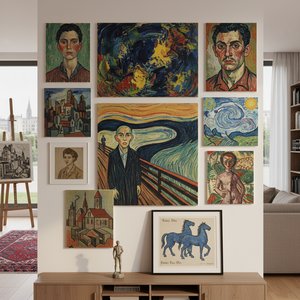 Ekspresjonizm: 10 Arcydzieł, Które Zdefiniowały Ruch – Obrazy i Dekoracje OriginalUniqueArt.comPoznaj 10 arcydzieł ekspresjonizmu! Odkryj historie Muncha, Kirchnera i innych artystów tego przełomowego ruchu. Reprodukcje obrazów najwyż…
 Emocjonalna Transmutacja w Sztuce Wizualnej: Studium Reprezentacji Afektywnych Poprzez Kolor, Formę i TeksturęZgłębiaj subtelny język emocji w sztuce wizualnej! Analizujemy kolor, formę i teksturę w malarstwie barokowym i ekspresjonistycznym. Eksper…
 20th century British paintersIconic 20th century British art from David Hockney to Henry Moore. Explore the full collection online at OriginalUniqueArt.com.