
 Podgląd w skali
 Wyślij jako kartkę
 Udostępnij
 Szczegóły dzieła

 Pobierz
 Podobne obiekty
 RTG
RTG Pokaz slajdów
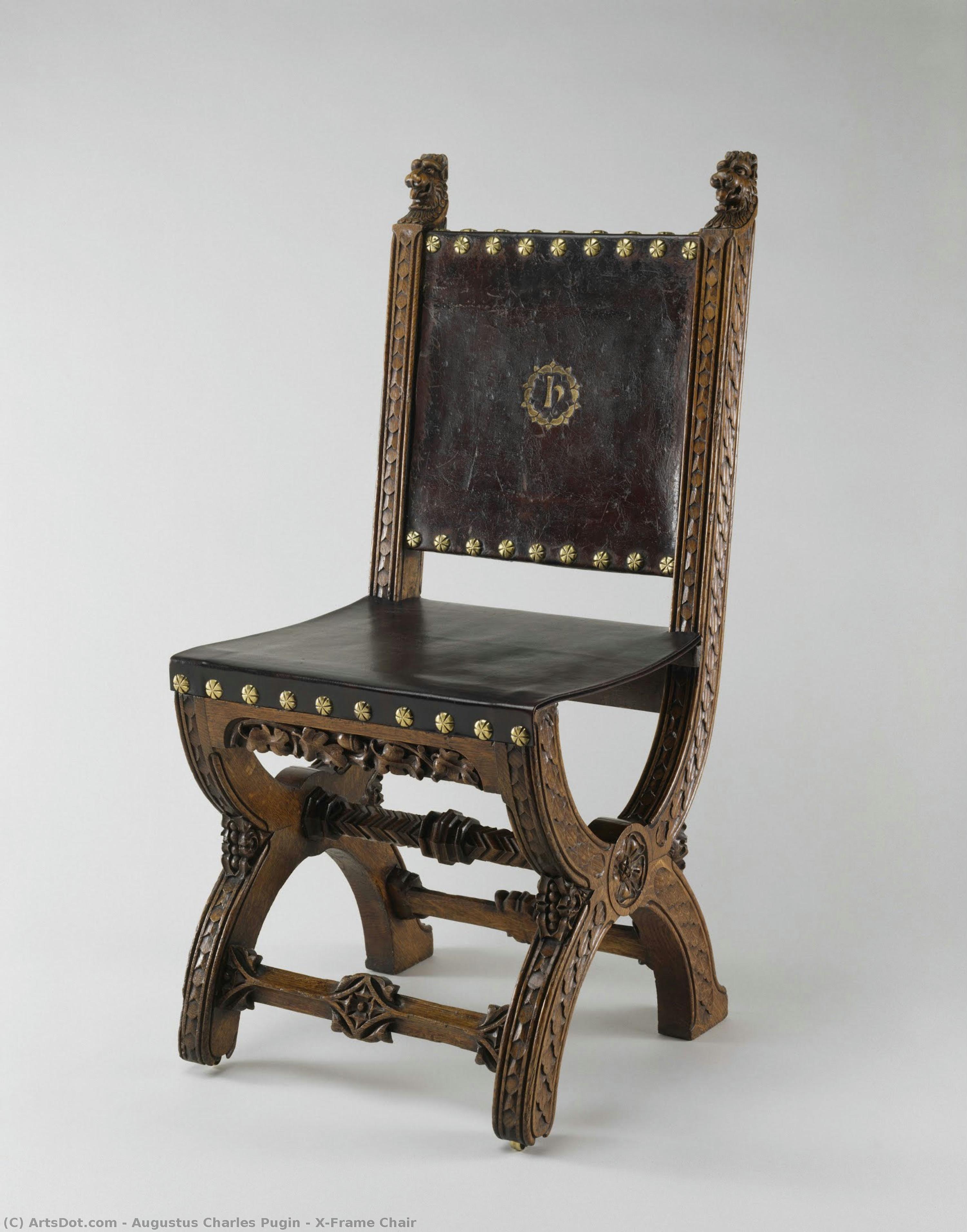
X-Frame Chair
 1847
1847 45.0 x 100.0 cm
 Rozwiń treść
Giclée / Wydruk artystyczny
Druk giclée lub płótno o jakości muzealnej, szybka realizacja i szeroki wybór opcji wykończenia. ( Zamów ręcznie malowaną reprodukcję Kup obraz wysokiej rozdzielczości)




































Wybierz spośród naszych standardowych rozmiarów, które zachowują oryginalne proporcje dzieła sztuki.

Możesz wprowadzić własne wymiary, aby dopasować dzieło do konkretnej ramy lub przestrzeni. Jeśli wybrany rozmiar nie będzie odpowiadał proporcjom oryginalnego obrazu, przytniecie dzieło lub rozszerzymy obraz za pomocą odbicia lustrzanego lub jednolitego wypełnienia krawędzi. Przed rozpoczęciem produkcji prześlemy cyfrową wizualizację do Twojej akceptacji.
Prosimy pamiętać, że podgląd na ekranie nie odzwierciedla faktycznego przycinania ani rozszerzania. Tylko wizualizacja dokładnie pokaże końcową kompozycję.
Mimo dostępności niestandardowych rozmiarów, zalecamy wybór wymiaru z listy zdefiniowanej, aby zachować oryginalne proporcje.
Dostawa na cały świat () w ciągu 2 tygodni zamiast standardowych 4/5 tygodni. (17 Sierpień)

Bezpłatna ekspresowa wysyłka na cały świat

Wysokiej jakości płótno lniane

Pełne ubezpieczenie przesyłki

Gwarancja zwrotu należności celnych i podatków importowych

Gwarancja wiernego odwzorowania kolorów

Polityka 60-dniowego zwrotu (tylko w przypadku wad)

Gwarancja 100% zwrotu kosztów

Zniżka przy zamówieniu wielu produktów
 Opcja ze szkłem jest dostępna wyłącznie w rozmiarach poniżej 110 cm

X-Frame Chair
Giclée / Wydruk artystyczny
Wymiary reprodukcji
-


Cena całkowita
$ 80
Opis kolekcjonerski
O artyście
The Architect of Shadows: The Life and Legacy of Augustus Charles Pugin
In the grand tapestry of nineteenth-century design, few threads are as intricate or as influential as those woven by Augustus Charles Pugin. A figure whose work bridged the gap between meticulous scientific observation and the romanticized grandeur of the past, Pugin emerged as a pivotal force in the Gothic Revival movement. Though his name may not always command the immediate recognition of the great masters of oil painting, his impact on the very fabric of British architecture and decorative arts remains profound. Born into an era of rapid industrial transformation, he dedicated his life to capturing the soul of the Gothic style, ensuring that the elegance of medieval craftsmanship was not lost to the encroaching shadows of modernity.
Pugin’s journey was one defined by a deep, scholarly devotion to the structural and ornamental nuances of history. As a French-born British artist, draughtsman, and writer, he possessed a unique dual perspective—the precision of a continental trained eye paired with an intense passion for the English architectural heritage. His early mastery of the draughtsman’s craft allowed him to document the complexities of stone, wood, and glass with an accuracy that was both artistic and educational. Through his detailed illustrations, he did more than merely record buildings; he breathed life into their forgotten details, inviting a new generation to rediscover the spiritual and aesthetic power of the Gothic form.
A Visionary of the Gothic Revival
The true significance of Pugin’s contribution lies in his ability to translate historical motifs into a functional language for contemporary design. He was not merely a nostalgic observer but a visionary who understood that for an architectural style to survive, it must be documented, studied, and then re-applied to the living world. His seminal work, Specimens of Gothic Architecture, serves as a testament to this dedication. In these pages, his pen traced the delicate tracery of windows, the strength of pointed arches, and the intricate patterns of medieval ornamentation, providing a blueprint for the architects who would follow in his footsteps.
His influence extended far beyond the printed page, permeating the realms of:
- Architectural Illustration: Creating highly detailed records that served as essential references for the reconstruction and preservation of historic structures.
- Decorative Arts: Designing patterns and motifs that could be integrated into everything from furniture to metalwork, ensuring a cohesive Gothic aesthetic across various media.
- Design Theory: Promoting the idea that beauty in design is inextricably linked to structural honesty and historical continuity.
Through his tireless work as a designer and writer, Pugin helped shape the visual identity of an era. His ability to blend the technical rigor of a draughtsman with the poetic sensibility of an artist allowed him to influence not just the way buildings looked, but the way people perceived the relationship between history, art, and the built environment. He remains a cornerstone figure for anyone seeking to understand the resurgence of medievalism in the nineteenth century, leaving behind a legacy of intricate beauty that continues to inspire awe and reverence.

augustus charles pugin
1812 - 1852 , France
Krótka nota
- Artistic Movement Or Style: Literary nonsense; Illustration
- Artists Or Movements Influenced By This Artist:
- Lewis Carroll
- Victorian Illustration
- Artists Who Influenced This Artist:
- William Blake
- John Tenniel
- Date Of Birth: May 12, 1812
- Date Of Death: January 29, 1888
- Full Name: Edward Lear
- Nationality: English
- Notable Artworks:
- The Fortress of San George
- Limner's Book of Nonsense
- Place Of Birth: England

