Expressionism · 1914
Tightrope walker (August Macke, 1914)
August Macke (1887–1914) stworzył Tightrope walker. Dzieło pochodzi z 1914. Należy do nurtu Expressionism. Wykonano w technice Acrylic On Canvas. Przechowywane jest w Kunstmuseum Bonn w Bonn, Niemcy. Wymiary to 82 × 60 cm.
- 1914
- Acrylic On Canvas
- 82 × 60 cm
- Kunstmuseum Bonn

 Podgląd w skali 1:1

 Ręcznie malowany obraz olejny
 Wyślij jako kartkę
 Udostępnij
 Karta informacyjna


 Pobierz obraz
 Podobne obiekty
 RTG
 Pokaz slajdów
 Pytania i odpowiedzi

 Statystyki
Tightrope walker w skrócie
- Tytuł
- Tightrope walker
- Artysta
- August Macke (1887–1914)
- Miejsce urodzenia artysty
- Meschede, Niemcy
- Data powstania
- 1914
- Technika wykonania
- Acrylic On Canvas
- Wymiary
- 82 × 60 cm
- Gdzie można je zobaczyć
- Kunstmuseum Bonn, Bonn, Niemcy
- Ruch
- Expressionism
- Temat
- circus, performance, tightrope, color, harmony, landscape
Co przedstawia Tightrope walker?
August Macke: A Symphony of Color Amidst Modern Anxiety
August Robert Ludwig Macke (1887-1914), a name etched in the annals of German Expressionism, embodies the poignant beauty born from fleeting moments and shadowed realities. His tragically premature demise during World War I robbed the art world of a prodigious talent—one who relentlessly pursued new artistic horizons while simultaneously grappling with profound existential questions. Macke’s journey began in Meschede, Westphalia, where he absorbed the influences of Impressionism and Post-Impressionism before decisively embracing Fauvist color palettes and Orphic abstraction, cementing his place as a pivotal figure within Der Blaue Reiter—a revolutionary artistic collective dedicated to exploring psychological landscapes and challenging conventional aesthetic norms.- Subject Matter: Macke’s canvases frequently depict scenes of rural life – farmers tending their fields, children playing outdoors – yet these seemingly idyllic subjects are imbued with an underlying tension reflecting the anxieties of a rapidly changing era. The tightrope walker embodies this duality; he performs his task with grace and precision against a backdrop of towering buildings, symbolizing humanity's precarious balance between tradition and progress.
- Style: Macke’s distinctive style is characterized by bold simplification and flattened perspective—techniques borrowed from Fauvist painters like Matisse. He eschewed meticulous detail in favor of expressive brushstrokes that prioritize color and tonal harmony, creating images brimming with vitality and emotional resonance.
Technique: Bold Color & Textured Surfaces
Macke’s masterful manipulation of pigment is central to his artistic vision. Utilizing thick impasto—a technique involving applying paint in textured layers—he achieved remarkable depth and luminosity, capturing the physicality of the subject matter with palpable immediacy. His color choices are deliberately vibrant and unrestrained, eschewing naturalistic hues for emotionally charged shades that convey mood and atmosphere. The use of complementary colors – blues against reds, yellows against greens – intensifies visual impact and contributes to the overall dynamism of his compositions.- Color Palette: Macke’s palette leans heavily into warm tones—ochres, reds, yellows—contrasting sharply with cooler blues and greens. This deliberate juxtaposition underscores the tension between stability and disruption inherent in the depicted environment.
- Brushwork: Macke's brushstrokes are loose and energetic, conveying movement and spontaneity. He employed a technique known as “Alla Prima,” applying paint directly onto the canvas without underpainting—a bold decision that maximized textural richness and expressive potential.
Historical Context & Symbolism: Facing Uncertainty
Macke’s artistic output coincided with the turbulent years leading up to World War I, a period marked by social unrest and intellectual ferment. The Expressionist movement sought to articulate the psychological realities of the time—the anxieties surrounding impending conflict, the disillusionment following Nietzschean philosophy—and Macke's work reflects this preoccupation. The tightrope walker itself serves as a potent symbol: representing precariousness, balance, and the constant struggle for survival amidst overwhelming forces. It speaks to the human condition – vulnerable yet striving for mastery – mirroring the broader anxieties of a society grappling with profound transformations.Emotional Impact & Legacy
“Tightrope walker” transcends mere visual representation; it resonates deeply with viewers through its evocative color palette and expressive brushwork. Macke’s ability to convey emotion—a palpable sense of tension mingled with beauty—solidifies his position as one of the most influential artists of his generation. His legacy continues to inspire contemporary painters and designers who appreciate the power of bold color and textural innovation, reminding us that art can illuminate not only what we see but also what we feel – a testament to Macke’s enduring artistic brilliance.W którym muzeum znajduje się Tightrope walker?
Kunstmuseum Bonn
Bonn, Niemcy
Sanktuarium Ekspresji: Dusza Kunstmuseum Bonn Położone w historycznym sercu Bonn, w mieście, gdzie w powietrzu wciąż zdają się unosić echa kompozycji Beethovena, znajduje się Kunstmuseum Bonn —głębokie sanktuarium dla tych, którzy poszukują surowej, emocjonalnej mocy modernizmu. Przekroczenie progu tej instytucji jest jak rozpoczęcie podróży przez burzliwą, a zarazem piękną psychikę dwudziestego wieku. Zrodzone z potrzeby odbudowania nie tylko murów, ale i tożsamości kulturowej w transformacyjnej erze powojennej rekonstrukcji, muzeum stało się od tego czasu światową latarnią ekspresjonizmu nadreńskiego .

Zdjęcia w wysokiej rozdzielczości dzieła Tightrope walker

Domena publiczna: artysta zmarł w 1914.
Inne rozmiary, kadrowanie i cytowanie →August Macke, Tightrope walker (1914), Kunstmuseum Bonn. Domena publiczna
Odpowiedzi na pytania dotyczące Tightrope walker
Gdzie można obecnie zobaczyć dzieło „Tightrope walker” – August Macke?
„Tightrope walker” – August Macke znajduje się w zbiorach Kunstmuseum Bonn, Bonn, Niemcy. Informacja o muzeum dotyczy oryginału, a nie reprodukcji.
W którym roku powstało dzieło "Tightrope walker"?
„Tightrope walker” – August Macke powstało w 1914.
W jakiej technice wykonano „Tightrope walker” – August Macke?
Technika wykonania dzieła „Tightrope walker” – August Macke to Acrylic On Canvas. Reprodukcje mają na celu wierne oddanie wyglądu tej techniki.
Jakie są rzeczywiste wymiary dzieła „Tightrope walker” – August Macke?
Oryginalny utwór „Tightrope walker” – August Macke ma wymiary 82 x 60 cm.
Co przedstawia „Tightrope walker” – August Macke?
Tematyka dzieła "Tightrope walker" to circus, performance, tightrope, color, harmony, landscape, people.
Czy obraz „Tightrope walker” – August Macke można swobodnie reprodukować?
Jeśli chodzi o prawa autorskie, "Tightrope walker" znajduje się w należy do domeny publicznej – autorskie prawa majątkowe wygasły.
Kto jest autorem dzieła "Tightrope walker"?
Autorstwo dzieła "Tightrope walker" przypisuje się August Macke.
Do jakiego nurtu w sztuce należy „Tightrope walker” – August Macke?
Nurt związany z „Tightrope walker” – August Macke to Expressionism. Ta klasyfikacja sytuuje dzieło wśród pokrewnych artystów i dzieł sztuki.
Do którego okresu twórczości August Macke należy dzieło „Tightrope walker”?
W dorobku artystycznym August Macke dzieło „Tightrope walker” przypada na Mature Period. Ten etap pozwala zestawić je z innymi pracami twórcy.
O artyście: August Macke
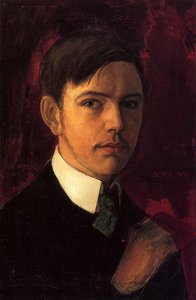
1887–1914, Niemcy
August Macke
Wczesne lata, rodzina i edukacja Historia, którą napisał August Macke, bierze swój początek w niemieckim miasteczku Meschede, gdzie 3 stycznia 1887 roku przyszedł na świat pierwszy i jedyny syn Augusta Friedricha Hermanna Macke, budowniczego i artysty amatora, oraz Marii Florentine. Dzieciństwo artysty kształtowały zmienne losy firmy jego ojca, które rzucały rodzinę raz do Kolonii, a raz do Bonn. Już jako mały chłopiec, August wykazywał nieodparty pociąg do ekspresji wizualnej; spędzał wczesne lata na szkicowaniu i projektowaniu scenografii do szkolnych przedstawień, znajdując sposób na przenoszenie otaczającego go świata na papier na długo przed tym, zanim przekroczył progi formalnej akademii. Jego właściwa edukacja artystyczna rozpoczęła się z pełną mocą, gdy trafił do Akademii w Düsseldorfie, gdzie kształcił się w latach 1904–1906.
Inne prace August Macke
 Kobieta w zielonej kurtce1913
 Bathing girls z miastem w tle1913
 "Hat Shop" -> "Sklep z kapeluszami"1913
 Portrait of the Artist's Wife with Hat1909
Eseje o Tightrope walker
 The Magic of Impasto: Capturing Light and Tactile Depth in Impressionist MasterpiecesDiscover the breathtaking beauty of impasto. Explore how Impressionist masters used thick, textured brushstrokes to capture light and emoti…
 Fauvism vs German Expressionism: Distinguishing Color and EmotionMaster the differences between Fauvism and German Expressionism through expert analysis. Learn to decode the emotion behind the color today.
 August Macke: Expressionist Visions of Harmony & Modern LifeExplore the vibrant Expressionist paintings of August Macke (1887-1914). Discover his key role in Der Blaue Reiter, Fauvist influences, and…