Expressionism · 1914
Hat Shop (August Macke, 1914)
August Macke (1887–1914) stworzył Hat Shop. Dzieło pochodzi z 1914. Należy do nurtu Expressionism. Wykonano w technice Acrylic On Canvas. Przechowywane jest w Museum Folkwang w Essen, Niemcy.
- 1914
- Acrylic On Canvas
- Museum Folkwang, Essen

 Podgląd w skali 1:1

 Ręcznie malowany obraz olejny
 Wyślij jako kartkę
 Udostępnij
 Karta informacyjna


 Pobierz obraz
 Podobne obiekty
 RTG
 Pokaz slajdów
 Pytania i odpowiedzi

 Statystyki
Hat Shop w skrócie
- Tytuł
- Hat Shop
- Artysta
- August Macke (1887–1914)
- Miejsce urodzenia artysty
- Meschede, Niemcy
- Data powstania
- 1914
- Technika wykonania
- Acrylic On Canvas
- Gdzie można je zobaczyć
- Museum Folkwang, Essen, Niemcy
- Ruch
- Expressionism
- Temat
- hat shop, urban scene, women, shopping, expressionism, bold colors
Co przedstawia Hat Shop?
A Glimpse of Urbanity: The Story Behind August Macke’s “Hat Shop”
August Macke's "Hat Shop" (1914) isn’t merely a depiction of a street scene; it’s a carefully constructed distillation of modern experience, rendered with the vibrant energy and emotional intensity characteristic of German Expressionism. Painted during a pivotal moment in Macke’s career – just months before his tragically early death – this work captures a fleeting moment of observation within the bustling heart of a city. It's a testament to his ability to imbue everyday life with profound symbolic weight, transforming a simple storefront into a microcosm of human interaction and contemplation.
Macke’s decision to focus on a hat shop wasn’t arbitrary. He was deeply fascinated by the transient nature of urban existence, the constant flow of people passing through public spaces. The shop window itself becomes a stage, presenting an anonymous woman – a figure deliberately devoid of individual features – as she pauses to observe the display within. This deliberate abstraction invites viewers to project their own experiences and emotions onto the scene, fostering a sense of shared contemplation.
Expressionist Techniques: Flattening Reality for Emotional Resonance
The painting’s style is undeniably Expressionist, a movement that prioritized subjective experience over objective representation. Macke employs a flattened perspective, compressing space and reducing forms to their essential shapes. The building facade, the hats themselves, and even the woman are rendered with bold, simplified lines – a deliberate rejection of traditional realism. This simplification isn’t an act of carelessness; it's a conscious choice to heighten the emotional impact of the work.
- Color Palette: Macke utilizes a striking, almost jarring color palette—a vibrant clash of reds, blues, yellows, and greens. These colors aren’t meant to mimic reality but rather to convey mood and emotion; the warm hues of the hats contrast sharply with the cooler tones of the building, creating a dynamic visual tension.
- Brushwork: The painting is characterized by broad, expressive brushstrokes that add texture and movement to the surface. This technique contributes to the overall sense of energy and immediacy.
- Geometric Forms: Angular lines dominate the composition, reinforcing the feeling of rigidity and formality while simultaneously hinting at underlying dynamism.
Symbolism in a Snapshot: Hats as Vessels of Meaning
The hats within the shop window are more than just accessories; they function as potent symbols. They represent status, fashion, perhaps even social barriers – elements that Macke frequently explored in his work. The anonymous woman’s posture suggests a moment of quiet contemplation, as if she is considering her own place within this complex urban landscape. The act of observing itself becomes significant, highlighting the human need to connect with and interpret the world around us.
A Legacy Preserved: Macke's “Hat Shop” Today
“Hat Shop” stands as a poignant reminder of August Macke’s brief but brilliant career. It exemplifies his ability to capture the essence of modern life through bold color, simplified forms, and emotionally charged symbolism. Reproductions of this iconic work offer a captivating glimpse into a pivotal moment in art history, inviting viewers to contemplate the beauty and complexity of everyday experience.
W którym muzeum znajduje się Hat Shop?
Museum Folkwang
Essen, Niemcy
Początki i historia Museum Folkwang Historia Museum Folkwang bierze swój początek w konwergencji dwóch odrębnych dziedzictw. W 1902 roku Karl Ernst Osthaus założył prywatne Folkwang Museum – kolekcję napędzaną szczególną wizją nowoczesnej ekspresji. Wkrótce potem dołączyło do niej Essener Kunstmuseum, założone w 1906 roku.

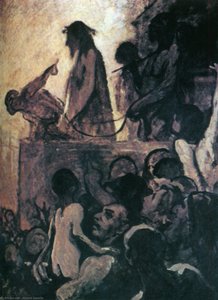

Zdjęcia w wysokiej rozdzielczości dzieła Hat Shop

Domena publiczna: artysta zmarł w 1914.
Inne rozmiary, kadrowanie i cytowanie →August Macke, Hat Shop (1914), Museum Folkwang. Domena publiczna
Odpowiedzi na pytania dotyczące Hat Shop
Gdzie można zobaczyć oryginał „Hat Shop” – August Macke?
„Hat Shop” – August Macke znajduje się w zbiorach Museum Folkwang, Essen, Niemcy. Informacja o muzeum dotyczy oryginału, a nie reprodukcji.
W którym roku powstało dzieło "Hat Shop"?
"Hat Shop" powstało w 1914 roku. Data ta pozwala umiejscowić dzieło w kontekście twórczości August Macke oraz epoki, w której powstało.
W jakiej technice wykonano „Hat Shop” – August Macke?
„Hat Shop” wykonano w technice Acrylic On Canvas.
Co przedstawia „Hat Shop” – August Macke?
„Hat Shop” – August Macke przedstawia: hat shop, urban scene, women, shopping, expressionism, bold colors, cityscape, fashion.
Czy obraz „Hat Shop” – August Macke można swobodnie reprodukować?
„Hat Shop” – August Macke znajduje się w domenie publicznej (należy do domeny publicznej – autorskie prawa majątkowe wygasły). Status ten określa zasady reprodukcji obrazu tego dzieła.
Któremu artyście przypisuje się "Hat Shop"?
„Hat Shop” zostało stworzone przez August Macke. Informacje na tej stronie dotyczą oryginalnego dzieła autorstwa August Macke.
Do jakiego nurtu artystycznego należy „Hat Shop” – August Macke?
„Hat Shop” to dzieło należące do nurtu Expressionism. Nurt ten określa tradycję artystyczną, w której osadzone jest dzieło.
Do którego etapu twórczości August Macke należy dzieło „Hat Shop”?
W dorobku artystycznym August Macke dzieło „Hat Shop” przypada na Mature Period. Ten etap pozwala zestawić je z innymi pracami twórcy.
Ile lat miał(a) August Macke, tworząc "Hat Shop" w 1914 roku?
August Macke stworzył/a "Hat Shop" w wieku 27 lat. Artysta urodził/a się w 1887, a datowanie dzieła to 1914.
O artyście: August Macke
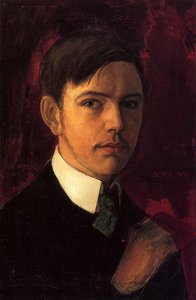
1887–1914, Niemcy
August Macke
Wczesne lata, rodzina i edukacja Historia, którą napisał August Macke, bierze swój początek w niemieckim miasteczku Meschede, gdzie 3 stycznia 1887 roku przyszedł na świat pierwszy i jedyny syn Augusta Friedricha Hermanna Macke, budowniczego i artysty amatora, oraz Marii Florentine. Dzieciństwo artysty kształtowały zmienne losy firmy jego ojca, które rzucały rodzinę raz do Kolonii, a raz do Bonn. Już jako mały chłopiec, August wykazywał nieodparty pociąg do ekspresji wizualnej; spędzał wczesne lata na szkicowaniu i projektowaniu scenografii do szkolnych przedstawień, znajdując sposób na przenoszenie otaczającego go świata na papier na długo przed tym, zanim przekroczył progi formalnej akademii. Jego właściwa edukacja artystyczna rozpoczęła się z pełną mocą, gdy trafił do Akademii w Düsseldorfie, gdzie kształcił się w latach 1904–1906.
Inne prace August Macke
 Kobieta w zielonej kurtce1913
 Bathing girls z miastem w tle1913
 "Hat Shop" -> "Sklep z kapeluszami"1913
 Portrait of the Artist's Wife with Hat1909
Eseje o Hat Shop
 James Abbott McNeill Whistler: 25 Arcydzieł Sztuki Pejzażowej i Portretowej | OriginalUniqueArtOdkryj 25 arcydzieł Jamesa Abbotta McNeilla Whistler'a! Poznaj historię impresjonistycznych pejzaży, portretów i słynnych 'Nokturnów'. Repr…
 Emocjonalna Transmutacja w Sztuce Wizualnej: Studium Reprezentacji Afektywnych Poprzez Kolor, Formę i TeksturęZgłębiaj subtelny język emocji w sztuce wizualnej! Analizujemy kolor, formę i teksturę w malarstwie barokowym i ekspresjonistycznym. Eksper…
 August Macke: Expressionist Visions of Harmony & Modern LifeExplore the vibrant Expressionist paintings of August Macke (1887-1914). Discover his key role in Der Blaue Reiter, Fauvist influences, and…