Podgląd w skali 1:1
 Wyślij jako kartkę
 Udostępnij
 Szczegóły dzieła
 Przewodnik

 Pobierz obraz
 Podobne obiekty
 RTG
RTG Pokaz slajdów
 Statystyki
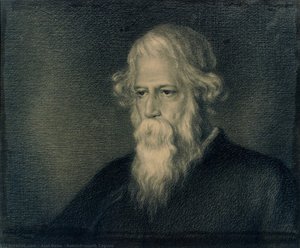
Rabindranath Tagore
 Oil On Canvas
- WallArt
- Contemporary Realism
 1952
1952- 19th Century
 60.0 x 50.0 cm
 Wielki Pałac Wiktorioński
 Rozwiń treść
Dzieło sztuki prezentowane na tej stronie podlega ochronie prawem autorskim, co oznacza, że nie mamy prawa do tworzenia ani sprzedaży jego identycznej reprodukcji. Ochrona ta jest egzekwowana na mocy umów międzynarodowych, takich jak Konwencja berneńska oraz przez przepisy prawa krajowego, w tym te określone w Prawo autorskie USA – Tytuł 17.
Jako pełną szacunku i legalną alternatywę oferujemy personalizowane, malowane ręcznie dzieła sztuki inspirowane oryginałem. Nasi wykwalifikowani i profesjonalni artyści starannie analizują styl, nastrój oraz artystyczną esencję pierwowzoru, aby stworzyć nowe, unikalne dzieło, które przywołuje te same emocje – pozostając jednocześnie w pełni oryginalną kreacją.
Metoda ta jest w pełni zgodna z przepisami prawa autorskiego, ponieważ nie polega na kopiowaniu ani powielaniu chronionego dzieła. Stanowi ona kreatywną reinterpretację – nowy obraz, który czerpie inspirację z oryginału, ale nie jest z nim tożsamy.
Ręcznie malowana reprodukcja olejowa
Ręcznie malowany obraz olejny na płótnie, wykonany na zamówienie przez naszych artystów w wybranym przez Ciebie wymiarze i oprawie. ( Przełącz na wydania drukowane Przejdź do wersji cyfrowej)




P118B zł10

P118H zł10

P118W zł10

P438Z zł10

P508JH zł12

P508YH zł12

P805H zł10

P805Z zł10

P919BZ zł10

P919G zł10

P919XJ zł10

P959ZH zł10

P968JZ zł12

W106C zł8

W218G zł10

W218JH zł8

W218Y zł10

W307PJ zł10

W316G zł10

W316PJ zł8

W316Y zł10

W398PJ zł8

W4111J zł10

W500HY zł15

W500JH zł15

W692G zł12

W849H zł8

W940BG zł15

W953PJ zł8




Wybierz spośród naszych standardowych rozmiarów, które zachowują oryginalne proporcje dzieła sztuki.

Wpisz wymaganą szerokość i wysokość, aby obraz pasował do Twojej ramy lub ściany. Ponieważ jest to dzieło malowane ręcznie, w przypadku rozmiaru o innych proporcjach artysta może domalować nieco więcej wokół obrazu lub przyciąć jego fragmenty — wybór należy do Ciebie. Przed rozpoczęciem pracy prześlemy Ci cyfrową wizualizację do zatwierdzenia. Obraz widoczny na tej stronie nie przedstawia rzeczywistego efektu — jedynie wizualizacja oddaje realny rezultat.
Po złożeniu zamówienia zespół OriginalUniqueArt.com skontaktuje się z klientem drogą mailową w celu uzyskania instrukcji i prześle wizualizację projektu
Dostawa na całym świecie () w ciągu 3–4 tygodni zamiast standardowych 5 tygodni. (25 Październik). Bez kompromisów w kwestii jakości.

Bezpłatna ekspresowa wysyłka na cały świat

Wysokiej jakości płótno lniane

Pełne ubezpieczenie przesyłki

Gwarancja zwrotu należności celnych i podatków importowych

Gwarancja wiernego odwzorowania kolorów

100-dniowa polityka zwrotów (tylko w przypadku wad)

Gwarancja 100% zwrotu pieniędzy

Zniżka przy zakupie wielu sztuk
 Opcja ze szkłem jest dostępna wyłącznie w rozmiarach poniżej 110 cm

Rabindranath Tagore
Technika reprodukcji
Wymiary reprodukcji
-


Cena całkowita
zł 1151
A Portrait of Intellectual Grace: Rabindranath Tagore by Atul Basu
This evocative portrait of Rabindranath Tagore, rendered in 1952 by the esteemed Indian painter Atul Basu, transcends a simple likeness; it’s an embodiment of the poet and philosopher's profound intellect and contemplative spirit. Painted during a pivotal period of his life – shortly after receiving the Nobel Prize for Literature – the artwork captures Tagore not merely as a celebrated figure, but as a man steeped in wisdom and perhaps a touch of melancholy, qualities that resonate deeply within the painting’s carefully constructed composition.
Artistic Technique and Historical Context
- Style & Medium: The work exemplifies representational portraiture executed with a mastery of oil paint on canvas. Basu's brushwork, subtly visible in the photograph, reveals a traditional technique rooted in post-impressionist influences, particularly evident in Walter Sickert’s approach to capturing human emotion through light and shadow.
- Artist Background: Atul Basu (1898-1977), born in Mymensingh, India, was a significant figure in the development of Indian modern art. His training at the Royal Academy in London exposed him to European artistic trends while firmly grounding his work within an Eastern sensibility. He played a crucial role in establishing and directing institutions like the Indian School of Oriental Art, contributing significantly to the preservation and promotion of traditional Indian artistic values.
- Historical Significance: Created in 1952, the painting reflects a moment of international recognition for Tagore’s literary achievements, solidifying his place as one of the world's most influential thinkers and writers. The artwork serves as a visual testament to this legacy.
Compositional Elements and Symbolism
The portrait adheres to a classic bust-length format, centering Tagore’s face and upper torso – a deliberate choice that fosters a direct connection with the viewer. The dark, indistinct background serves to heighten the subject's presence, emphasizing his dignified gaze. Notably, Tagore is depicted in a red robe, a color often associated with spirituality and authority within Indian traditions, subtly reinforcing his role as a respected intellectual leader and perhaps hinting at his Upanishadic ideals of education.
Color Palette and Emotional Impact
Basu’s masterful use of warm tones – reds, yellows, and whites – creates an atmosphere of serenity and contemplation. The soft, diffused lighting eliminates harsh shadows, further contributing to the painting's sense of wisdom and introspection. Tagore’s expression, a blend of intelligence and melancholy, invites viewers to contemplate the complexities of human thought and experience. The layering of colors within the robe adds depth and texture, enhancing the overall visual richness of the piece.
Dimensions and Materials
This reproduction is presented in a substantial 60 x 50 cm format, ensuring that it will make a significant statement within any interior space. The artwork is meticulously crafted using high-quality materials to faithfully replicate the original’s texture and color depth, offering collectors and art enthusiasts alike an authentic representation of Atul Basu's remarkable talent.
Pytania i odpowiedzi
Gdzie i w jakim celu zaleca się użycie "Rabindranath Tagore"?
Dzieło „Rabindranath Tagore” – Atul Basu jest polecane do Reflective, najlepiej w Living Room. Zastosowanie oraz przestrzeń pomagają zdecydować, gdzie najlepiej umieścić reprodukcję.
Jak mogę podejrzeć reprodukcję dzieła „Rabindranath Tagore” – Atul Basu?
Strona Podgląd w pomieszczeniu dzieła „Rabindranath Tagore” pozwala na podgląd obrazu przed złożeniem zamówienia.
Jak nasycone są kolory w „Rabindranath Tagore” – Atul Basu?
Intensywność barw w dziele „Rabindranath Tagore” wynosi Monochromatic. Intensywność określa, jak nasycone wydają się kolory.
Biografia artysty
wczesne lata i edukacja
atul basu, znamienity indyjski malarz, przyszedł na świat 22 lutego 1898 roku w mymensingh, znajdującym się wówczas w granicach prezydencji bengalskiej. to właśnie dzieciństwo spędzone w miasteczku mymensingh położyło fundament pod jego przyszłe artystyczne dążenia. jego edukacja podstawowa rozpoczęła się w filii national council of education w mymensingh, a następnie kontynuował naukę w jubilee art academy w kolkata.kariera i inspiracje
dzięki stypendium przyznanemu przez uniwersytet w calcutta, basu udał się na studia artystyczne do royal academy w londynie (1924-19mu6), gdzie jego twórczość została ukształtowana przez wpływ postimpresjonisty waltera sickerta. co niezwykle istotne, basu odmówił zaproszenia do dekoracji pawilonu podczas british empire exhibition, co stanowiło świadectwo jego niezłomnego przywiązania do własnej wizji artystycznej. w 1921 roku, wraz z bhabani charan laha, współzałożył indian school of oriental art, a w późniejszych latach objął funkcję dyrektora government college of art & craft. wśród jego najbardziej znaczących dzieł znajdują się sphinx (olej na sklejce) oraz autoportret (1945), które w mistrzowski sposób prezentują jego biegłość w operowaniu barwami olejnymi.wybitne dzieła i kolekcje
- sphinx (olej na sklejce)
- autoportret (1945)
- portrety pochodzące z oryginalnych kolekcji w windsor castle oraz w buckingham palace, zamówione przez rząd indyjski
- kiran nadar museum of art (knma)
- national gallery of modern art
- indian museum
- parliament house, new delhi
- raj bhavan, kolkata
nagrody i uznanie
w 1970 roku basu został uhonorowany stopniem doktora sztuki (d.litt) przez rabindra bharati university w calcutta. zobacz więcej dzieł atula basu na OriginalUniqueArt.com: odkryj więcej indyjskich artystów i ich twórczość na OriginalUniqueArt.com:
Atul Basu
1898 - 1977 , Indie
Powiązane artykuły
George Catlin: Witnessing & Representing Indigenous Life on the American Frontier
Explore the captivating art of George Catlin, renowned for his vivid portraits & landscapes documenting Native American life on the frontier. Discover a vanishing world through stunning paintings and historical context.
Joseph Henry Sharp: Capturing the Spirit of the Plains – Life, Art & Legacy
Explore the life & art of Joseph Henry Sharp, a founding member of the Taos Society of Artists renowned for his realistic depictions of Native American culture and Western landscapes. Discover his legacy with OriginalUniqueArt.

Panoramic Visions of Empire: The Daniells’ Artistic Collaboration & Legacy
Explore the captivating 'Oriental Scenery' by Thomas & William Daniell. Discover their pioneering aquatint prints of India, imperial context, artistic collaboration, and lasting legacy. A deep dive for history lovers.
Shadow Catcher: Edward S. Curtis & the Ethnographic Portraiture of a Vanishing West
Explore the life & work of Edward S. Curtis, the 'Shadow Catcher,' and his groundbreaking photographic documentation of Native American cultures. Discover iconic images from *The North American Indian* and a critical look at his lasting legacy.

Raja Ravi Varma: Bridging Tradition & Modernity in 19th-Century Indian Art
Explore the life & art of Raja Ravi Varma, a pioneer who fused European techniques with Indian iconography. Discover his iconic paintings, lasting legacy, and influence on modern Indian art at OriginalUniqueArt.