Menu
BEZPŁATNA KONSULTACJA ARTYSTYCZNA
Podgląd w skaliPodgląd w skali Podgląd ARPodgląd AR Zamów wydruk Zamów wydrukKup obraz wysokiej rozdzielczości Kup obraz wysokiej rozdzielczości Wyślij jako kartkęWyślij jako kartkę
Szczegóły dziełaSzczegóły dzieła Dodaj do ulubionych Dodaj do ulubionych PobierzPobierz Podobne obiektyPodobne obiekty RTGRTG Pokaz slajdówPokaz slajdów

In the Woods

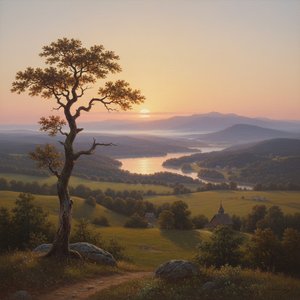
Experience the serene beauty of Asher Brown Durand's 1855 Luminist masterpiece, "In the Woods," a captivating oil painting showcasing nature’s tranquility and masterful chiaroscuro techniques. Discover this iconic American landscape and own a timeless piece of art history.

Asher Brown Durand (1796-1886) – amerykański malarz pejzażystka, kluczowa postać Hudson River School. Jego obrazy oddają piękno i duchowość Ameryki Północnej.

Ręcznie malowana reprodukcja olejowa

Ręcznie malowany obraz olejny na płótnie, wykonany na zamówienie przez naszych artystów w wybranym przez Ciebie wymiarze i oprawie. (Zamów wydruk Zamów wydrukKup obraz wysokiej rozdzielczości Kup obraz wysokiej rozdzielczości)

P118B $10
P118H $10
P118W $10
P438Z $10
P508JH $12
P508YH $12
P805H $10
P805Z $10
P919BZ $10
P919G $10
P919XJ $10
P959ZH $10
P968JZ $12
W106C $8
W218G $10
W218JH $8
W218Y $10
W307PJ $10
W316G $10
W316PJ $8
W316Y $10
W398PJ $8
W4111J $10
W500HY $15
W500JH $15
W692G $12
W849H $8
W940BG $15
W953PJ $8

Standard
custom
CM
INCH

Wybierz spośród naszych standardowych rozmiarów, które zachowują oryginalne proporcje dzieła sztuki.

szerokość
wysokość

Możesz wprowadzić własne wymiary, aby dopasować obraz do konkretnej ramy lub przestrzeni. Jeśli wybrany rozmiar nie będzie odpowiadał proporcjom oryginału, przytniecie dzieło sztuki lub rozszerzymy je o dodatkowe elementy, ręcznie domalowane przez artystę. Przed rozpoczęciem produkcji wyślemy projekt cyfrowy do Twojej akceptacji.
Należy pamiętać, że podgląd na ekranie nie odzwierciedla rzeczywistego przycinania ani rozszerzania obrazu. Tylko projekt dokładnie pokaże ostateczną kompozycję.
Choć oferujemy możliwość zamówienia niestandardowych rozmiarów, zalecamy wybór wymiaru z gotowej listy, aby zachować oryginalne proporcje dzieła.

Przykłady możliwych zmian: Zamień twarz na zdjęcie klienta; Dodaj zwierzę domowe (np. zamień kota na psa); Ukryj wiadomość w tle; Zmień krajobraz lub elementy tła.
Po złożeniu zamówienia zespół OriginalUniqueArt.com skontaktuje się z klientem drogą mailową w celu uzyskania instrukcji i prześle wizualizację projektu

Dostawa na całym świecie () w ciągu 3–4 tygodni zamiast standardowych 5 tygodni. (18 Sierpień). Bez kompromisów w kwestii jakości.

why_choose_icon
Bezpłatna ekspresowa wysyłka na cały świat
why_choose_icon
Wysokiej jakości płótno lniane
why_choose_icon
Pełne ubezpieczenie przesyłki
why_choose_icon
Gwarancja zwrotu należności celnych i podatków importowych
why_choose_icon
Gwarancja wiernego odwzorowania kolorów
why_choose_icon
Polityka 60-dniowego zwrotu (tylko w przypadku wad)
why_choose_icon
Gwarancja 100% zwrotu kosztów
why_choose_icon
Zniżka przy zamówieniu wielu produktów

Suma całkowita

$ 300

reproduction

In the Woods

Technika reprodukcji

Wymiary reprodukcji

-

Cena całkowita

$ 300

Szybki podgląd

  • Influences: Albert Ryder
  • Title: In the Woods
  • Location: Metropolitan Museum
  • Year: 1855
  • Movement: Luminism
  • Notable elements: Chiaroscuro, light
  • Subject or theme: Forest scene, nature

Opis dzieła

In the Woods by Asher Brown Durand: A Luminist Masterpiece

Asher Brown Durand’s “In the Woods,” painted in 1855, is more than just a depiction of a forest scene; it's an immersive experience, a testament to the burgeoning Romantic movement’s fascination with nature and its profound ability to evoke emotion. This oil on canvas work, currently residing within the Metropolitan Museum of Art, offers a glimpse into a pivotal moment in American landscape painting – a time when artists sought to capture not just the outward appearance of the natural world but also its inherent spirituality and tranquility.

  • Subject Matter: The scene unfolds with remarkable realism, showcasing a group of figures thoughtfully dispersed throughout a dense woodland. Tall trees dominate the composition, their branches reaching skyward, while scattered rocks introduce textural variation and a sense of ruggedness.
  • Technique: Durand masterfully employs Luminism, a style characterized by its emphasis on the effects of light. The painting’s brilliance lies in his skillful manipulation of chiaroscuro – the dramatic contrast between light and dark – which sculpts the forms of the trees and figures, creating an almost palpable sense of depth and volume.
  • Composition: The arrangement of the figures within the vastness of the forest contributes to a feeling of both intimacy and awe. They are small in scale, emphasizing the immensity of nature and inviting the viewer to contemplate their place within it.

A Window into Luminism

“In the Woods” stands as a significant example of Luminism, a movement that emerged in the 1850s, largely influenced by the work of Thomas Cole and Frederic Church. Luminists sought to capture the fleeting effects of light on landscapes, prioritizing atmospheric perspective and the sublime beauty of natural phenomena over detailed representation. Durand’s approach aligns perfectly with this aesthetic, demonstrating an acute awareness of how light transforms a scene – particularly during the golden hours of dawn or dusk – imbuing it with a sense of ethereal quality. The painting's meticulous attention to detail, combined with its expressive use of light and shadow, elevates it beyond mere topographical representation, transforming it into a powerful meditation on nature’s grandeur.

Interestingly, Durand’s technique shares similarities with that of Albert Pinkham Ryder, another notable Luminist painter, though their approaches differed in subtle ways. Ryder's *The Forest of Arden* (available on OriginalUniqueArt.com) provides a valuable point of comparison, illustrating the broader context of this artistic style within American landscape painting.

Symbolism and Emotional Impact

Beyond its technical brilliance, “In the Woods” carries a deeper symbolic weight. The presence of human figures suggests humanity’s connection to nature – a theme frequently explored by Romantic artists. The scene evokes a sense of peace, solitude, and contemplation, inviting viewers to escape the pressures of urban life and reconnect with the restorative power of the natural world. Durand's ability to capture this emotional resonance is a key element of his artistic legacy.

Own a Piece of Art History

Handmade oil painting reproductions of Asher Brown Durand’s “In the Woods” are now available for purchase on OriginalUniqueArt.com, offering art enthusiasts and collectors the opportunity to acquire a stunning representation of this iconic work. Each reproduction is meticulously crafted using traditional techniques, ensuring that it faithfully captures the original's beauty and artistic merit. Bringing "In the Woods" into your home or office will not only add a touch of timeless elegance but also connect you with a significant chapter in American art history.


O artyście

A Life Rooted in the American Landscape

Asher Brown Durand, born August 21, 1796, in Maplewood, New Jersey, wasn’t initially destined for a life steeped in paint and canvas. His early years were shaped by the practical world of his father, a watchmaker and silversmith, instilling in him a meticulous attention to detail that would later profoundly influence his artistic approach. This foundation in craftsmanship led to an apprenticeship with engraver Peter Maverick in 1812, a path that initially seemed to define his career. Durand quickly proved himself exceptionally skilled, becoming a partner in the firm and establishing its New York City branch. His reputation as an engraver soared after completing the intricate reproduction of John Trumbull’s *The Declaration of Independence* in 1823 – a feat that cemented his standing within the artistic community. However, beneath the precision of engraving lay a burgeoning passion for capturing the raw beauty of the natural world, a calling that would ultimately lead him to become a pivotal figure in American art.

From Engraving to Embracing Nature’s Palette

The transition from meticulous engraver to celebrated landscape painter wasn't immediate. Durand continued his engraving work while simultaneously exploring painting, initially focusing on portraiture and genre scenes. A crucial turning point arrived with the patronage of Luman Reed in the 1830s, who encouraged him to fully embrace his artistic inclinations. Reed’s support allowed Durand to dedicate himself more completely to painting, a pursuit further ignited by a transformative sketching expedition with his close friend, Thomas Cole, in the Adirondacks in 1837. This journey into the untamed wilderness proved pivotal; it was here that Durand truly discovered his calling – to capture the sublime grandeur of the American landscape. He began to spend summers immersed in nature, meticulously documenting the Catskills, Adirondacks, and White Mountains through countless drawings and oil sketches. These studies weren’t merely preparatory exercises but became integral to his artistic process, informing the compositions and details of his finished paintings. Durand's approach was rooted in a deep respect for observation; he believed that an artist should strive to capture nature as accurately as possible, without imposing personal interpretations or embellishments.

A Founding Voice of the Hudson River School

Durand’s dedication to landscape painting aligned him with a growing circle of artists who shared a similar vision – a group that would become known as the Hudson River School. He was among its founding members, alongside Cole, and played a vital role in establishing the school’s distinctive aesthetic. The Hudson River School wasn't simply about depicting scenery; it was about imbuing landscapes with emotional resonance and spiritual significance. Durand's work embodies this philosophy, characterized by a meticulous realism combined with a romantic sensibility. He believed in observing nature with unwavering accuracy but also recognized its power to evoke feelings of awe, reverence, and the sublime. His paintings weren’t just representations of places; they were expressions of his deep connection to the American wilderness and a celebration of God's creation. The influence of Cole is particularly evident in Durand’s early works, as he adopted Cole’s emphasis on dramatic lighting, atmospheric perspective, and the depiction of vast, untamed landscapes.

Major Achievements and Artistic Style

Durand achieved significant recognition throughout his career, becoming one of the most respected landscape painters of his time. He was elected to the National Academy of Design in 1845 and served as its president from 1845 to 1861, a period during which he played a crucial role in promoting American art and fostering artistic development. His paintings are characterized by their detailed realism, masterful use of light and shadow, and evocative depictions of the American wilderness. Notable works include *The Solitary Oak* (1838), a powerful image of resilience and solitude; *Sketch in the Woods* (1846), showcasing his ability to capture the intricate details of nature; and *Canoes in Rapids* (1853), a dynamic composition that conveys the energy and power of the river. Durand’s style evolved over time, moving from more formal, academic landscapes to looser, more expressive works inspired by the Romantic tradition. He was particularly adept at portraying trees, capturing their textures, forms, and patterns with remarkable precision.

Legacy and Enduring Influence

Durand's influence extended beyond his own artistic output. He served as president of the National Academy of Design from 1845 to 1861, using his position to champion American art and nurture emerging talent. He also penned insightful “Letters on Landscape Painting” published in *The Crayon* – a significant art periodical – articulating his artistic principles and advocating for direct observation from nature. His commitment to realism and detailed representation set a high standard for subsequent generations of landscape painters. Works like *Kindred Spirits*, painted in 1849 as a tribute to Thomas Cole, became iconic representations of the Hudson River School aesthetic and continue to resonate with viewers today. The painting’s depiction of Cole and poet William Cullen Bryant amidst a serene woodland scene encapsulates the school's reverence for nature and its belief in the power of art to connect humanity with the divine. Durand’s paintings offer more than just picturesque views; they provide a window into 19th-century America, reflecting its evolving relationship with the natural world and its burgeoning sense of national identity. His legacy endures not only through his captivating canvases but also through his enduring influence on American landscape painting and his unwavering commitment to capturing the beauty and spiritual significance of the land.
Asher Brown Durand

Asher Brown Durand

1796 - 1886 , Stany Zjednoczone

Krótka nota

  • Artistic Movement Or Style: Hudson River School
  • Artists Or Movements Influenced By This Artist: ['Hudson River School']
  • Artists Who Influenced This Artist: ['Thomas Cole']
  • Date Of Birth: 21 sierpnia 1796
  • Date Of Death: 17 września 1886
  • Full Name: Asher Brown Durand
  • Nationality: Amerykański
  • Notable Artworks:
    • Pokrewne dusze
    • Krajobraz
  • Place Of Birth: Nowy Jork, USA
Odkryj dzieła sztuki uporządkowane według tematów, stylów i cech charakterystycznych.