
 Zobacz w skali 1:1
 Wyślij
 Udostępnij
 Szczegóły
 Przewodnik

 Pobierz plik obrazu
 Podobne obiekty
 RTG
RTG Pokaz slajdów
 Statystyki
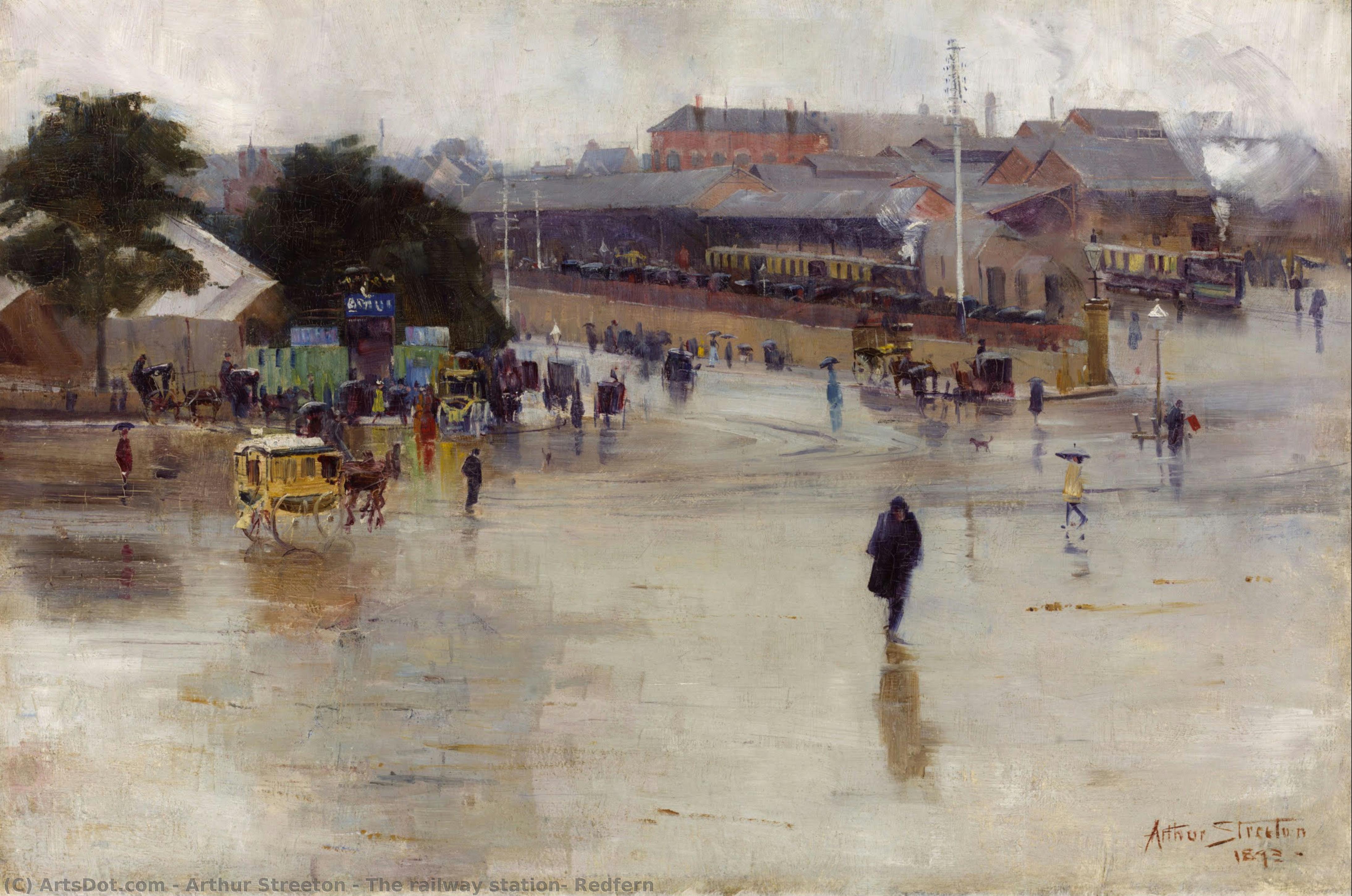
Stacja kolejowa, Redfern
 Olej na płótnie
- Sztuka ścienna
- Heidelberg School
 1893
1893- – XIX wiek
 40.0 x 61.0 cm
 Galeria Sztuki Nowego Południowej Walii
 Czytaj więcej
Ręcznie malowana reprodukcja olejowa
Ręcznie malowany obraz olejny na płótnie, wykonany na zamówienie przez naszych artystów w wybranym przez Ciebie wymiarze i oprawie. ( Przełącz na wersję drukowaną Przełącz na wersję cyfrową)




P118B $10

P118H $10

P118W $10

P438Z $10

P508JH $12

P508YH $12

P805H $10

P805Z $10

P919BZ $10

P919G $10

P919XJ $10

P959ZH $10

P968JZ $12

W106C $8

W218G $10

W218JH $8

W218Y $10

W307PJ $10

W316G $10

W316PJ $8

W316Y $10

W398PJ $8

W4111J $10

W500HY $15

W500JH $15

W692G $12

W849H $8

W940BG $15

W953PJ $8




Wybierz spośród naszych standardowych rozmiarów, które zachowują oryginalne proporcje dzieła sztuki.

Możesz wprowadzić własne wymiary, aby dopasować obraz do konkretnej ramy lub przestrzeni. Jeśli wybrany rozmiar nie będzie odpowiadał proporcjom oryginału, przytniecie dzieło sztuki lub rozszerzymy je o dodatkowe elementy, ręcznie domalowane przez artystę. Przed rozpoczęciem produkcji wyślemy projekt cyfrowy do Twojej akceptacji.
Należy pamiętać, że podgląd na ekranie nie odzwierciedla rzeczywistego przycinania ani rozszerzania obrazu. Tylko projekt dokładnie pokaże ostateczną kompozycję.
Choć oferujemy możliwość zamówienia niestandardowych rozmiarów, zalecamy wybór wymiaru z gotowej listy, aby zachować oryginalne proporcje dzieła.
Po złożeniu zamówienia zespół OriginalUniqueArt.com skontaktuje się z klientem drogą mailową w celu uzyskania instrukcji i prześle wizualizację projektu
Dostawa na całym świecie () w ciągu 3–4 tygodni zamiast standardowych 5 tygodni. (25 Wrzesień). Bez kompromisów w kwestii jakości.

Bezpłatna ekspresowa wysyłka na cały świat

Wysokiej jakości płótno lniane

Pełne ubezpieczenie transportowe

Gwarancja zwrotu należności celnych i podatków importowych

Gwarancja idealnego odwzorowania barw

100-dniowy okres na zwrot dzieła w przypadku wykrycia wad produkcyjnych

Gwarancja 100% zwrotu pieniędzy

Oferta przy zakupie wielu sztuk
 Opcja ze szkłem jest dostępna wyłącznie w rozmiarach poniżej 110 cm

Stacja kolejowa, Redfern
Technika wykonania
Rozmiar reprodukcji
-


Suma do zapłaty
$ 300
„Stacja kolejowa w Redfern” – Odbicie Miasta i Duszy Australii
Arthur Streeton’s “The Railway Station, Redfern,” painted in 1893, is more than just a depiction of a bustling urban scene; it's a poignant snapshot of late Victorian Australia grappling with modernity and the burgeoning spirit of its national identity. This work, now available as a meticulously hand-painted reproduction from OriginalUniqueArt.com, offers a captivating glimpse into a pivotal moment in Australian art history – the rise of the Heidelberg School and its distinctive approach to landscape painting.
The scene unfolds on Devonshire Street in Redfern, a suburb rapidly transforming under the pressures of industrialization and immigration. Rain slicks the cobblestones, reflecting the gaslights and the muted colors of the surrounding buildings. A palpable sense of movement pervades the canvas: men hurry across the street, their figures rendered with a loose, expressive brushstroke characteristic of Streeton’s style; horses pull carts laden with goods; and pedestrians navigate the wet streets, many shielding themselves under umbrellas. Yet, amidst this activity, there's an underlying tranquility, a quiet acceptance of the everyday rhythms of city life.
Heidelberg School and the Australian Light
Streeton’s work firmly places him within the Heidelberg School, a group of artists who sought to capture the unique atmosphere and light of the Australian bush. Unlike their European counterparts, these painters weren't interested in replicating idealized landscapes; instead, they aimed to depict the raw, unfiltered beauty of the Australian environment – its intense sunlight, hazy distances, and ever-changing textures. “The Railway Station, Redfern” exemplifies this approach. Streeton masterfully utilizes broken color and subtle tonal shifts to convey the atmospheric effects of rain and light, creating a sense of depth and immediacy that draws the viewer into the scene.
This particular painting emerged during a period of significant change for Australia. The country was rapidly industrializing, with railways expanding across the continent and connecting distant communities. Streeton’s choice to depict a railway station – a symbol of progress and connectivity – reflects this broader societal shift. However, he doesn't simply celebrate technological advancement; rather, he imbues the scene with a sense of melancholy and nostalgia, hinting at the displacement and disruption caused by modernization.
Technique and Style: Impressionism in the Australian Context
Streeton’s technique is firmly rooted in Impressionism, but adapted to suit the specific qualities of the Australian landscape. He employs short, broken brushstrokes – a hallmark of the Heidelberg School – to build up layers of color and texture. Notice how he captures the shimmering reflections on the wet pavement, the hazy outlines of distant buildings, and the subtle variations in tone that suggest movement and atmosphere. The composition is deliberately asymmetrical, creating a dynamic sense of balance and drawing the eye through the scene.
The painting’s palette is dominated by muted earth tones – browns, greys, and ochres – punctuated by flashes of brighter color from the gaslights and umbrellas. This restrained use of color contributes to the overall mood of quiet contemplation and understated beauty. Streeton's focus on capturing the *light*—particularly the way it interacts with the wet surfaces—is what truly elevates this work.
Symbolism and Emotional Resonance
Beyond its visual appeal, “The Railway Station, Redfern” carries a deeper symbolic weight. The rain, often associated with melancholy and introspection, suggests a sense of uncertainty and transition. The busy street scene represents the relentless pace of modern life, while the solitary figures evoke feelings of isolation and anonymity. Yet, despite these darker undertones, there’s also an underlying sense of resilience and hope – a testament to the enduring spirit of the Australian people.
Owning a hand-painted reproduction of “The Railway Station, Redfern” is more than simply acquiring a beautiful artwork; it's gaining access to a significant moment in Australian art history. OriginalUniqueArt’s meticulous reproductions faithfully capture Streeton’s unique style and atmospheric vision, allowing you to experience the beauty and emotional depth of this iconic painting in your own home. It’s a piece that speaks volumes about the evolving identity of Australia and the enduring power of landscape to evoke profound emotions.
Biografia artysty
A Pioneer of the Australian Light: The Life and Art of Arthur Streeton
Arthur Ernest Streeton, affectionately known as “Smike” to his contemporaries, stands as a monumental figure in Australian art history. Born on April 8, 1867, at Mount Duneed, Victoria, his life was inextricably linked to the evolving identity of a nation finding its voice through landscape painting. From humble beginnings – his parents were English migrants who met during their voyage to Australia – Streeton’s artistic journey began with studies at the National Gallery School in Melbourne from 1882 to 1887, laying the groundwork for a career that would define Australian Impressionism and the Heidelberg School. These early years weren't merely about technical skill; they were about discovering a way to capture the unique quality of light and atmosphere that characterized the Australian bush – a light unlike anything seen in Europe, and a challenge that captivated Streeton throughout his life. He supplemented his formal training with apprenticeships as a lithographer, experiences which undoubtedly informed his understanding of composition and tonal values.The Heidelberg School and the Eaglemont Camp
Streeton’s artistic maturation coincided with the burgeoning of the Heidelberg School, a group of artists determined to forge an authentically Australian style. His friendships with Tom Roberts and Frederick McCubbin were pivotal; together they embarked on *plein air* painting excursions, seeking to represent the landscape directly from nature. This commitment to working outdoors, inspired by French Impressionism but adapted to the distinctly Australian context, became a hallmark of their work. The establishment of the Eaglemont Camp in 1888 marked a turning point. Sharing a farmhouse on the outskirts of Melbourne with fellow artists, Streeton entered a period of intense creativity. It was here that he produced some of his most iconic works, including *Golden Summer, Eaglemont* (1889) and *Still glides the stream, and shall for ever glide* (1890). These paintings weren’t simply depictions of scenery; they were evocations of a feeling – the heat haze shimmering over golden fields, the stillness of a summer afternoon. The camp fostered an environment of shared experimentation and mutual encouragement, solidifying the Heidelberg School's reputation as a force to be reckoned with in the Australian art world. The group’s bold approach culminated in the controversial “9 by 5 Impression Exhibition” in 1889, showcasing small, rapidly executed paintings that challenged conventional artistic norms.Seeking Recognition and Returning Home
Driven by ambition and a desire for wider recognition, Streeton sailed for London on the *Polynesien* in 1897. While he achieved some success exhibiting at the Royal Academy, including representation in 1900, he found it difficult to replicate the acclaim he had enjoyed in Australia. The European art scene was crowded and competitive, and his distinctly Australian vision didn’t always resonate with established tastes. He continued to paint, exploring different subjects – Venetian scenes like *Palazzo Labia, Venice* (1908) demonstrate a shift in focus but retain his characteristic sensitivity to light and color. The outbreak of World War I saw Streeton attempting to contribute through service as an orderly with the Royal Army Medical Corps, later becoming an official war artist in 1918. His wartime paintings, while documenting the devastation of the Western Front, often focused on the landscape itself, reflecting his enduring fascination with the natural world. He returned to Australia in 1923 a celebrated figure, knighted in 1937 for his contributions to art.Legacy and Lasting Influence
Arthur Streeton’s legacy extends far beyond his individual paintings. He played a crucial role in establishing a uniquely Australian artistic identity, one that celebrated the beauty and vastness of the continent. His work helped to define how Australians saw themselves and their land. His influence can be seen in generations of landscape painters who followed, inspired by his ability to capture the essence of the Australian light and atmosphere. He was a prolific writer and art critic, further shaping the discourse around Australian art. Though he experienced periods of frustration and self-doubt, Streeton remained committed to his artistic vision until his death on September 1, 1943, at Olinda, Victoria. His paintings continue to captivate audiences today, offering a timeless glimpse into the heart and soul of Australia.Key Works & Themes
- Golden Summer, Eaglemont (1889): Perhaps his most famous work, embodying the heat and light of an Australian summer.
- Still glides the stream, and shall for ever glide (1890): A lyrical depiction of the Yarra River, showcasing his mastery of atmospheric perspective.
- Fire’s on (1891): A powerful representation of the Australian bushfire landscape, capturing both its beauty and danger.
- Palazzo Labia, Venice (1908): Demonstrates his ability to adapt his Impressionistic style to European subjects.
- Egyptian Drink Vendor (1897): A vibrant scene reflecting his travels and exploration of different cultures.

Arthur Streeton
1867 - 1943 , Australia
Najważniejsze informacje
- Artistic Movement Or Style: Impresjonizm, Szkoła Heidelberg
- Artists Or Movements Influenced By This Artist: ['Szkoła Heidelberg']
- Artists Who Influenced This Artist:
- Louis Buvelot
- Turner
- Date Of Birth: 8 kwietnia 1867
- Date Of Death: 1 września 1943
- Full Name: Arthur Ernest Streeton
- Nationality: Australijski
- Notable Artworks:
- Złote lato w Eaglemont
- Strumień płynie
- Palazzo Labia
- Place Of Birth: Mount Duneed, Australia
Zobacz także powiązane artykuły

Impressionizm w Obrazach: 10 Arcydzieł Pełnych Światła i Koloru | OriginalUniqueArt
Odkryj 10 arcydzieł impresjonizmu! Poznaj historie Claude Moneta, Degasa i Van Gogha. Reprodukcje obrazów najwyższej jakości – pejzaże pełne światła i koloru do Twojego wnętrza. OriginalUniqueArt.
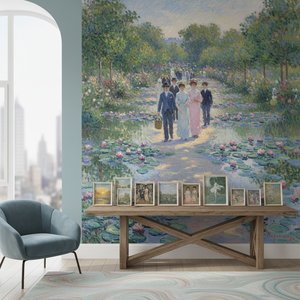
Top 10 arcydzieł impresjonizmu, które zmieniły sztukę | OriginalUniqueArt.com
Odkryj 10 arcydzieł impresjonizmu od Moneta, Renoir'a i Degasa! Poznaj historię tych ikonicznych obrazów, techniki malarskie i inspiracje. Reprodukcje najwyższej jakości na OriginalUniqueArt.com – idealne do Twojego wnętrza. Eksploruj kolekcję online!
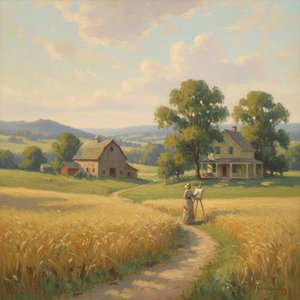
Arthur Stockdale Cope: A Study in American Impressionism & Rural Life's Poetics
Explore the life & work of Arthur Stockdale Cope, a prominent British portraitist influenced by American Impressionism. Discover his captivating rural landscapes and royal commissions at OriginalUniqueArt.

Paul Cézanne: 25 Arcydzieł, które Zrewolucjonizowały Świat Sztuki | OriginalUniqueArt
Odkryj 25 arcydzieł Paula Cézanne'a – od impresjonizmu po postimpresjonizm. Poznaj historie, techniki i inspiracje malarza, który zrewolucjonizował sztukę. Reprodukcje obrazów najwyższej jakości na OriginalUniqueArt.com!

Poza Światłem i Kolorem: Impresjonizm a Postimpresjonizm dla Wymagającego Kolekcjonera
Poznaj subtelne różnice między impresjonizmem a postimpresjonizmem. Ekspercka analiza dla wymagających kolekcjonerów sztuki. Inwestycje, historia i wartość dzieł.

