- Strona główna

- Reprodukcja obrazu olejnego
- Artemisia Gentileschi
- Birth of St John the Baptist
 Zamów wydruk Kup cyfrowy obraz
 Udostępnij
 Udostępnij
 Szczegóły dzieła
 Dodaj do ulubionych

 Pobierz
 Podobne obiekty
 RTG
RTG
 Pokaz slajdów
Birth of St John the Baptist
 Acrylic On Canvas
- WallArt
- Baroque Painting
 1635
1635 184.0 x 258.0 cm
 Muzeum Prado
 Rozwiń treść
Ręcznie malowana reprodukcja olejowa
Ręcznie malowany olej na płótnie w Twoim wymiarze i ramie, tworzony na zamówienie przez naszych artystów.




P118B $10

P118H $10

P118W $10

P438Z $10

P508JH $12

P508YH $12

P805H $10

P805Z $10

P919BZ $10

P919G $10

P919XJ $10

P959ZH $10

P968JZ $12

W106C $8

W218G $10

W218JH $8

W218Y $10

W307PJ $10

W316G $10

W316PJ $8

W316Y $10

W398PJ $8

W4111J $10

W500HY $15

W500JH $15

W692G $12

W849H $8

W940BG $15

W953PJ $8




Wybierz spośród naszych predefiniowanych rozmiarów, które zachowują oryginalne proporcje dzieła sztuki.

Możesz wprowadzić własne wymiary, aby dopasować obraz do konkretnej ramy lub przestrzeni. Jeśli wybrany rozmiar nie będzie odpowiadał proporcjom oryginału, przytniecie dzieło sztuki lub rozszerzymy je o dodatkowe elementy, ręcznie domalowane przez artystę. Przed rozpoczęciem produkcji wyślemy projekt cyfrowy do Twojej akceptacji.
Należy pamiętać, że podgląd na ekranie nie odzwierciedla rzeczywistego przycinania ani rozszerzania obrazu. Tylko projekt dokładnie pokaże ostateczną kompozycję.
Choć oferujemy możliwość zamówienia niestandardowych rozmiarów, zalecamy wybór wymiaru z gotowej listy, aby zachować oryginalne proporcje dzieła.
Po złożeniu zamówienia zespół OriginalUniqueArt.com skontaktuje się z klientem drogą mailową w celu uzyskania instrukcji i prześle wizualizację projektu
Dostawa na całym świecie () w ciągu 3/4 tygodni zamiast standardowych 5 tygodni. (16 Lipiec). Bez kompromisów w kwestii jakości.

Bezpłatna ekspresowa wysyłka na cały świat

Wysokiej jakości płótno lniane

Pełne ubezpieczenie przesyłki

Gwarancja zwrotu należności celnych

Gwarancja pełnego zgodności kolorystycznej

Polityka 60-dniowego zwrotu (tylko w przypadku wad)

Gwarancja 100% zwrotu pieniędzy

Zniżka przy większych zamówieniach
 Opcja szkła jest dostępna wyłącznie w rozmiarach poniżej 110 cm

Birth of St John the Baptist
Technika reprodukcji
Wymiary reprodukcji
-


Cena całkowita
-
Opis dzieła
The Birth of St John the Baptist: A Baroque Masterpiece Illuminated by Caravaggio’s Shadow
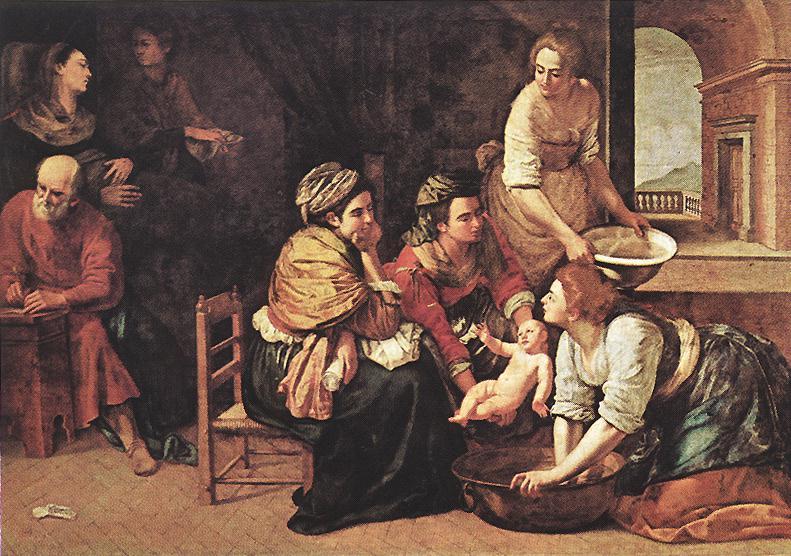
Artemisia Gentileschi’s *The Birth of Saint John the Baptist*, completed in 1635, stands as a monumental achievement within the Baroque artistic landscape—a testament to female artistry during an era rife with societal constraints. Hanging proudly at the Museo Nacional Del Prado in Madrid, this canvas transcends mere depiction; it embodies a profound exploration of faith, femininity, and dramatic visual storytelling.
- Subject Matter: The painting portrays the pivotal moment of John the Baptist’s birth—a scene steeped in biblical narrative and imbued with spiritual significance. Gentileschi meticulously captures the raw emotion of childbirth alongside the solemn reverence of onlookers, creating a tableau that speaks volumes about human experience and divine grace.
- Style & Technique: Gentileschi's distinctive style is unmistakably Caravaggioesque—characterized by tenebrismo, or dramatic chiaroscuro. The artist skillfully employs stark contrasts between light and dark to heighten the emotional intensity of the scene, directing the viewer’s gaze towards the central figure of Mary Magdalene, illuminated by a radiant glow that symbolizes divine compassion.
- Historical Context: Painted during the Counter-Reformation, *The Birth of Saint John the Baptist* reflects the Catholic Church's fervent desire for art to inspire piety and convey moral lessons. Gentileschi’s work aligns perfectly with this artistic impulse, demonstrating her mastery of portraying biblical subjects with psychological depth and emotional realism.
Symbolism permeates every element of the composition. The chair positioned on the left side represents stability and contemplation—a deliberate choice mirroring Mary Magdalene's posture as she awaits the miraculous event. Similarly, the bowl symbolizes nourishment and care—underscoring the nurturing role assumed by women within the religious sphere. Gentileschi’s masterful use of color contributes to the overall atmosphere of solemn beauty.
More than just a visual representation, *The Birth of Saint John the Baptist* resonates with an enduring emotional impact. The palpable tension between Mary Magdalene's agony and anticipation—coupled with the expressions of compassion on the faces of the surrounding figures—captures the essence of human vulnerability and spiritual yearning. Gentileschi’s ability to convey such profound emotion solidified her reputation as one of the foremost Baroque painters, securing her legacy as a trailblazing artist who defied convention and championed artistic excellence.
- Material: Oil on Canvas
- Dimensions: 184 x 258 cm
- Location: Museo Nacional Del Prado, Madrid
Biografia artysty
A Daughter of Rome: The Life and Art of Artemisia Gentileschi
Artemisia Gentileschi’s name echoes through the halls of art history, resonating not simply as that of a painter, but as an emblem of resilience, defiance, and extraordinary artistic talent in a world determined to silence female voices. Born in Rome in 1593, she entered a milieu steeped in artistry—her father, Orazio Gentileschi, was a respected painter deeply influenced by the revolutionary realism of Caravaggio. From her earliest years, Artemisia’s gift was undeniable, nurtured within her father's workshop where she absorbed techniques of composition and the dramatic use of light and shadow that would become hallmarks of her distinctive style. This formative training wasn’t merely about mastering brushstrokes; it was an immersion into a world of artistic ambition, one typically closed to women. Recognizing his daughter’s exceptional talent, Orazio provided opportunities unavailable to most females of the era, allowing her to study from life models—a crucial step in developing anatomical accuracy and expressive power.Shadows and Strength: Artistic Development
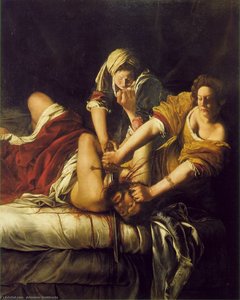
Gentileschi's artistic development was profoundly shaped by Caravaggio’s tenebrism—the stark contrast between light and darkness that imbued his paintings with an intense emotionality. Yet, she didn’t simply mimic her father or Caravaggio; she forged her own unique voice, characterized by a raw psychological depth and a compelling focus on female subjects often depicted with unprecedented agency and strength. Even in her early works, like *Susanna and the Elders* (1610), a biblical scene depicting Susanna being spied upon by two lecherous old men, Artemisia’s interpretation diverges from traditional portrayals. Here, Susanna isn't passively vulnerable; she displays a quiet dignity and resistance, foreshadowing the powerful female figures that would dominate her later oeuvre. But it is *Judith Slaying Holofernes* (existing in multiple versions between 1614-1620) that cemented her reputation as a master of dramatic narrative and psychological realism. The painting isn’t merely a depiction of violence; it's an exploration of courage, determination, and the righteous fury of a woman defending her people. The visceral intensity, the unflinching portrayal of the act itself, shocked and captivated audiences then—and continues to do so today. Other notable works like *Judith and her Maidservant* (1625) and *Danaë* (c. 1636-1639) further demonstrate her evolving style, showcasing both vulnerability and power in her female protagonists. Her ability to render flesh with such realism, combined with a masterful use of chiaroscuro, created scenes that were both terrifying and deeply moving.A Trial by Fire: Trauma and Triumph
Artemisia’s life was irrevocably altered by a horrific event: her rape at the hands of Agostino Tassi, a fellow painter and colleague of her father. The ensuing trial (1611-1612) became a public spectacle, subjecting Artemisia to grueling questioning and societal scrutiny. While she bravely testified against Tassi, the proceedings were marred by bias and attempts to discredit her character. This trauma profoundly impacted her life and art, imbuing her work with an emotional intensity that some scholars believe is directly linked to her personal experiences. The trial itself became a symbol of the challenges faced by women seeking justice in a patriarchal society. Despite this ordeal, Artemisia refused to be defined by it. She continued to paint, moving between Rome, Florence, and Naples, establishing herself as a successful artist in her own right. In 1616, she achieved another milestone: becoming the first woman admitted to the Accademia di Arte del Disegno in Florence—a testament to her talent and perseverance. This achievement was not merely symbolic; it opened doors for future generations of female artists.Key Works
- Judith Slaying Holofernes (1614-1620): Perhaps her most famous work, showcasing dramatic realism and female empowerment.
- Susanna and the Elders (1610): An early masterpiece demonstrating her unique interpretation of a classic biblical scene.
- Judith and Her Maidservant (1625): A compelling portrayal of female solidarity and strength after a violent act.
- Danaë (c. 1636-1639): A sensual and psychologically complex depiction of the mythological figure.
Legacy of a Pioneer
Artemisia Gentileschi’s career spanned decades, marked by both artistic innovation and personal resilience. She worked for prominent patrons, including the Medici family, and established a thriving workshop, proving that women could not only excel as artists but also succeed in a traditionally male-dominated profession. For centuries, her work was often overshadowed by the circumstances of her life, viewed through the lens of scandal rather than artistic merit. However, beginning in the 20th century, there has been a significant reevaluation of her art, recognizing her as one of the most important and innovative painters of the Baroque period. Her paintings are now celebrated for their emotional depth, dramatic realism, and powerful depictions of women—not as passive objects but as active agents in their own narratives. Artemisia Gentileschi is more than just an artist; she’s a feminist icon, a trailblazer who defied societal expectations and left behind a legacy that continues to inspire generations. Her story serves as a potent reminder of the importance of recognizing and celebrating the contributions of women throughout history—and of ensuring that their voices are never silenced again. She painted not just with her hands, but with her soul, leaving an indelible mark on the world of art.
Artemisia Gentileschi
1593 - 1656 , Włochy
Kluczowe informacje
- Artistic Movement Or Style: Barokowa
- Artists Or Movements Influenced By This Artist:
- Feminist art
- Barocco
- Artists Who Influenced This Artist:
- Caravaggio
- Orazio
- Date Of Birth: 1593
- Date Of Death: 1656
- Full Name: Artemisia Gentileschi
- Nationality: Włoska
- Notable Artworks:
- Judyta
- Susanna
- Danae
- Place Of Birth: Rzym, Italia