

 Zobacz w skali 1:1
 Wyślij
 Udostępnij
 Szczegóły
 Przewodnik

 Pobierz plik obrazu
 Podobne obiekty
 RTG
RTG Pokaz slajdów
 Statystyki
Landscape
 Oil On Canvas
- WallArt
- Expressionist Landscape
 1910
1910- 19th Century
 50.0 x 37.0 cm
 Arnold Schönberg Center
 Czytaj więcej
Giclée / Wydruk artystyczny
Wydruki giclée lub płótna o jakości muzealnej, szybka realizacja i szeroki wybór opcji wykończenia. ( Kup ręcznie malowany obraz Przełącz na wersję cyfrową)




P118B zł10

P118H zł10

P118W zł10

P438Z zł10

P508JH zł12

P508YH zł12

P805H zł10

P805Z zł10

P919BZ zł10

P919G zł10

P919XJ zł10

P959ZH zł10

P968JZ zł12

W106C zł8

W218G zł10

W218JH zł8

W218Y zł10

W307PJ zł10

W316G zł10

W316PJ zł8

W316Y zł10

W398PJ zł8

W4111J zł10

W500HY zł15

W500JH zł15

W692G zł12

W849H zł8

W940BG zł15

W953PJ zł8




Wybierz spośród naszych standardowych rozmiarów, które zachowują oryginalne proporcje dzieła sztuki.

Wpisz wymaganą szerokość i wysokość, aby dopasować grafikę do ramy lub ściany. Wydruk można jedynie przyciąć, nigdy nie powiększając go poza oryginalny obraz, dlatego format o innym proporcji spowoduje utratę części kompozycji. Przed rozpoczęciem druku prześlemy Ci cyfrowy podgląd do zatwierdzenia. Obraz wyświetlany na tej stronie nie pokazuje rzeczywistego przycięcia — jedynie podgląd oddaje ten efekt.
Dostawa na cały świat () w ciągu 2 tygodni zamiast standardowych 4/5 tygodni. (23 Październik)

Bezpłatna ekspresowa wysyłka na cały świat

Wysokiej jakości płótno lniane

Pełne ubezpieczenie transportowe

Gwarancja zwrotu należności celnych i podatków importowych

Gwarancja idealnego odwzorowania barw

100-dniowy okres na zwrot dzieła w przypadku wykrycia wad produkcyjnych

Gwarancja 100% zwrotu pieniędzy

Oferta przy zakupie wielu sztuk
 Opcja ze szkłem jest dostępna wyłącznie w rozmiarach poniżej 110 cm

Landscape
Giclée / Wydruk artystyczny
Rozmiar reprodukcji
-


Suma do zapłaty
zł 307
A Moment of Serene Reflection: Arnold Schönberg’s “Landscape” (1910)
Arnold Schönberg's "Landscape," painted in 1910, is more than just a depiction of a tranquil scene; it’s a profound meditation on the relationship between nature and artistic expression. Executed in oil on canvas with a characteristic Impressionistic touch, this work embodies Schönberg’s exploration of two distinct modes of creation – those meticulously rendered to mirror reality and those born from intuitive “Visions.” The painting invites us into a world where the boundaries between observation and feeling blur, revealing a deeply personal response to the natural world.
- Style & Technique: The artwork’s style is best described as a synthesis of Impressionism and nascent Expressionism. Schönberg employs loose, gestural brushstrokes – particularly evident in the textured expanse of the grassy foreground – to capture not just the visual appearance but also the atmosphere and emotional resonance of the landscape. This technique creates a palpable sense of movement and depth, drawing the viewer into the scene.
- Color Palette & Composition: The subdued color palette—greens, browns, grays, and muted blues—contributes significantly to the painting’s tranquil mood. Horizontal lines dominate the composition, mirroring the water and horizon, while vertical elements introduced by the trees provide a subtle counterpoint. This balanced arrangement fosters a sense of stability and serenity.
Decoding the Vision: Symbolism and Interpretation
"Landscape" is not simply a picturesque view; it’s a carefully constructed representation reflecting Schönberg's artistic philosophy. The emphasis on natural forms, particularly the water, grassy hills, and trees, aligns with his belief in paintings drawn “perfectly to nature.” However, the loose brushwork and atmospheric effects suggest an underlying current of intuition – the "Visions" that he considered equally valid sources of inspiration. The muted color palette evokes a sense of timelessness and spiritual contemplation, inviting viewers to connect with the inherent beauty and restorative power of the natural world.
- Symbolic Elements: The landscape itself can be interpreted as a symbol of inner peace and tranquility. The flowing water represents fluidity and transformation, while the trees embody strength and resilience. These elements combine to create a harmonious whole that speaks to the soul.
- Historical Context: Created in 1910, this work reflects Schönberg’s engagement with the burgeoning artistic movements of his time – Impressionism's focus on capturing fleeting moments and Expressionism’s exploration of subjective emotion. It represents a pivotal moment in his artistic development, foreshadowing his later innovations in atonality.
Craftsmanship & Reproduction
This meticulously crafted reproduction captures the essence of Schönberg’s original vision with exceptional fidelity. Executed on high-quality canvas using archival pigments, this hand-painted reproduction offers a stunning representation of “Landscape.” The textured brushstrokes and nuanced color palette are faithfully reproduced, ensuring that you experience the artwork's full emotional impact. The dimensions of 50 x 37 cm make it suitable for a wide range of interior spaces, from formal living rooms to contemplative study areas.
- Size: 50 x 37 cm
- Date: 1910
- Artist: arnold schoenberg
A Timeless Masterpiece for Your Collection
"Landscape" by Arnold Schönberg is a testament to the power of art to capture not just what we see, but also what we feel. This exceptional reproduction offers an opportunity to bring this iconic work into your home or office, adding a touch of timeless beauty and intellectual depth to your surroundings. It’s more than just a painting; it's an invitation to contemplate the profound connection between nature, art, and the human spirit.
Pytania i odpowiedzi
Jaki jest format dzieła "Landscape"?
„Landscape” autorstwa Arnold Schönberg to kompozycja w formacie Landscape. Warto sprawdzić proporcje przed wyborem rozmiaru wydruku.
Ile światła zdają się odbijać kolory dzieła "Landscape"?
Jasność zarejestrowana dla „Landscape” autorstwa Arnold Schönberg wynosi Soft Shadow.
Jakie pochodzenie narodowe stoi za Expressionist Landscape dzieła "Landscape"?
Dzieło z nurtu Expressionist Landscape, zatytułowane "Landscape", zostało stworzone przez artystę urodzonego w Austria.
Biografia artysty
wczesne lata i muzyczne początki
arnold schoenberg, austriacko-amerykański kompozytor, urodził się 13 września 1874 roku w Wiedniu. Jego wczesne lata upłynęły w skromnych warunkach, gdyż jego ojciec był właścicielem sklepu obuwniczego. Mimo to, wrodzona pasja do muzyki sprawiła, że Schoenberg w dużej mierze samodzielnie kształtował swoje wykształcenie w tej dziedzinie.ewolucja muzyczna i znaczące dzieła
Wczesne prace Schoenberga, takie jak verklärte nacht (1899), prezentowały syntezę stylu brahmsowskiego i wagnerowskiego. W miarę postępów artystycznych stał się on centralną postacią drugiej szkoły wiedeńskiej, występując u boku antona weberna oraz albana berga. Jego kompozycje, w tym kwartet smyczkowy nr 2 (1907–1908), erwartung (1909) oraz pierrot lunaire (1912), stanowiły przykład jego nowatorskiego podejścia do atonalności.późniejsze życie, nauczanie i emigracja
W 1933 roku Schoenberg zrezygnował z członkostwa w pruskiej akademii sztuk wskutek dojścia nazistów do władzy, którzy uznali jego muzykę za „zdegenerowaną”. Następnie wykładał w USA, m.in. na Uniwersytecie Kalifornijskim w Los Angeles (1936–1944), gdzie obiekty uczelni zostały nazwane jego imieniem na jego cześć. [https://OriginalUniqueArt.com/@/arnold-schoenberg](odkryj więcej o życiu i twórczości Schoenberga na OriginalUniqueArt).- Schoenberg zgłębiał muzykę filmową i pisał bardziej tonalną muzykę, kończąc swoją symfonię kameralną nr 2 w 1939 roku.
- W ode to napoleon (1942), inspirowanej Byronem, wyśmiewał faszystowskich tyranów.
- Powojenna Wiedeń przyznała mu honorowe obywatelstwo, lecz artysta zmagał się z chorobą, co odzwierciedla jego trio smyczkowe (1946).
dziedzictwo i wpływ
Gdy świat dowiedział się o Holokauście, Schoenberg upamiętnił jego ofiary w utworze a survivor from warsaw (1947). W 1951 roku Izraelska Konserwatoria i Akademia Muzyczna wybrała go na swojego honorowego prezydenta. [https://OriginalUniqueArt.com/@@/a@d3bqc7-the-museum-destroyed-by-fire-(united-states)](dowiedz się więcej o wpływie jego twórczości na OriginalUniqueArt). kluczowe punkty:- Innowacyjna muzyka Schoenberga należała do najbardziej wpływowych i budzących kontrowersje w muzyce klasycznej XX wieku.
- Przynajmniej trzy pokolenia kompozytorów rozwijało jej sformalizowane zasady.
- Jego estetyka i historyczno-muzyczne poglądy wpłynęły na muzykologów, takich jak Theodor W. Adorno i Carl Dahlhaus.

Arnold Schönberg
1874 - 1951 , Austria
Najważniejsze informacje
- Artistic Movement Or Style: Technika dodekafoniczna; Ekspresjonizm
- Artists Or Movements Influenced By This Artist:
- Anton Webern
- Alban Berg
- Artists Who Influenced This Artist:
- Johannes Brahms
- Richard Wagner
- Date Of Birth: 13 września 1874
- Date Of Death: 1951
- Full Name: Arnold Schoenberg
- Nationality: Austro-Amerykanin
- Notable Artworks:
- Suita op. 29
- Maszyna do pisania muzyczna
- Staffliner
- Place Of Birth: Wiedeń, Austria
Zobacz także powiązane artykuły

10 Arcydzieł Impresjonizmu Krajobrazowego, Które Zdefiniowały Sztukę
Odkryj 10 arcydzieł impresjonizmu krajobrazowego! Poznaj historie Moneta, Renoir'a i Van Gogha. Inspiracje wnętrzarskie, techniki malarskie i piękne reprodukcje obrazów na OriginalUniqueArt.com. Eksploruj kolekcję online!

Romantyczny Krajobraz w Malarstwie: 10 Arcydzieł, Które Zdefiniowały Epokę | OriginalUniqueArt.com
Odkryj 10 arcydzieł romantyzmu w malarstwie! Poznaj historie Caspara Davida Friedricha, Turnera i innych mistrzów. Inspiracje wnętrzarskie & reprodukcje obrazów najwyższej jakości na OriginalUniqueArt.com. Eksploruj kolekcję online!

Katsushika Hokusai: 25 Arcydzieł Sztuki Japońskiej dla Kolekcjonerów i Miłośników Dekoracji
Odkryj 25 arcydzieł Katsushika Hokusai, mistrza ukiyo-e! Poznaj historię Wielkiej Fali i innych ikonicznych drzeworytów. Inspiracje wnętrzarskie i reprodukcje obrazów najwyższej jakości na OriginalUniqueArt.com – sztuka japońska dla Twojego domu.
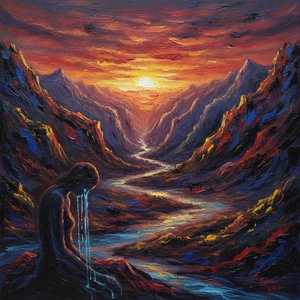
Capturing Emotion: A Journey Through the Soul of Expressionist Landscapes
Explore the profound emotional depth of Expressionist landscapes. Discover how Post-Impressionist masters moved beyond light to capture the soul through vibrant color and form. A curated journey for true art lovers seeking the beauty of expressive mastery.

10 Arcydzieł Impresjonizmu Krajobrazowego: Sztuka, Artyści i Dekoracje Wnetrz
Odkryj 10 arcydzieł impresjonizmu krajobrazowego! Poznaj historie Monet, Renoir i innych mistrzów. Inspiracje wnętrzarskie, techniki malarskie i reprodukcje obrazów najwyższej jakości na OriginalUniqueArt.com. Eksploruj pełną kolekcję online!


