
 Podgląd w skali 1:1
 Wyślij jako kartkę
 Udostępnij
 Szczegóły dzieła
 Przewodnik

 Pobierz obraz
 Podobne obiekty
 RTG
RTG Pokaz slajdów
 Statystyki
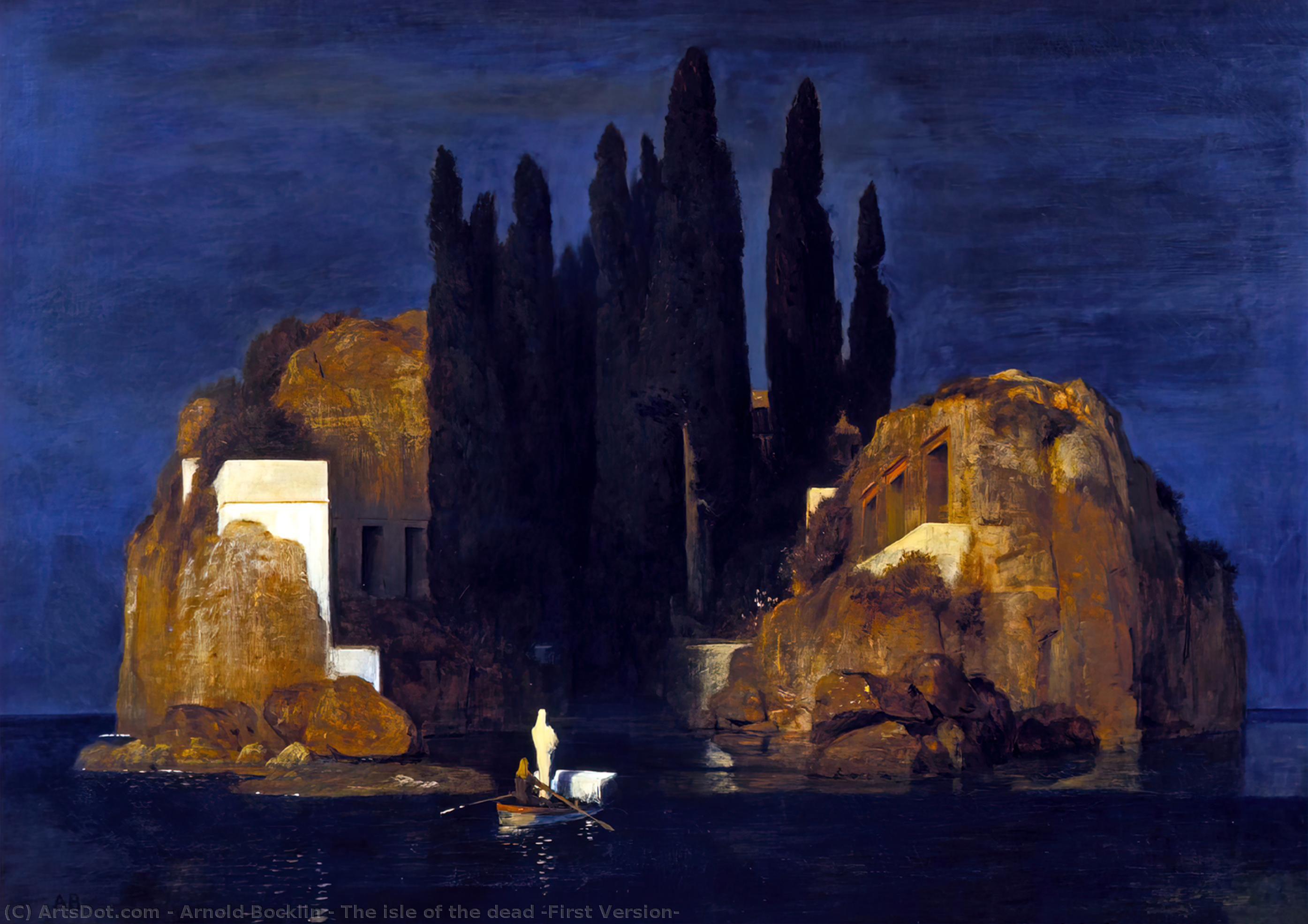
The isle of the dead (First Version)
 Oil On Canvas
- WallArt
- Symbolist Movement
 1880
1880- 19th Century
 111.0 x 155.0 cm
 Öffentliche Kunstsammlung Basel
 Rozwiń treść
Giclée / Wydruk artystyczny
Wydruki giclée lub płótna o jakości muzealnej, szybka realizacja i szeroki wybór opcji wykończenia. ( Zamów ręcznie malowaną reprodukcję Przejdź do wersji cyfrowej)




P118B zł10

P118H zł10

P118W zł10

P438Z zł10

P508JH zł12

P508YH zł12

P805H zł10

P805Z zł10

P919BZ zł10

P919G zł10

P919XJ zł10

P959ZH zł10

P968JZ zł12

W106C zł8

W218G zł10

W218JH zł8

W218Y zł10

W307PJ zł10

W316G zł10

W316PJ zł8

W316Y zł10

W398PJ zł8

W4111J zł10

W500HY zł15

W500JH zł15

W692G zł12

W849H zł8

W940BG zł15

W953PJ zł8




Wybierz spośród naszych standardowych rozmiarów, które zachowują oryginalne proporcje dzieła sztuki.

Wpisz wymaganą szerokość i wysokość, aby dopasować grafikę do ramy lub ściany. Wydruk można jedynie przyciąć, nigdy nie powiększając go poza oryginalny obraz, dlatego format o innych proporcjach spowoduje utratę części kompozycji. Przed rozpoczęciem druku prześlemy Ci cyfrowy podgląd do zatwierdzenia. Obraz wyświetlany na tej stronie nie pokazuje rzeczywistego przycięcia — jedynie podgląd oddaje ten efekt.
Dostawa na cały świat () w ciągu 2 tygodni zamiast standardowych 4/5 tygodni. (28 Październik)

Bezpłatna ekspresowa wysyłka na cały świat

Wysokiej jakości płótno lniane

Pełne ubezpieczenie przesyłki

Gwarancja zwrotu należności celnych i podatków importowych

Gwarancja wiernego odwzorowania kolorów

100-dniowa polityka zwrotów (tylko w przypadku wad)

Gwarancja 100% zwrotu pieniędzy

Zniżka przy zakupie wielu sztuk
 Opcja ze szkłem jest dostępna wyłącznie w rozmiarach poniżej 110 cm

The isle of the dead (First Version)
Giclée / Wydruk artystyczny
Wymiary reprodukcji
-


Cena całkowita
zł 307
A Journey into the Sublime: The Enigmatic World of Böcklin
In the quiet, shadowed corridors of art history, few images possess the haunting magnetism of Arnold Böcklin’s The Isle of the Dead (First Version). Completed in the early 1880s, this masterpiece serves as a profound gateway into the Symbolist movement, where the artist’s brush seeks not to mirror reality, but to evoke the intangible whispers of the soul. As one gazes upon this monumental canvas, they are immediately transported to a realm of profound stillness and spectral beauty. The scene is dominated by a desolate, rocky islet, rising sharply from dark, turbulent waters like a monument to the eternal. Towering cypress trees, those ancient sentinels of mourning, pierce the heavy atmosphere, their dark silhouettes anchoring the composition in a state of perpetual twilight. It is an immersive experience that invites the viewer to step away from the clamor of the modern world and enter a space of deep, meditative contemplation.
The emotional resonance of the work lies in its masterful use of chiaroscuro—the dramatic interplay between light and shadow. Böcklin employs a meticulous oil painting technique, utilizing smooth gradations of color to create an atmospheric gloom that feels almost tactile. The water, dark and brooding, seems to swallow the light, while the starkness of the rocks provides a sense of unyielding permanence. This technical precision allows for a palpable sense of mystery; every ripple in the water and every shadow cast by the cypress trees contributes to a narrative of solitude and transition. For the collector or interior designer, this painting offers more than mere decoration; it provides a focal point of immense gravity, capable of anchoring a room with its somber elegance and sophisticated depth.
Symbolism and the Voyage of the Soul
Beyond its striking aesthetic, the painting is a rich tapestry of mythological and folkloric references. The lone rowing boat, approaching the shore with a shrouded figure at its helm, serves as a powerful metaphor for the final journey of the deceased. Scholars often draw parallels to the classical myth of Charon, the ferryman of Hades, suggesting that this islet is a destination within the underworld itself. This interpretation imbues the work with a universal weight, touching upon the shared human experience of mortality and the mystery of what lies beyond the veil. The cypress trees, traditionally associated with cemeteries and grief, reinforce this theme of remembrance and the cyclical nature of life and death.
Böcklin himself remained famously elusive regarding his specific intentions, allowing the painting to remain an open vessel for individual interpretation. This ambiguity is precisely what gives the work its enduring power; it is a mirror for the viewer's own emotions, whether they find peace in its stillness or trepidation in its shadows. To possess a high-quality reproduction of this work is to invite a piece of the sublime into one's personal space—a constant reminder of the beauty found in the ephemeral and the profound strength found in silence. It is an ideal acquisition for those who appreciate art that challenges the intellect while deeply stirring the heart.
Pytania i odpowiedzi
Jaki nastrój oddaje dzieło "The isle of the dead (First Version)" należące do nurtu Symbolist Movement?
Melancholic emocja dzieła „The isle of the dead (First Version)” współgra z jego stylem Symbolist Movement.
Do jakiego nurtu i epoki zalicza się „The isle of the dead (First Version)” – Arnold Böcklin?
W „The isle of the dead (First Version)” – Arnold Böcklin nurt Symbolist Movement łączy się z epoką – Wiek XIX.
Jaka jest luminancja dzieła „The isle of the dead (First Version)” – Arnold Böcklin?
Jasność zarejestrowana dla „The isle of the dead (First Version)” – Arnold Böcklin wynosi Dark.
Biografia artysty
early life and training
Arnold Böcklin, a name synonymous with haunting beauty and melancholic symbolism, was born on October 16, 1827, in Basel, Switzerland—a city that would profoundly shape his artistic vision. His lineage traced back to an old family of Schaffhausen, distinguished by its involvement in the silk trade, while his mother, Ursula Lippe, hailed from the same vibrant city. Böcklin’s early years were marked by a rigorous academic training at the Düsseldorf Academy, where he studied under the esteemed Julius Wilhelm Schirmer. This period proved pivotal, forging a connection with Anselm Feuerbach and firmly establishing him within the circle of the Düsseldorf School of Painting—a movement known for its dramatic realism and exploration of psychological themes. The influence of this school is evident in Böcklin’s early works, characterized by a somber palette and an intense focus on capturing mood and atmosphere. His travels during his studies exposed him to diverse artistic traditions, particularly in Brussels, Antwerp, and Genoa, where he honed his skills under the guidance of Angelo Calame, absorbing elements of Italian landscape painting and classical antiquity. These formative experiences laid the groundwork for Böcklin’s unique approach to art—one that would later become deeply intertwined with themes of death, dreams, and the mystical.artistic career and symbolism
Böcklin's artistic journey extended far beyond the confines of Düsseldorf, leading him through the vibrant cities of Paris and Rome, each leaving an indelible mark on his creative development. In Paris, he found employment at the Louvre, immersing himself in the masterpieces of the Old Masters and gaining invaluable insights into composition and technique. His time in Rome proved particularly transformative, exposing him to the grandeur of ancient ruins and fostering a fascination with classical mythology—a theme that would recur frequently throughout his oeuvre. Böcklin’s artistic style evolved significantly during this period, moving away from the stark realism of the Düsseldorf School towards a more evocative and symbolic approach. He began to explore allegorical and mythological figures within carefully constructed settings featuring classical architecture, creating works that resonated with a profound sense of mystery and introspection. Notable early examples include *Great Park* (1857), which depicted ancient mythology in a dreamlike landscape, and the hauntingly beautiful *Nymph and Satyr* (1858) and *Sappho* (1859)—paintings that showcased his burgeoning talent for capturing emotion and atmosphere. A particularly striking example of this period is *Portrait of Myself, with Death Playing a Violin* (1872), a deeply personal work that explored the themes of mortality and artistic creation—a recurring motif in Böcklin’s art.the isle of the dead and legacy
Perhaps the most enduring testament to Böcklin's artistic vision is his five versions of *The Isle of the Dead* (1880-1886). Inspired by the English Cemetery in Florence—where his daughter was buried—these monumental paintings became instantly iconic, capturing the essence of loss, remembrance, and the passage of time. The series evokes a profound sense of melancholy and mystery, utilizing a muted color palette, atmospheric perspective, and carefully arranged figures to create an unforgettable visual experience. Böcklin’s *Isle of the Dead* profoundly influenced a generation of artists, including Hans Thoma, who sought to capture similar moods and themes in their own work. Clement Greenberg famously described Böcklin's work as "one of the most consummate expressions" of its time, recognizing its profound impact on the development of Symbolism and its subsequent influence on 20th-century art movements such as Surrealism. Böcklin’s style resonated with the Pre-Raphaelites, sharing their fascination with dreams, mysticism, and the darker aspects of human experience—a shared sensibility that cemented his place within the broader artistic landscape of the late 19th century.museums and collections
Arnold Böcklin's works are cherished by museums across Europe, offering visitors a chance to encounter the depth and complexity of his artistic vision. Key locations where you can find his paintings include:- Öffentliche Kunstsammlung (Basel, Switzerland)
- Kunstmuseum Basel (Switzerland)
- Museum Kunsthaus Zürich (Zürich, Switzerland)
conclusion
Arnold Böcklin remains a pivotal figure in the history of Symbolism, renowned for his evocative landscapes, haunting allegories, and profound exploration of mortality. His work continues to captivate audiences with its dreamlike quality and emotional resonance, solidifying his legacy as one of the most influential artists of the late 19th century. His art serves as a poignant reminder of the beauty that can be found even in darkness—a testament to the enduring power of the human spirit and the mysteries of existence.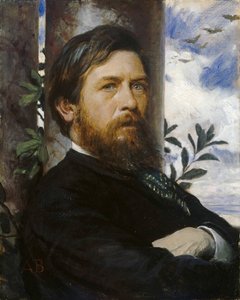
Arnold Böcklin
1827 - 1901 , Szwajcaria
Krótka nota
- Artistic Movement Or Style: Symbolizm
- Artists Or Movements Influenced By This Artist:
- Hans Thoma
- Prerafaeliści
- Artists Who Influenced This Artist:
- Schirmer
- Feuerbach
- Date Of Birth: 16 października 1827
- Date Of Death: 16 stycznia 1901
- Full Name: Arnold Böcklin
- Nationality: Szwajcarski
- Notable Artworks:
- Wyspa umarłych
- Nymph i Satyr
- Sappho
- Portret samego siebie
- Place Of Birth: Bazylea, Szwajcaria
Powiązane artykuły
Top 10 Arcydzieł Symbolizmu: Sztuka Pełna Tajemnic i Emocji | OriginalUniqueArt
Odkryj 10 arcydzieł symbolizmu! Poznaj historie Gustave’a Moreau, Odilona Redona i innych mistrzów tego emocjonalnego nurtu. Reprodukcje obrazów najwyższej jakości na OriginalUniqueArt.com – inspiracje do wnętrz i sztuka pełna tajemnic.

Echa Nieobecności: Żałoba i Straty w Sztuce na Przestrzeni Wieków
Odkryj uniwersalny motyw śmierci w sztuce na przestrzeni wieków! Analiza symboliki, alegorii i emocji wyrażanych przez artystów od średniowiecza po współczesność. Ekspercka analiza dla miłośników historii sztuki.
Iconic Art of the 18th & 19th Centuries: Masterpieces for Your Home | OriginalUniqueArt
Journey through 18th & 19th century art! Explore iconic masterpieces by Monet, Van Gogh & more. Discover the stories behind these timeless paintings and find museum-quality reproductions for your home at OriginalUniqueArt.com.
Hieronymus Bosch: 25 Arcydzieł Mistrza Niderlandzkiego Renesansu | OriginalUniqueArt
Odkryj 25 arcydzieł Hieronymusa Boscha – mistrza niderlandzkiego renesansu! Poznaj fascynujące historie, symbolikę i techniki malarskie tego niezwykłego artysty. Reprodukcje obrazów najwyższej jakości na OriginalUniqueArt.com. Eksploruj pełną kolekcję online!
Thomas Barker of Bath: Landscape Painting & Societal Reflection in Early 19th-Century England
Explore the life & work of Thomas Barker of Bath, a key figure in 19th-century English Romanticism. Discover his Parisian success, iconic paintings like 'The Bride of Death', and lasting artistic legacy. Learn more at OriginalUniqueArt.
