

 Zobacz w skali 1:1
 Wyślij
 Udostępnij
 Szczegóły
 Przewodnik

 Pobierz plik obrazu
 Podobne obiekty
 RTG
RTG Pokaz slajdów
 Statystyki
Pont dans un paysage de montagne


 Czytaj więcej
Giclée / Wydruk artystyczny
Wydruki giclée lub płótna o jakości muzealnej, szybka realizacja i szeroki wybór opcji wykończenia. ( Kup ręcznie malowany obraz Przełącz na wersję cyfrową)




P118B $10

P118H $10

P118W $10

P438Z $10

P508JH $12

P508YH $12

P805H $10

P805Z $10

P919BZ $10

P919G $10

P919XJ $10

P959ZH $10

P968JZ $12

W106C $8

W218G $10

W218JH $8

W218Y $10

W307PJ $10

W316G $10

W316PJ $8

W316Y $10

W398PJ $8

W4111J $10

W500HY $15

W500JH $15

W692G $12

W849H $8

W940BG $15

W953PJ $8




Wybierz spośród naszych standardowych rozmiarów, które zachowują oryginalne proporcje dzieła sztuki.

Możesz wprowadzić własne wymiary, aby dopasować dzieło do konkretnej ramy lub przestrzeni. Jeśli wybrany rozmiar nie będzie odpowiadał proporcjom oryginalnego obrazu, przytniecie dzieło lub rozszerzymy obraz za pomocą odbicia lustrzanego lub jednolitego wypełnienia krawędzi. Przed rozpoczęciem produkcji prześlemy cyfrową wizualizację do Twojej akceptacji.
Prosimy pamiętać, że podgląd na ekranie nie odzwierciedla faktycznego przycinania ani rozszerzania. Tylko wizualizacja dokładnie pokaże końcową kompozycję.
Mimo dostępności niestandardowych rozmiarów, zalecamy wybór wymiaru z listy zdefiniowanej, aby zachować oryginalne proporcje.
Dostawa na cały świat () w ciągu 2 tygodni zamiast standardowych 4/5 tygodni. (25 Wrzesień)

Bezpłatna ekspresowa wysyłka na cały świat

Wysokiej jakości płótno lniane

Pełne ubezpieczenie transportowe

Gwarancja zwrotu należności celnych i podatków importowych

Gwarancja idealnego odwzorowania barw

100-dniowy okres na zwrot dzieła w przypadku wykrycia wad produkcyjnych

Gwarancja 100% zwrotu pieniędzy

Oferta przy zakupie wielu sztuk
 Opcja ze szkłem jest dostępna wyłącznie w rozmiarach poniżej 110 cm

Pont dans un paysage de montagne
Giclée / Wydruk artystyczny
Rozmiar reprodukcji
-


Suma do zapłaty
$ 80
A Journey Through Symbolism: Exploring Böcklin's Mountain Landscape
Arnold Böcklin’s Pont dans un paysage de montagne is not merely a depiction of stone and foliage; it is an invitation—a sublime passage into a realm where the tangible world dissolves into myth and profound contemplation. This masterpiece, steeped in the evocative atmosphere of Symbolism, immediately draws the viewer across its painted threshold. One gazes upon a bridge, elegantly spanning a valley carved by time, set against a backdrop of monumental, slumbering mountains. The air itself seems thick with unspoken narratives, beckoning us to slow our pace and simply absorb the breathtaking grandeur that Böcklin so masterfully captured on canvas.
The Composition: Nature's Grand Narrative
Observe how the composition guides the eye in a deliberate, almost ritualistic manner. The bridge acts as the primary visual anchor, a perfect point of transition leading the gaze deep into the heart of the scene. Flanking this passage is a forest, rendered with such lush vitality that the trees appear to reach upward, aspiring toward an unseen celestial canopy. In the distance, the majestic peaks rise—silent witnesses to ages untold, lending the entire vista an overwhelming sense of depth and timeless scale. Scattered throughout this verdant expanse are human figures; they are not merely placed within the landscape but seem integral to its very rhythm, suggesting journeys undertaken or perhaps moments paused in deep reflection.
Symbolism Woven into the Brushstrokes
To view this painting without considering its symbolic weight would be to miss half of Böcklin’s genius. The bridge itself is a potent symbol—a connection between disparate states of being, perhaps linking the known world to the subconscious, or life to eternity. The towering mountains embody the mysteries and formidable challenges inherent in the human condition, while the surrounding forest whispers promises of growth and cyclical renewal. Even the two distant birds, caught mid-flight against the azure sky, inject a fleeting note of pure, untamed freedom into this otherwise deeply contemplative tableau.
A Touch of Böcklin's Mystical Artistry
As a key figure in Symbolism, Böcklin specialized in blurring the lines between mythology and reality. His work often carries an air of dream logic, echoing themes of allegory and the sublime power of nature over human endeavor. When considering a reproduction of this piece for your home or studio, you are acquiring more than just decoration; you are curating an atmosphere. It is a piece that demands quiet contemplation, transforming any space it graces into a sanctuary—a place where one can pause amidst the clamor of modern life and reconnect with the enduring, picturesque beauty found at the edge of myth.
Biografia artysty
early life and training
Arnold Böcklin, a name synonymous with haunting beauty and melancholic symbolism, was born on October 16, 1827, in Basel, Switzerland—a city that would profoundly shape his artistic vision. His lineage traced back to an old family of Schaffhausen, distinguished by its involvement in the silk trade, while his mother, Ursula Lippe, hailed from the same vibrant city. Böcklin’s early years were marked by a rigorous academic training at the Düsseldorf Academy, where he studied under the esteemed Julius Wilhelm Schirmer. This period proved pivotal, forging a connection with Anselm Feuerbach and firmly establishing him within the circle of the Düsseldorf School of Painting—a movement known for its dramatic realism and exploration of psychological themes. The influence of this school is evident in Böcklin’s early works, characterized by a somber palette and an intense focus on capturing mood and atmosphere. His travels during his studies exposed him to diverse artistic traditions, particularly in Brussels, Antwerp, and Genoa, where he honed his skills under the guidance of Angelo Calame, absorbing elements of Italian landscape painting and classical antiquity. These formative experiences laid the groundwork for Böcklin’s unique approach to art—one that would later become deeply intertwined with themes of death, dreams, and the mystical.artistic career and symbolism
Böcklin's artistic journey extended far beyond the confines of Düsseldorf, leading him through the vibrant cities of Paris and Rome, each leaving an indelible mark on his creative development. In Paris, he found employment at the Louvre, immersing himself in the masterpieces of the Old Masters and gaining invaluable insights into composition and technique. His time in Rome proved particularly transformative, exposing him to the grandeur of ancient ruins and fostering a fascination with classical mythology—a theme that would recur frequently throughout his oeuvre. Böcklin’s artistic style evolved significantly during this period, moving away from the stark realism of the Düsseldorf School towards a more evocative and symbolic approach. He began to explore allegorical and mythological figures within carefully constructed settings featuring classical architecture, creating works that resonated with a profound sense of mystery and introspection. Notable early examples include *Great Park* (1857), which depicted ancient mythology in a dreamlike landscape, and the hauntingly beautiful *Nymph and Satyr* (1858) and *Sappho* (1859)—paintings that showcased his burgeoning talent for capturing emotion and atmosphere. A particularly striking example of this period is *Portrait of Myself, with Death Playing a Violin* (1872), a deeply personal work that explored the themes of mortality and artistic creation—a recurring motif in Böcklin’s art.the isle of the dead and legacy
Perhaps the most enduring testament to Böcklin's artistic vision is his five versions of *The Isle of the Dead* (1880-1886). Inspired by the English Cemetery in Florence—where his daughter was buried—these monumental paintings became instantly iconic, capturing the essence of loss, remembrance, and the passage of time. The series evokes a profound sense of melancholy and mystery, utilizing a muted color palette, atmospheric perspective, and carefully arranged figures to create an unforgettable visual experience. Böcklin’s *Isle of the Dead* profoundly influenced a generation of artists, including Hans Thoma, who sought to capture similar moods and themes in their own work. Clement Greenberg famously described Böcklin's work as "one of the most consummate expressions" of its time, recognizing its profound impact on the development of Symbolism and its subsequent influence on 20th-century art movements such as Surrealism. Böcklin’s style resonated with the Pre-Raphaelites, sharing their fascination with dreams, mysticism, and the darker aspects of human experience—a shared sensibility that cemented his place within the broader artistic landscape of the late 19th century.museums and collections
Arnold Böcklin's works are cherished by museums across Europe, offering visitors a chance to encounter the depth and complexity of his artistic vision. Key locations where you can find his paintings include:- Öffentliche Kunstsammlung (Basel, Switzerland)
- Kunstmuseum Basel (Switzerland)
- Museum Kunsthaus Zürich (Zürich, Switzerland)
conclusion
Arnold Böcklin remains a pivotal figure in the history of Symbolism, renowned for his evocative landscapes, haunting allegories, and profound exploration of mortality. His work continues to captivate audiences with its dreamlike quality and emotional resonance, solidifying his legacy as one of the most influential artists of the late 19th century. His art serves as a poignant reminder of the beauty that can be found even in darkness—a testament to the enduring power of the human spirit and the mysteries of existence.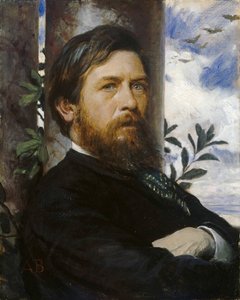
Arnold Böcklin
1827 - 1901 , Szwajcaria
Najważniejsze informacje
- Artistic Movement Or Style: Symbolizm
- Artists Or Movements Influenced By This Artist:
- Hans Thoma
- Prerafaeliści
- Artists Who Influenced This Artist:
- Schirmer
- Feuerbach
- Date Of Birth: 16 października 1827
- Date Of Death: 16 stycznia 1901
- Full Name: Arnold Böcklin
- Nationality: Szwajcarski
- Notable Artworks:
- Wyspa umarłych
- Nymph i Satyr
- Sappho
- Portret samego siebie
- Place Of Birth: Bazylea, Szwajcaria
Zobacz także powiązane artykuły
Odtwarzanie Sztuki: Przewodnik po Średnicach Reprodukcji – Olej, Płótno i Papier
Poznaj świat wysokiej jakości reprodukcji obrazów w ! Oferujemy wierne kopie arcydzieł, druki na płótnie i obrazy malowane ręcznie. Poradniki, personalizacja i gwarancja satysfakcji.

Echoes of Time: Exploring the Enduring Appeal & Historical Context of Vintage Art Prints
Explore the captivating world of vintage art prints! Discover their history, collecting tips & enduring appeal. Expert insights on chromolithography and building a legacy collection with OriginalUniqueArt.

Odbitki Giclée: Jakość Archiwalna i Estetyczne Niuanse dla Wymagającego Kolekcjonera
Poznaj sekrety druku giclée – technologii zapewniającej najwyższą jakość reprodukcji sztuki i trwałość archiwalaną. Poradnik dla wymagających kolekcjonerów o wyborze papieru, tuszy i profilach kolorystycznych.

Romantic Realism's Finest: 10 Masterpieces for Your Home | OriginalUniqueArt
Explore 10 defining masterpieces of Romantic Realism! Discover Courbet, Millet & Daumier's powerful paintings—capturing emotion and social realities. Find museum-quality reproductions for your home at OriginalUniqueArt.com.
Giclée Prints Explained: The Ultimate Guide to Museum-Quality Art Reproductions
Master the nuances of Giclée printing with our expert guide. Discover how pigment-based inks and museum-grade substrates create fade-resistant, high-fidelity art reproductions designed for discerning collectors seeking unparalleled quality and longevity.
