Menu
BEZPŁATNA KONSULTACJA ARTYSTYCZNA
PreviewPreview AR previewAR preview Switch to Print Switch to PrintSwitch to Image Switch to Image UdostępnijUdostępnij
Szczegóły dziełaSzczegóły dzieła Dodaj do ulubionych Dodaj do ulubionych PobierzPobierz Podobne obiektyPodobne obiekty RTGRTG Pokaz slajdówPokaz slajdów

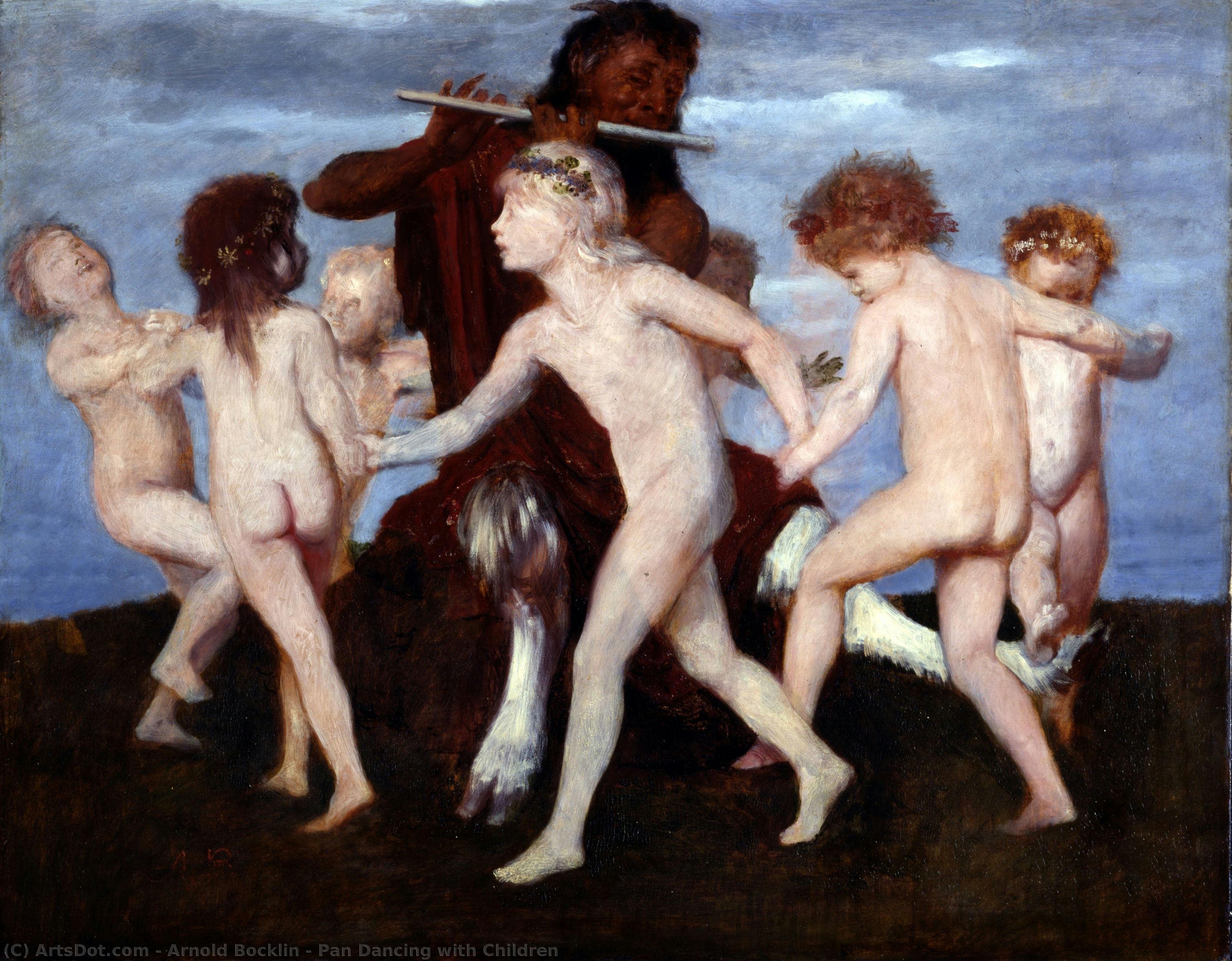
Pan Dancing with Children

Witness the haunting beauty of Arnold Böcklin's 'Pan Dancing with Children'! This iconic Symbolist masterpiece depicts playful fauns and naked children, evoking mystery & timeless allure.

Arnold Böcklin – mistyczny malarz symbolisty znany z "Wyspy Umarłych". Jego dzieła poruszają tematy śmierci, mitologii i snów w atmosferze melancholii. Odkryj jego wpływ na sztukę i muzykę!

Ręcznie malowana reprodukcja olejowa

Ręcznie malowany olej na płótnie w Twoim wymiarze i ramie, tworzony na zamówienie przez naszych artystów. (Switch to Print Switch to PrintSwitch to Image Switch to Image)

P118B $10
P118H $10
P118W $10
P438Z $10
P508JH $12
P508YH $12
P805H $10
P805Z $10
P919BZ $10
P919G $10
P919XJ $10
P959ZH $10
P968JZ $12
W106C $8
W218G $10
W218JH $8
W218Y $10
W307PJ $10
W316G $10
W316PJ $8
W316Y $10
W398PJ $8
W4111J $10
W500HY $15
W500JH $15
W692G $12
W849H $8
W940BG $15
W953PJ $8

Standard
custom
CM
INCH

Wybierz spośród naszych predefiniowanych rozmiarów, które zachowują oryginalne proporcje dzieła sztuki.

szerokość
wysokość

Możesz wprowadzić własne wymiary, aby dopasować obraz do konkretnej ramy lub przestrzeni. Jeśli wybrany rozmiar nie będzie odpowiadał proporcjom oryginału, przytniecie dzieło sztuki lub rozszerzymy je o dodatkowe elementy, ręcznie domalowane przez artystę. Przed rozpoczęciem produkcji wyślemy projekt cyfrowy do Twojej akceptacji.
Należy pamiętać, że podgląd na ekranie nie odzwierciedla rzeczywistego przycinania ani rozszerzania obrazu. Tylko projekt dokładnie pokaże ostateczną kompozycję.
Choć oferujemy możliwość zamówienia niestandardowych rozmiarów, zalecamy wybór wymiaru z gotowej listy, aby zachować oryginalne proporcje dzieła.

Przykłady możliwych zmian: Zamień twarz na zdjęcie klienta; Dodaj zwierzę domowe (np. zamień kota na psa); Ukryj wiadomość w tle; Zmień krajobraz lub elementy tła.
Po złożeniu zamówienia zespół OriginalUniqueArt.com skontaktuje się z klientem drogą mailową w celu uzyskania instrukcji i prześle wizualizację projektu

Dostawa na całym świecie () w ciągu 3/4 tygodni zamiast standardowych 5 tygodni. (28 Lipiec). Bez kompromisów w kwestii jakości.

why_choose_icon
Bezpłatna ekspresowa wysyłka na cały świat
why_choose_icon
Wysokiej jakości płótno lniane
why_choose_icon
Pełne ubezpieczenie przesyłki
why_choose_icon
Gwarancja zwrotu należności celnych
why_choose_icon
Gwarancja pełnego zgodności kolorystycznej
why_choose_icon
Polityka 60-dniowego zwrotu (tylko w przypadku wad)
why_choose_icon
Gwarancja 100% zwrotu pieniędzy
why_choose_icon
Zniżka przy większych zamówieniach

Suma całkowita

$ 300

reproduction

Pan Dancing with Children

Technika reprodukcji

Wymiary reprodukcji

-

Cena całkowita

$ 300

Szybkie fakty

  • Influences: Classical mythology
  • Artist: Arnold Böcklin
  • Artistic style: Mythological, allegorical
  • Subject or theme: Pan and children dancing
  • Year: 1875
  • Location: Museum Folkwang, Essen
  • Title: Pan Dancing with Children

Quiz o sztuce

Na każde pytanie istnieje tylko jedna poprawna odpowiedź.

Pytanie 1:
What is the primary subject depicted in Arnold Böcklin’s ‘Pan Dancing with Children’?
Pytanie 2:
The painting ‘Pan Dancing with Children’ is associated with which artistic movement?
Pytanie 3:
What musical instrument does Pan hold in the painting?
Pytanie 4:
Where is ‘Pan Dancing with Children’ currently displayed?
Pytanie 5:
What is a key characteristic of Arnold Böcklin’s artistic style as exemplified by ‘Pan Dancing with Children’?

Opis dzieła

The Enigmatic Dance: Arnold Böcklin’s “Pan Dancing with Children”

Arnold Böcklin's "Pan Dancing with Children," painted around 1884, isn’t merely a depiction of a pastoral scene; it’s an immersion into a realm of mythic beauty and unsettling serenity. This captivating work, currently residing within the Museum Folkwang in Essen, Germany, transcends simple representation, offering instead a profound meditation on childhood innocence, primal connection to nature, and the lingering presence of ancient spirits. Böcklin, a key figure in the Symbolist movement, masterfully employed a muted palette—primarily ochres, browns, and deep greens—to create an atmosphere thick with twilight and dreamlike suggestion. The figures themselves are rendered with a remarkable degree of detail, yet possess an almost ethereal quality, as if caught between worlds.

The painting’s composition is deliberately ambiguous. A central group of nude children, seemingly unburdened by adult concerns, frolic around Pan, the god of the wild, shepherds, and flocks. They are engaged in a variety of activities: playing musical instruments crafted from branches, holding hands in playful circles, and gazing upwards with an expression that blends curiosity and contentment. The inclusion of putti—small winged infants—further enhances the sense of otherworldly grace and innocence. Notice how Böcklin subtly integrates elements of classical mythology – the flute Pan holds is a direct reference to the god’s traditional instrument – alongside the rustic setting, creating a harmonious blend of ancient lore and contemporary observation.

A Glimpse into Symbolist Aesthetics

Böcklin's work firmly establishes him as a pivotal figure in the Symbolist movement, which sought to evoke emotions and ideas rather than simply depict reality. Rejecting the naturalism prevalent in earlier art movements, Symbolists like Böcklin prioritized subjective experience and explored themes of death, memory, and the subconscious. “Pan Dancing with Children” exemplifies this approach through its evocative atmosphere and symbolic imagery. The painting’s muted colors, soft lighting, and dreamlike quality contribute to a sense of melancholy and longing—a feeling that resonates deeply within the viewer.

The choice of nudity is particularly significant. It isn't presented in a provocative manner but rather as an embodiment of primal innocence and connection to nature. The children’s vulnerability underscores their purity, while their joyful dance suggests a liberation from worldly concerns. Böcklin’s meticulous attention to detail—from the texture of the children’s skin to the delicate folds of their clothing—further emphasizes their tangible presence within the scene.

Technique and Materials: A Masterful Blend

While often categorized as a painting, “Pan Dancing with Children” incorporates elements of mixed media. Böcklin skillfully combined oil paints with photographic techniques, creating a unique visual texture that blends the immediacy of photography with the depth and richness of traditional painting. This hybrid approach allowed him to capture fleeting moments of light and shadow, imbuing the scene with an unparalleled sense of realism. The use of layering and glazing—applying thin washes of paint over previous layers—contributes to the work’s luminous quality and creates a subtle interplay of colors.

The artist's background in Düsseldorf, associated with the school known for its emphasis on realistic depiction, is evident in the meticulous rendering of the figures and their surroundings. However, Böcklin departs from traditional academic techniques by prioritizing atmosphere and emotional impact over precise representation. This deliberate shift reflects his commitment to Symbolist principles and his desire to create a work that transcends mere visual observation.

Symbolism and Interpretation: Echoes of Ancient Myths

Beyond its aesthetic qualities, “Pan Dancing with Children” is rich in symbolic meaning. Pan himself represents the untamed spirit of nature—a force both benevolent and potentially dangerous. The children’s dance can be interpreted as a celebration of life, joy, and connection to the natural world. However, there's also an undercurrent of melancholy—a sense that this idyllic scene is fleeting and destined to fade away. The painting subtly evokes themes of mortality and the cyclical nature of time.

The inclusion of ancient myths – Pan’s role as a shepherd god, the presence of putti – connects the work to a broader cultural heritage, suggesting a timeless resonance between humanity and the natural world. Böcklin's masterful use of symbolism invites viewers to engage in their own interpretations, creating a deeply personal and emotionally resonant experience. Reproductions of this iconic artwork continue to captivate audiences with its haunting beauty and profound sense of mystery.


Biografia artysty

early life and training

Arnold Böcklin, a name synonymous with haunting beauty and melancholic symbolism, was born on October 16, 1827, in Basel, Switzerland—a city that would profoundly shape his artistic vision. His lineage traced back to an old family of Schaffhausen, distinguished by its involvement in the silk trade, while his mother, Ursula Lippe, hailed from the same vibrant city. Böcklin’s early years were marked by a rigorous academic training at the Düsseldorf Academy, where he studied under the esteemed Julius Wilhelm Schirmer. This period proved pivotal, forging a connection with Anselm Feuerbach and firmly establishing him within the circle of the Düsseldorf School of Painting—a movement known for its dramatic realism and exploration of psychological themes. The influence of this school is evident in Böcklin’s early works, characterized by a somber palette and an intense focus on capturing mood and atmosphere. His travels during his studies exposed him to diverse artistic traditions, particularly in Brussels, Antwerp, and Genoa, where he honed his skills under the guidance of Angelo Calame, absorbing elements of Italian landscape painting and classical antiquity. These formative experiences laid the groundwork for Böcklin’s unique approach to art—one that would later become deeply intertwined with themes of death, dreams, and the mystical.

artistic career and symbolism

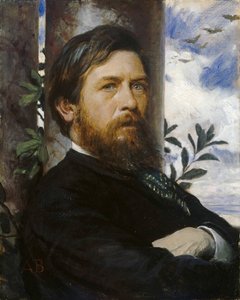
Böcklin's artistic journey extended far beyond the confines of Düsseldorf, leading him through the vibrant cities of Paris and Rome, each leaving an indelible mark on his creative development. In Paris, he found employment at the Louvre, immersing himself in the masterpieces of the Old Masters and gaining invaluable insights into composition and technique. His time in Rome proved particularly transformative, exposing him to the grandeur of ancient ruins and fostering a fascination with classical mythology—a theme that would recur frequently throughout his oeuvre. Böcklin’s artistic style evolved significantly during this period, moving away from the stark realism of the Düsseldorf School towards a more evocative and symbolic approach. He began to explore allegorical and mythological figures within carefully constructed settings featuring classical architecture, creating works that resonated with a profound sense of mystery and introspection. Notable early examples include *Great Park* (1857), which depicted ancient mythology in a dreamlike landscape, and the hauntingly beautiful *Nymph and Satyr* (1858) and *Sappho* (1859)—paintings that showcased his burgeoning talent for capturing emotion and atmosphere. A particularly striking example of this period is *Portrait of Myself, with Death Playing a Violin* (1872), a deeply personal work that explored the themes of mortality and artistic creation—a recurring motif in Böcklin’s art.

the isle of the dead and legacy

Perhaps the most enduring testament to Böcklin's artistic vision is his five versions of *The Isle of the Dead* (1880-1886). Inspired by the English Cemetery in Florence—where his daughter was buried—these monumental paintings became instantly iconic, capturing the essence of loss, remembrance, and the passage of time. The series evokes a profound sense of melancholy and mystery, utilizing a muted color palette, atmospheric perspective, and carefully arranged figures to create an unforgettable visual experience. Böcklin’s *Isle of the Dead* profoundly influenced a generation of artists, including Hans Thoma, who sought to capture similar moods and themes in their own work. Clement Greenberg famously described Böcklin's work as "one of the most consummate expressions" of its time, recognizing its profound impact on the development of Symbolism and its subsequent influence on 20th-century art movements such as Surrealism. Böcklin’s style resonated with the Pre-Raphaelites, sharing their fascination with dreams, mysticism, and the darker aspects of human experience—a shared sensibility that cemented his place within the broader artistic landscape of the late 19th century.

museums and collections

Arnold Böcklin's works are cherished by museums across Europe, offering visitors a chance to encounter the depth and complexity of his artistic vision. Key locations where you can find his paintings include:
  • Öffentliche Kunstsammlung (Basel, Switzerland)
  • Kunstmuseum Basel (Switzerland)
  • Museum Kunsthaus Zürich (Zürich, Switzerland)
These institutions provide invaluable resources for studying Böcklin’s artistic development and appreciating the enduring power of his art. Further information can be found on dedicated websites and through scholarly publications—a testament to the lasting impact of this remarkable artist.

conclusion

Arnold Böcklin remains a pivotal figure in the history of Symbolism, renowned for his evocative landscapes, haunting allegories, and profound exploration of mortality. His work continues to captivate audiences with its dreamlike quality and emotional resonance, solidifying his legacy as one of the most influential artists of the late 19th century. His art serves as a poignant reminder of the beauty that can be found even in darkness—a testament to the enduring power of the human spirit and the mysteries of existence.
Arnold Böcklin

Arnold Böcklin

1827 - 1901 , Szwajcaria

Kluczowe informacje

  • Artistic Movement Or Style: Symbolizm
  • Artists Or Movements Influenced By This Artist:
    • Hans Thoma
    • Prerafaeliści
  • Artists Who Influenced This Artist:
    • Schirmer
    • Feuerbach
  • Date Of Birth: 16 października 1827
  • Date Of Death: 16 stycznia 1901
  • Full Name: Arnold Böcklin
  • Nationality: Szwajcarski
  • Notable Artworks:
    • Wyspa umarłych
    • Nymph i Satyr
    • Sappho
    • Portret samego siebie
  • Place Of Birth: Bazylea, Szwajcaria
Odkryj dzieła sztuki uporządkowane według tematów, stylów i cech charakterystycznych.