Symbolism
La peste (Arnold Böcklin)
Arnold Böcklin (1827–1901) stworzył La peste. Należy do nurtu Symbolism. Wykonano w technice Oil On Canvas.
- Oil On Canvas

 Podgląd w skali 1:1

 Ręcznie malowany obraz olejny
 Wyślij jako kartkę
 Udostępnij
 Karta informacyjna


 Pobierz obraz
 Podobne obiekty
 RTG
 Pokaz slajdów
 Pytania i odpowiedzi

 Statystyki
La peste w skrócie
- Tytuł
- La peste
- Artysta
- Arnold Böcklin (1827–1901)
- Miejsce urodzenia artysty
- Bazylea, Szwajcaria
- Technika wykonania
- Oil On Canvas
- Ruch
- Symbolism
- Epoka
- 19th Century
- Temat
- monster, rider, buildings, dead bodies, sky, red cloth
Co przedstawia La peste?
The Shadow of Mortality
In this unsettling scene, we find ourselves witnessing a moment of profound, inevitable decay. A monstrous, winged creature, reminiscent of a bat, moves through the narrow streets of a medieval European city. Atop this beast sits a skeletal figure, a personification of death that moves with a terrifying, silent purpose. The atmosphere is heavy, thick with a hazy, yellow-grey light that suggests a world choked by sickness. There is a sense of chaos here, yet it is a quiet, suffocating kind of chaos. The buildings, with their rigid, angular lines, seem to press in on the viewer, creating a claustrophobic environment where escape feels impossible.
The color palette is deliberately somber, leaning heavily into the earthy tones of ochre, brown, and grey. However, there is a specific, unsettling use of pale green—a hue often associated with the physical reality of decomposition—that permeates the work. This sickly tint contrasts sharply with the single, startling shock of red found in the foreground. A woman lies there, her clothing a vivid crimson against the muted, dying world around her, a stark reminder of the human cost of the plague passing through the streets.
Symbolic Elements and Composition
The composition is structured with a certain architectural precision that heightens the sense of dread. The rider and the beast form a central, pyramidal apex that draws the eye upward and then forces it back down toward the suffering below. The artist uses several layers of visual language to communicate the theme of pestilence:
- The winged creature, acting as a vessel for the plague, disrupts the orderly geometry of the urban landscape.
- The use of atmospheric perspective, where the background fades into a murky haze, suggests an endless, spreading contagion.
- The fallen figures in the foreground and middle ground represent the victims, their forms partially obscured by shadow and the weight of the scene.
- The contrast between organic, irregular shapes of the monster and the rigid, rectangular shapes of the architecture emphasizes the unnatural intrusion of death into civilization.
The technique involves a careful layering of oil paints, creating a texture that feels both rough and weathered. In certain areas, the impasto is visible, giving the creature a visceral, tactile presence. This physical depth mirrors the psychological depth of the subject matter, where the veil between the physical world and a nightmare state feels dangerously thin.
The Weight of the Unseen
There is a profound stillness in the way the figures are arranged, despite the violence of the subject. It is a stillness born of hopelessness. The lighting is diffused and uneven, casting deep shadows that hide as much as they reveal. This lack of a clear light source contributes to the sense of mystery and the feeling that the plague is an unstoppable, elemental force rather than a mere biological event. The work captures a specific tension between the tangible reality of a city and the intangible, spectral presence of death, leaving the viewer with a lingering sense of unease that remains long after the first glance.
Zdjęcia w wysokiej rozdzielczości dzieła La peste
Domena publiczna: artysta zmarł w 1901.
Arnold Böcklin, La peste. Domena publiczna
Odpowiedzi na pytania dotyczące La peste
W jakiej technice wykonano „La peste” – Arnold Böcklin?
Technika wykonania dzieła „La peste” – Arnold Böcklin to Oil On Canvas. Reprodukcje mają na celu wierne oddanie wyglądu tej techniki.
Co przedstawia „La peste” – Arnold Böcklin?
Tematyka dzieła "La peste" to monster, rider, buildings, dead bodies, sky, red cloth, cityscape.
Czy „La peste” – Arnold Böcklin znajduje się w domenie publicznej?
Jeśli chodzi o prawa autorskie, "La peste" znajduje się w należy do domeny publicznej – autorskie prawa majątkowe wygasły.
Kto stworzył "La peste"?
Autorstwo dzieła "La peste" przypisuje się Arnold Böcklin.
Do jakiego nurtu należy "La peste"?
Nurt związany z „La peste” – Arnold Böcklin to Symbolism. Ta klasyfikacja sytuuje dzieło wśród pokrewnych artystów i dzieł sztuki.
Do którego okresu twórczości Arnold Böcklin należy dzieło „La peste”?
W dorobku artystycznym Arnold Böcklin dzieło „La peste” przypada na Late Period. Ten etap pozwala zestawić je z innymi pracami twórcy.
Czy dzieło „La peste” autorstwa Arnold Böcklin znajduje się w domenie publicznej i dlaczego?
„La peste” – Arnold Böcklin jest należy do domeny publicznej – autorskie prawa majątkowe wygasły. Okres ochrony praw autorskich liczony jest od śmierci artysty, która nastąpiła w 1901.
W jaki sposób "La peste" wpisuje się w tematykę i styl twórczości Arnold Böcklin?
"La peste" wpisuje się w nurt Symbolism w twórczości Arnold Böcklin, której charakterystyczne motywy obejmują symbolist movement, mythology and mortality, themes of death, war and pestilence, exploration of the subconscious.
W jaki sposób tematyka dzieła "La peste" odnosi się do typowych motywów twórczości Arnold Böcklin?
Powracające motywy w twórczości Arnold Böcklin obejmują symbolist movement, mythology and mortality, themes of death, war and pestilence, exploration of the subconscious; „La peste” koncentruje się na monster, rider, buildings, dead bodies, sky, red cloth, cityscape.
O artyście: Arnold Böcklin
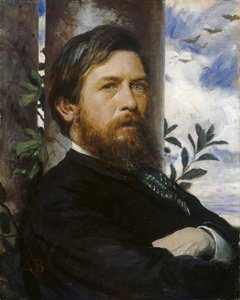
1827–1901, Szwajcaria
Arnold Böcklin
Cień Wyspy Bazylea w Szwajcarii stanowi punkt wyjścia dla życia zdefiniowanego przez napięcie między tym, co namacalne, a tym, co spektralne. Urodzony 16 października 1827 roku przez Christiana Frederica Böcklina i Ursulę Lippe, młody człowiek ostatecznie wzniósł się ponad handel jedwabiem swojego ojca, by trafić do surowych murów Akademii w Düsseldorfie. Pod okiem Schirmera zaczął chłonąć język pejzażu – umiejętność, która w przyszłości miała posłużyć do mapowania geografii ludzkiej duszy. Nie malował on jedynie scenerii; on konstruował krainy, w których klasyka zderza się z makabrą.
Inne prace Arnold Böcklin
 Wyspa umarłych (Pierwsza wersja)1880
 Autoportret ze śmiercią grającą na skrzypcach
 Wojna1896
 The Isle of the Dead (Version 2)1880
Eseje o La peste
 25 Must-See Masterpieces at Berlin's Alte NationalgalerieExplore 25 iconic masterpieces from Berlin's Alte Nationalgalerie. From Romanticism to Impressionism, discover them all on OriginalUniqueAr…
 Heavenly Visions: A Curated Journey Through the Divine Masterpieces of Art HistoryExplore the profound beauty of religious art history. From Renaissance grace to Baroque drama, discover the stories behind iconic divine ma…
 Beauty in Mortality: Capturing the Soul of the Skull through the Luminous Lens of Impressionist ArtExplore the profound beauty of mortality through Impressionism. Discover how masters like Monet and Renoir transformed the Memento Mori tra…