

 Podgląd w skali 1:1
 Wyślij jako kartkę
 Udostępnij
 Szczegóły dzieła
 Przewodnik

 Pobierz obraz
 Podobne obiekty
 RTG
RTG Pokaz slajdów
 Statystyki
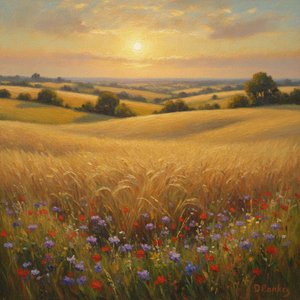
Irony Point No. 57
 Impressionism
 2015
2015 59.0 x 43.0 cm
 Pałac Idealny Pocztowca Cheval
 Rozwiń treść
Dzieło sztuki prezentowane na tej stronie podlega ochronie prawem autorskim, co oznacza, że nie mamy prawa do tworzenia ani sprzedaży jego identycznej reprodukcji. Ochrona ta jest egzekwowana na mocy umów międzynarodowych, takich jak Konwencja berneńska oraz przez przepisy prawa krajowego, w tym te określone w Prawo autorskie USA – Tytuł 17.
Metoda ta jest w pełni zgodna z przepisami prawa autorskiego, ponieważ nie polega na kopiowaniu ani powielaniu chronionego dzieła. Stanowi ona kreatywną reinterpretację – nowy obraz, który czerpie inspirację z oryginału, ale nie jest z nim tożsamy.
Giclée / Wydruk artystyczny
Wydruki giclée lub płótna o jakości muzealnej, szybka realizacja i szeroki wybór opcji wykończenia. ( Zamów ręcznie malowaną reprodukcję Przejdź do wersji cyfrowej)




































Wybierz spośród naszych standardowych rozmiarów, które zachowują oryginalne proporcje dzieła sztuki.

Wpisz wymaganą szerokość i wysokość, aby dopasować grafikę do ramy lub ściany. Wydruk można jedynie przyciąć, nigdy nie powiększając go poza oryginalny obraz, dlatego format o innych proporcjach spowoduje utratę części kompozycji. Przed rozpoczęciem druku prześlemy Ci cyfrowy podgląd do zatwierdzenia. Obraz wyświetlany na tej stronie nie pokazuje rzeczywistego przycięcia — jedynie podgląd oddaje ten efekt.
Dostawa na cały świat () w ciągu 2 tygodni zamiast standardowych 4/5 tygodni. (26 Październik)

Bezpłatna ekspresowa wysyłka na cały świat

Wysokiej jakości płótno lniane

Pełne ubezpieczenie przesyłki

Gwarancja zwrotu należności celnych i podatków importowych

Gwarancja wiernego odwzorowania kolorów

100-dniowa polityka zwrotów (tylko w przypadku wad)

Gwarancja 100% zwrotu pieniędzy

Zniżka przy zakupie wielu sztuk
 Opcja ze szkłem jest dostępna wyłącznie w rozmiarach poniżej 110 cm

Irony Point No. 57
Giclée / Wydruk artystyczny
Wymiary reprodukcji
-


Cena całkowita
zł 307
Pytania i odpowiedzi
Co przedstawia „Irony Point No. 57” – Arlette Varda?
„Irony Point No. 57” – Arlette Varda przedstawia: rural landscape, agricultural life, farmer's work, vegetable garden, earthy palette, quiet scene, pastoral art.
Jak kolory w dziele "Irony Point No. 57" współgrają ze sobą?
„Irony Point No. 57” – Arlette Varda prezentuje Strong Color Unity harmonię kolorystyczną.
Jaki jest format oraz wymiary dzieła „Irony Point No. 57” – Arlette Varda?
„Irony Point No. 57” – Arlette Varda to kompozycja w formacie Landscape, której oryginalne wymiary to 59 x 43 cm.
Biografia artysty
Agnès Varda: A Pioneer of the French New Wave
Arlette Varda, later known and celebrated as Agnès Varda, was a singular figure in 20th-century cinema – a Belgian-born French filmmaker, screenwriter, and photographer whose work fundamentally reshaped how movies were made and viewed. Born on May 30, 1928, in Ixelles, Brussels, to Christiane Pasquet and Eugène Jean Varda (a Greek refugee), her early life was steeped in the cultural crossroads of Europe. This heritage – a French mother with roots in Sète and a father tracing his lineage back through Ottoman Asia Minor – profoundly influenced her artistic sensibility, informing a deep appreciation for both urban and rural landscapes, and a keen awareness of social realities. Varda’s journey into art began not with film but with photography; she honed her skills as a still photographer, capturing the everyday lives of families and documenting events before dedicating herself to the moving image. This initial experience proved invaluable, instilling in her an observational eye and a respect for authentic representation – qualities that would become hallmarks of her distinctive cinematic style.Early Years & Photographic Beginnings
Varda’s formal artistic training laid the groundwork for her future success. She studied art history at the École du Louvre and photography at the École des Beaux-Arts, developing a sophisticated understanding of composition, form, and visual storytelling. Crucially, she also attended the Lycée et Collège Victor-Duruy, earning a bachelor’s degree in literature and psychology – disciplines that would later inform her nuanced portrayals of human relationships and psychological states. Her early career as a stage photographer for the Théâtre National Populaire provided an essential apprenticeship, exposing her to theatrical performance and demanding a collaborative approach to visual creation. It was during this period that she began to develop her own unique style, moving beyond mere documentation to explore questions of meaning and form through carefully constructed images. She described her initial foray into photography as “asking questions with composition, form, and meaning,” a philosophy that would permeate her entire cinematic oeuvre.The Birth of the New Wave & Unconventional Techniques
Varda’s emergence coincided with the burgeoning French New Wave movement in the 1950s, and she quickly became one of its most vital voices. Rejecting the polished aesthetics and studio-bound productions of traditional cinema, Varda embraced a radically different approach. She championed location shooting – often in unglamorous urban environments or remote rural areas – and utilized non-professional actors, bringing a sense of realism and immediacy to her films that was unprecedented at the time. This deliberate choice challenged established conventions and reflected a desire to capture authentic experiences rather than staged performances. Her early work, such as *La Pointe Courte* (1955), demonstrated this innovative spirit, employing a documentary-like style with handheld cameras and natural lighting, creating a sense of intimacy and immediacy rarely seen in French cinema. Her films frequently explored themes of female experience, social injustice, and the complexities of human relationships, often through a feminist lens.Notable Works & Lasting Influence
Varda’s filmography is remarkably diverse, encompassing both narrative features and experimental documentaries. *Cléo from 5 to 7* (1962), a poignant portrait of a pop singer grappling with mortality, remains one of her most celebrated works, lauded for its innovative use of time and space. *Vagabond* (1985) is a powerful meditation on homelessness and the search for identity, while *Kung Fu Hooligans* (1976) offered a playful critique of consumer culture. However, it’s her later films that perhaps best exemplify her evolving artistic vision. *Les Cent et une nuits de Simon Cinéma* (1995), a loving tribute to the art of cinema, and *Visages Villages* (2017), a visually stunning exploration of rural France, cemented her legacy as a filmmaker deeply committed to capturing the beauty and complexity of everyday life. Her work was consistently praised for its honesty, empathy, and refusal to adhere to conventional cinematic norms.A Legacy of Innovation & Social Commentary
Arlette Varda’s influence extends far beyond her individual films. She helped to establish a new aesthetic vocabulary for cinema, prioritizing observation, spontaneity, and the voices of ordinary people. Her commitment to social justice is evident in many of her works, particularly those that address issues of gender inequality, poverty, and displacement. Varda's later years saw her continue to push boundaries, experimenting with new technologies and approaches while retaining a deep respect for her artistic roots. She was awarded the Academy Award for Best Documentary Feature for *Visages Villages* in 2018, a testament to her enduring impact on cinema and art. Agnès Varda died on March 29, 2019, leaving behind a rich and influential body of work that continues to inspire filmmakers and audiences alike. Her legacy is not simply one of groundbreaking technique but also of a profound commitment to seeing the world with fresh eyes and telling stories that matter.
Arlette Varda
1928 - 2019 , Belgium
Krótka nota
- Full Name: Arlette Varda (Agnès Varda)
- Nationality: Belgian-French
- Date Of Birth: 1928
- Date Of Death: 2019
- Place Of Birth: Ixelles, Belgium
- Notable Artworks:
- La Pointe Courte
- Cléo from 5 to 7
- Vagabond
- Artistic Movement Or Style: New Wave Cinema
- Artists Who Influenced This Artist:
- René Clair
- Jean Renoir
- Artists Or Movements Influenced By This Artist:
- François Truffaut
- Jean-Luc Godard
Powiązane artykuły

10 Arcydzieł Impresjonizmu Krajobrazowego, Które Zdefiniowały Sztukę
Odkryj 10 arcydzieł impresjonizmu krajobrazowego! Poznaj historie Moneta, Renoir'a i Van Gogha. Inspiracje wnętrzarskie, techniki malarskie i piękne reprodukcje obrazów na OriginalUniqueArt.com. Eksploruj kolekcję online!
Golden Fields & Sun-Drenched Meadows: Capturing the Soul of Impressionist Landscapes
Immerse yourself in the luminous world of Impressionist landscapes. Discover how masters like Monet and Gauguin captured ephemeral light through plein air painting, and learn to bring the soul of sun-drenched meadows into your home with exquisite, hand-painted oil reproductions.

Beyond the Horizon: A Curated Guide to Integrating Post-Impressionist Landscapes into Modern Interiors
Transform your home with the emotive power of Post-Impressionist landscapes. Discover expert tips on selecting hand-painted oil reproductions to create a soulful, vibrant interior that reflects your unique style and connection to nature.

10 Arcydzieł Impresjonizmu Krajobrazowego: Sztuka, Artyści i Dekoracje Wnetrz
Odkryj 10 arcydzieł impresjonizmu krajobrazowego! Poznaj historie Monet, Renoir i innych mistrzów. Inspiracje wnętrzarskie, techniki malarskie i reprodukcje obrazów najwyższej jakości na OriginalUniqueArt.com. Eksploruj pełną kolekcję online!

Whispers of Rural Serenity: A Journey Through the Enchanting Village Landscapes of Impressionism
Immerse yourself in the tranquil beauty of Impressionist village landscapes. Explore our exquisite collection of hand-painted oil reproductions, capturing the light and soul of masters like Monet and Pissarro. Bring a piece of art history into your home with OriginalUniqueArt.com.
