
 Podgląd w skali
 Wyślij jako kartkę
 Udostępnij
 Szczegóły dzieła

 Pobierz
 Podobne obiekty
 RTG
RTG Pokaz slajdów
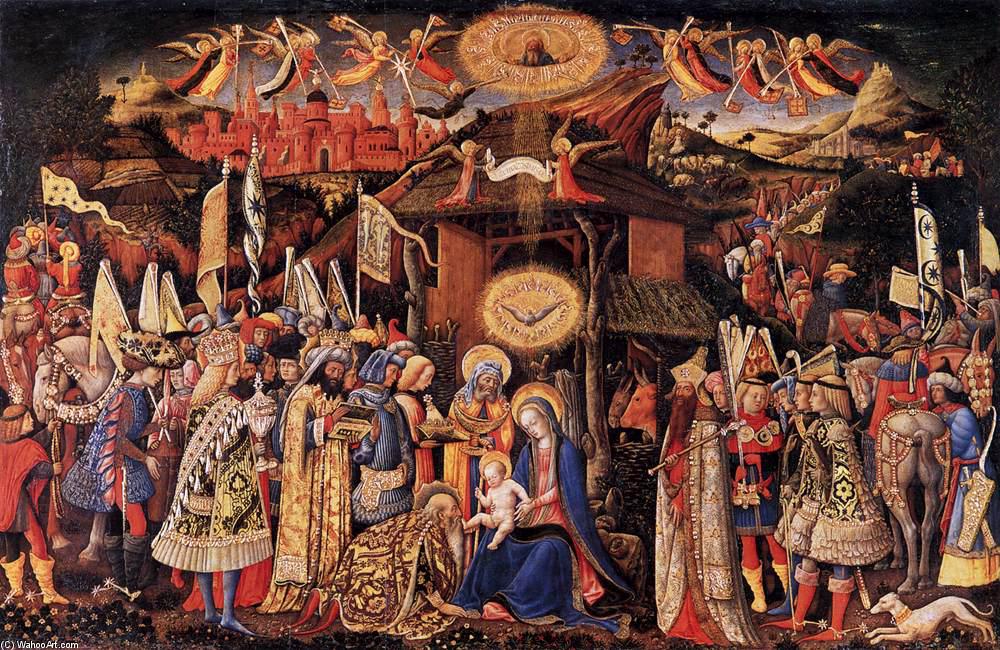
Uznanie Magi
 Akryl na płótnie
- Sztuka ścienna
- Italian Renaissance Baroque
 1445
1445 111.0 x 176.0 cm
 Staatliche Museen zu Berlin
 Rozwiń treść
Ręcznie malowana reprodukcja olejowa
Ręcznie malowany obraz olejny na płótnie, wykonany na zamówienie przez naszych artystów w wybranym przez Ciebie wymiarze i oprawie. ( Zamów wydruk Kup obraz wysokiej rozdzielczości)




P118B $10

P118H $10

P118W $10

P438Z $10

P508JH $12

P508YH $12

P805H $10

P805Z $10

P919BZ $10

P919G $10

P919XJ $10

P959ZH $10

P968JZ $12

W106C $8

W218G $10

W218JH $8

W218Y $10

W307PJ $10

W316G $10

W316PJ $8

W316Y $10

W398PJ $8

W4111J $10

W500HY $15

W500JH $15

W692G $12

W849H $8

W940BG $15

W953PJ $8




Wybierz spośród naszych standardowych rozmiarów, które zachowują oryginalne proporcje dzieła sztuki.

Możesz wprowadzić własne wymiary, aby dopasować obraz do konkretnej ramy lub przestrzeni. Jeśli wybrany rozmiar nie będzie odpowiadał proporcjom oryginału, przytniecie dzieło sztuki lub rozszerzymy je o dodatkowe elementy, ręcznie domalowane przez artystę. Przed rozpoczęciem produkcji wyślemy projekt cyfrowy do Twojej akceptacji.
Należy pamiętać, że podgląd na ekranie nie odzwierciedla rzeczywistego przycinania ani rozszerzania obrazu. Tylko projekt dokładnie pokaże ostateczną kompozycję.
Choć oferujemy możliwość zamówienia niestandardowych rozmiarów, zalecamy wybór wymiaru z gotowej listy, aby zachować oryginalne proporcje dzieła.
Po złożeniu zamówienia zespół OriginalUniqueArt.com skontaktuje się z klientem drogą mailową w celu uzyskania instrukcji i prześle wizualizację projektu
Dostawa na całym świecie () w ciągu 3–4 tygodni zamiast standardowych 5 tygodni. (15 Sierpień). Bez kompromisów w kwestii jakości.

Bezpłatna ekspresowa wysyłka na cały świat

Wysokiej jakości płótno lniane

Pełne ubezpieczenie przesyłki

Gwarancja zwrotu należności celnych i podatków importowych

Gwarancja wiernego odwzorowania kolorów

Polityka 60-dniowego zwrotu (tylko w przypadku wad)

Gwarancja 100% zwrotu kosztów

Zniżka przy zamówieniu wielu produktów
 Opcja ze szkłem jest dostępna wyłącznie w rozmiarach poniżej 110 cm

Uznanie Magi
Technika reprodukcji
Wymiary reprodukcji
-


Cena całkowita
$ 300
Opis dzieła
Frescoes of Devotion: Exploring Antonio Vivarini’s ‘Adoration of the Magi’
Fra Angelico – Guido di Pietro – a name synonymous with serenity and spiritual aspiration. Born around 1395 in Tuscany's Mugello region, he wasn’t merely a painter; he was a Dominican friar whose unwavering faith profoundly shaped his artistic vision. This remarkable convergence of piety and creativity resulted in works that transcend mere visual representation, radiating an ethereal beauty and conveying a palpable sense of peace—a legacy cherished centuries later. His story exemplifies the transformative power of belief in fostering exceptional artistry. Angelico’s formative years were spent under Lorenzo Monaco's tutelage, a Florentine painter and manuscript illuminator whose influence is undeniably present in Angelico’s initial creations – particularly the delicate plant forms adorning the opening letters of illuminated manuscripts. Monaco instilled in his protégé a meticulous attention to detail and an understanding of humanist ideals that would permeate Angelico’s subsequent oeuvre. This early training established a foundation for his mastery of color and composition, characteristics that would become hallmarks of his distinctive style.A Vision of Heavenly Grace: Style and Technique
Varini's ‘Adoration of the Magi,’ executed in 1445, exemplifies Venetian Renaissance painting at its finest. The fresco’s stylistic features are characterized by soft lines, harmonious color palettes—primarily dominated by muted reds, blues, and golds—and a masterful use of glazing techniques. Vivarini skillfully layered translucent pigments onto the surface of the wall, creating an illusion of depth and luminosity that captures the grandeur of the biblical scene. This technique, perfected during the Venetian Renaissance, allowed for unparalleled realism while maintaining an overall sense of spiritual solemnity. The artist’s meticulous attention to anatomical accuracy—evident in the figures of the Magi—demonstrates a commitment to humanist ideals prevalent during his time.Historical Context: Patronage and Spiritual Significance
The painting hails from Murano, Venice, a thriving center for artistic innovation during the Quattrocento. Commissioned by wealthy patrons eager to adorn their churches with symbols of faith and devotion, ‘Adoration of the Magi’ reflects the broader cultural landscape of its era—a period marked by burgeoning humanist scholarship alongside fervent religious piety. The depiction of Jesus Christ as a newborn infant embodies Christian theology's central narrative: God incarnate, offering salvation through humility and compassion. Furthermore, the inclusion of angels underscores the belief in divine intervention and reinforces the sanctity of the sacred space depicted.Symbolism Beyond Representation
Beyond its visual splendor, ‘Adoration of the Magi’ is laden with symbolic meaning. The manger itself represents humility and vulnerability—a deliberate contrast to earthly power and prestige. The figures surrounding Jesus – representing kingship, wisdom, and piety – symbolize the universal aspiration for divine grace. Even the bird perched atop the scene may signify hope and resurrection, mirroring the theological significance of Christ’s birth. Vivarini's masterful composition directs the viewer’s gaze towards the central figure, emphasizing the profound spiritual message conveyed by the artwork.Emotional Resonance: An Image That Speaks to Souls
Ultimately, ‘Adoration of the Magi’ transcends mere artistic skill; it evokes a powerful emotional response in the observer. The painting’s serene atmosphere—characterized by gentle lighting and harmonious colors—promotes contemplation and invites viewers to reflect on themes of faith, compassion, and divine grace. Vivarini's ability to capture the essence of spiritual devotion ensures that this fresco continues to inspire awe and reverence centuries after its creation – a testament to art’s enduring capacity to communicate profound truths about human experience.O artyście
Fra Angelico: Wizja Mnicha o Raju
Imię Fra Angelico – Guido di Pietro – przywołuje obraz spokojnej kontemplacji, życia poświęconego zarówno sztuce, jak i wierze. Urodzony około 1395 roku w regionie Mugello we Florencji, nie był jedynie malarzem; był mnichem dominikaninem, głęboko zanurzonym w duchowym życiu swojego zakonu. To unikalne połączenie talentu artystycznego i religijnej pobożności ukształtowało jego twórczość, nadając jej eteryczny blask i głębokie poczucie spokoju, które rezonuje wieki później. Jego historia to opowieść o cichej świetności, świadectwo potęgi wiary inspirującej niezwykłą kreatywność.
Wczesne szkolenie Angelico wciąż pozostaje nieco owiane tajemnicą, choć uczeni generalnie wierzą, że doskonalił swoje umiejętności pod okiem Lorenzo Monaco, wybitnego florenckiego malarza i iluminatora rękopisów. Wpływ Monaco jest widoczny w początkowych pracach Angelico – zwłaszcza we witalnych formach roślinnych zdobiących inicjały iluminowanych manuskryptów, takich jak pielgrzymkowy zwój z 1418 roku dla Petrus de Cruce, obecnie przechowywany w Muzeum Puškinów w Moskwie. Te skomplikowane studia botaniczne, wykonane z niezwykłym zrozumieniem perspektywy i cieniowania, demonstrują odejście od bardziej sztywnego stylu gotyckiego panującego za tamtych czasów, zapowiadając rozwijający się naturalizm, który miał zdefiniować wczesny renesans. Okres ten był również czasem pracy nad freskami dla klasztoru San Domenico we Fiesole, co ugruntowało jego reputację jako wykwalifikowanego artysty w obrębie wspólnoty dominikańskiej.
Jego najważniejsze zamówienia pochodziły z innych instytucji dominikańskich, odzwierciedlając pragnienie zakonu wizualnego przekazywania swoich nauk i inspirowania pobożności. Wspaniały ołtarz, który stworzył dla kościoła San Domenico we Fiesole – przedstawiający Matkę Boską z Dzieciątkiem na tronie w otoczeniu świętych i aniołów – stanowi kamień węgielny jego dorobku. To dzieło, choć później przekształcone, aby odpowiadać współczesnym gustom, eksponuje innowacyjne podejście Angelico do organizacji przestrzeni, tworząc porywające poczucie głębi i perspektywy w ramach tradycyjnego formatu. Równie niezwykły jest cykl fresków, które namalował w Kaplicy Niccoline we Watykańskim Pałacu Apostolskim (ukończony między 1447 a 1451 rokiem), na zlecenie papieża Nikoli V. Te sceny z życia św. Stefana są uważane za arcydzieła sztuki wczesnego renesansu, charakteryzujące się świetlistymi kolorami, wdzięcznymi postaciami i głębokim poczuciem duchowego spokoju. Ukrzyżowanie w Sali Kapituły pozostaje szczególnie celebrowane ze względu na swoją emocjonalną intensywność i mistrzowskie przedstawienie ludzkiego cierpienia.
Rozwój artystyczny Angelico nie ograniczał się do monumentalnych fresków; stworzył również liczne malowidła na panelach, często przedstawiające tematy religijne z niezwykłym stopniem intymności. Te mniejsze dzieła, takie jak Ołtarz San Marco (również we Fiesole), ukazują jego skrupulatną dbałość o szczegóły i zdolność do uchwycenia istoty ludzkich emocji. Jego użycie tempery na panelach z gesso pozwalało na żywe kolory i delikatne detale – techniki, które doskonalił przez całą karierę. Warto zauważyć, że twórczość Angelico demonstruje rosnące mistrzostwo w perspektywie linearnej i chiaroscuro (użyciu światła i cienia), elementach, które stały się coraz bardziej centralne dla malarstwa renesansowego.
Wpływ Zakonu Dominikańskiego
Kluczowe jest zrozumienie, że praktyka artystyczna Fra Angelico była nierozerwalnie związana z jego rolą jako mnicha dominikanina. Jego sztuka nie miała charakteru jedynie dekoracyjnego; służyła celowi dydaktycznemu, mając na celu edukowanie i inspirowanie pobożności wśród jego braci zakonnych i odwiedzających. Spokojne pejzaże, idealizowane postacie i starannie oddane detale w jego obrazach przyczyniają się do tej duchowej atmosfery. Wybór tematów – często sceny z życia świętych lub narracje biblijne – odzwierciedla podstawowe dogmaty teologii dominikańskiej: pokorę, miłosierdzie i skupienie na zbawieniu przez wiarę.
Co więcej, życie monastyczne Angelico głęboko ukształtowało jego styl artystyczny. Prostota i surowość środowiska klasztornego wpłynęły na jego paletę barw – preferował stonowane kolory i unikał przepychu bogactwa czy luksusu. Jego obrazy często przedstawiają skromne scenerie – małe kaplice, proste celki i ciche ogrody – odzwierciedlając odrzucenie doczesnych złudzeń na rzecz duchowej kontemplacji. Sam akt malowania stał się dla Angelico formą modlitwy, środkiem wyrażania wiary i łączenia się z boskością.
Technika i Styl
Styl artystyczny Fra Angelico często określa się jako „Późny Gotyk”, ale jednocześnie zapowiada wiele innowacji, które miały zdefiniować Wysoki Renesans. Umiejętnie łączył tradycyjne elementy gotyckie – takie jak spłaszczona perspektywa, stylizowany draperie i wydłużone postacie – z pojawiającymi się technikami renesansu, w tym bardziej realistycznym przedstawieniem anatomii ludzkiego ciała i większym naciskiem na naturalizm. Jego użycie tempery na panelach z gesso pozwalało na żywe kolory i drobiazgowy detal, podczas gdy jego mistrzostwo sfumato (subtelne mieszanie tonów w celu stworzenia miękkich konturów) przyczyniło się do eterycznego charakteru jego obrazów.
Kluczową cechą stylu Angelico jest jego niezwykła zdolność do nadawania swoim postaciom poczucia wdzięku i spokoju. Jego postacie często ukazane są w pozach cichej kontemplacji lub skromnej służby, emanując aurą pokoju i pobożności. Jest to szczególnie widoczne na Ołtarzu San Marco, gdzie mnisi przedstawieni są zaangażowani w swoje codzienne rytuały – śpiewanie, czytanie i modlenie się – z namacalnym poczuciem spokoju.
Dziedzictwo i Znaczenie Historyczne
Pomimo stosunkowo krótkiej kariery (zmarł w 1455 roku), Fra Angelico pozostawił niezatarte piętno na historii sztuki. Jego innowacyjne użycie perspektywy, świetliste kolory i głęboka wrażliwość duchowa wpłynęły na pokolenia artystów, którzy po nim przyszli. Uważany jest za kluczową postać w przejściu od malarstwa gotyckiego do renesansowego, wypełniając lukę między tymi dwoma odrębnymi stylami.
Jego twórczość nadal budzi podziw i zachwyt. Freski w Kaplicy Niccoline, na przykład, pozostają wśród najbardziej cenionych arcydzieł wczesnego renesansu, przyciągając odwiedzających z całego świata. Dziedzictwo Fra Angelico wykracza poza jego osiągnięcia artystyczne; pamiętany jest również jako wzór monastycznej cnoty – człowiek, który poświęcił swoje życie zarówno sztuce, jak i wierze, pozostawiając po sobie dorobek ucieleśniający ideały ducha chrześcijańskiego.

Antonio Vivarini
1440 - 1480
Krótka nota
- Artistic Movement Or Style: Wczesny Renesans
- Artists Or Movements Influenced By This Artist:
- Masaccio
- Wczesny Renesans
- Artists Who Influenced This Artist: ['Lorenzo Monaco']
- Date Of Birth: ok. 1395
- Date Of Death: 1455
- Full Name: Fra Angelico Guido di Pietro
- Nationality: Włoski
- Notable Artworks:
- Ołtarz w San Marco
- Ukrzyżowanie (San Marco)
- Narodziny (Zwoje Adwentowe)
- Place Of Birth: Mugello, Włochy
Powiązane artykuły

Fresk jako Rodzinna Spuścizna: Utrwalenie Dziedzictwa na Ścianach
Odkryj sztukę fresku! Poznaj historię, technikę i inspiracje. Zamów spersonalizowany fresk rodzinny – trwałe dzieło sztuki dla przyszłych pokoleń. Profesjonalna konserwacja i ochrona.

Trwała Spuścizna Fresku: Technika, Historia i Wyraz Artystyczny w Różnych Kulturach
Odkryj fascynujący świat fresków! Poznaj historię, technikę tworzenia i wybitnych artystów. Ekspercka analiza konserwacji i współczesne zastosowania malowideł ściennych. Inspiracje dla wnętrz i pasjonatów sztuki.

The Enduring Legacy of Fresco Painting: Techniques, History & Contemporary Relevance
Explore the rich history & enduring artistry of fresco painting – from Giotto to Michelangelo! Discover techniques, conservation efforts, & modern applications. Learn how OriginalUniqueArt brings this timeless art form to your home.

Fresk: Technika, Historia i Artystyczna Ekspresja – Od Antyku do Współczesności
Poznaj historię i technikę fresku – od antycznych korzeni po współczesne zastosowania. Ekspercka analiza, konserwacja i inspiracje dla miłośników sztuki. Odkryj trwałość i piękno malowideł ściennych!

Sztuka, która ożywia przestrzeń: Emocjonalna siła fresku we wnętrzu
Poznaj fascynujący świat fresków! Ekspercka wiedza o technice, historii i konserwacji malowideł ściennych. Inspiracje dla wnętrz i możliwość zamówienia unikalnego dzieła sztuki.



