
 Podgląd w skali 1:1
 Wyślij jako kartkę
 Udostępnij
 Szczegóły dzieła
 Przewodnik

 Pobierz obraz
 Podobne obiekty
 RTG
RTG Pokaz slajdów
 Pytania i odpowiedzi
 Statystyki
Plowing

- 5.0 x 100.0 cm


 Rozwiń treść
Dzieło sztuki prezentowane na tej stronie podlega ochronie prawem autorskim, co oznacza, że nie mamy prawa do tworzenia ani sprzedaży jego identycznej reprodukcji. Ochrona ta jest egzekwowana na mocy umów międzynarodowych, takich jak Konwencja berneńska oraz przez przepisy prawa krajowego, w tym te określone w Prawo autorskie USA – Tytuł 17.
Metoda ta jest w pełni zgodna z przepisami prawa autorskiego, ponieważ nie polega na kopiowaniu ani powielaniu chronionego dzieła. Stanowi ona kreatywną reinterpretację – nowy obraz, który czerpie inspirację z oryginału, ale nie jest z nim tożsamy.
Giclée / Wydruk artystyczny
Wydruki giclée lub płótna o jakości muzealnej, szybka realizacja i szeroki wybór opcji wykończenia. ( Zamów ręcznie malowaną reprodukcję Przejdź do wersji cyfrowej)




P118B zł10

P118H zł10

P118W zł10

P438Z zł10

P508JH zł12

P508YH zł12

P805H zł10

P805Z zł10

P919BZ zł10

P919G zł10

P919XJ zł10

P959ZH zł10

P968JZ zł12

W106C zł8

W218G zł10

W218JH zł8

W218Y zł10

W307PJ zł10

W316G zł10

W316PJ zł8

W316Y zł10

W398PJ zł8

W4111J zł10

W500HY zł15

W500JH zł15

W692G zł12

W849H zł8

W940BG zł15

W953PJ zł8




Wybierz spośród naszych standardowych rozmiarów, które zachowują oryginalne proporcje dzieła sztuki.

Wpisz wymaganą szerokość i wysokość, aby dopasować grafikę do ramy lub ściany. Wydruk można jedynie przyciąć, nigdy nie powiększając go poza oryginalny obraz, dlatego format o innych proporcjach spowoduje utratę części kompozycji. Przed rozpoczęciem druku prześlemy Ci cyfrowy podgląd do zatwierdzenia. Obraz wyświetlany na tej stronie nie pokazuje rzeczywistego przycięcia — jedynie podgląd oddaje ten efekt.
Dostawa na cały świat () w ciągu 2 tygodni zamiast standardowych 4/5 tygodni. (11 Listopad)

Bezpłatna ekspresowa wysyłka na cały świat

Wysokiej jakości płótno lniane

Pełne ubezpieczenie przesyłki

Gwarancja zwrotu należności celnych i podatków importowych

Gwarancja wiernego odwzorowania kolorów

100-dniowa polityka zwrotów (tylko w przypadku wad)

Gwarancja 100% zwrotu pieniędzy

Zniżka przy zakupie wielu sztuk
 Opcja ze szkłem jest dostępna wyłącznie w rozmiarach poniżej 110 cm

Plowing
Giclée / Wydruk artystyczny
Wymiary reprodukcji
-


Cena całkowita
zł 318
A Symphony of Rural Vitality
In his evocative 1961 masterpiece, Plowing, Antonio Ligabue invites the viewer into a world where the boundaries between man, animal, and landscape dissolve into a singular, rhythmic dance of survival and toil. This painting is far more than a mere depiction of agricultural labor; it is a vibrant tapestry of life, woven with the raw, uninhibited energy that defines the Naïve art movement. As the eye wanders across the canvas, one is immediately struck by the profound sense of motion. A running dog on the periphery acts as a kinetic spark, guiding the heavy, rhythmic momentum of oxen bent under the weight of the plow. The scene is thick with narrative detail—a man in rolled-up sleeves offers a silent greeting to a fellow laborer, while a cluster of hens pecks at the earth, grounding the grander struggle of the field in the humble, everyday realities of farm life.
The composition breathes with an organized chaos, a characteristic hallmark of Ligabue’s mature period. The artist masterfully distributes a multitude of figures—at least twelve cows and several workers—across the expanse of the field, creating a sense of depth that pulls the observer into the very heart of the harvest. There is a palpable weight to the scene; one can almost feel the resistance of the soil against the blade and the heat of the sun upon the backs of the laborers. This density of life creates an immersive experience, making the painting an ideal centerpiece for those seeking to bring a sense of grounded, organic energy into a sophisticated interior space.
Nostalgia and the Naïve Spirit
Beyond the immediate physical labor, Plowing serves as a profound window into Ligabue’s psyche and his complex relationship with memory. The distant, Nordic-style village nestled in the background is not merely a scenic element; it is a poignant, recurring motif in his work, representing a nostalgic longing for the Swiss landscapes of his childhood. This layer of melancholic beauty contrasts beautifully with the vivid, almost frenetic activity of the foreground. Through his unique technique, Ligabue transforms a traditional subject into something much more personal and mythic. His brushwork, though characterized by a certain primitive directness, possesses an incredible ability to capture the essence of light and texture, from the coarse fur of the oxen to the soft, hazy atmosphere of the distant mountains.
For collectors and interior designers alike, this work offers a rare opportunity to possess a piece of art history that speaks to the resilience of the human spirit. The emotional impact of Plowing lies in its ability to evoke both the struggle of existence and the beauty found within it. It is a celebration of the interconnectedness of all living things—the man, the beast, and the earth itself. Whether placed in a sun-drenched gallery or a contemporary living room, this reproduction serves as a powerful conversation piece, offering a window into a world where every movement is imbued with purpose and every detail tells a story of enduring life.
Pytania i odpowiedzi
Jak nasycona jest paleta kolorystyczna dzieła "Plowing"?
Kolory dzieła „Plowing” – Antonio Laccabue charakteryzują się Clear Color Presence nasyceniem. Nasycenie określa, jak żywe lub stonowane są barwy.
Jakie są wymiary oryginalnego dzieła „Plowing” – Antonio Laccabue?
Oryginalne wymiary dzieła „Plowing” to 5 x 100 cm. Znajomość pierwotnej skali może być pomocna przy wyborze odpowiedniego rozmiaru reprodukcji.
Kiedy i z jakich materiałów wykonano "Plowing"?
"Plowing" powstało w 1961 roku przy użyciu Oil.
Biografia artysty
wczesne lata i trudności
antonio laccabue, znany również jako antonio ligabue, był włoskim malarzem, rzeźbiarzem i rytownikiem urodzonym w 1899 roku w Zurychu, w Szwajcarii. Jego wczesne lata były naznaczone głębokimi tragediami; w 1913 roku jego matka oraz trzej bracia zmarli w wyniku zatrucia pokarmowego. To dramatyczne wydarzenie doprowadziło do jego wydalenia ze Szwajcarii, a później skutkowało hospitalizacją w klinice psychiatrycznej.artystyczna podróż
malarstwo ligabue rozpoczął w 1920 roku, a jego niezwykłe zdolności artystyczne zostały dostrzeżone przez renato marino mazzacurati, który nauczył go techniki malarstwa olejnego. Jego twórczość charakteryzuje się żywymi i pełnymi kolorów przedstawieniami zwierząt oraz krajobrazów, co przyniosło mu sławę jednego z najważniejszych artystów naiwnych XX wieku.wybitne dzieła i muzea
wśród najbardziej znaczących dzieł ligabue można wymienić:- orły z lisem (1944), ukazujące jego unikalne połączenie realizmu i naiwności.
- ryk, będący potężnym przykładem jego zdolności do uchwycenia samej esencji zwierząt.
- autoportret z psem (1957), podkreślający jego eksperymenty z autoportretem.
dziedzictwo i wpływ
mimo burzliwego życia, ligabue pozostawił niezatarty ślad w świecie sztuki. Jego naiwność oraz mistrzowskie operowanie kolorem wpłynęły na wielu artystów, utwierdzając jego miejsce w annałach historii sztuki.odkryj więcej w OriginalUniqueArt
aby zagłębić się w twórczość ligabue oraz innych wybitnych artystów, odwiedź [https://OriginalUniqueArt.com/@/antonio-laccabue](https://OriginalUniqueArt.com/@/antonio-laccabue) i odkryj ogromną kolekcję prezentowanych dzieł sztuki.referencje
- [https://www.wikiart.org/en/antonio-ligabue](https://www.wikiart.org/en/antonio-ligabue)
- [https://OriginalUniqueArt.com/@/antonio-laccabue](https://OriginalUniqueArt.com/@/antonio-laccabue)
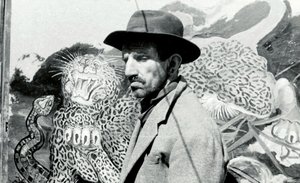
Antonio Laccabue
1899 - 1965 , Szwajcaria
Krótka nota
- Artistic Movement Or Style: Sztuka naiwna
- Artists Or Movements Influenced By This Artist: ['Ekspresjonizm']
- Artists Who Influenced This Artist: ['Renato Marino Mazzacurati']
- Date Of Birth: Zurych, Szwajcaria (1899)
- Date Of Death: 1965
- Full Name: Antonio Laccabue
- Nationality: Szwajcarska
- Notable Artworks:
- Orły z lisem
- Ryk
- Autoportret z psem
- Place Of Birth: Szwajcaria
Powiązane artykuły
Sztuka Naiwna: Między Prostotą a Wizją – Historia, Charakterystyka i Trwały Urok Fenomenu Artystycznego
Poznaj fascynujący świat sztuki naiwnej! Historia, charakterystyka, wybitni artyści i unikalny urok tego niezwykłego kierunku. Ekspercka analiza dla kolekcjonerów i miłośników sztuki.
Zwierzęta w Sztuce: Wprowadzanie Życia do Twojej Przestrzeni
Odkryj fascynujący świat zwierząt w sztuce! Poznaj symbolikę, historię i współczesne interpretacje. Znajdź idealny obraz ze zwierzęciem do swojego wnętrza z .
Beyond the Lens: Transform Your Personal Photos into Timeless AI-Driven Anime Masterpieces with OriginalUniqueArt
Elevate your favorite photos into stunning anime masterpieces with OriginalUniqueArt's AI-driven transformation. Experience the perfect fusion of cutting-edge technology and hand-painted oil artistry to create a timeless, personalized legacy for your home.
Beastly Brushstrokes: A Historical Journey Through Animal Painting & Aesthetic Movements
Explore the rich history of animal painting across cultures & movements. Discover iconic artists, symbolism, collecting trends & expert art consultation at OriginalUniqueArt.com.
From Selfie to Studio Masterpiece: Transform Your Photos into Stunning AI-Driven Anime Art with OriginalUniqueArt
Step into the spotlight with OriginalUniqueArt's AI-driven transformation. Turn your photos into stunning, hand-painted anime oil masterpieces. Experience the perfect fusion of cutting-edge technology and museum-grade craftsmanship to create a timeless pop-culture legacy for your home.