

 Podgląd w skali 1:1
 Wyślij jako kartkę
 Udostępnij
 Szczegóły dzieła
 Przewodnik

 Pobierz obraz
 Podobne obiekty
 RTG
RTG Pokaz slajdów
 Statystyki
A chuva de oiro
 Oil On Canvas
- WallArt
- Surrealist Movement
 1984
1984- Modern
 147.0 x 70.0 cm
 Fundacja Serralves
 Rozwiń treść
Dzieło sztuki prezentowane na tej stronie podlega ochronie prawem autorskim, co oznacza, że nie mamy prawa do tworzenia ani sprzedaży jego identycznej reprodukcji. Ochrona ta jest egzekwowana na mocy umów międzynarodowych, takich jak Konwencja berneńska oraz przez przepisy prawa krajowego, w tym te określone w Prawo autorskie USA – Tytuł 17.
Metoda ta jest w pełni zgodna z przepisami prawa autorskiego, ponieważ nie polega na kopiowaniu ani powielaniu chronionego dzieła. Stanowi ona kreatywną reinterpretację – nowy obraz, który czerpie inspirację z oryginału, ale nie jest z nim tożsamy.
Giclée / Wydruk artystyczny
Wydruki giclée lub płótna o jakości muzealnej, szybka realizacja i szeroki wybór opcji wykończenia. ( Zamów ręcznie malowaną reprodukcję Przejdź do wersji cyfrowej)




P118B zł10

P118H zł10

P118W zł10

P438Z zł10

P508JH zł12

P508YH zł12

P805H zł10

P805Z zł10

P919BZ zł10

P919G zł10

P919XJ zł10

P959ZH zł10

P968JZ zł12

W106C zł8

W218G zł10

W218JH zł8

W218Y zł10

W307PJ zł10

W316G zł10

W316PJ zł8

W316Y zł10

W398PJ zł8

W4111J zł10

W500HY zł15

W500JH zł15

W692G zł12

W849H zł8

W940BG zł15

W953PJ zł8




Wybierz spośród naszych standardowych rozmiarów, które zachowują oryginalne proporcje dzieła sztuki.

Wpisz wymaganą szerokość i wysokość, aby dopasować grafikę do ramy lub ściany. Wydruk można jedynie przyciąć, nigdy nie powiększając go poza oryginalny obraz, dlatego format o innych proporcjach spowoduje utratę części kompozycji. Przed rozpoczęciem druku prześlemy Ci cyfrowy podgląd do zatwierdzenia. Obraz wyświetlany na tej stronie nie pokazuje rzeczywistego przycięcia — jedynie podgląd oddaje ten efekt.
Dostawa na cały świat () w ciągu 2 tygodni zamiast standardowych 4/5 tygodni. (25 Październik)

Bezpłatna ekspresowa wysyłka na cały świat

Wysokiej jakości płótno lniane

Pełne ubezpieczenie przesyłki

Gwarancja zwrotu należności celnych i podatków importowych

Gwarancja wiernego odwzorowania kolorów

100-dniowa polityka zwrotów (tylko w przypadku wad)

Gwarancja 100% zwrotu pieniędzy

Zniżka przy zakupie wielu sztuk
 Opcja ze szkłem jest dostępna wyłącznie w rozmiarach poniżej 110 cm

A chuva de oiro
Giclée / Wydruk artystyczny
Wymiary reprodukcji
-


Cena całkowita
zł 307
Biografia artysty
The Dreamweaver of the Azores: The Life and Legacy of António da Costa
In the quiet, mist-shrouded landscapes of Angra do Heroísmo, within the volcanic embrace of the Azores, a vision was born that would eventually reshape the contours of Portuguese modernism. António da Costa (1914–1990) did not merely paint; he orchestrated a profound dialogue between the tangible world and the boundless reaches of the subconscious. As a pioneer of the Surrealist movement in Portugal, his life was a continuous exploration of the liminal spaces where reality dissolves into dream. His journey, which began in the Atlantic islands, would eventually lead him to the intellectual heart of Paris, carrying with him a unique aesthetic that blended the rugged mysticism of his homeland with the radical avant-garde currents of mid-century Europe.
Costa’s artistic evolution was marked by periods of intense creative fervor and profound silences. After enrolling at the Lisbon School of Fine Arts in 1935, he quickly emerged as a vital voice in a burgeoning movement. By 1940, his name was inextricably linked with other Surrealist luminaries like António Pedro, as they sought to liberate art from the suffocating constraints of rationalism and traditional aesthetics. This early period was defined by a striking visual language—a synthesis of Cubist structure, Futurist energy, and Expressionist emotion. His canvases during these years were often populated by distorted figures and symbolic landscapes that echoed the unsettling beauty of the irrational, heavily influenced by the revolutionary spirit of masters like Salvador Dalí and Pablo Picasso.
A Journey Through Light and Shadow
The trajectory of Costa’s career was profoundly altered in 1947 when a French government grant transported him to Paris. This move proved to be both a professional triumph and a personal metamorphosis. While he initially engaged with the Parisian art scene, a period of withdrawal followed in the early 1950s, during which he transitioned from the brush to the pen. For nearly two decades, Costa lived as an observer rather than a creator, serving as a sophisticated reporter for the Brazilian newspaper O Estado de S. Paulo. This era of intellectual wandering allowed him to absorb the pulse of international art criticism, honing a sharp, analytical mind that would later inform his return to the easel.
When he finally returned to painting in 1971, settling in Janville, the Surrealist enigmas of his youth had matured into something far more serene and mystical. The frantic energy of his early work gave way to a style that drew deeply from Azorean religious traditions and folk iconography. These later works were characterized by:
- A quieter, more contemplative register of color and form.
- The integration of sacred symbols and ancestral motifs.
- A profound sense of stillness that reflected a lifetime of accumulated wisdom.
Historical Significance and Enduring Vision
The legacy of António da Costa extends far beyond the borders of the canvas. He was a polymath whose influence permeated the very fabric of Portuguese culture through his poetry, his art criticism, and his public contributions to urban design. From decorating the Cais do Sodré metro station in Lisbon to creating relief sculptures for the Azorean Parliament, his work sought to infuse the everyday environment with a sense of poetic transcendence. He was an artist who understood that the true power of Surrealism lay not just in shock, but in the ability to reveal the hidden magic within the mundane.
Today, when we look upon works such as A chuva de oiro or his hauntingly beautiful Melancholia, we see more than just oil on canvas; we witness a lifelong quest to map the human soul. His ability to navigate the tension between the fragmented geometry of modernism and the organic, spiritual rhythms of his Atlantic roots remains his greatest achievement. António da Costa remains a towering figure in the history of 20th-century art, a dreamer who taught us that even in the most desolate landscapes, there is a vibrant, golden light waiting to be discovered.

António Da Costa
1914 - 1990 , Portugal
Krótka nota
- Artistic Movement Or Style: Surrealism
- Artists Or Movements Influenced By This Artist: ['Surrealism']
- Artists Who Influenced This Artist:
- Salvador Dalí
- Pablo Picasso
- Date Of Birth: 1914
- Date Of Death: 1990
- Full Name: antónio da costa
- Nationality: Portuguese
- Notable Artworks:
- Episode with dog
- A chuva de oiro
- Place Of Birth: Angra do Heroísmo, Portugal
Powiązane artykuły
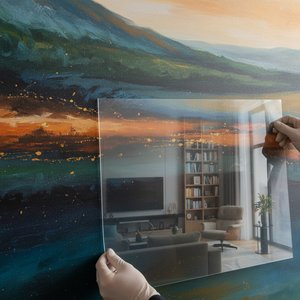
Giclée Prints Explained: The Ultimate Guide to Museum-Quality Art Reproductions
Master the nuances of Giclée printing with our expert guide. Discover how pigment-based inks and museum-grade substrates create fade-resistant, high-fidelity art reproductions designed for discerning collectors seeking unparalleled quality and longevity.
Trwałe Dziedzictwo Malarstwa Olejnego Wykonanego Ręcznie: Wartość Estetyczna, Długowieczność i Rezonans Emocjonalny
Odkryj trwałe piękno malarstwa olejnego! Ekspercka analiza historii, technik i inwestycyjnej wartości dzieł sztuki. Poradniki konserwacji i wybór oryginalnych obrazów. Zaufaj naszej wiedzy!

Odbitki Giclée: Jakość Archiwalna i Estetyczne Niuanse dla Wymagającego Kolekcjonera
Poznaj sekrety druku giclée – technologii zapewniającej najwyższą jakość reprodukcji sztuki i trwałość archiwalaną. Poradnik dla wymagających kolekcjonerów o wyborze papieru, tuszy i profilach kolorystycznych.
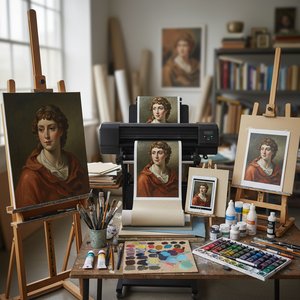
Odtwarzanie Sztuki: Przewodnik po Średnicach Reprodukcji – Olej, Płótno i Papier
Poznaj świat wysokiej jakości reprodukcji obrazów w ! Oferujemy wierne kopie arcydzieł, druki na płótnie i obrazy malowane ręcznie. Poradniki, personalizacja i gwarancja satysfakcji.
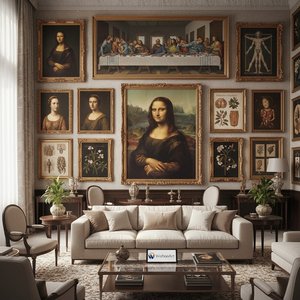
Leonardo da Vinci: 25 Arcydzieł Genialnego Mistrza | OriginalUniqueArt
Odkryj 25 arcydzieł Leonardo da Vinci! Poznaj historię Mona Lisy, Ostatniej Wieczerzy i innych renesansowych perełek. Reprodukcje obrazów najwyższej jakości – inspiracje do wnętrz na OriginalUniqueArt.com.