

 Wyślij jako kartkę
 Udostępnij
 Szczegóły dzieła
 Przewodnik

 Pobierz obraz
 Podobne obiekty
 Pokaz slajdów
 Statystyki
Paris


 Rozwiń treść
Ręcznie malowana reprodukcja olejowa
Ręcznie malowany obraz olejny na płótnie, wykonany na zamówienie przez naszych artystów w wybranym przez Ciebie wymiarze i oprawie. ( Przełącz na wydania drukowane Przejdź do wersji cyfrowej)




































Wybierz spośród naszych standardowych rozmiarów, które zachowują oryginalne proporcje dzieła sztuki.

Wpisz wymaganą szerokość i wysokość, aby obraz pasował do Twojej ramy lub ściany. Ponieważ jest to dzieło malowane ręcznie, w przypadku rozmiaru o innych proporcjach artysta może domalować nieco więcej wokół obrazu lub przyciąć jego fragmenty — wybór należy do Ciebie. Przed rozpoczęciem pracy prześlemy Ci cyfrową wizualizację do zatwierdzenia. Obraz widoczny na tej stronie nie przedstawia rzeczywistego efektu — jedynie wizualizacja oddaje realny rezultat.
Po złożeniu zamówienia zespół OriginalUniqueArt.com skontaktuje się z klientem drogą mailową w celu uzyskania instrukcji i prześle wizualizację projektu
Dostawa na całym świecie () w ciągu 3–4 tygodni zamiast standardowych 5 tygodni. (27 Październik). Bez kompromisów w kwestii jakości.

Bezpłatna ekspresowa wysyłka na cały świat

Wysokiej jakości płótno lniane

Pełne ubezpieczenie przesyłki

Gwarancja zwrotu należności celnych i podatków importowych

Gwarancja wiernego odwzorowania kolorów

100-dniowa polityka zwrotów (tylko w przypadku wad)

Gwarancja 100% zwrotu pieniędzy

Zniżka przy zakupie wielu sztuk
 Opcja ze szkłem jest dostępna wyłącznie w rozmiarach poniżej 110 cm

Paris
Technika reprodukcji
Wymiary reprodukcji
-


Cena całkowita
zł 1153
Antonio Canova’s “Paris”: A Testament to Classical Idealism
Antonio Canova’s sculpture "Paris," completed in 1816, stands as an enduring emblem of Neoclassical artistic achievement—a masterful distillation of Greek sculptural tradition infused with profound humanist emotion. Created during a period marked by intellectual ferment and the burgeoning Romantic movement, this monumental marble figure transcends mere representation; it embodies an aspiration for moral virtue and heroic contemplation.
Subject Matter and Mythological Inspiration
The sculpture depicts Paris, the Trojan prince famed for his abduction of Helen—a pivotal event that ignited the Trojan War. Canova’s choice to portray Paris wasn't merely decorative but deliberate. He sought to elevate the mythological narrative into a meditation on human dignity and moral fortitude. The figure embodies the heroic ideal championed by Neoclassical thinkers who admired the virtues of Stoicism and rational contemplation—qualities considered essential for cultivating inner peace and achieving excellence.
Technique and Material Considerations
Canova’s unparalleled skill in marble carving is evident throughout “Paris.” He employed a meticulous process involving preparatory sketches, clay modeling, and wax casting—techniques honed over decades of experience. The sculpture's surface possesses an astonishing smoothness achieved through painstaking polishing, revealing the intricate musculature and subtle drapery folds with breathtaking clarity. The use of Carrara marble—renowned for its purity and translucency—allowed Canova to capture the luminosity characteristic of classical sculptures and imbue the figure with a palpable sense of presence.
Historical Context and Artistic Influences
"Paris" emerged from the crucible of the Napoleonic era, when Rome served as Napoleon’s imperial capital. This context profoundly shaped Canova's artistic sensibilities—he was deeply influenced by Michelangelo Buonarroti’s monumental sculptures in St. Peter’s Basilica, which exemplified the grandeur and expressive power of classical art. The sculpture reflects a broader cultural preoccupation with reviving Greco-Roman ideals amidst the turbulent upheavals of the Enlightenment and Romanticism—a desire to recapture the serenity and moral seriousness associated with antiquity.
Symbolism and Emotional Impact
The pose of “Paris”—one hand raised in contemplation, the other resting on his hip—communicates a state of profound thoughtfulness and inner resilience. Closed eyes convey an inward gaze, suggesting a preoccupation with ethical considerations and spiritual reflection. The drapery folds are rendered with meticulous detail, mirroring the flowing garments worn by Greek sculptures and symbolizing nobility and grace. Ultimately, “Paris” serves as a powerful reminder of humanity’s capacity for moral virtue—a timeless masterpiece that continues to inspire awe and admiration.
Pytania i odpowiedzi
Jaki kolor najbardziej dominuje w "Paris"?
Dominującym kolorem dzieła „Paris” – Antonio Canova jest Rosy Brown (#a29484).
Gdzie można zobaczyć oryginał „Paris” – Antonio Canova?
Oryginał dzieła „Paris” – Antonio Canova znajduje się w Neue Pinakotheka, München, Deutschland. Reprodukcja pozwala na eksponowanie pracy w domu.
Co to za dzieło: "Paris"?
"Paris" to Sculpture.
Biografia artysty
Antonio Canova: Życie wykute w marmurze
- Urodzony: Possagno, Włochy (1757)
- Zmarł: 1822
Antonio Canova jawi się jako monumentalna postać w historii sztuki zachodniej, powszechnie uznawany za najwybitniejszego rzeźbiarza klasycyzmu. Jego mistrzostwo w obróbce marmuru oraz niezwykła zdolność do tchnięcia głębokich emocji w klasyczne formy zapewniły mu miejsce wśród największych artystów wszech czasów. Urodzony w Possagno we Włoszech, jako syn kamieniarza Pietro Canovy, od najmłodszych lat dorastał w otoczeniu sztuki, która ukształtowała jego wrażliwość.
Wczesne lata i kształcenie
- Wczesny rozwój artystyczny: Jeszcze przed dziesiątym rokiem życia Canova wykazywał niezwykłe umiejętności, tworząc małe marmurowe sanktuaria, które stanowiły dowód jego wrodzonego daru. Szlifował swój kunszt jako uczeń Giuseppe Bernardiego (zwanego „Torretto”) oraz Giovanniego Ferrariego.
- Studia akademickie: Jego studia w Accademia di Belle Arti w Wenecji zaowocowały licznymi nagrodami, co umocniło jego reputację obiecującego młodego artysty. Pracownia mieszcząca się w klasztorze dała mu przestrzeń niezbędną do rozwoju rzemiosła.
- Pierwsze zlecenia: Wczesne prace, takie jak posągi Orfeusza i Eurydyki dla senatora Giovanniego Faliera (1775-1777), prezentowały rodzący się styl rokoko, będący zapowiedzią późniejszej, klasycystycznej subtelności.
Wzlot do sławy i styl neoklasyczny
- Definicja klasycyzmu: Twórczość Canovy charakteryzuje się eleganckimi formami, idealizacją postaci oraz powrotem do estetycznych zasad starożytnej Grecji i Rzymu. Po mistrzowsku unikał melodramatyzmu baroku, jednocześnie stawiając opór chłodności, która często towarzyszyła wcześniejszym próbom odrodzenia antyku.
- Kluczowe dzieła i uznanie: Rzeźby takie jak Amor i Psyche (ok. 1787-1793), Pokutująca Magdalena oraz Herakles i Lichas ugruntowały jego sławę w całej Europie. Jego prace cieszyły się ogromnym pożądaniem wśród królów i arystokracji.
- Budowanie reputacji: Canova strategicznie promował swoją karierę poprzez publikację rycin swoich dzieł oraz tworzenie marmurowych wersji gipsowych odlewów, co zapewniło szerokie rozprzestrzenienie jego sztuki.
Wielkie dzieła i dziedzictwo
- Wybitne rzeźby: Poza wspomnianymi wcześniej arcydziełami, do najważniejszych prac Canovy należą Wenus Italica, Muza Polihymnia, Trzy Gracje w tańcu oraz przejmujące przedstawienie Eurydyki.
- Monumentalne zlecenia: Otrzymywał prestiżowe zamówienia na grobowce, z których najsłynniejszym jest bogato zdobiony Grobowiec papieża Klemensa XIII w Bazylice św. Piotra w Rzymie – świadectwo jego biegłości zarówno w rzeźbie, jak i projektowaniu architektonicznym.
- Gipsoteca Antonio Canova: Muzeum Gipsoteca Antonio Canova skrywa najistotniejszą kolekcję jego dzieł, oferując bezcenną wgląd w proces twórczy i ewolucję artystyczną mistrza.
- Wpływ na kolejne pokolenia: Wpływ Canovy wykraczał daleko poza jego własne życie, kształtując bieg rzeźby neoklasycznej i inspirując kolejne pokolenia artystów swoją techniczną maestrią i siłą wyrazu.
Znaczenie historyczne
- Ucieleśnienie klasycyzmu: Imię Antonio Canova stało się synonimem ruchu neoklasycznego, uosabiając jego ideały ładu, klarowności i powrotu do antyku.
- Rzeźbiarz dworski i dyplomata: Pozycja rzeźbiarza dworskiego wielu europejskich władców zapewniła mu znaczące wpływy polityczne i pozwoliła kształtować gusta artystyczne na całym kontynencie.
- Innowacja techniczna: Niezrównana umiejętność pracy w marmurze przesuwała granice tego, co uważano za możliwe, ustanawiając nowy standard doskonałości rzeźbiarskiej.
- Trwałe dziedzictwo artystyczne: Jego rzeźby nieustannie zachwycają widzów na całym świecie, utwierdzając jego miejsce jako jednego z najważniejszych i najbardziej wpływowych artystów w historii.

Antonio Canova
1757 - 1822 , Włochy
Krótka nota
- Artistic Movement Or Style: Neoklasycizm
- Artists Or Movements Influenced By This Artist: ['Neoklasycyzm']
- Artists Who Influenced This Artist: ['Barok']
- Date Of Birth: 1757
- Date Of Death: 1822
- Full Name: Antonio Canova
- Nationality: Włoski
- Notable Artworks:
- Psyche i Kupidyn
- Madalena Pokuta
- Herkules i Lizy
- Place Of Birth (City And Country): Possagno, Włochy
Powiązane artykuły

Timeless Elegance: A Complete Guide to the Sublime Beauty and Artistry of Marble Sculpture
Discover the sublime beauty of marble art through an expert exploration of Renaissance and Neoclassical masterpieces. From the delicate textures of Carpeaux to the grandeur of Sansovino, immerse yourself in a guide to timeless elegance and sculptural perfection.

10 Legendarnych Brązów Rzeźbiarskich, Które Zmieniły Sztukę | OriginalUniqueArt
Odkryj 10 legendarnych rzeźb brązowych od Rodina, Degasa i innych mistrzów! Poznaj historię powstania arcydzieł sztuki i inspiruj się do dekoracji wnętrz. Reprodukcje najwyższej jakości na OriginalUniqueArt.com – zobacz kolekcję!

Urok marmuru w historii sztuki: od klasycznej rzeźby do nowoczesnej abstrakcji
Odkryj fascynującą historię rzeźby marmurowej – od klasycznych arcydzieł po nowoczesną abstrakcję. Poznaj techniki, artystów i wartość kolekcjonerską tego wyjątkowego medium. Ekspercka analiza dla miłośników sztuki.

Trwałe Formy: Ewolucja Technik i Tematów w Rzeźbie Przez Wieki – Od Antyku do Renesansu
Poznaj fascynującą historię rzeźby od antyku do renesansu! Odkryj techniki, wybitnych artystów i wpływ na współczesną sztukę. Ekspercka analiza dla kolekcjonerów i miłośników.
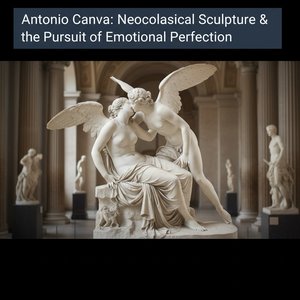
Antonio Canova: Neoclassical Sculpture & the Pursuit of Emotional Perfection
Explore the life & art of Antonio Canova, the greatest Neoclassical sculptor. Discover his masterpieces, innovative techniques, and lasting influence on fine art collecting. Expert insights for discerning investors.
